Firefly Symbolism: Spiritual Meaning, Omens and What Seeing One Means
Seeing a firefly is traditionally read as hope returning in the dark: a small, reliable light that shows up exactly when the night is deepest. Firefly symbolism across cultures circles the same three ideas, which are illumination, transience and the souls of the dead, and almost every version of it is positive. The insect is admired rather than feared, and that makes its omens gentle ones.
The readings do differ by tradition and by situation. A firefly in your house is read differently from one that lands on your hand, and the Japanese association with departed soldiers is nothing like the American one with childhood summers. This guide separates the traditions, covers spirit animal, totem and omen uses of the symbol, and closes with the biology that gave rise to all of it.
Fireflies symbolize hope in darkness, guidance, inspiration and the brief, bright nature of life. In Japanese tradition they are linked to the souls of the dead, in Christian reading to faith that does not need daylight, and in modern spiritual writing to creative insight. Seeing one is almost always read as encouragement.
| Situation | Common traditional reading |
|---|---|
| A single firefly at dusk | Guidance; a next step that will only appear once you move |
| Fireflies in the garden | A healthy, blessed place; permission to rest |
| A firefly inside the house | A message about the household, usually welcome |
| A firefly landing on you | Read as personal recognition or an invitation to speak up |
| Many fireflies at once | Celebration; in Japanese poetry, gathered souls |
| A firefly in a dream | Associated with an idea you have not acted on yet |
What Do Fireflies Signify Spiritually?
Fireflies signify spiritual light that is generated from within rather than received from outside. That is the thread connecting the traditions: the insect does not reflect the moon or the sun, it makes its own glow, and it does so in the dark when nothing else is visible. Writers across very different belief systems reached for the same metaphor.
The second meaning is transience. Adult fireflies live weeks at most, and in several literary traditions that short span is the point of the symbol rather than a footnote to it. The light is precious because it does not last.
The third is guidance under limited visibility. A firefly shows the next few feet and nothing more, which is why spiritual writing uses it for decisions you cannot see the end of. The insect appears when you have enough light to take one step.
Firefly Symbolism in Native American Traditions
Specific claims about a unified Native American firefly teaching should be read with care, since hundreds of distinct nations hold distinct beliefs and much of what circulates online is modern spiritual writing. Where documented stories exist, they tend to treat glowing insects as carriers of fire or as small helpers rather than as omens.
Several Southwestern traditions include narratives in which insects or small creatures bring light or fire to people, and retellings sometimes name the firefly in that role. Those stories are about generosity and the sharing of knowledge, which is how the insect is usually read in that frame.
The honest summary is that the firefly is a minor figure in recorded Indigenous storytelling compared with larger animals. Anyone wanting a specific nation’s teaching should look to that nation’s own published sources rather than to general symbolism guides.
What Does God Say About Fireflies? Christian and Biblical Readings

Fireflies are not mentioned in the Bible, so there is no verse about them to cite. Christian symbolic reading of the insect is devotional rather than scriptural, and it builds on the many passages that contrast light with darkness, including the image of a light shining in a dark place.
In that frame a firefly is read as faith that is visible precisely because the surroundings are dark, and as a reminder that a small light is enough to be seen. Sermon illustrations use it for witness: nobody asks the insect to light the whole field.
Some devotional writers also read the firefly as a sign of resurrection, since the glow comes out of what looks like nothing. That reading parallels how Christian folk symbolism treats other bright, short-lived creatures, including the butterfly and the honey bee.
Celtic and European Folklore: Fairy Lights and Will-o’-the-Wisp
Northern European folklore is more cautious about lights in the dark than American tradition is. Will-o’-the-wisp and jack-o’-lantern stories describe lights over marshes that lure travelers off the path, and in Britain and Ireland the glowing insects available were glow-worms, the flightless females of Lampyris noctiluca.
In those stories the light is tested rather than trusted. A wanderer who follows it ends up in the bog, which gives the European reading a protective edge: look at where a light is leading you before you follow it.
Glow-worms themselves kept a kinder reputation and were associated with love, since the female glows to attract a mate. English folk usage tied a glow-worm sighting to a courtship that was about to succeed.
Firefly Symbolism in Japan, China and East Asia

Japanese tradition carries the most developed firefly symbolism of any culture. The hotaru appears throughout classical poetry as an image of brief, intense longing, and in the twentieth century it became strongly associated with the souls of the war dead, a reading made familiar worldwide by the film Grave of the Fireflies.
Firefly viewing, hotaru-gari, was a seasonal pastime comparable to cherry blossom viewing, and the insect still marks early summer in the traditional calendar. Both the poetry and the custom stress the same thing, which is that the season is already ending while you watch it.
Chinese tradition contributes the scholar’s image: the story of a student too poor for lamp oil who read by a bag of fireflies. There the insect stands for persistence and study rather than for souls, and the phrase remains a compliment to a diligent student.
The Firefly as a Spirit Animal
People who work with the firefly as a spirit animal describe it as the guide for periods of low visibility: career changes, grief, recovery, early creative work. The animal’s instruction in that framework is to produce your own light instead of waiting for conditions to improve.
The firefly spirit animal is also read as a signal about timing. Fireflies flash in species-specific patterns and respond to answering flashes, so practitioners treat the symbol as being about sending a signal and waiting for the reply rather than about broadcasting constantly.
Unlike heavier spirit animals, the firefly carries no warning element in this usage. It is one of the few in modern symbolism that is read as entirely encouraging, which is part of why it shows up so often in grief writing.
The Firefly Totem and the Firefly as an Omen
In totem usage the firefly marks a person as someone who works quietly and is noticed anyway, often described as a night worker, a writer or a healer. The totem is associated with influence that does not depend on volume, in contrast with the louder cardinal as a totem bird.
As an omen, a firefly sighting is read as confirmation that a decision already made is the right one. Folk omen reading rarely assigns the insect bad news, and the few negative versions come from the European will-o’-the-wisp line rather than from the firefly itself.
Repeated sightings are read as emphasis. In practice they mean you are near good firefly habitat, which is damp, unmown and unlit, and the folk reading and the ecology point to the same thing: the place is healthy.
Seeing a Firefly in Your House
A firefly indoors is read as a household message rather than a personal one, and the usual interpretation is welcome news arriving for the home. Insects that enter houses are treated far more kindly in folk belief when they are harmless and bright; compare the dread attached to a centipede in the house.
The common cause is a lit window on a humid summer night. Fireflies navigate by light cues and will drift into a bright doorway, especially in July in the eastern United States, which is peak season for the big dusk-flashing species.
The kind response is also the practical one. Cup the insect, carry it to damp vegetation and release it, since an adult firefly indoors will dry out within a day.
What If a Firefly Lands on You?
A firefly landing on you is read as personal recognition, and in most modern interpretations as a prompt to let something of yours be seen. The symbolism is consistent across sources because landing is contact, and contact is always read as directed at the individual.
In grief contexts the reading is more specific. Many bereaved people describe a firefly settling on a hand or shoulder as a visit, which is the same interpretive move applied to a ladybug found after a loss.
There is nothing to fear physically. Fireflies have no sting and no interest in biting, and a landing almost always means the insect has simply run out of lift at the end of a flight.
Seeing Fireflies Repeatedly and in Dreams
Dream symbolism places the firefly close to the idea you have had but not acted on. Dream dictionaries diverge on detail, and the one consistent element is that a dreamed firefly appears when the dreamer already knows the next step, which is why catching one in a dream is read as claiming an idea.
A dream of fireflies going out is usually tied to a window closing on an opportunity rather than to loss of life. The reading stays within the transience theme that runs through all firefly symbolism.
Repeated real sightings across a summer deserve a plainer reading too. Firefly populations are declining in much of their range because of habitat loss, pesticides and light pollution, so a yard that still has them is worth protecting.
Firefly Symbolism in Literature and Modern Use
Western literature uses the firefly almost exclusively for memory and for childhood. The image of a jar of fireflies on a porch carries nostalgia so reliably that advertising and film lean on it without explanation, and the jar also carries its own quiet warning about holding light captive.
Japanese poetry uses the insect for impermanence, as covered above, and both traditions converge on the firefly as the symbol of something you cannot keep. That is a different emphasis from the symbolism of birds, where permanence and messengers dominate; our overview of bird symbolism sets out that contrast.
Conservation writing has now added a fourth layer. The firefly stands in for everything that disappears quietly when a landscape is lit, paved and sprayed, which gives the old symbol of transience an unintended literal meaning.
The Biology Behind the Symbol
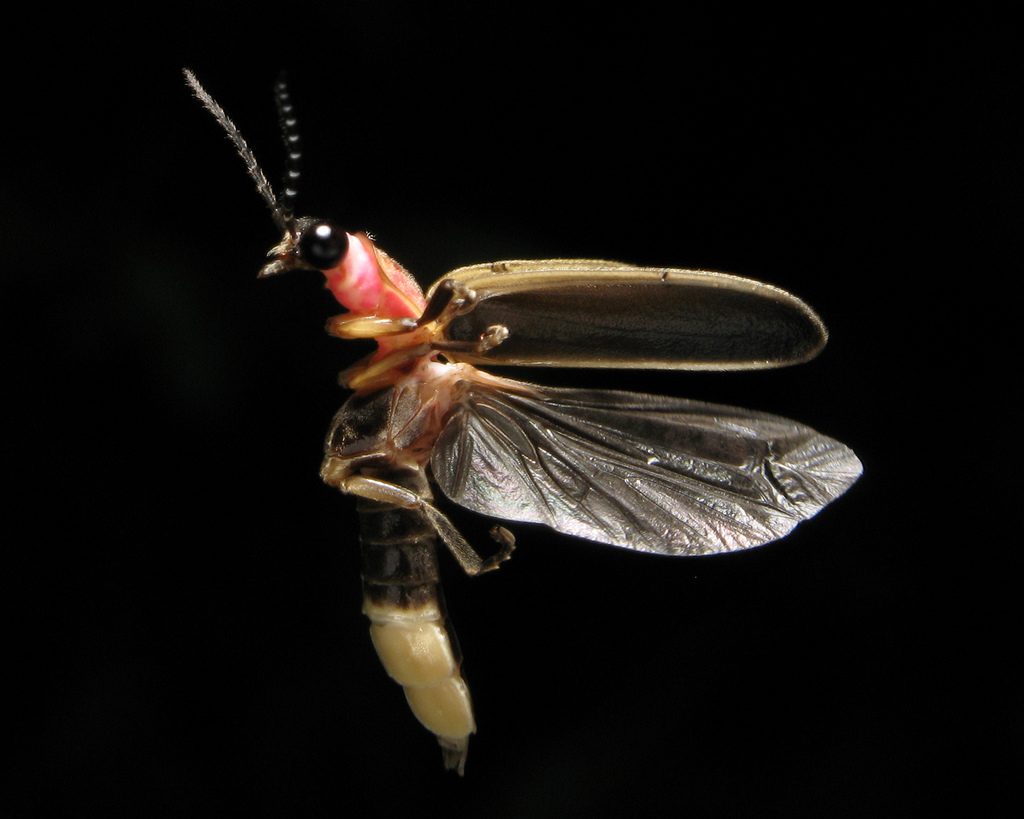
Fireflies are beetles in the family Lampyridae, not flies, and roughly 170 species occur in the United States. The glow is bioluminescence produced in the abdomen, a chemical reaction involving luciferin and the enzyme luciferase that releases almost no heat, which is why people describe the light as cold.
Each species flashes a distinctive pattern, and in the eastern United States the common big dusk flasher is Photinus pyralis, the one making the rising J-shaped flash over lawns. Synchronous species in the southern Appalachians flash in unison for a few weeks each year, an event managed by lottery at Great Smoky Mountains National Park.
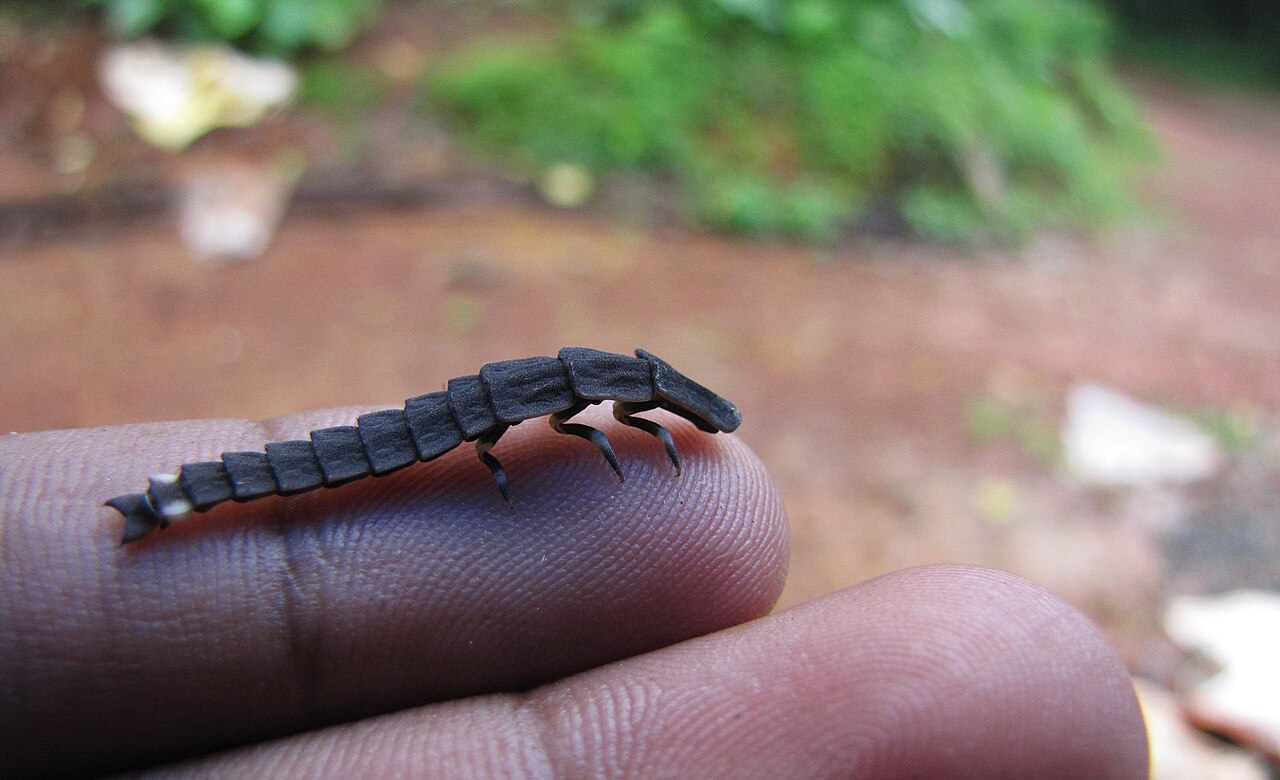
Larvae are predatory and glow too, feeding on snails and soft-bodied prey in damp soil for one to two years before a short adult life. Knowing that the glow belongs mostly to the larval stage underground does not weaken the symbolism; it is the longer, invisible part of the story that the symbol leaves out, much as it does for the bat.
Frequently Asked Questions
What does it mean to see a firefly?
Seeing a firefly is read as hope arriving in a dark stretch, and as a sign that you have enough light for the next step even if you cannot see the whole path. Japanese tradition adds the souls of the dead, and grief writing commonly treats a sighting as a visit.
How rare is it to see a firefly?
Fireflies remain common in the eastern United States in summer but have become genuinely scarce west of the Rockies and in heavily lit suburbs. Many people see none for years simply because of outdoor lighting and mown lawns, then see hundreds on one trip to damp woodland.
Is it good luck to have a firefly in your house?
Folk reading treats it as good luck, specifically luck attached to the household rather than to one person. No tradition in Europe, Asia or North America assigns a firefly indoors a bad meaning, which is unusual among insects that enter homes.
Is it okay to touch fireflies, and do fireflies sting or bite you?
It is safe to touch them, and fireflies do not sting or bite people. They have no venom and no biting mouthparts suited to skin. Handle them briefly with damp hands, avoid jars without ventilation, and release them into vegetation rather than onto pavement.
What time of year do fireflies appear?
In most of the eastern United States adults appear from late May and peak through June and July, with activity concentrated in the first hour after sunset. Southern states start earlier, northern states later, and a warm, humid, windless evening produces far more flashing than a cool dry one.
What does a firefly symbolize in grief?
In bereavement the firefly is read as a brief, deliberate visit, and that reading has both Japanese literary precedent and strong modern usage in Western grief support. People often report a single insect appearing near an anniversary or a graveside and take it as recognition rather than as a warning.