Wolf Dream Meaning: Attacking, Staring, Black, White or Howling
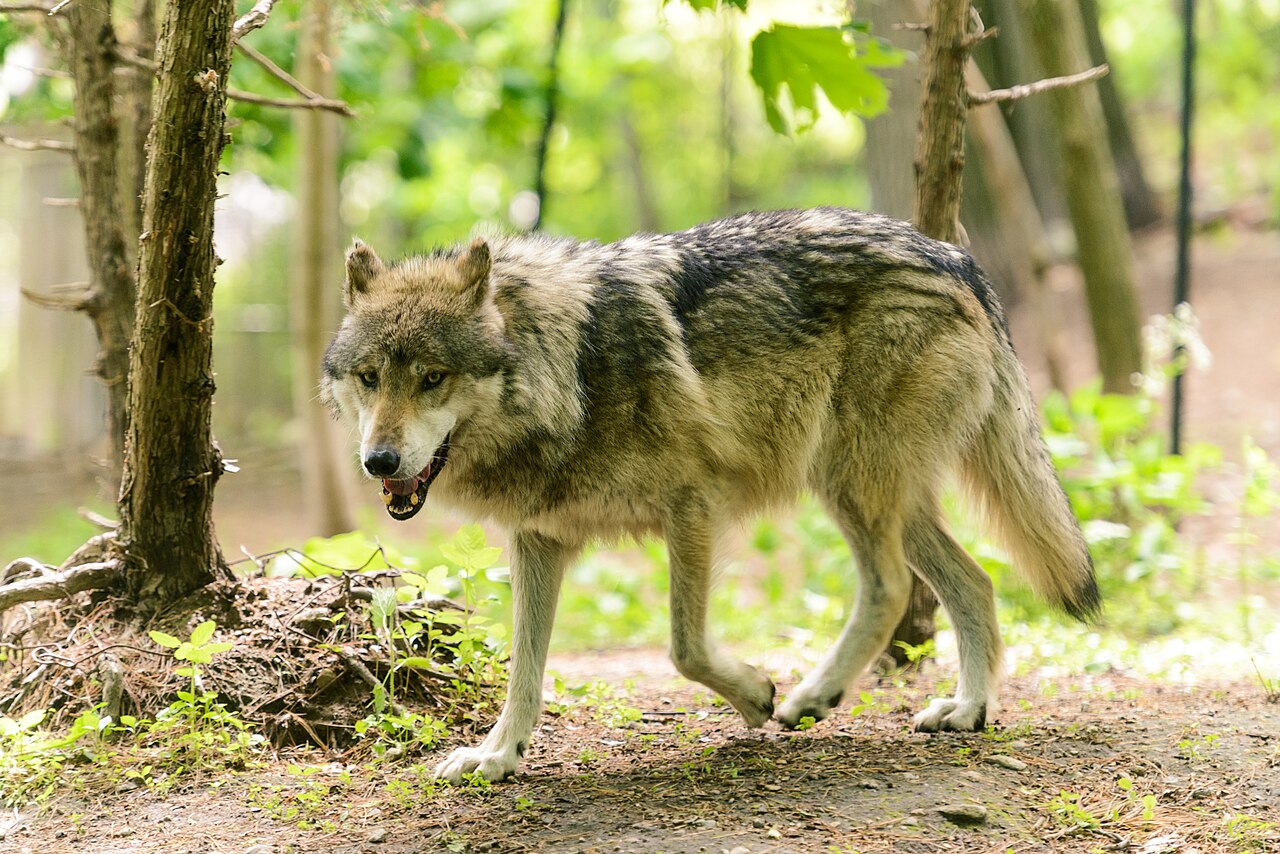
To dream about a wolf usually points to instinct: something in you that is strong, hungry and not fully domesticated. Across the traditions that shaped the modern wolf dream meaning, the animal stands for survival, loyalty to a group, and a kind of knowledge that does not come from thinking. Whether the dream feels like a threat or a gift depends almost entirely on one detail, and it is not the wolf. It is what you were doing when it appeared.
Below is what each situation has meant in dream interpretation, kept separate by tradition so you can see where a reading comes from. These are beliefs and interpretive habits, not findings, and the last section covers how to use them without handing your decisions to a dream.
A wolf in a dream most often represents instinct, self reliance and a force you have been holding back. A calm or guiding wolf is read as alignment with that instinct. A stalking or attacking wolf is read as a threat you already sense, often a person or an appetite. Context, not the wolf, decides the meaning.
| Situation in the dream | Common interpretation | Feeling it usually tracks |
|---|---|---|
| Wolf watching you calmly | Instinct asking to be acknowledged | Stillness, being seen |
| Wolf attacking you | A known threat or a habit out of control | Fear, cornered |
| Wolf leading you somewhere | Guidance, a path you already suspect | Curiosity, trust |
| Pack of wolves circling | Social pressure, family or workplace | Exposure, judgment |
| Lone wolf in the distance | Independence, or isolation you chose | Longing, relief |
| Dead or injured wolf | Instinct suppressed, strength spent | Grief, numbness |
| Howling you only hear | A call you are avoiding answering | Unease, recognition |
What Does It Mean to Dream About a Wolf?
Most interpreters read the wolf as the instinctual self: the part of you that knows when something is wrong before you can explain it. That is why the same animal shows up both as protector and as predator in dream dictionaries. The wolf does not change; your relationship to your own drives does.
The practical reading starts with distance and intent. A wolf that keeps its distance is usually taken as information, a signal that you have noticed something. A wolf that closes in is taken as pressure, something demanding a decision. A wolf that walks beside you is read as integration, the rarest and most positive version.
Modern dream work adds a plainer question, which is worth asking before any symbol: who in your life behaves like a wolf right now? The answer is often immediate and uncomfortable, and it explains the dream better than any tradition does.
Is It Good to See a Wolf in a Dream?
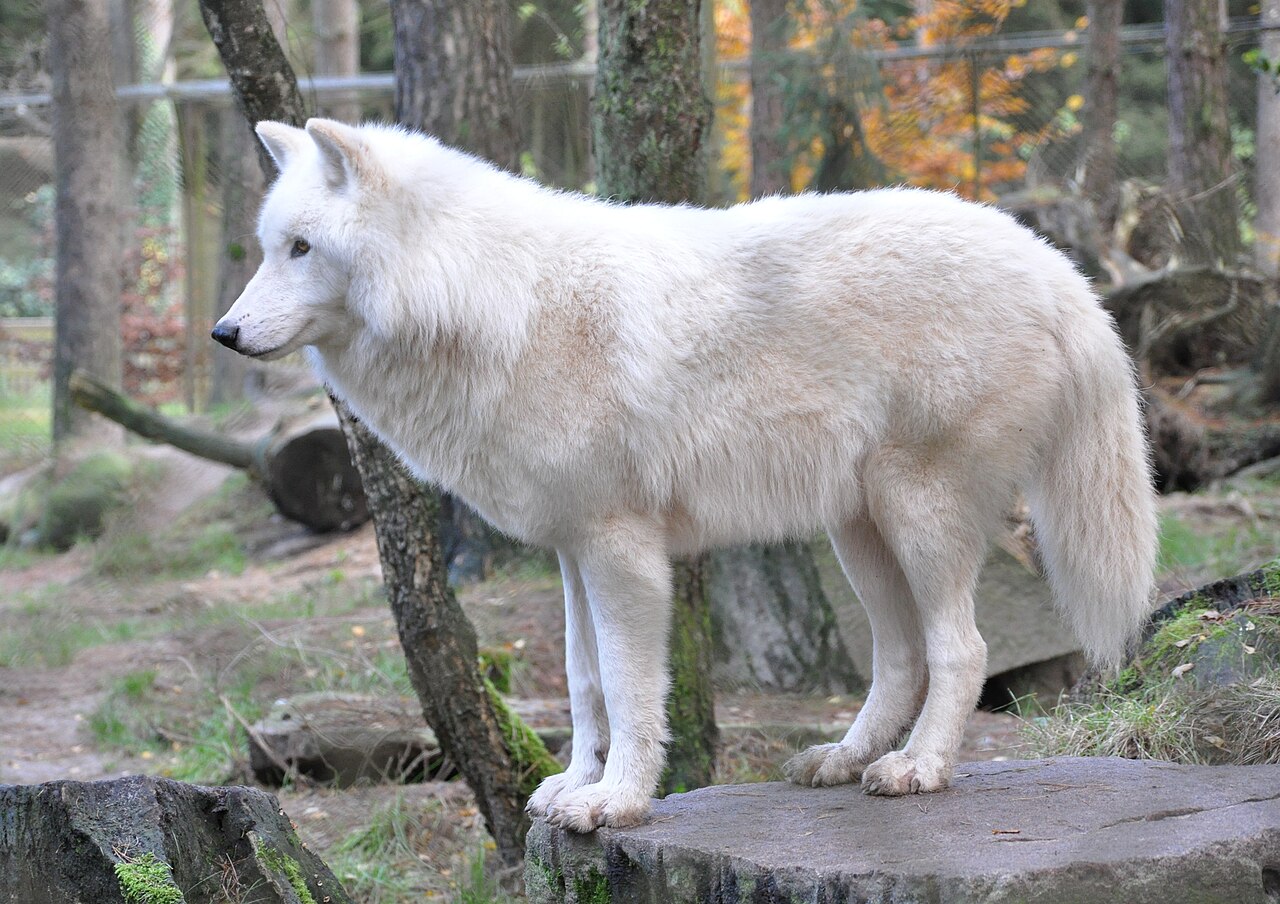
More often good than bad, in the sense that the dream is usually read as useful rather than ominous. Dream dictionaries treat the wolf as a warning animal rather than a doom animal: it tells you something is approaching or something inside you is underfed, and both are actionable.
The bad readings cluster around being hunted. If you woke with your heart going, interpreters point to a real pressure you have been minimizing, not to a prophecy. The wolf in those readings is a messenger with poor manners.
Is Seeing a Wolf a Good or Bad Omen?
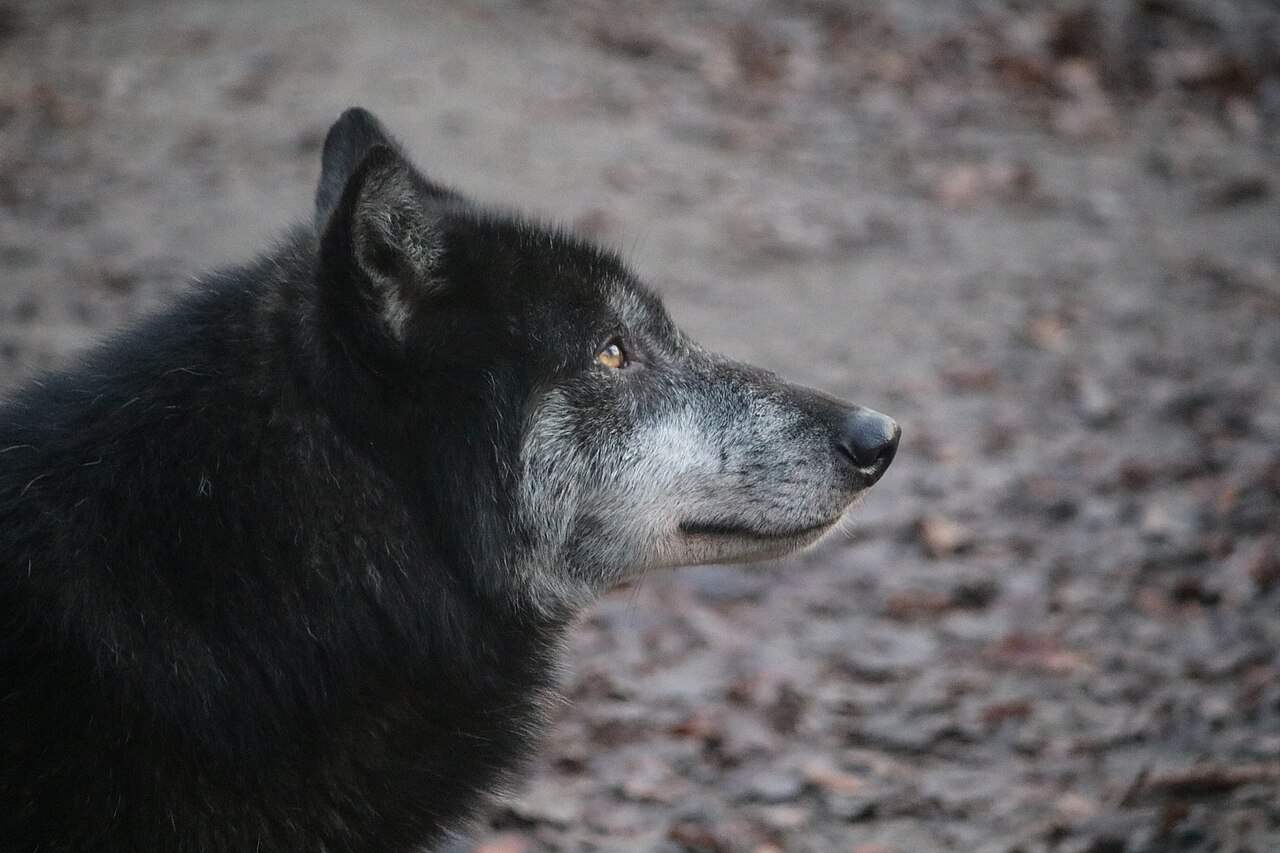
That depends entirely on which tradition you ask, and the traditions disagree sharply. In much of European folklore the wolf was the livestock killer at the edge of the village, so it entered dream lore as a bad omen tied to theft, hunger and betrayal. In many Native American traditions the wolf is a respected teacher and family animal, and a dream visit is a favorable sign.
Because the folklore split is that wide, a single omen verdict is not available. What travels across all of them is the idea of a boundary: the wolf arrives where the safe and the wild meet. For the wider symbolic picture outside dreams, see what the wolf symbolizes as a waking sign.
What Does a Wolf Symbolize in Dreams?
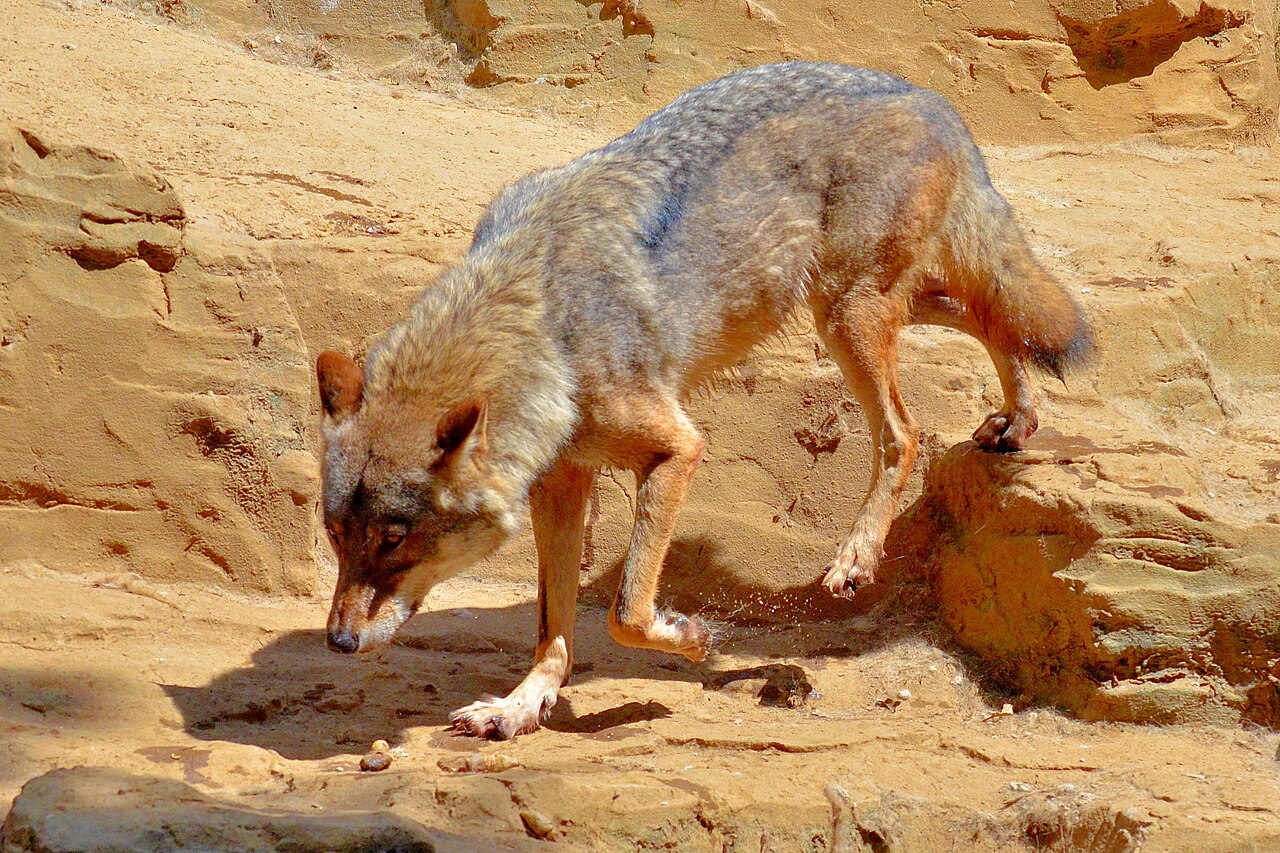
Four meanings carry most of the weight. Instinct and appetite, the drive you cannot reason away. Loyalty, because wolves live and hunt as families. Territory and boundaries, since wolves spend their lives defining edges. And survival intelligence, the capacity to endure a hard winter without drama.
Which one applies shows in the dream’s texture. Hunger and chase scenes point to appetite. Pack scenes point to family and belonging. Scent marking, fences, doorways and thresholds in the same dream point to boundaries, and a wolf in deep snow points to endurance.
What Does It Mean If You Dream of Wolves Attacking You?
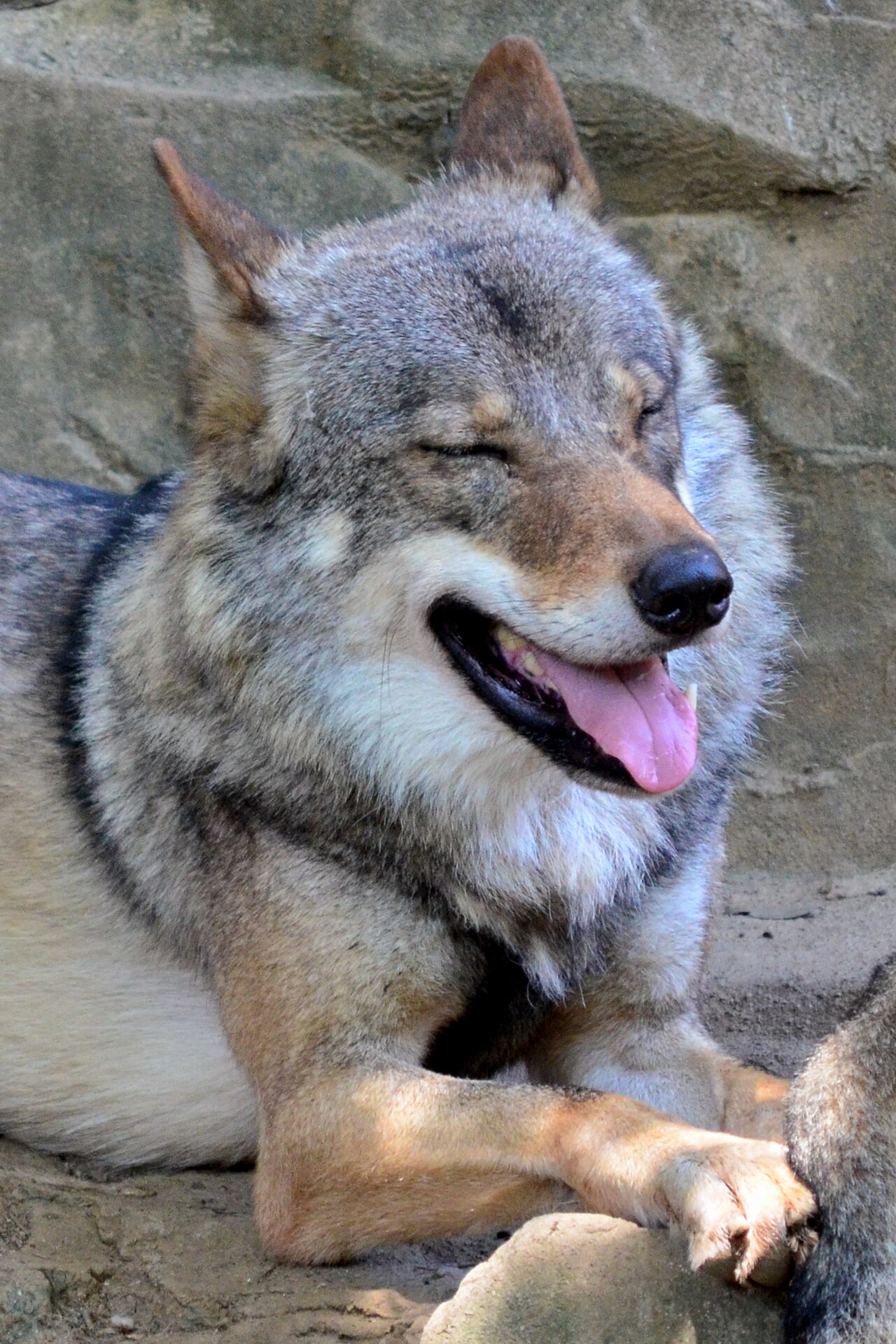
An attack dream is generally read as a threat you have already registered and not yet named. Interpreters split it two ways. If the wolves come from outside, from woods, a street or a crowd, the reading is external: a person, a group or a deadline that feels predatory. If a single wolf comes from inside the house, the reading turns inward, toward an appetite or an anger you have been managing rather than facing.
Being bitten is usually read as a cost already paid, not one coming. Escaping or fighting the wolf off is read as capability. Dream dictionaries make a lot of whether you fought back, and this is the one detail worth writing down immediately, because it fades fastest.
Attack dreams about predators rarely stay single. People who dream of wolves attacking often also report snake dreams in the same period, which traditional readings treat as the same message delivered by a different animal.
Dream of a Wolf Staring at Me: Spiritual Meaning
A wolf that only stares is the version interpreters treat most seriously. Nothing happens, and that is the point: the dream withholds action so the attention itself becomes the message. In most readings the stare means recognition, that something in you has been seen and will not be ignored much longer.
Many traditions add that the correct response in the dream is to hold the gaze without challenging it. People who report having done so usually describe the dream as calming in retrospect, while those who ran describe it as a chase. The staring wolf also appears in interpretations of owl dreams, where the watching animal carries the same function.
Friendly Wolf Dream Meaning
A friendly wolf is read as instinct and intention pointing the same way. The dream often shows the wolf walking with you, lying near you, or letting you touch it, and interpreters treat it as a confidence dream rather than a warning. It tends to be reported during periods when someone has recently made a hard decision and is waiting to find out if it was right.
Some traditions caution against the too friendly wolf, the one that behaves like a pet. In those readings a wolf acting like a dog means something wild in you has been tamed too thoroughly, and the dream is asking whether the trade was worth it.
Black Wolf Dream Meaning
A black wolf is usually read as the hidden part of the instinct, not as evil. Jungian influenced dream work connects it to the shadow, the drives you do not present in daylight, and treats the dream as an invitation to examine rather than a threat to survive. Darkness in this reading means unlit, not malicious.
Folk readings are harsher. In several European traditions a black animal at night was a death omen outright, and that association still colors popular dream dictionaries. Worth noting that black wolves are entirely real, a coat color common in the northern Rockies, so the image may simply be memory rather than symbol.
White Wolf Dream Meaning
White wolves are read as guidance, purity of purpose and protection. The reading is consistent across sources in a way few wolf dream readings are: a white wolf is almost always treated as benevolent, a guardian or a guide appearing at a decision point. In Arctic folklore the white wolf is associated with surviving conditions that should not be survivable.
If the white wolf appeared in snow, interpreters tend to fold the two symbols together into one message about endurance. If it appeared somewhere it did not belong, a city street or a kitchen, the standard reading is that the guidance concerns ordinary life rather than a crisis.
Hearing a Wolf Howl in a Dream
A howl without a visible wolf is read as a call you have not answered. The sound carries the pack’s location and identity in the real animal, and dream interpretation borrows that directly: the howl asks where you are and whether you are with your people. Dreamers often report it as sad rather than frightening.
Several traditions distinguish a single howl from a chorus. One voice is read as personal, a question about your own direction. Many voices are read socially, as family, community or grief, and the dream is treated as being about belonging rather than danger. The same logic appears in readings of birds in dreams, where the call matters more than the bird.
Dreaming of a Dead Wolf
A dead wolf is the one image interpreters rarely read as positive. The standard reading is suppressed instinct: strength that has been spent, overridden or argued out of existence. People report this dream during burnout and after long stretches of doing what was expected of them.
A wolf you killed yourself gets a separate reading, and traditions differ on it. Some treat it as mastery over an appetite. Others treat it as self harm dressed as discipline. Both readings agree that the dream is about what the strength was costing you, not about the animal.
What Do Wolves Mean in Dreams Biblically?
In Christian and biblical tradition the wolf is nearly always a figure of danger to a flock, which makes the dream reading a warning about deception. Scripture uses the animal for false teachers and for leaders who exploit the people they are meant to protect, and that single meaning dominates biblical dream interpretation. Within that framework a wolf dream is read as a caution about who you are trusting.
Some Christian interpreters extend it to the dreamer, reading the wolf as a prompt to examine one’s own motives toward others. This is a tradition of reading, not a doctrine; the Bible interprets very few dreams itself and offers no dream dictionary.
Wolf Dreams in Native American, Celtic and East Asian Traditions
These traditions are not interchangeable, and summaries flatten real differences between hundreds of distinct cultures. In Lakota tradition the wolf, šung’manitu tanka, is associated with scouts, pathfinding and the welfare of the people, and a wolf appearing to someone is treated with respect rather than fear. Pawnee tradition connects the wolf to the Wolf Star and to cycles of death and return.
In Celtic material the wolf appears as a companion of the wild and of winter, tied to figures who move between worlds, and it is neither purely good nor purely dangerous. In Japanese tradition the ōkami of Mitsumine and other mountain shrines was a protector of crops against deer and boar, and wolf talismans were kept for household protection. In Mongolian tradition the wolf sits at the origin of lineage itself.
What these share is status. The wolf is a party to the relationship, not a pest in it, which is the clearest break from the European folklore that modern dream dictionaries inherited.
What Does a Wolf Symbolize as a Spirit Animal?
As a spirit animal, totem or power animal in contemporary popular usage, the wolf stands for instinct trusted, loyalty to a chosen few, and the discipline that independence actually requires. The vocabulary is modern and largely North American new age, borrowed unevenly from Indigenous traditions that use these terms differently or not at all, and it is worth saying so plainly.
Used honestly, the idea is a prompt rather than a classification: if the wolf is your animal, the question it keeps asking is whether you are with your pack or merely near them. People who find the wolf framing too heavy often end up reading gentler animals the same way, which is why bear dreams and spider dreams appear in the same interpretive lists. Overviews of the wolf’s actual behavior, including the pack structure these readings lean on, are published by the National Park Service, which has tracked wolves in Yellowstone since 1995.
Frequently Asked Questions
What is the spiritual meaning of a wolf?
In most spiritual frameworks the wolf represents instinct, loyalty and the intelligence needed to survive hard conditions. Traditions differ on whether it arrives as teacher, guardian or warning. The common thread is that the wolf is thought to show up at thresholds, when a decision about direction or loyalty is already underway.
Is a wolf dream a bad omen?
Not inherently. European folklore treated the wolf as an omen of theft and hunger, while many Native American and East Asian traditions treat a wolf encounter as favorable or protective. Because the traditions contradict each other this directly, no single omen verdict holds. Interpreters read the dream’s emotion rather than the animal.
What does Jesus say about wolves?
The Gospels use wolves as an image of danger to a flock. Matthew 7:15 warns of false prophets who come in sheep’s clothing but are inwardly ravenous wolves, Matthew 10:16 sends disciples out as sheep among wolves, and John 10:12 contrasts the shepherd with the hired hand who abandons the sheep when the wolf comes.
What demon is represented by a wolf?
No major demonology assigns the wolf to one specific demon. Wolf features attach loosely to several figures in medieval grimoires, and Marchosias in the Lesser Key of Solomon is described as appearing as a she wolf. Popular online claims that link wolves to a named demon are later inventions, not traditional sources.
What does seeing a wolf in a dream mean in Islam?
Classical Islamic dream interpretation, including the material attributed to Ibn Sirin, generally reads the wolf as a deceitful or unjust person, a thief, or an oppressive authority. A wolf entering a home is read as a warning about someone close. Scholars stress that such interpretations are opinion and depend on the dreamer’s circumstances.
Should I act on a wolf dream?
Treat it as a prompt, not an instruction. The useful move is to write down three things before the dream fades: what the wolf did, what you did, and who the dream reminded you of. If the same figure or pressure shows up in the answer twice, the dream has told you something you can check against waking life. For comparison, rat dreams respond to exactly the same method.