
Spider Dream Meaning: 7 Common Dreams and What They Say
A spider dream usually points to something you are building or something you feel caught in, and which of the two depends on where the spider was. Dream traditions read the spider as a weaver of plans, patience and fate, and the symbol turns threatening the moment the web becomes a trap instead of a creation.
The spider dream meaning people search for is rarely about spiders at all. It is about a situation with many threads: a project, a family tie, a debt, a job you have outgrown. Below are the common scenes, what the traditions say, and how the biblical and prophetic readings differ from the folk ones.
Dreaming about a spider most often symbolizes patient creation, feminine power or a situation that feels like a trap, depending on the scene. A spider spinning a web points to work paying off, a spider bite to a sharp warning, and a giant spider to a fear you are avoiding rather than facing.
What Does Dreaming About a Spider Mean?
Across most interpretive traditions the spider stands for craft and consequence: you weave, then you live in what you wove. Whether that reads as hopeful or ominous is set by the detail you remember most clearly, which is why dream dictionaries list the scene rather than the animal.
| Dream scene | Common interpretation |
|---|---|
| Spider spinning a web | Patient work about to pay off |
| Caught in a web | A commitment that feels binding |
| Spider bite | A warning, often about someone close |
| Giant spider | A fear grown large through avoidance |
| Killing a spider | Ending a situation, with regret attached |
| Spiders everywhere | Many small obligations at once |
| Dead spider | A plan or phase that has run out |
Common Spider Dreams and What They Point To
A spider bite. Read as a pointed warning rather than an injury. Folk interpretation ties the place to the area of life: a bite on the right hand is usually taken as betrayal in work or an agreement you signed, the left as something personal or family related.
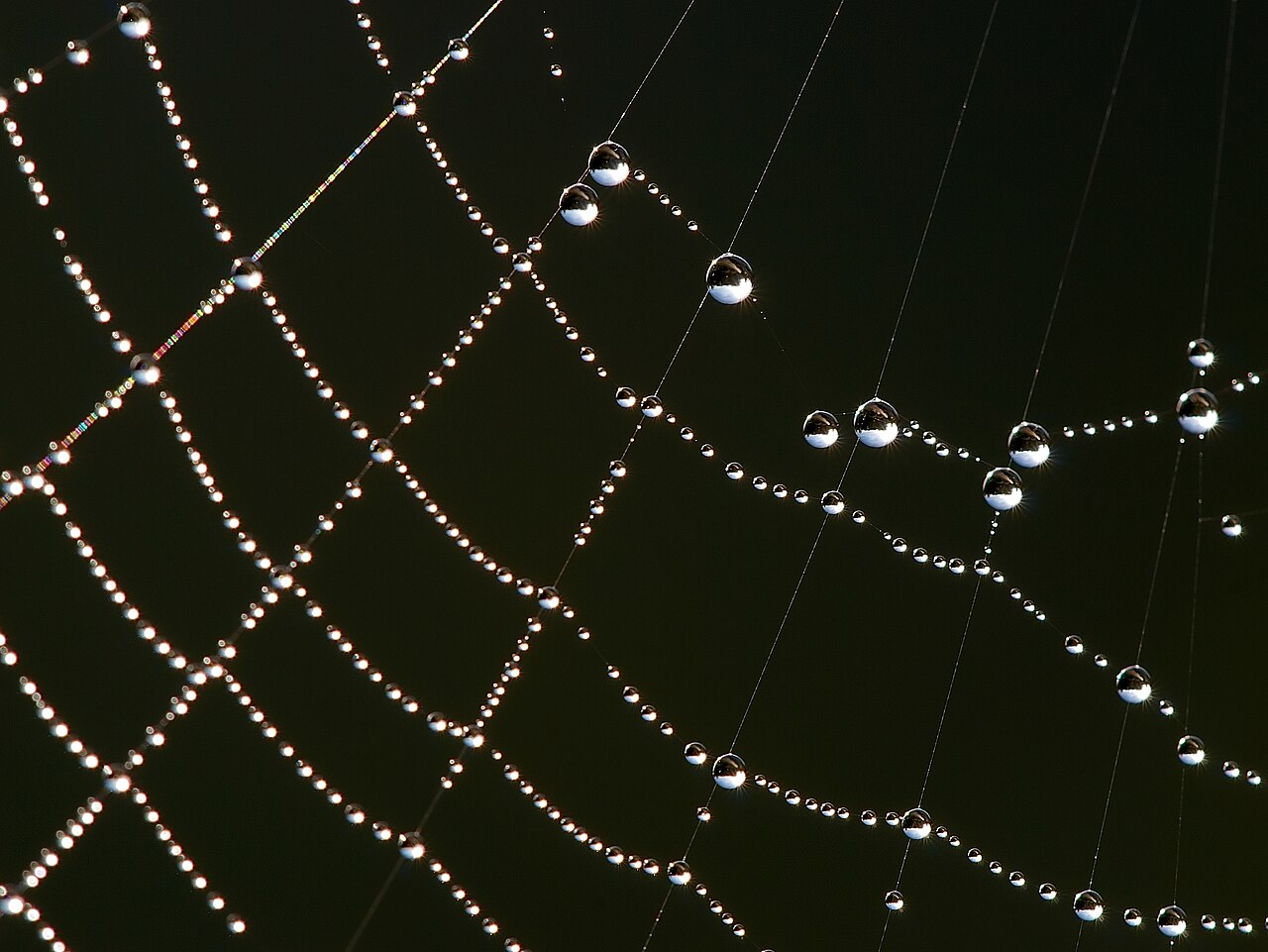
A spider web. An intact web is the most positive spider image in the tradition: structure, patience, a design that holds. Walking into one unseen flips the reading toward obligations you did not notice taking shape around you.
A giant spider. Scale is read as avoidance. A spider the size of a room is taken to mean a fear or a conversation that grew because it was postponed, not because the threat itself grew.
Black, white and red spiders. Color carries conventional weight: black for something hidden or unspoken, white for clarity and sometimes a blessing, red for anger or a warning. Real species like a black and yellow spider or a banana spider often supply the image you carry from the garden.
Killing a spider. Usually read as deliberately ending something: a plan, a connection, a habit. Several traditions add that killing a spider brings bad luck, so the reading mixes resolve with regret.
Spiders everywhere, or the dream repeating. A dream that returns is treated as unfinished business in most schools of interpretation, and many spiders at once as scattered obligations, each small and each holding a thread.
What Does the Bible Say About Spider Dreams?
The Bible never interprets spider dreams. Spiders appear only a few times, and the recurring image is fragility: Job describes the hope of the godless as a spider’s web, and Isaiah uses spun webs for work that cannot cover anyone. Proverbs notes the spider in the king’s palace as small persistence.
Christian dream interpretation builds on those passages rather than on a dream text. In that reading a web stands for self made security that will not hold, a spider for quiet diligence, and a bite for deception that calls for discernment. Interpreters stress testing any dream against scripture rather than treating it as a message on its own.
Spider Symbolism in Other Traditions
These are beliefs held within specific cultures, not universal meanings. In Lakota tradition Iktomi is a spider trickster whose stories teach by showing bad choices. In Navajo tradition Spider Woman taught weaving, and the spider is treated with respect for that reason. In both cases the spider belongs to a body of teaching, not to a dream dictionary.
Celtic folklore connects the spider to weaving and fate, and a spider in the house was commonly counted as luck and money. In West African and Caribbean tradition Anansi is a spider who wins through wit. Chinese and Japanese folklore holds that a spider seen in the morning brings good fortune while one seen at night does not.
Spider as a Spirit Animal, Totem and Omen
In contemporary spirit animal writing the spider is described as a guide for patience, creativity and boundaries, the animal you work with while making something slowly. As a totem it is said to mark people who build networks and prefer to wait rather than chase.
As an omen the reading depends on the setting. A spider descending toward you is widely treated as news arriving, one at the door as a visitor, one in the bedroom as something unsaid at home. If other animals turn up in your dreams, the same scene logic applies to snake dream meaning, rat dream meaning and birds in dreams. For what spiders actually do when they are not symbols, the Smithsonian Institution is a good starting point.
Related reading: Crocodile Dream Meaning.
Frequently Asked Questions
Why do I see spiders in my dreams?
Most often because something in waking life has many connected parts: a project, a family situation, a workload. Dream researchers link recurring images to whatever the mind rehearses most, and spiders are a common fear image, so they surface easily. A daytime encounter with a bold jumping spider can also supply the picture.
Is seeing a spider a good or bad omen?
It depends entirely on the tradition. Celtic and East Asian folklore treat a spider in the home as luck and money, while other traditions read it as a warning or as something hidden. No single answer holds across cultures, and none of them is a prediction.
What do spiders mean prophetically?
In Christian prophetic writing spiders are read two ways: patient, quiet work that produces something lasting, and a web as fragile false security or a trap set by deception. Interpreters consistently advise weighing such a dream against scripture and counsel rather than acting on it directly.
What dreams should you never ignore?
Dreams that repeat, dreams that wake you with strong fear, and dreams that name a real decision you are avoiding. Interpretation aside, those three reliably point at something unresolved. Repeated nightmares that cost you sleep are worth raising with a doctor.