Crested Gecko Lifespan: How Long They Live and Why
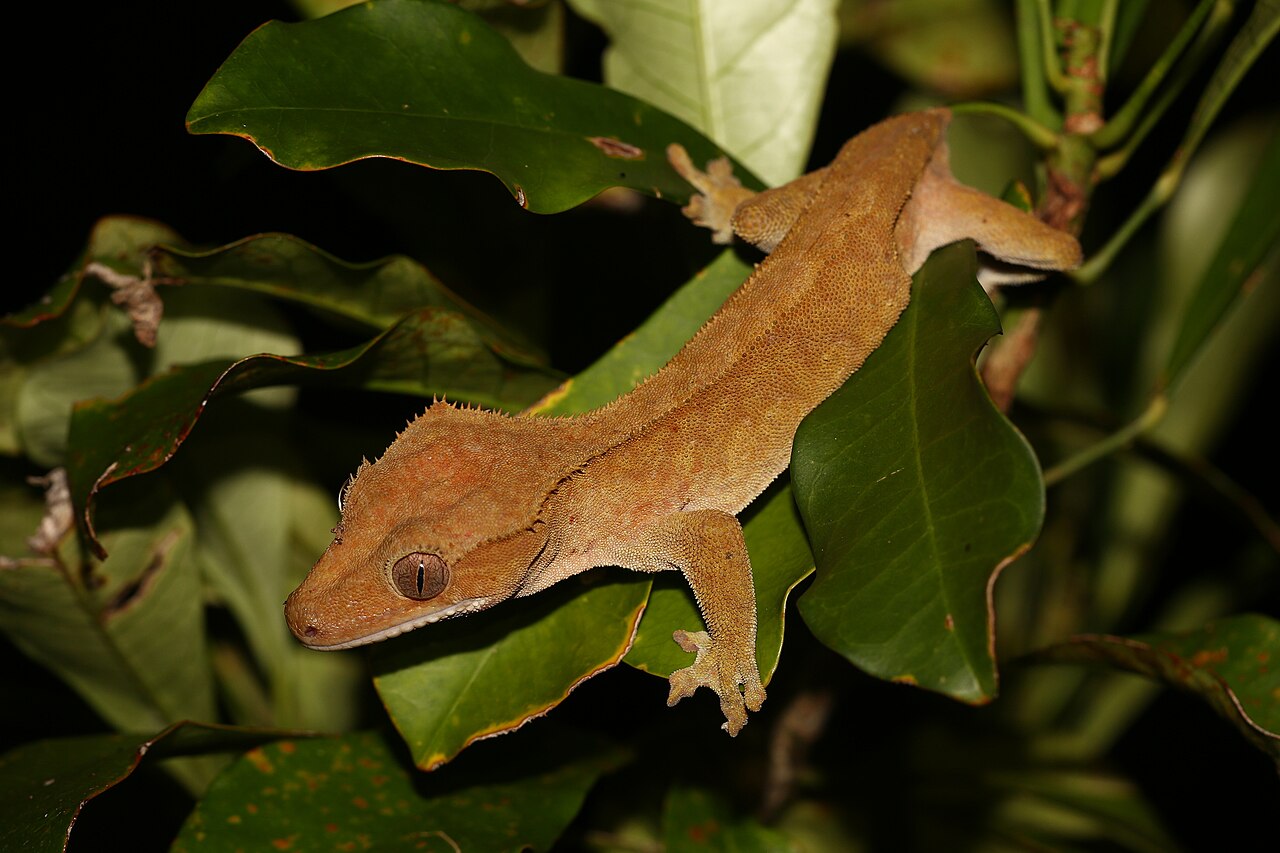
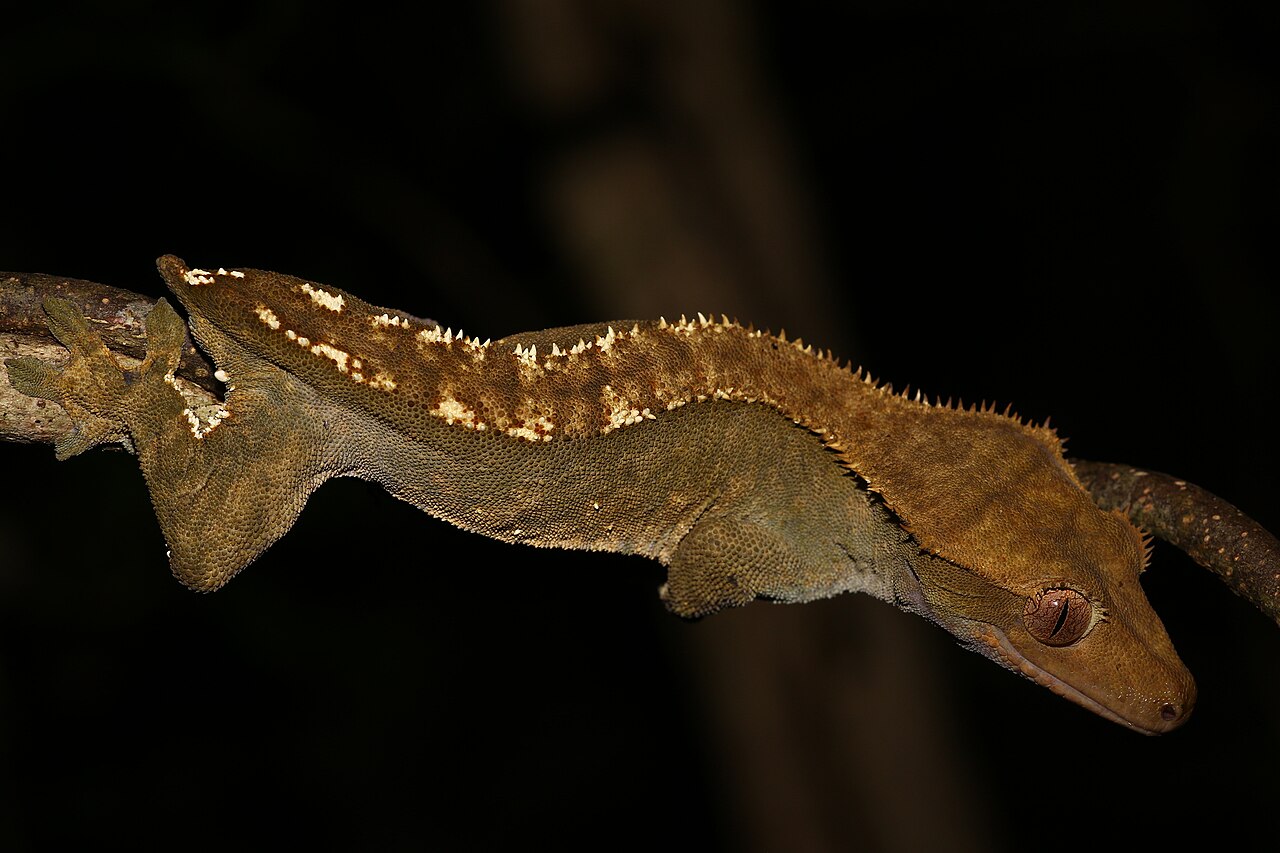
Crested geckos live 15 to 20 years in captivity, and well-kept individuals regularly pass 20 with documented animals reaching 25 and beyond. That makes them one of the longest-lived small reptiles in the pet trade, and it means acquiring one is a commitment closer to a parrot than to a hamster.
The single biggest threat to that lifespan is heat. Crested geckos come from a cool cloud-forest climate and temperatures above roughly 82 F cause stress that becomes fatal surprisingly quickly, which is the opposite of what most reptile keepers expect. This guide covers what actually determines how long a crested gecko lives, the health problems that cut it short, how the species was rediscovered after being presumed extinct, and how to give one its full span.
| Quick Facts | Crested Gecko Lifespan |
|---|---|
| Typical captive lifespan | 15 to 20 years |
| Documented maximum | Over 25 years |
| Wild lifespan | Unknown, believed shorter |
| Adult size reached | 12 to 18 months |
| Ideal temperature | 72 to 78 F, never above 82 F |
| Biggest lifespan risks | Overheating, metabolic bone disease, impaction |
How Long Do Crested Geckos Live?
Fifteen to twenty years is the standard figure for a well-kept captive animal, and it is realistic rather than optimistic. Because the species only entered the pet trade in the mid-1990s, the true ceiling is still being established, and animals from the earliest captive generations are only now reaching the end of their lives.
Reports of individuals passing 25 years are credible and increasingly common, and some keepers with animals from the first breeding waves report geckos still healthy at similar ages. As husbandry standards have improved, so has the expected span.
Wild lifespan is genuinely unknown. The species lives in a restricted range in New Caledonia, wild populations are difficult to study, and no long-term mark-recapture data exists. Predation, parasites, and food scarcity almost certainly make wild lives shorter than captive ones, which is the usual pattern for small reptiles. Our guide to the crested gecko covers the species and its general care in full.
The Rediscovery That Almost Did Not Happen
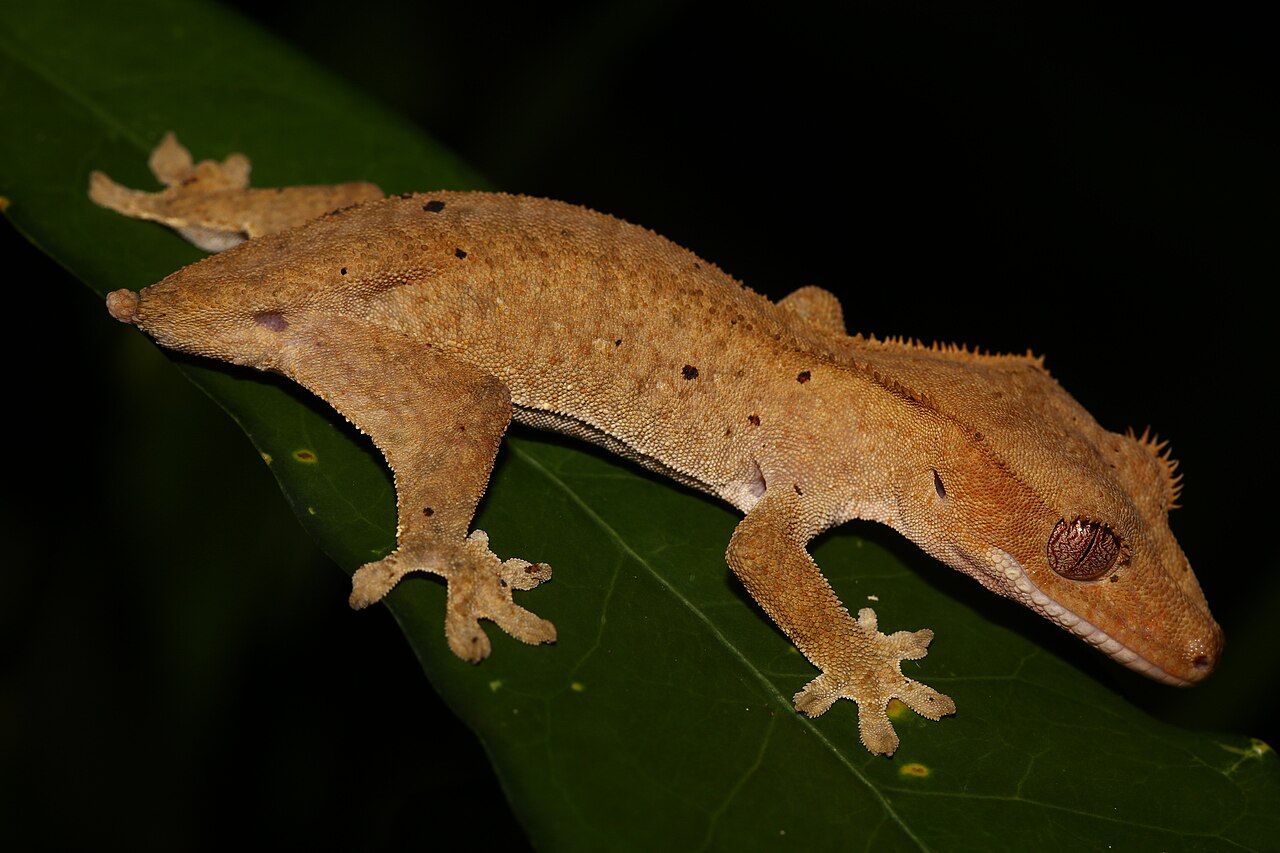
The species has an unusual history worth knowing. Crested geckos were described scientifically in 1866 and then effectively vanished from the record, with no confirmed sightings for over a century, and by the second half of the twentieth century they were widely presumed extinct.
In 1994 an expedition to New Caledonia relocated them following a tropical storm, and the rediscovery changed the reptile hobby. A small number of animals were legally exported before New Caledonia closed the trade, and every crested gecko in captivity today descends from that founding stock.
That history has two consequences. The captive population is entirely closed, so no new wild genetics enter the hobby, and the species is protected in its native range where collection and export are prohibited. It also means the long-term captive lifespan data everyone wants simply did not exist until recently, since the hobby is barely thirty years old.
Temperature: The Silent Killer
This is the factor that shortens more crested gecko lives than any other, and it catches out keepers coming from other reptiles. Crested geckos evolved in cool humid forest and thrive at 72 to 78 F, with a drop into the mid 60s at night being beneficial rather than harmful.
Above about 82 F they become stressed, and sustained exposure above roughly 85 F is dangerous. Heat stress causes appetite loss, lethargy, and eventually organ damage, and unlike a desert species a crested gecko has no behavioral escape in a small enclosure with a uniform temperature.
The practical implications run against standard reptile advice. Most crested geckos need no supplemental heat at all in a normally heated home, heat lamps and mats are frequently unnecessary and sometimes lethal, and the real summer risk is a room that climbs into the high 80s during a heat wave. A digital thermometer at enclosure height is a better investment than any heating equipment, and a keeper in a warm climate should plan cooling rather than heating.
Metabolic Bone Disease
Metabolic bone disease is the second major lifespan limiter and it is entirely preventable. It develops when calcium intake is insufficient relative to phosphorus, or when the animal cannot process calcium properly, so the body draws calcium from bone to maintain blood levels.
The signs develop gradually and are easy to miss early. A kinked or wavy tail, a soft or rubbery lower jaw, bowed limbs, tremors, difficulty climbing, and lethargy all point to it, and by the time a keeper notices structural changes the damage is often permanent.
Prevention runs on three things. Feed a quality complete crested gecko diet rather than fruit and insects alone, since these powdered diets are formulated with the correct calcium to phosphorus ratio. Provide a small dish of calcium without vitamin D3 for the animal to self-supplement. And provide low-level UVB lighting, which is no longer considered optional by most current guidance despite older advice that crested geckos do fine without it. Our guide to whether bearded dragons can eat grapes explains the same mineral ratio problem in a species where it is even more acute.
Impaction and Other Preventable Deaths
Impaction kills geckos that swallow substrate, and it is a husbandry choice rather than bad luck. Loose particulate substrates including sand, small bark chips, and coconut fiber can be ingested during feeding, and a blockage in a small animal is frequently fatal.
The safest arrangement for young geckos is paper towel, which is unattractive but eliminates the risk entirely. Adults on bioactive setups with proper drainage layers and a mature clean-up crew are at much lower risk, and feeding from a dish rather than scattering insects removes most of the remaining exposure.
Two other preventable problems deserve mention. Floppy tail syndrome, in which the tail falls over the head while the gecko rests vertically, is associated with calcium deficiency and inadequate horizontal resting surfaces. And escape is a genuine mortality cause, since these are small agile climbers, a loose lid is all it takes, and a gecko loose in a house usually dies of dehydration behind furniture.
Diet Across a Lifetime
Modern husbandry has simplified feeding enormously and improved lifespans in the process. Commercial crested gecko diets, sold as powders mixed with water, are complete foods formulated with correct calcium levels, and a gecko can live its whole life on a good one.
Insects supplement rather than replace it. Appropriately sized crickets, dubia roaches, and black soldier fly larvae, dusted with calcium and offered once or twice a week, provide enrichment and variety, and many keepers find animals more active and better conditioned with them included. Gut-loading feeders matters, as our guide to what crickets eat explains.
Fruit is where keepers go wrong. Fresh fruit is popular with geckos and poor nutritionally, with an unfavorable calcium to phosphorus ratio and high sugar, and a diet built around it produces exactly the metabolic bone disease described above. Baby food and mashed fruit should be occasional treats at most. Feeding frequency drops with age, from every day or two for juveniles to three times a week for adults.
Breeding and Female Lifespan
Breeding shortens lives, and this is worth understanding before pairing animals. A female crested gecko can lay two eggs every four to six weeks through a long season, and each clutch draws heavily on calcium and energy reserves.
Females bred continuously without adequate rest periods and calcium support commonly develop metabolic bone disease, become egg bound, or simply decline, and heavily bred females frequently do not reach the lifespans that non-breeding animals do. Responsible breeders give females a season off and monitor weight closely.
Females also lay infertile eggs without any male present, which surprises new keepers. A lone female may produce clutches on her own schedule, and she needs the same calcium support and a suitable lay box even if breeding was never intended. Males live longer on average simply because they carry none of this cost.
How to Tell a Gecko’s Age
There is no reliable way to determine the age of an adult crested gecko, which is worth knowing when buying a second-hand animal. Reptiles do not show age in the obvious ways mammals do, and a healthy eight-year-old looks much like a healthy two-year-old.
Size only helps up to a point. Hatchlings emerge around 3 g and reach adult weight of 35 to 55 g at roughly 12 to 18 months, so weight distinguishes juveniles from adults but tells you nothing once an animal is mature.
Older individuals sometimes show subtle changes, including duller coloration, reduced climbing activity, slower feeding response, and accumulated cosmetic damage such as missing toe tips or a dropped tail. None of these is diagnostic, since a dropped tail can happen at any age and crested geckos never regrow them. Buying from a breeder who can supply a hatch date is the only way to know.
Maximizing Your Gecko’s Lifespan
Temperature control comes first and matters more than anything else. Keep the enclosure at 72 to 78 F, monitor it at the height the animal rests, and have a plan for summer heat waves, whether that means air conditioning, a cooler room, or a fan.
Then the fundamentals. Feed a complete commercial diet as the base, provide calcium without D3 free choice, add low-level UVB, maintain humidity around 60 to 80 percent with good ventilation and a daily drying cycle, use safe substrate, and provide plenty of vertical climbing structure and hiding places.
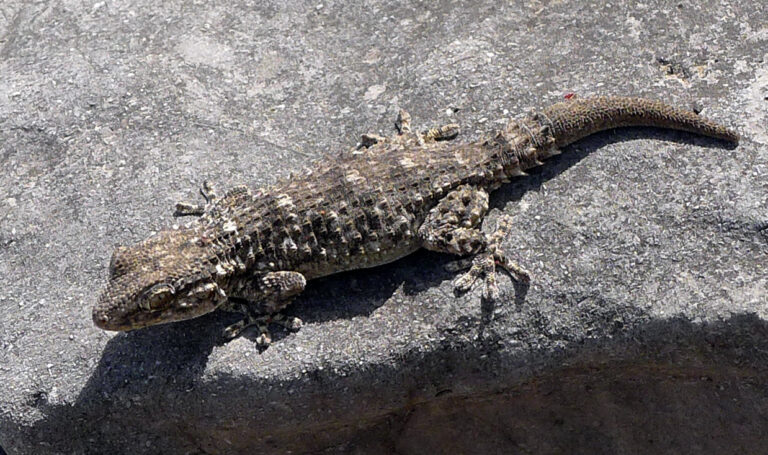
Finally, handle less than you want to. Crested geckos tolerate handling but do not need or enjoy it, and stress has cumulative health costs, so short sessions a few times a week are plenty. Find a veterinarian experienced with reptiles before you need one, weigh the animal monthly and record it, since steady weight loss is the earliest general warning sign, and treat any change in appetite, posture, or activity as worth investigating rather than waiting. Anyone comparing long-lived reptile options will find useful contrast in our guides to the Mediterranean house gecko and to what lizards eat.
Related reading: Crested Gecko Food.
Related reading: Sulcata Tortoise Lifespan.
Frequently Asked Questions
How long do crested geckos live?
Fifteen to twenty years in captivity is standard, with documented individuals passing 25. Because the species only entered the pet trade in the mid-1990s, the true maximum is still being established. Wild lifespan is unknown but believed shorter.
What shortens a crested gecko’s life most?
Heat. They evolved in cool cloud forest and need 72 to 78 F, becoming stressed above 82 F and at serious risk above 85 F. Most crested geckos need no supplemental heat at all, and summer heat waves are the main danger.
Do crested geckos need UVB to live long?
Current guidance favors low-level UVB, despite older advice that they do fine without it. Combined with a complete commercial diet and free-choice calcium without D3, it substantially reduces the risk of metabolic bone disease, which is a leading preventable cause of early death.
Can you tell how old a crested gecko is?
Not reliably once it is adult. Weight distinguishes juveniles from adults, since hatchlings start around 3 g and reach 35 to 55 g by 12 to 18 months, but a healthy eight-year-old looks like a healthy two-year-old. Buy from a breeder who supplies a hatch date.
Does breeding shorten a female’s lifespan?
Yes. Each clutch of two eggs draws heavily on calcium and energy, and females bred continuously without rest seasons commonly develop metabolic bone disease or become egg bound. Females also lay infertile eggs without a male present and need the same calcium support.
What should I feed a crested gecko for a long life?
A quality commercial crested gecko diet as the base, since these are formulated with correct calcium to phosphorus ratios, supplemented with dusted insects once or twice weekly. Fresh fruit should be an occasional treat, because its mineral ratio and sugar content promote bone disease.
Why are crested geckos all descended from one group?
Because the species was presumed extinct for over a century until it was relocated in New Caledonia in 1994. A small number of animals were legally exported before the trade closed, and every captive crested gecko today descends from that founding stock.