Crested Gecko Food: What to Feed, How Much and How Often
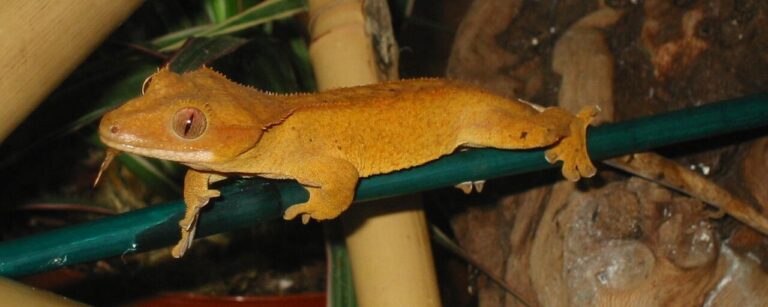
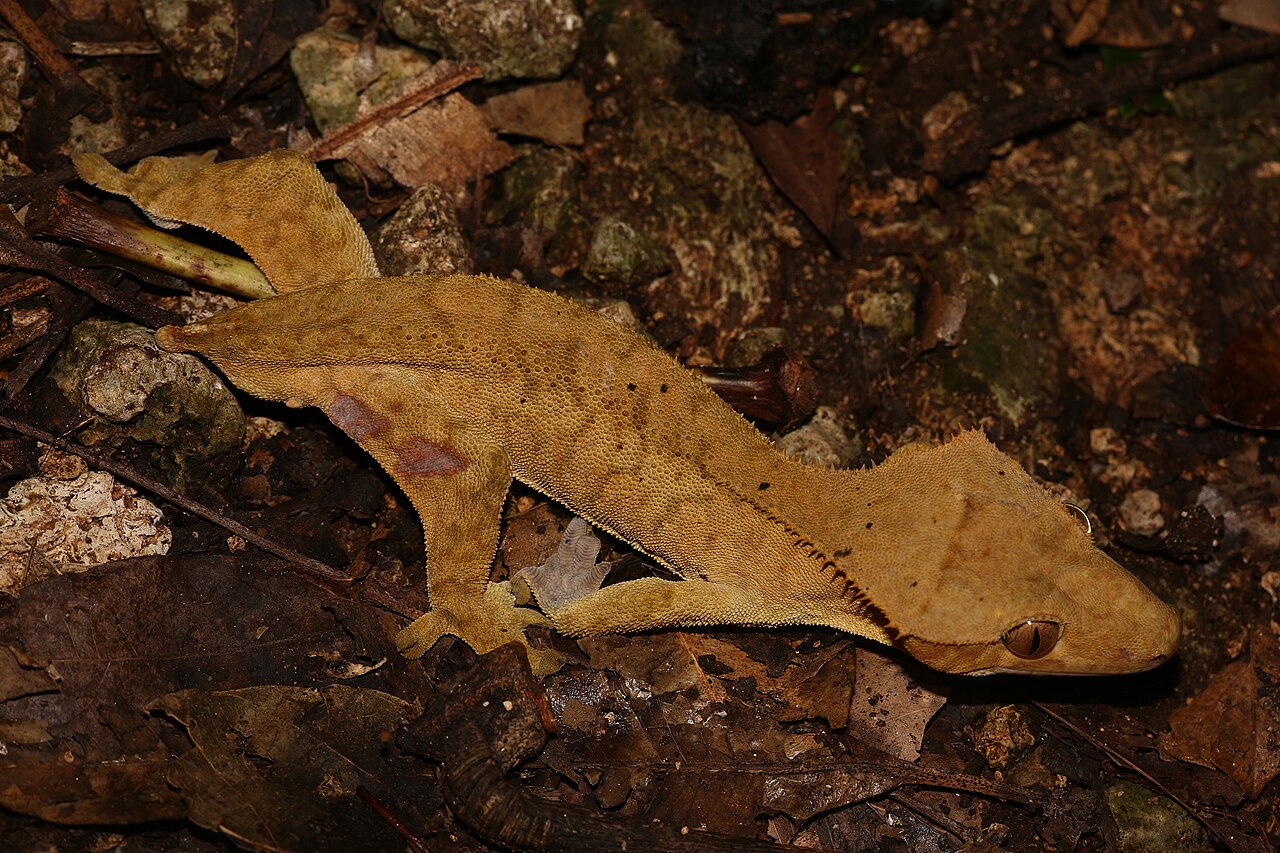
The core of a crested gecko food plan is a powdered complete diet mixed with water, offered three times a week, with insects as an optional extra. Crested geckos (Correlophus ciliatus) are frugivores that also take insects in the wild, and the commercial powders sold since the early 2000s were built to replace the fruit and insect mix keepers used to improvise. A gecko raised on a quality complete diet alone will live a full life.
That simplicity is what makes this species a good first reptile, and it is also where most beginners go wrong, usually by adding fruit baby food, feeding insects too often, or skipping calcium. This guide covers portions by age, brand differences, which fruits are safe, how often insects belong in the rotation, and the short list of foods that cause real harm.
Feed adult crested geckos a powdered complete diet such as Pangea, Repashy or Zoo Med, mixed two parts water to one part powder, three times per week in a shallow ledge dish. Offer gut loaded crickets or dubia roaches once a week as an optional supplement. Remove uneaten food after 24 to 36 hours.
What Is the Best Thing to Feed a Crested Gecko?
A commercial complete diet is the best thing to feed a crested gecko, and no other single food comes close. These powders combine fruit solids, insect or whey protein, calcium, vitamin D3 and trace minerals in ratios matched to the species, so one food covers every requirement without calculation on your part.
The alternative that keepers used before these products existed was a mash of mashed fruit, calcium powder and live insects, which worked but produced metabolic bone disease at a discouraging rate. Fruit alone is far too low in calcium and far too high in sugar relative to what a small arboreal lizard needs.
If you keep a single gecko, one bag of complete diet lasts months and costs less than the insects you would otherwise buy. Everything else on the menu, including live prey and fresh fruit, is enrichment layered on top of that base rather than a component the animal depends on.
Why the Powdered Complete Diet Comes First
The powders solve the calcium to phosphorus ratio problem, which is the single biggest nutritional failure in captive reptiles. Insects and fruit are both phosphorus heavy and calcium poor, and a diet stuck below a 1:1 ratio pulls calcium out of the skeleton and jaw over months.
Complete diets are formulated at roughly 2:1 calcium to phosphorus, which is where a growing gecko needs to sit. They also include vitamin D3, so a crested gecko kept without UVB still processes that calcium. Many keepers do add low output UVB, and there is reasonable evidence it improves activity and appetite, but the diet is what prevents deficiency.
Mix by volume, not by eye: two parts water to one part powder gives a ketchup-like consistency that a gecko can lap without getting it smeared across its face. Thinner mixes dry out and crust over within hours, and a crusted dish is a skipped meal. The general husbandry background for the species is covered in our complete crested gecko care guide.
What Is the Best Brand of Food for Crested Geckos?
Pangea, Repashy and Zoo Med are the three brands keepers actually rely on in the United States, and all three are nutritionally adequate. The differences are palatability and protein source rather than safety, so brand loyalty matters less than consistency and freshness.
Pangea uses whole fruit and either insect or whey protein depending on the formula, and picky geckos usually accept the banana and apple blends first. Repashy offers the widest range of flavors and is the most common choice for large collections. Zoo Med sits at a lower price point and is stocked by most chain pet stores, which matters when you run out on a Sunday.
Rotate two flavors rather than five. Geckos develop preferences and a keeper who keeps switching to chase a refusal ends up with six open bags going stale. Sealed powder keeps about a year, opened powder about six months, and the freezer extends both if the bag is airtight.
How Much and How Often to Feed
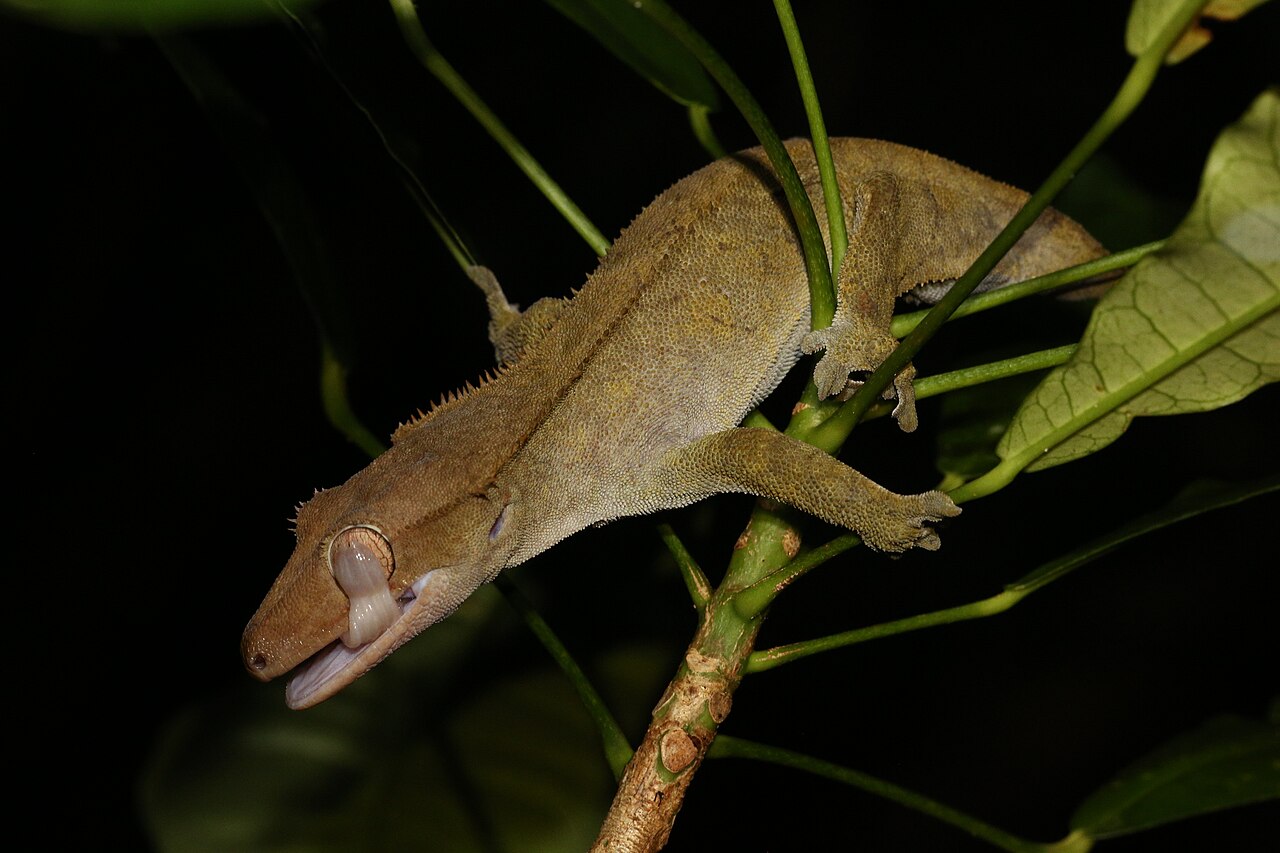
Adults eat three times a week, juveniles every other day, and hatchlings daily. Portion size is easier than it sounds: fill a shallow ledge dish about a quarter inch deep, which for an adult works out to roughly one teaspoon of mixed diet per feeding.
A crested gecko will not eat the whole portion in one sitting. They feed at night in small licks across several hours, so the dish needs to stay wet and available overnight. Serve in the evening around the time the room lights go off, which matches their nocturnal activity window.
Remove and wash the dish after 24 to 36 hours. Mixed diet grows mold faster in a humid enclosure than most keepers expect, and a fuzzy dish left through a second night is a common cause of a sudden appetite drop. Two dishes on rotation make this painless.
Crested Gecko Food Chart by Age
Feeding frequency drops as growth slows, and the shift from daily to every other day usually happens around four months. Weight, not age, is the better trigger: once a gecko passes about 15 g and growth flattens, move it onto the adult schedule.
| Age or weight | Complete diet | Insects | Portion | Notes |
|---|---|---|---|---|
| Hatchling, 0 to 3 g | Daily | None until 3 weeks | 1/4 tsp | Expect no feeding for the first 3 to 5 days |
| Juvenile, 3 to 15 g | Every other day | 1 to 2 times weekly | 1/2 tsp | Insects sized to the gap between the eyes |
| Subadult, 15 to 35 g | 3 times weekly | Once weekly | 1 tsp | Growth slows noticeably |
| Adult, 35 g and up | 3 times weekly | Once weekly, optional | 1 tsp | Watch for obesity in males |
| Gravid female | Every other day | Twice weekly | 1 tsp | Extra calcium without D3 in the enclosure |
| Recovering or underweight | Daily | Twice weekly | 1 tsp | Weigh weekly on a gram scale |
Can Crested Geckos Eat Fruit?
Yes, crested geckos can eat fruit, but only as an occasional treat of a teaspoon or less, once or twice a month. Mango, papaya, fig, banana and berries are the safe options, mashed and offered fresh. These are the fruits that show up in the wild diet of related New Caledonian geckos, so the appeal is genuine.
The problem is that fruit displaces the complete diet without replacing its nutrition. A gecko that learns fresh mango is on the menu often starts refusing the powder, and a keeper who gives in ends up with a calcium deficient animal within a season. Feed fruit after the regular diet, not instead of it.
Avoid citrus, which is too acidic, and avoid anything from the high oxalate group including rhubarb and starfruit. Canned fruit, dried fruit and fruit baby food with added sugar or preservatives all stay out. If it has a label listing sugar, it is not gecko food.
Insects: Crickets, Dubia Roaches and Mealworms
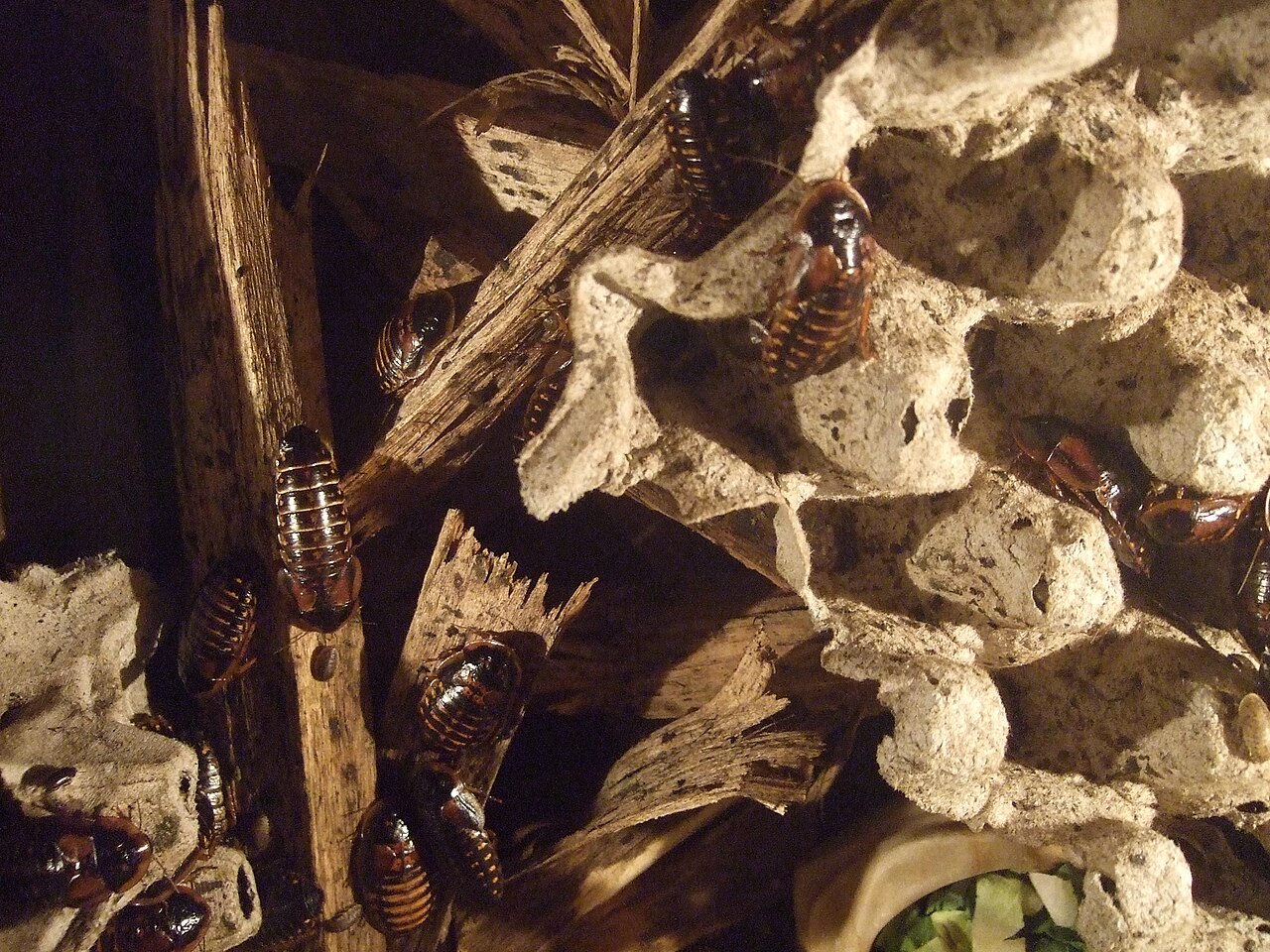
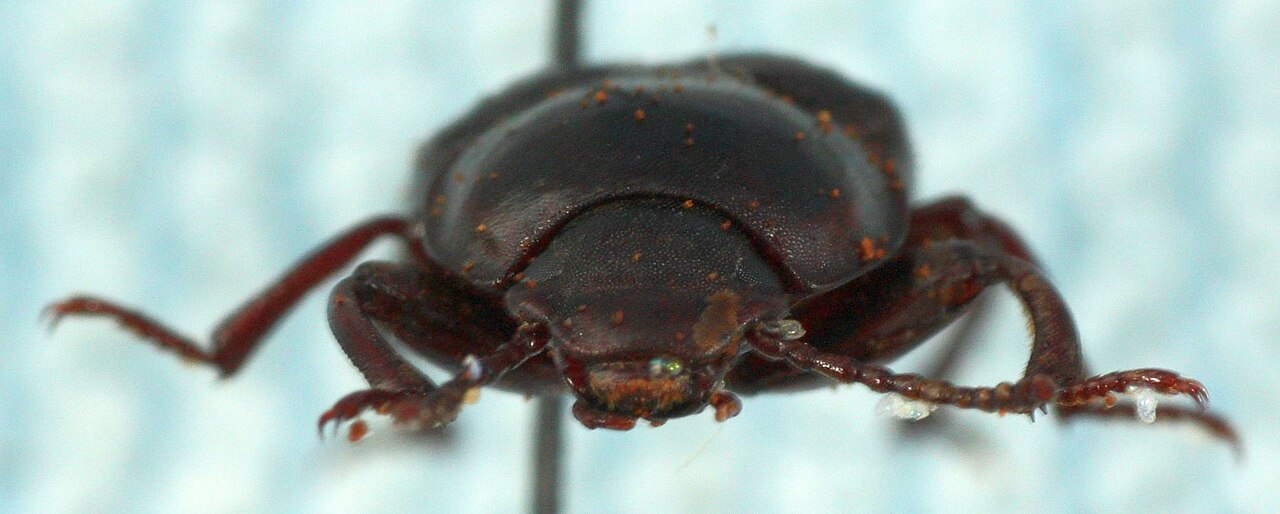
Live insects are a supplement, not a requirement, and once a week is plenty for an adult. Dubia roaches (Blaptica dubia) are the best choice on nutrition, since they carry more protein and less chitin than crickets and cannot climb smooth glass or infest a room. Banded or house crickets are the most available option and work fine.
Mealworms (Tenebrio molitor) are the weakest of the three because the hard exoskeleton is difficult to digest and the fat content is high. Use them as an occasional treat rather than a staple. Waxworms belong in the same category, useful for tempting a gecko back onto food and nothing else.
Two steps make insects worth feeding. Gut load them for 24 to 48 hours on leafy greens, carrot and a commercial gut load, then dust with calcium powder immediately before offering. An undusted, unloaded cricket is close to nutritionally empty. Size every insect to no wider than the space between the gecko’s eyes.
How to Make Homemade Gecko Food
Homemade crested gecko food is possible but rarely advisable, because matching the calcium to phosphorus ratio at home takes a scale and a nutrition table. If you want to try, the working base is mashed fruit at roughly 70 percent, insect protein powder at 20 percent, and a calcium plus multivitamin supplement at 10 percent by weight.
Practical mixes use two parts mango or papaya, one part banana, a spoon of unsweetened natural applesauce, a measured amount of powdered black soldier fly larvae or bee pollen for protein, and calcium carbonate with D3. Blend to a thick nectar and refrigerate for no more than 48 hours.
Use this as an occasional novelty rather than a replacement. The commercial powders were tested across multiple generations of geckos, and a homemade mix simply cannot claim that. If cost is the reason for considering it, the powdered diets still come out cheaper per feeding than a fresh fruit rotation. Coloring and additives deserve the same caution here as in dyed hummingbird nectar, where an unnecessary ingredient became a decades long argument.
What Not to Feed Crested Geckos
Avocado, rhubarb, citrus, onion, garlic, chocolate, dairy, insects caught outdoors, fireflies, and any human processed food are the real dangers. Fireflies are the most serious of these: the lucibufagin compounds that make them glow are lethal to small lizards, and a single one can kill a crested gecko.
Wild caught insects carry pesticide residue and parasites even when the species itself is harmless, so collect nothing from the yard. Baby food with added sugar, honey, or preservatives causes the same problem as candy would. Mealworms fed as a staple and fruit fed as a staple both belong on this list for the slower damage they cause.
Water matters as much as food. A shallow dish of clean water plus nightly misting covers hydration, and a dehydrated gecko goes off food before it shows any other symptom. Stuck shed around the toes is usually the first visible sign that humidity has been too low.
Calcium, D3 and the Dusting Schedule
If you feed only complete diet, you need no extra supplementation at all. The powder already contains calcium and D3 at the right ratio, and stacking more on top risks vitamin A and D3 toxicity, which is harder to treat than a deficiency.
Supplementation applies to insects. Dust them with plain calcium without D3 at most feedings, and use a calcium with D3 or a multivitamin roughly twice a month. Gravid and egg laying females benefit from a small lid of plain calcium carbonate left in the enclosure, which they will use on their own schedule.
The early warning signs of metabolic bone disease are a soft or rubbery lower jaw, kinked tail, tremors in the front limbs, and reluctance to climb. Caught early it is reversible. The Merck Veterinary Manual covers the clinical picture, and a reptile vet should confirm it rather than a forum. Lifespan in this species is long when husbandry holds, as our guide to crested gecko lifespan explains.
Can a Crested Gecko Go 3 Days Without Food?
Yes, a healthy adult crested gecko handles three days without food without difficulty, and many go a week or more during a seasonal slowdown. They are slow metabolism ectotherms with fat reserves in the tail and body, and the normal feeding schedule already has two day gaps built into it.
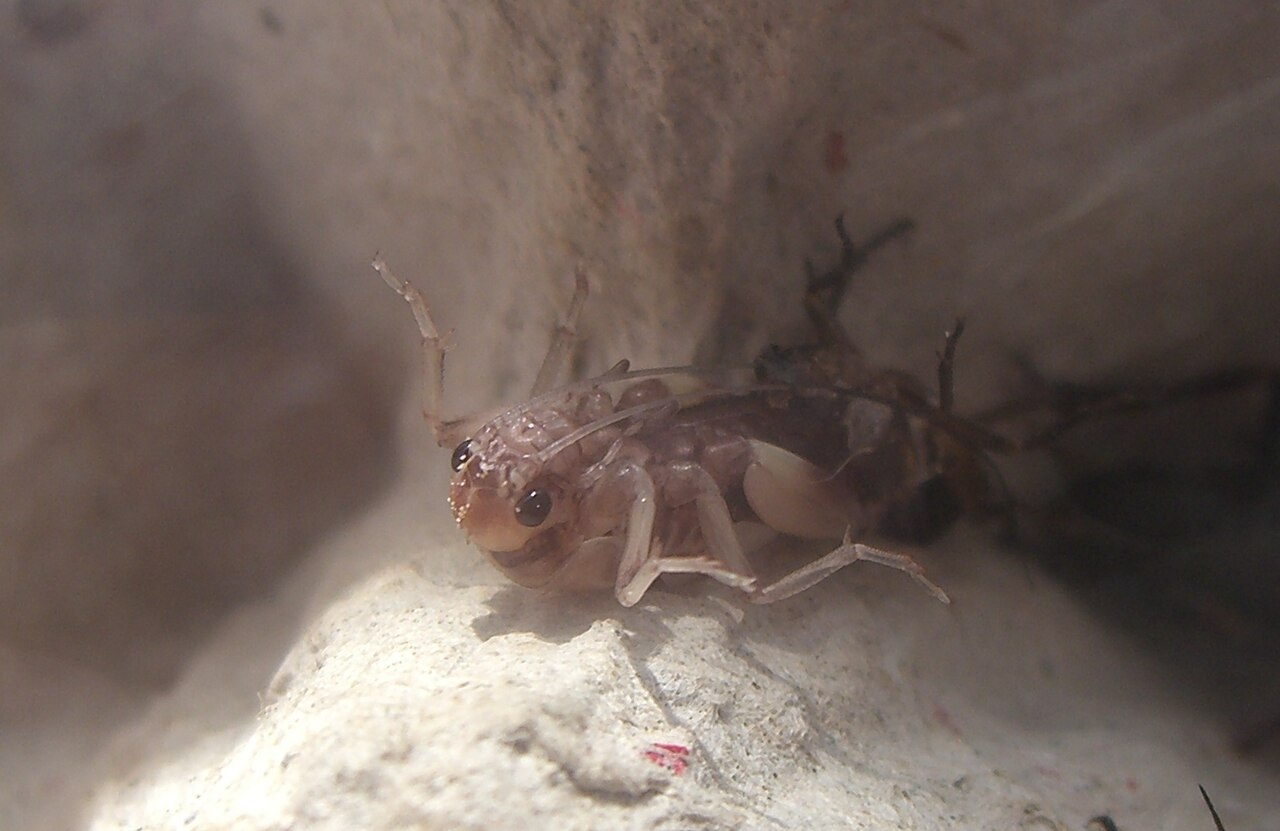
Refusing food for two to three weeks is still within normal for an adult during winter cooling, shedding, breeding season, or after a move to a new enclosure. Hatchlings are the exception: a hatchling that skips more than a few days needs attention, since it has almost no reserve.
Weight is the number that decides whether a fast is normal or a problem. Weigh weekly on a digital gram scale and act if an adult drops more than 10 percent. Temperature is a common hidden cause, since a gecko held below 68 F (20 C) slows down and stops feeding. Compare with how a baby leopard gecko handles the same situation, since terrestrial geckos have far less tolerance for a missed meal.
Signs Your Feeding Routine Is Off
Droppings tell you most of what you need. A healthy crested gecko produces a firm dark pellet with a white urate cap every one to three days. Runny stool follows too much fresh fruit, and chalky, hard urates point to dehydration rather than a food problem. Our guide to reading gecko droppings works through the variations.
A thinning tail base, visible hip bones, or a sagging appearance after handling all indicate underfeeding. The opposite problem shows up as fat pads behind the front legs and a sluggish refusal to climb, which is common in adult males fed daily out of habit.
Check the environment before changing the food. Temperature above 82 F (28 C), humidity stuck below 50 percent, an enclosure in a high traffic room, or a second gecko competing for the dish will all suppress appetite while the diet itself is fine. Geckos in general are sensitive to disturbance, as anyone who has watched a Mediterranean house gecko abandon a porch light knows.
Frequently Asked Questions
How cold is too cold for a crested gecko at night?
Below 65 F (18 C) is too cold for a sustained night drop, and below 60 F (16 C) becomes dangerous. A night range of 65 to 72 F (18 to 22 C) is ideal and actually beneficial. Daytime should stay between 72 and 78 F (22 to 26 C), since anything over 85 F (29 C) can be fatal within hours.
What stresses geckos out?
Frequent handling, an enclosure that is too bright or too open, a lack of vertical cover, high temperatures, a cage mate, and sudden vibration are the main stressors. A stressed crested gecko darkens its coloration, refuses food, hides at the bottom of the enclosure, and may drop its tail. Give a new animal two weeks with no handling at all.
What are the common causes of death in crested geckos?
Overheating, metabolic bone disease, impaction from loose substrate, dehydration and chronic stress account for most avoidable deaths in captivity. Overheating kills fastest, since a car ride or a sunny window can push an enclosure past 90 F (32 C) in under an hour. Metabolic bone disease is the slowest and the most preventable.
Do crested geckos need live insects at all?
No. A crested gecko fed a quality complete diet for its entire life will grow, breed and reach a normal lifespan without ever seeing a cricket. Insects add behavioral enrichment and a hunting outlet, which has value, but they are not a nutritional requirement in the way they are for insectivorous species.
Why is my crested gecko not eating its food?
Check the mix first, since powder that has dried into a crust is the most common answer. After that, work through temperature, a recent move, shedding, breeding season, and whether the dish is placed high enough. Crested geckos are arboreal and often refuse a bowl sitting on the floor of the enclosure.
Can crested geckos eat baby food?
Plain fruit baby food with no added sugar, starch, preservatives or dairy can be used as an occasional treat or to tempt a gecko that has gone off food. It is not a diet. Read the label carefully, because many fruit purees include ascorbic acid, citrus concentrate or added sugar that make them unsuitable.