Do Groundhogs Hibernate? 4 Months at 40 Degrees
Groundhogs are true hibernators that cool to about 40 F and beat 4 times a minute. When they den, when they emerge, and why Groundhog Day gets the biology wrong.

Groundhogs are true hibernators that cool to about 40 F and beat 4 times a minute. When they den, when they emerge, and why Groundhog Day gets the biology wrong.
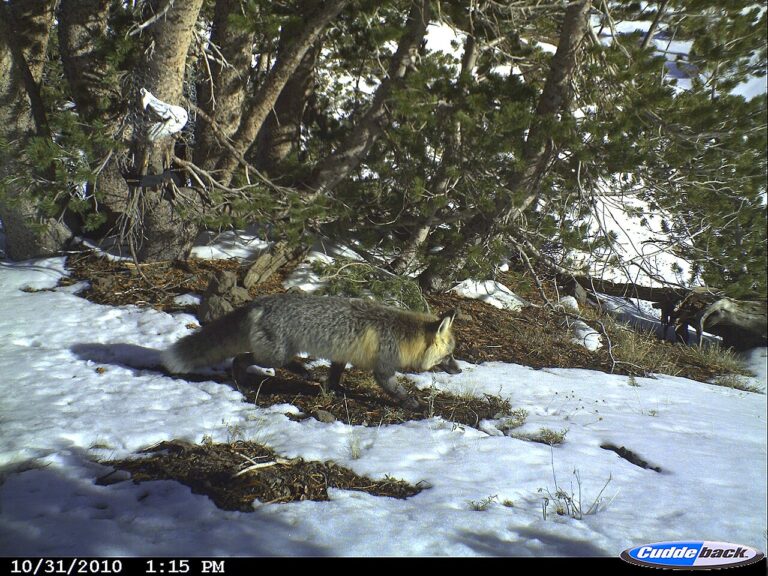
Wild foxes average 2 to 5 years while captive foxes reach 14, and the gap is almost entirely about what kills them. Species by species figures, causes of death, and the oldest fox on record.

Bears hibernate, but they stay warm enough to wake in minutes. Here is what happens to heart rate, body temperature, urine, and the fecal plug across five months underground.
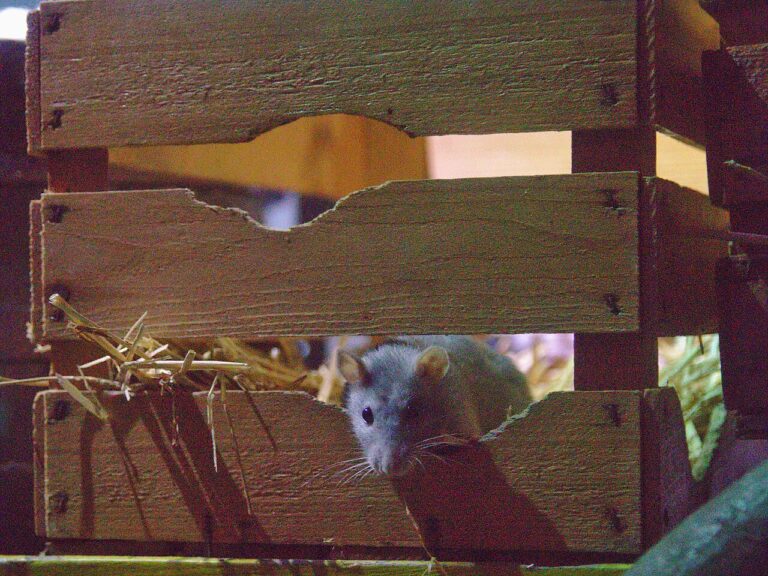
Pet rats live 2 to 3 years, wild rats rarely a full year. The numbers per rat type, what kills them, rat years in human years and the signs of the end.

A wolf howl is a regroup call and a border warning, not a cry at the moon. What it means, how far it travels, and how to tell it from a coyote in one listen.

Twelve true foxes live in the genus Vulpes, and about eleven more animals carry the name without belonging to it. Here is how to tell them apart, starting with the five that live in the US.

Coyotes are crepuscular, not nocturnal. Why city coyotes move only at night, what a daytime sighting really means, and when they are most active.
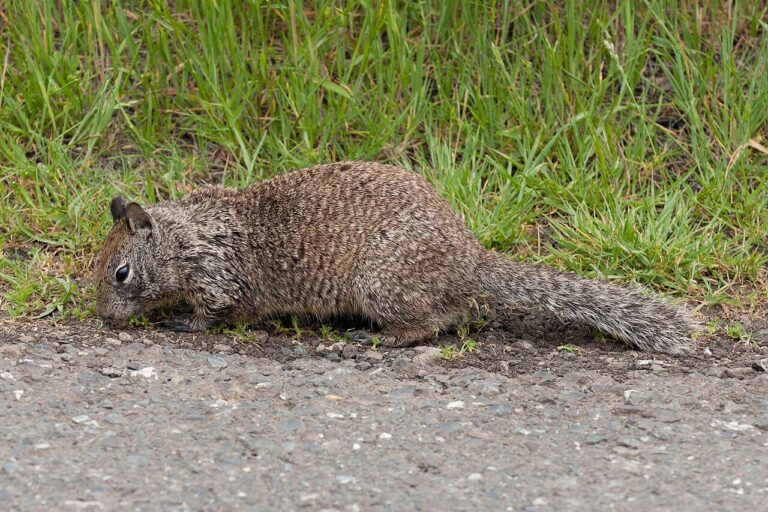
Tree, ground, and flying squirrels cover about 60 North American species. Here are the 12 you are most likely to see and the field mark that identifies each.

Two real species carry the name Japanese flying squirrel: the palm sized momonga and the cat sized musasabi. Here is how they differ, how far they glide, and why you cannot own one.

Every domestic rabbit belongs to one species, while North America holds about 15 wild ones. The breeds, the body types and how to tell them apart.