Are Deer Nocturnal? What the Activity Pattern Really Is
Deer are crepuscular, not nocturnal, but shift into darkness under hunting pressure within days. Where they bed by day, how well they see at night, and why they freeze.
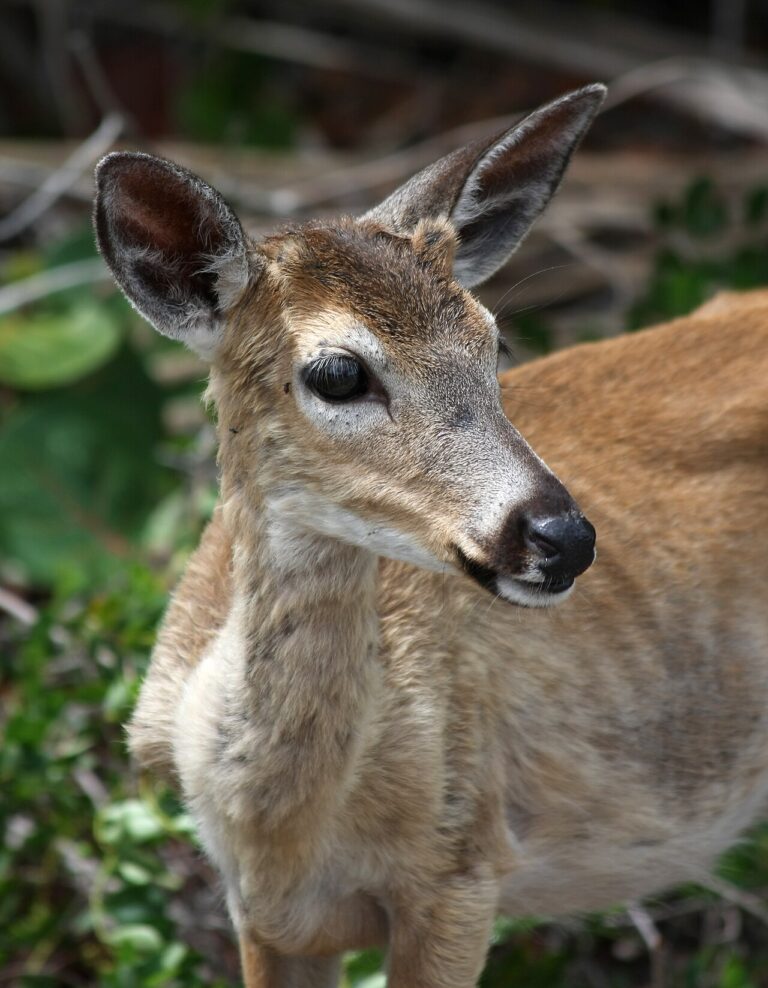
Deer are crepuscular, not nocturnal, but shift into darkness under hunting pressure within days. Where they bed by day, how well they see at night, and why they freeze.
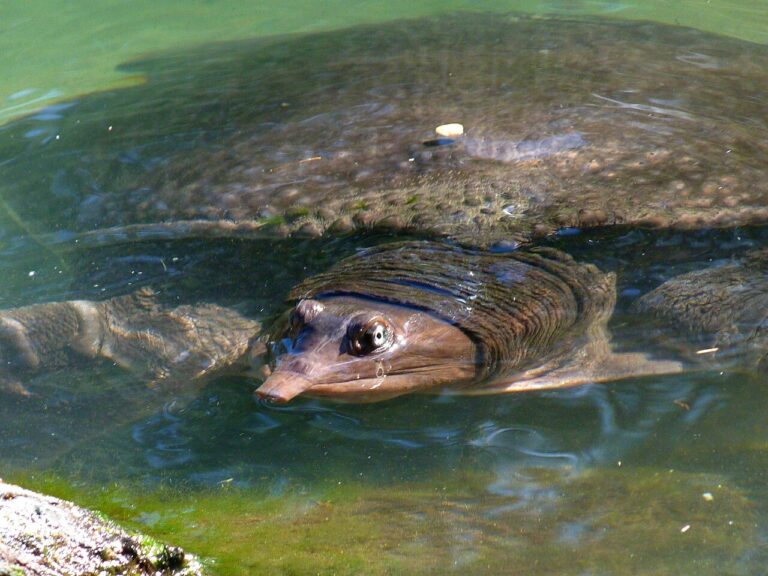
A flat leathery-shelled turtle with a snorkel snout and a neck that reaches halfway back along its own shell. Why there is no safe side grip, and whether you can keep one.
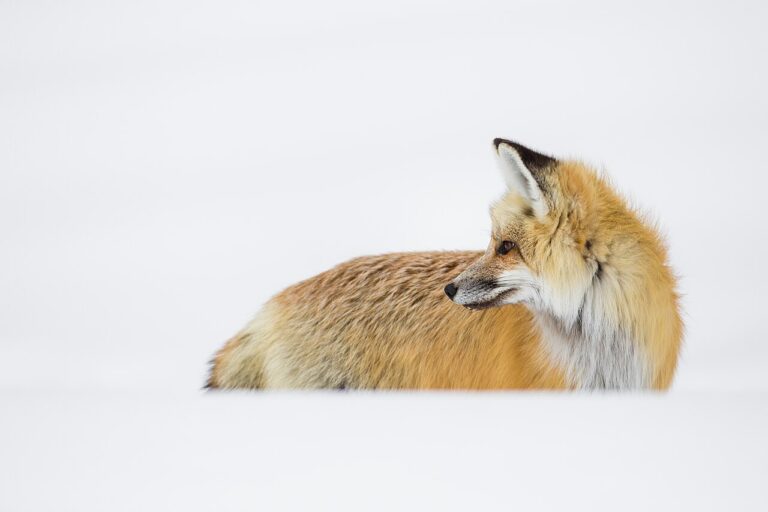
Rodents, rabbits, insects, berries, and scavenged scraps. Whether a fox threatens cats or dogs, what draws them to a yard, and why feeding them backfires.
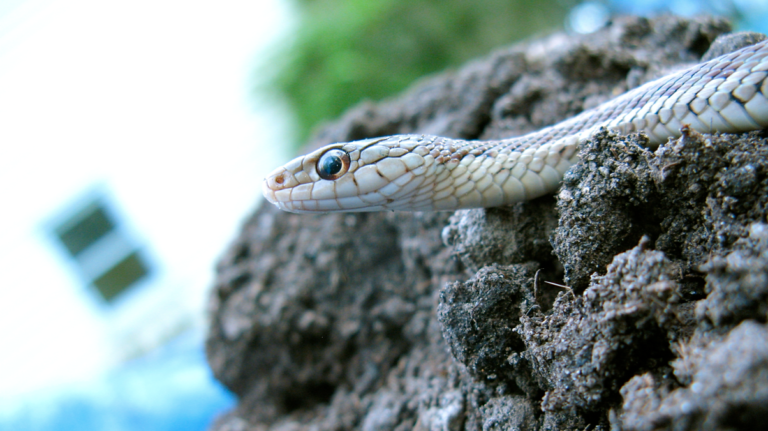
North America’s most common backyard snake, harmless to people despite mild saliva toxins. How to identify one, what it eats, and why it’s good for a garden.
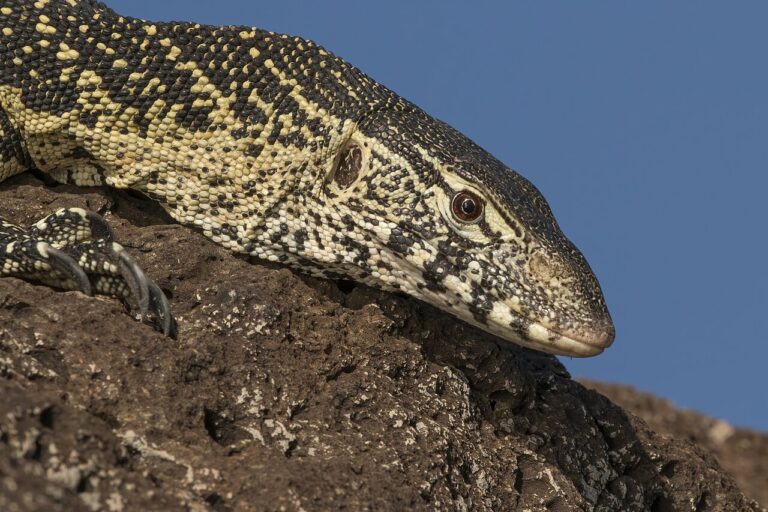
From small African species to the Komodo dragon. How venomous they really are, whether one makes a good pet, and how big they actually get.
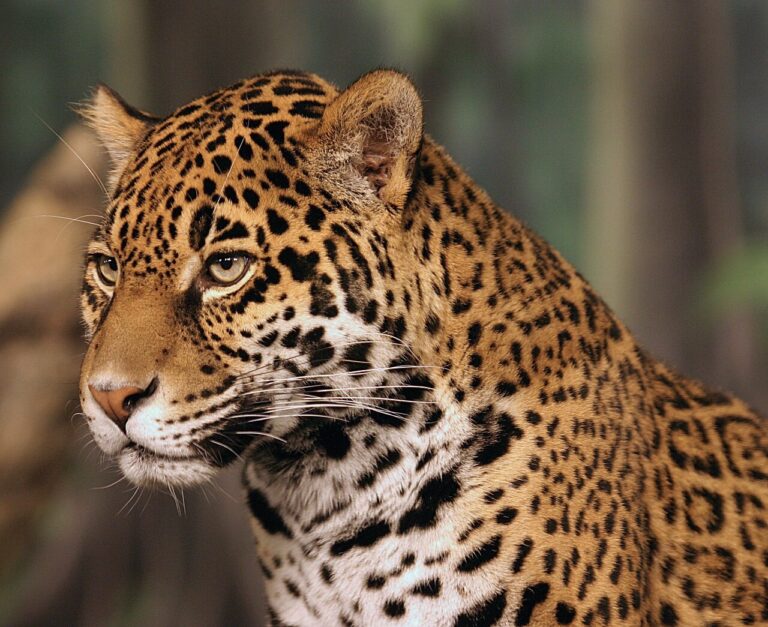
Never found in the same place, jaguars in the Americas, leopards in Africa and Asia. The rosette pattern, size, and bite force differences that actually separate them.
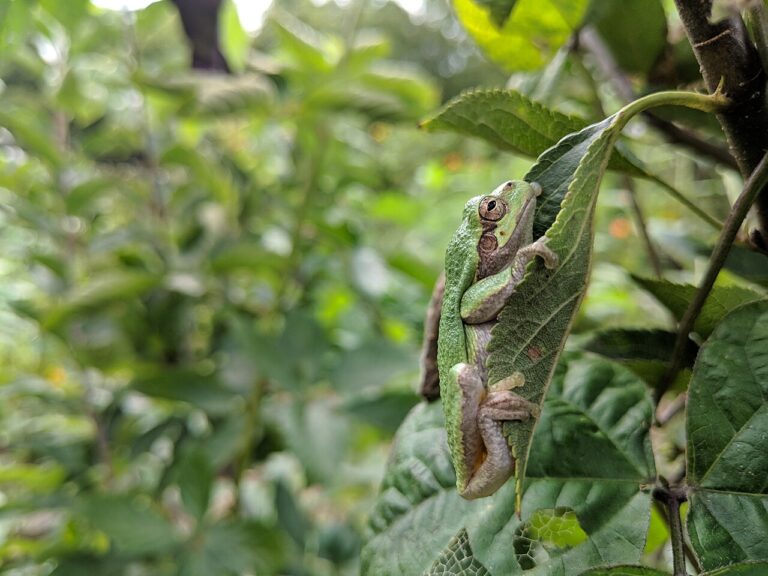
Peeps, trills, honks and barks, each belonging to a different species. Why they call at night, how a one-inch frog gets so loud, and what to do about one on your window.
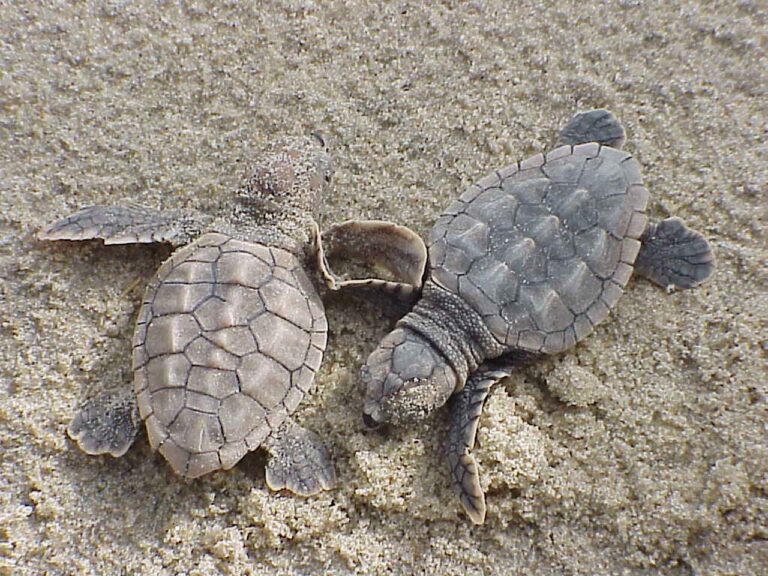
A hatchling emerges at two inches and crawls to the sea guided by the brightest horizon. Why touching them is illegal and harmful, and what to do if you find one.
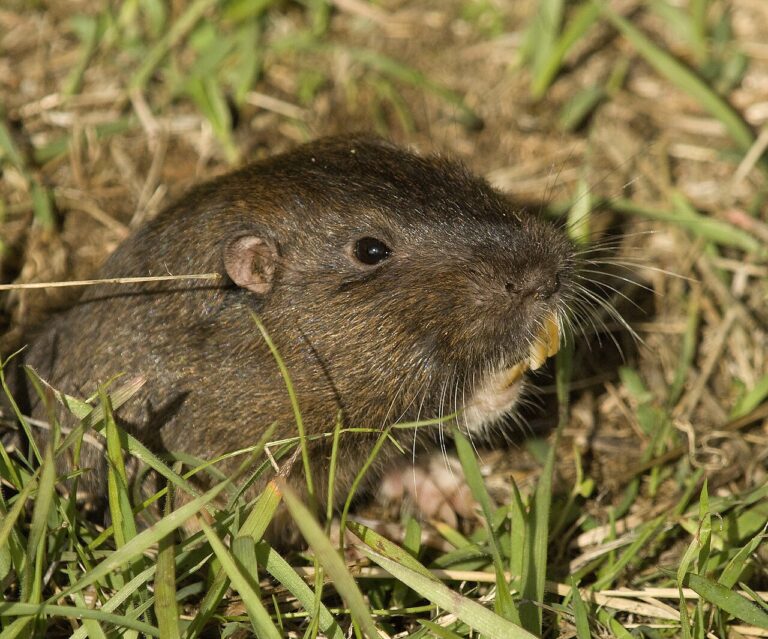
Gophers are nearly silent, producing only digging noises and rare squeaks. What people mistake for them, how to confirm gophers by mound shape, and why sound repellents fail.
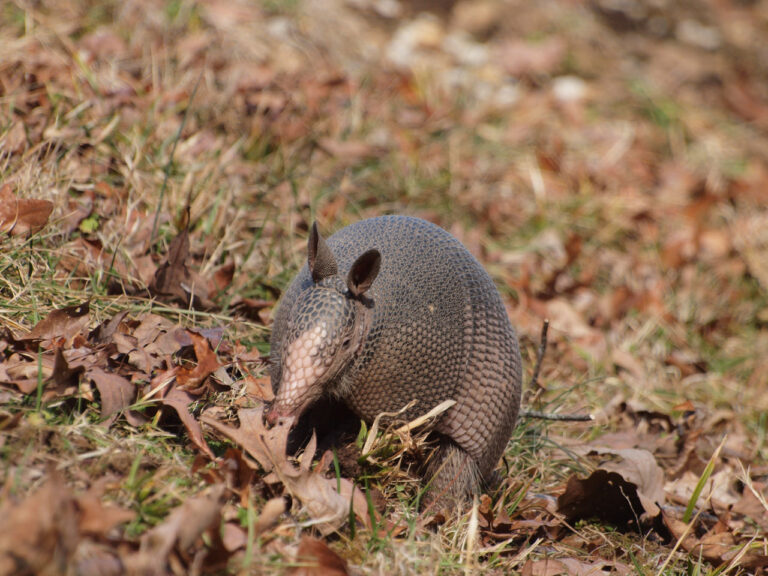
Armadillo scat is a hard clay-packed marble, rarely found in the open. The digging signs that identify them, the leprosy question, and how to check a burrow before filling it.