Chinchilla Noises: 8 Sounds and What Each One Means
Chinchilla noises fall into roughly eight recognizable calls, and each one has a job: a soft contact chirp to stay in touch, a sharp repeated bark for alarm, a contented grinding of the teeth, a hard chatter that means back off, a hiss, a rhythmic mating wobble, the cheeping of kits, and a scream that means something is badly wrong. Learning which is which turns a noisy cage into readable information.
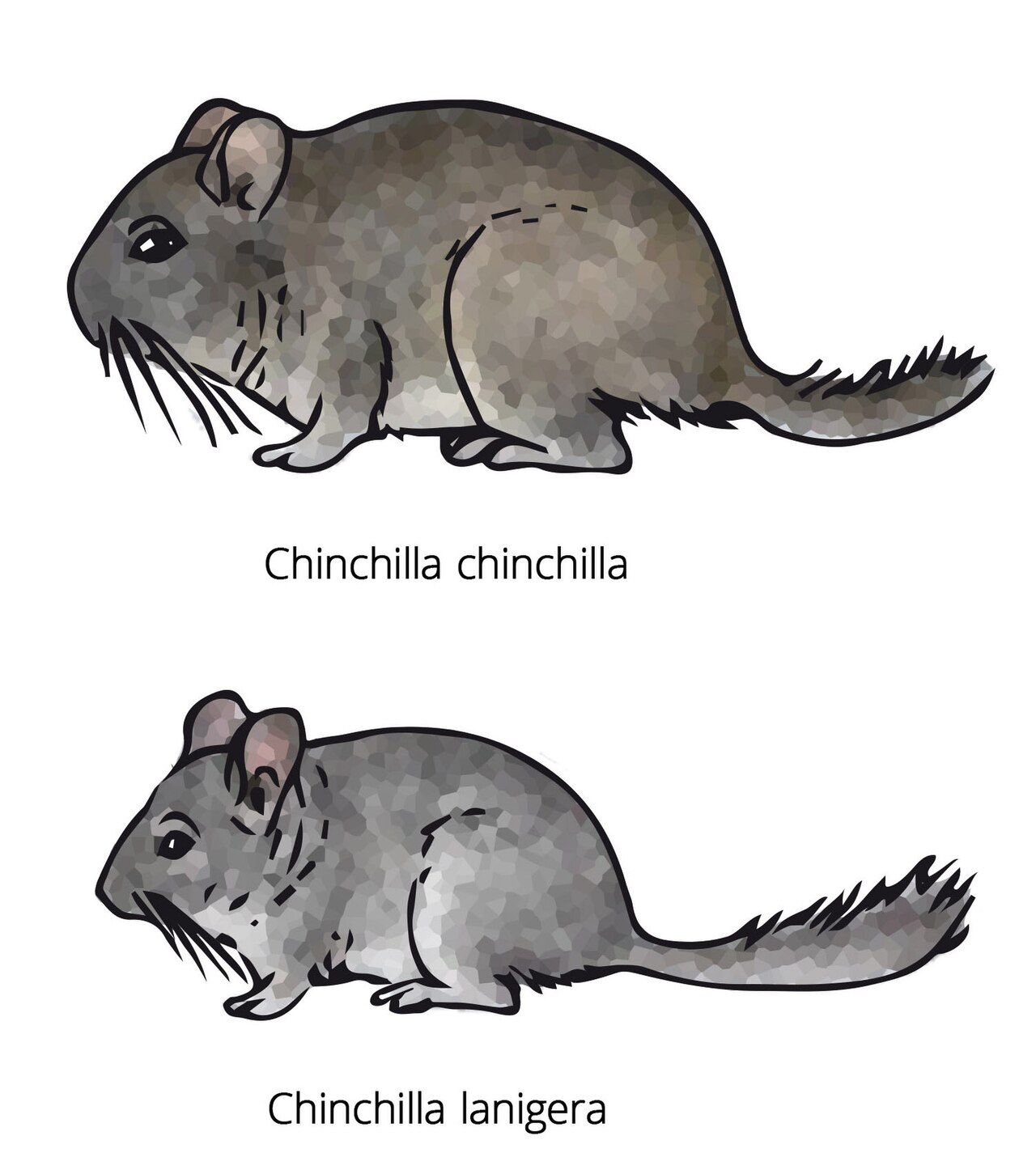
Domestic chinchillas descend from the long-tailed chinchilla (Chinchilla lanigera) of the Chilean Andes, a colony animal that lives among rocks in low light and communicates mostly by voice. That ancestry explains the two things owners notice first: the sounds arrive at dusk and through the night, and they are far more varied than anything a hamster or guinea pig produces.
Chinchillas make contact chirps, alarm barks, contented teeth grinding, warning teeth chatter, hissing, a rhythmic male mating call, kit cheeping and a distress scream. Soft, slow, quiet sounds signal comfort. Loud, sharp, fast or repeated sounds signal fear, pain or a threat. Most vocalizing happens at dusk and during the night.
What Noises Do Chinchillas Make?
The repertoire splits cleanly by volume and speed. Quiet, slow, low-pitched sounds mean a relaxed animal: the contact chirp, the soft grind, the sleepy squeak. Loud, fast, high or repeated sounds mean arousal of some kind, whether that is alarm, pain, irritation or courtship.
Chinchillas also hear far more than they say. Their hearing range runs from roughly 50 Hz to above 30 kHz, close enough to the human range that they are a standard model in auditory research, which is why so much of what we know about chinchilla hearing comes from laboratory work rather than from the wild.
| Sound | What it sounds like | What it means | When you hear it |
|---|---|---|---|
| Contact chirp | soft “kek kek”, birdlike | checking in, mild curiosity | dusk, evening handling |
| Alarm bark | sharp, loud, evenly spaced | something is wrong out there | night, after a noise |
| Teeth grinding | faint crunching, almost a purr | contentment, dozing | resting, being stroked |
| Teeth chatter | hard, dry clacking | warning, back off | cage disputes, handling |
| Hiss or spit | sharp air release | last warning before a bite | cornering, new cagemate |
| Mating wobble | rhythmic “wa wa wa” | male courtship | breeding season, nightly |
| Scream | piercing, drawn out | pain or terror | any time, treat as urgent |
The Contact Call: Soft Chirps and Squeaks
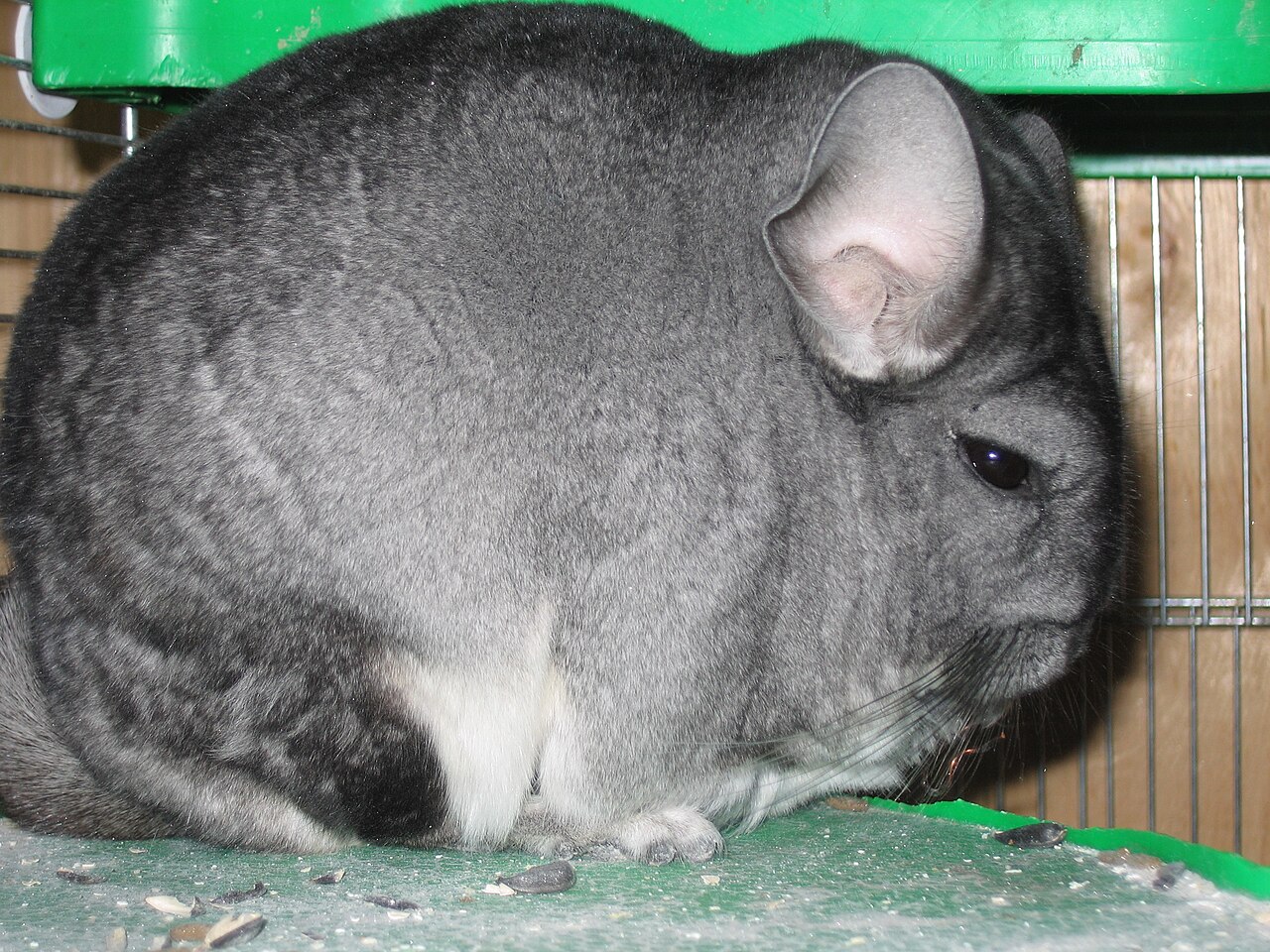
This is the everyday voice, a short soft “kek” or chirp repeated at irregular intervals, often described as birdlike. In a colony it keeps animals aware of each other in the dark. In a cage it is aimed at you, at a cagemate, or at a sound in the room.
Owners usually hear it when they walk into the room in the evening, open the cage, or hold out a treat. The tone is unhurried and the volume is low enough that you notice it only in a quiet house. Nothing about it calls for action beyond answering it.
The Alarm Bark: Sharp, Loud and Repeated
The alarm bark is unmistakable once heard: a loud, hard, evenly spaced series of barks that can carry through a closed door. In the wild it warns the colony about a predator overhead or at the rocks. In a home it fires at a slammed door, a new pet, a strange smell, or a sound outside the window.
Frequency matters more than volume. One burst and then silence is a normal reaction. Barking that runs for an hour every night points at a persistent stressor near the cage, often a vent, a television, or a nocturnal animal audible from outside. Owners who track that down sometimes find the real source is wildlife, not the house, and comparing recordings against bat sounds is a sensible first step.
Teeth Grinding: The Contentment Sound
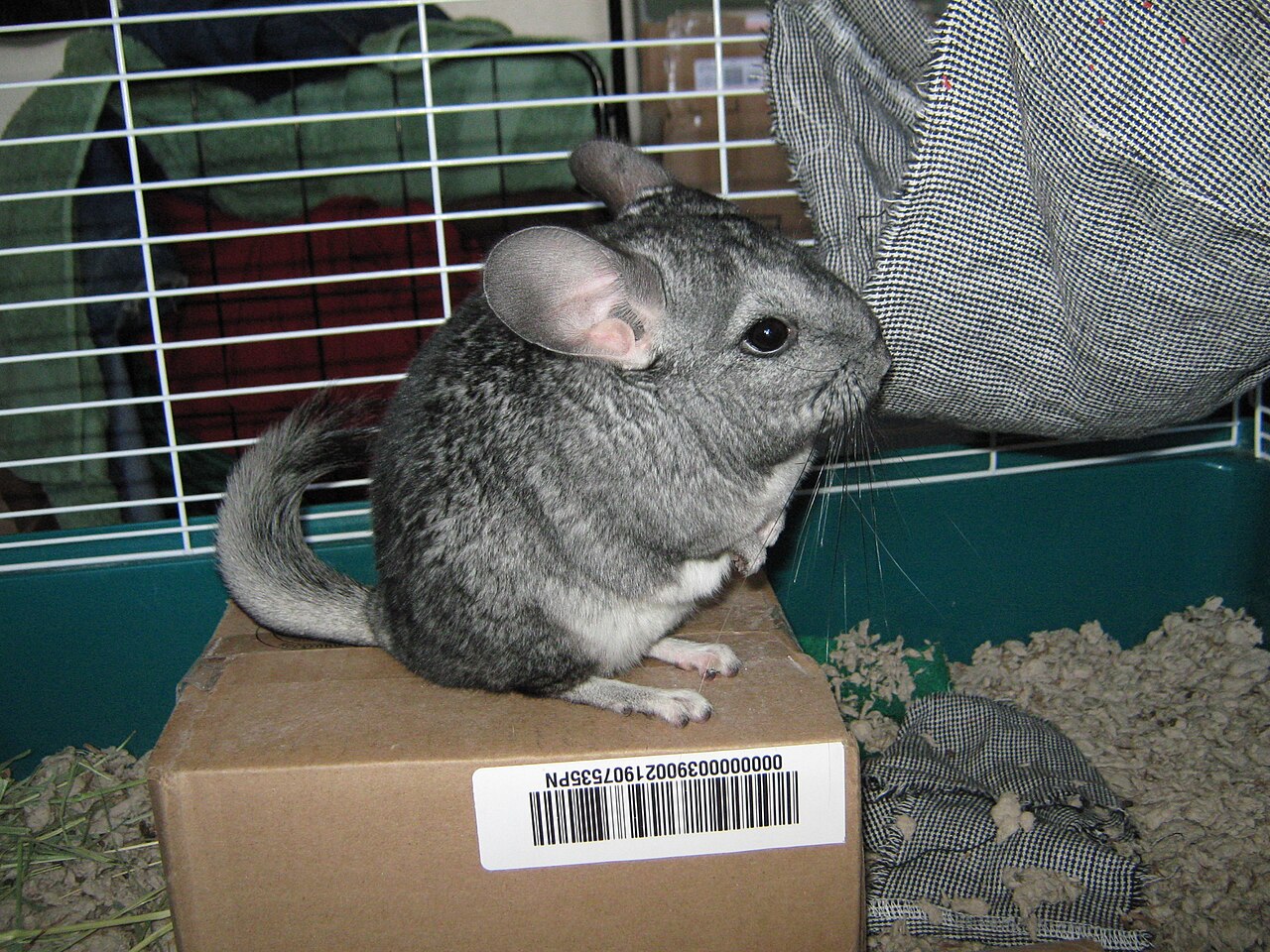
A relaxed chinchilla grinds its molars gently, producing a faint crunching that some owners describe as a purr. You hear it during dozing, during a slow head scratch, and sometimes while the animal settles into a sleeping shelf. It is the clearest comfort signal the species gives.
Do not confuse the soft grind with constant loud grinding during the day. Persistent noisy grinding combined with drooling, dropped food or weight loss suggests overgrown molar spurs, a common and painful dental problem in chinchillas that needs a veterinary exam rather than interpretation.
Teeth Chattering and Clacking: The Warning
Chattering is the hard, dry, rapid clacking of the incisors, and it means the opposite of the soft grind. A chinchilla chatters at a cagemate crowding its shelf, at a hand reaching in at the wrong moment, or at a new animal in the room. It is a request for distance.
Teeth clacking as a warning is a widespread mammal signal rather than a chinchilla quirk. The same message appears, scaled up, in bear sounds and across the rodents, including the slaps and chatter you find in beaver sounds. Treat it as the polite step before biting.
Hissing, Spitting and Urine Spraying
A cornered or furious chinchilla hisses, a sharp burst of air with the body low and the whiskers forward. Females in particular escalate to standing upright and spraying urine at the offender, a behavior that surprises most new owners and is almost always aimed at an unwanted cagemate or hand.
Hissing is a universal last warning in the animal world, which is why it reads instantly to us. The same message underpins the warnings in alligator sounds and the defensive puffing of many reptiles. Back off, remove the trigger, and let the animal reset before trying again.
The Mating Call: The Male’s Rhythmic Wobble
Breeding males produce a strange, insistent, rhythmic call, a wobbling “wa wa wa” that rises and falls while the male follows the female with his tail raised. It can run for minutes and sounds nothing like the rest of the repertoire. Owners of a lone male sometimes hear a version of it directed at a mirror, a toy or a hand.
Females answer with warning chatter and spraying when they are not receptive, so courtship in a pair is noisy from both sides. Chinchillas breed year round in captivity, with gestation near 111 days, so the call is not tied to a season the way it is in most wild animals.
Kit Calls: Cheeping and Whimpering
Newborn kits are precocial, furred and open-eyed, and they are vocal from the first hours. The standard kit sound is a thin, fast cheeping that calls the mother back, rising in rate as the kit gets colder or hungrier. Littermates also squabble over nipples with short squeaks.
A kit that cheeps continuously for long stretches is usually not being fed enough, especially in a litter of three. Weigh it daily rather than guessing from the sound. Steady weight means the cheeping is normal contact calling and not a problem.
The Distress Scream
The scream is loud, piercing and drawn out, and it carries through a house. Chinchillas give it for genuine pain, for being seized by a predator, and for extreme fear. Most owners hear it once, during a rough handling attempt or an injury, and never forget it.
Treat it as an emergency signal. Check for a caught limb, a fight wound, a fur ring in males, or signs of heat stress. The species tolerates cold well and heat badly, and temperatures above roughly 77 F (25 C) can push a chinchilla into distress quickly.
Noises That Are Not Voices
Much of what owners hear at night is mechanical rather than vocal: the drumming of a dust bath, teeth working a wooden chew, the rattle of cage bars, the thud of a landing after a jump, and the rumble of an exercise wheel. None of these are calls, and all of them peak when the animal is most active.
Mislabeling these as distress leads to unnecessary worry, while mislabeling a genuine call as noise does the opposite. The rule of thumb is simple: if the sound has a rhythm and repeats regardless of what the animal is physically doing, it is a voice. If it tracks the animal’s movement, it is furniture. The same logic applies when identifying nighttime animal noise generally, as anyone sorting out barn owl sounds from attic scratching will recognize.
When You Hear Each Sound: Time of Day and Season
Chinchillas are crepuscular, with activity peaking at dusk and again before dawn, and a quieter stretch in the middle of the night. Expect contact chirps and chewing in the first two hours after dark, alarm barks whenever the house noise changes, and near silence through the middle of the day while the animal sleeps.
Season matters less in captivity than light and temperature do. Summer heat raises distress calls and lowers everything else. A stable room below 72 F (22 C), a consistent dark period, and a predictable evening routine produce the quietest, most readable animal. Basic husbandry guidance from groups such as the ASPCA covers the environmental side that drives most noise complaints.
Frequently Asked Questions
What noises do chinchillas make?
Contact chirps, alarm barks, soft teeth grinding, hard teeth chatter, hissing, a rhythmic male mating call, kit cheeping and a distress scream. Alongside those come non-vocal sounds: chewing, dust bathing, cage rattling and wheel noise. Volume and repetition separate calm sounds from stressed ones.
What sounds do happy chinchillas make?
A happy chinchilla grinds its molars softly, almost like a purr, and gives occasional slow contact chirps. Relaxed animals are also simply quiet, so silence paired with normal eating, popcorning jumps and steady dust bathing is as good a sign as any sound.
What does it mean when a chinchilla chirps?
A chirp is a contact call. It means the animal is aware of you or a cagemate and is checking in, usually with mild curiosity or anticipation of food. Slow, soft, irregular chirps are relaxed. Fast chirps that harden into evenly spaced barks mean the mood has shifted to alarm.
Why do chinchillas whimper?
Whimpering is a low-level complaint. Chinchillas whimper when a cagemate crowds them, when they are handled longer than they want, when they feel unwell, and sometimes while half asleep. One whimper is normal. Repeated whimpering with hunched posture, reduced appetite or droppings changes warrants a vet visit.
Do chinchillas get attached to owners?
Yes, within the limits of a prey species. Hand-raised and regularly handled chinchillas recognize their keeper, approach the cage front, and direct contact chirps at them. That attachment shows as confidence and proximity rather than as affection on demand, and it takes weeks of short, calm sessions to build.
Why can’t you wet a chinchilla?
Chinchilla fur grows at roughly 60 or more hairs per follicle, the densest coat of any land mammal, and it holds water instead of shedding it. A soaked chinchilla stays damp for hours, which invites fungal skin infection and chilling. They clean themselves in volcanic dust instead, which absorbs oils without wetting the coat. For comparison with other exotic pets and their own husbandry quirks, see bearded dragon sounds.