Guinea Pig Sounds: What Every Wheek, Purr, and Rumble Means
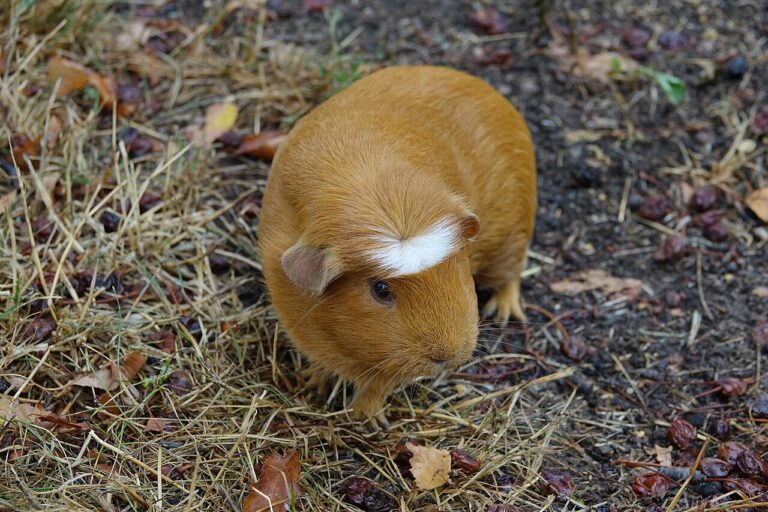
Guinea pig sounds fall into roughly eight recognizable vocalizations, and each one carries a specific meaning: wheeking signals excitement about food, purring can mean contentment or fear depending on pitch, rumbling is a mating and dominance call, and teeth chattering is a direct warning to back off. Guinea pigs are among the most vocal small pets, and unlike rabbits or hamsters they communicate almost constantly with both their cage mates and the people around them.
Learning the vocabulary changes daily life with a cavy. A sound that seems cute can actually mean the animal is frightened, and a sound that seems alarming may simply be two guinea pigs sorting out who is in charge. Pitch, duration, and body posture together determine the meaning, which is why the same purr can indicate two opposite emotional states. The guide below covers each call, what triggers it, and which sounds warrant a phone call to a vet.
| Wheek | Long loud squeal, aimed at humans, means food |
| Purr (low) | Relaxed body, contentment |
| Purr (high) | Stiff body, fear or irritation |
| Rumble | Deep vibrating call, mating or dominance |
| Chut | Soft repeated clucking, calm exploration |
| Teeth chatter | Rapid clicking, aggression warning |
| Shriek | Piercing scream, pain or fear, act now |
Wheeking: The Food Call
The wheek is the loudest and most recognizable of all guinea pig sounds, a long high whistle that can carry through an entire house. It usually rises at the end and is often accompanied by the animal standing up at the cage bars, ears twitching, sometimes running laps while it calls. Volume genuinely surprises new owners, because a one pound animal produces a sound closer to a squeaky toy being stepped on than anything a rodent-sized pet seems capable of.
What makes wheeking remarkable is that it appears to be directed almost exclusively at humans. Guinea pigs rarely wheek at each other; they learn to associate specific human noises with food and then call for service. A refrigerator door, a rustling plastic bag, footsteps in the hallway, or the crinkle of a vegetable bag will all set off a chorus, and once one animal starts, every other cavy in the room joins in. The behavior is learned rather than instinctive, which means it develops within days of an animal moving into a new home.
Because wheeking is a learned request, it responds to conditioning. Feeding immediately after every wheek reinforces the call and makes it louder and more frequent, while feeding on a predictable schedule regardless of noise keeps it manageable. Treats are the strongest trigger of all, and owners who hand out fruit whenever the wheeking starts train an extremely persistent animal. Knowing which treats are actually safe matters here, since grapes and similar fruit belong in the diet only in small occasional amounts.
Purring Means Two Opposite Things
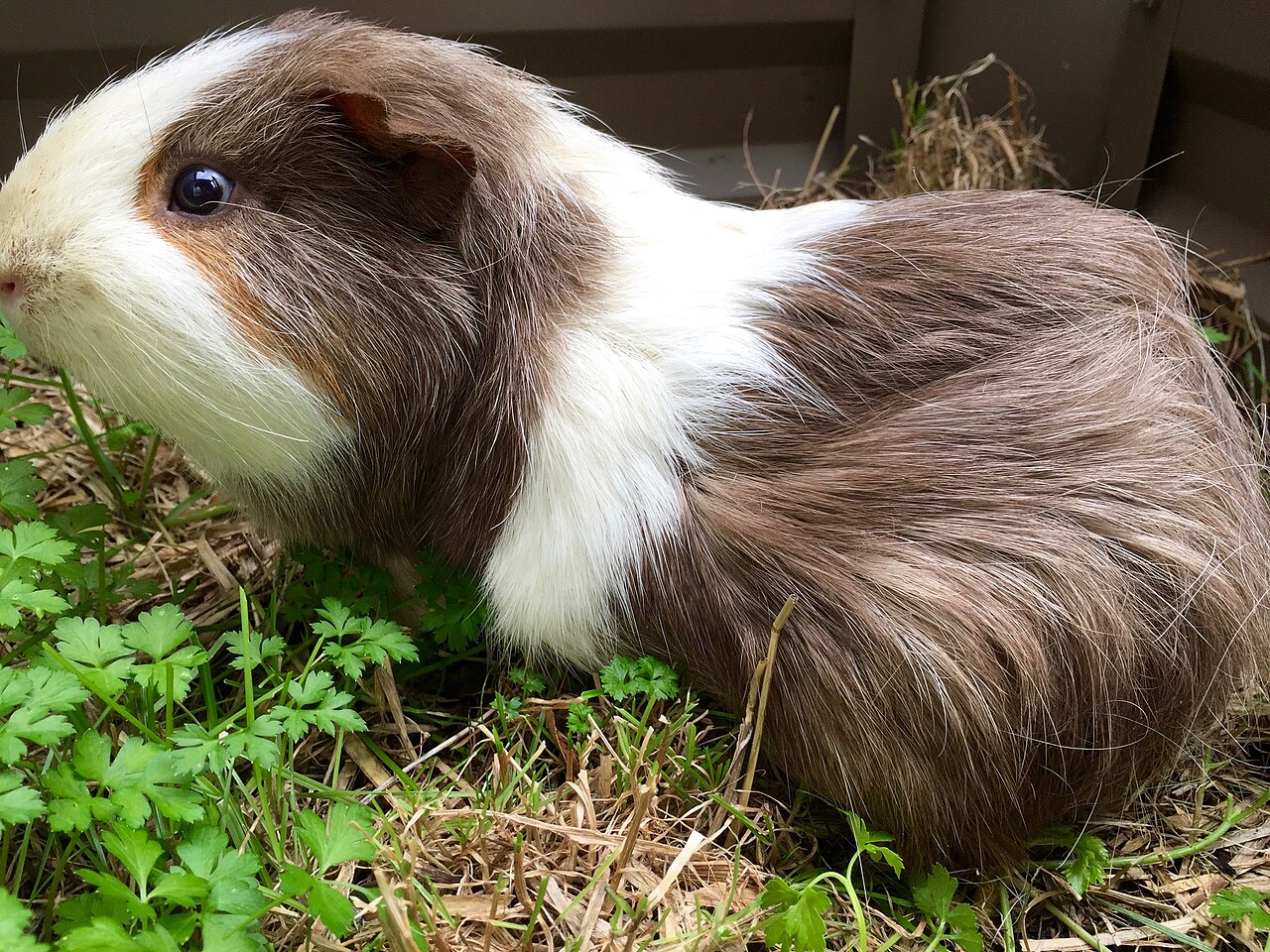
Purring is the sound most often misread, because the same basic vibration can signal contentment or distress. A low, deep, slow purr paired with a relaxed body, half-closed eyes, and a guinea pig that stays put while being stroked means exactly what it sounds like: the animal is comfortable and enjoying the contact. This is the purr owners hear during lap time, and it often continues as long as the petting does.
A higher-pitched purr that rises toward the end tells a completely different story. If the body is tense, the animal is motionless rather than settled, or it starts shifting away, the sound signals irritation or anxiety. Short, staccato purrs that stop abruptly usually mean the guinea pig was startled by something in the room. The distinguishing factor is never the sound in isolation; it is pitch combined with posture, and reading them together takes a few weeks of observation.
Body vibration adds another layer. A contented purring guinea pig may vibrate gently under the hand, while a frightened one vibrates in a tight, rigid way and often freezes completely. Freezing is a prey animal’s default response to threat, so a motionless purring cavy is asking to be left alone rather than settling in. Backing off, lowering the noise level in the room, and returning the animal to its enclosure is the right response.
Rumbling and the Rumble Strut
The rumble is deeper and more resonant than a purr, often described as motorboating, and it is almost always paired with distinctive movement. A rumbling guinea pig sways its hips from side to side and walks in a slow deliberate circle around another animal, a display known as the rumble strut. Boars perform it while courting a sow, and it is one of the clearest examples of a guinea pig sound that only makes sense alongside the accompanying body language.
Sows rumble too, and the meaning shifts with context. A female in season may rumble to signal her receptivity, and females come into season roughly every 16 days, though the window during which they will actually accept a male lasts only about eight hours. Outside of mating, both sexes rumble to assert rank, which is why owners often hear it right after a cage cleaning: fresh bedding erases scent marks, and the herd re-establishes who owns which territory.
Rumbling itself is not aggression, but it can escalate. Two animals that both believe they are dominant will rumble at each other, and if neither backs down the exchange can develop into a fight. A subordinate animal sometimes rumbles quietly while walking away, essentially registering an objection without challenging. Watching for raised fur, teeth chattering, or lunging tells you whether a rumbling session is routine or heading somewhere worse.
Chutting and Teeth Chattering
Chutting is the soft background noise of a happy guinea pig, a repeated clucking or tutting produced while the animal explores, forages, or moves around a familiar space. It sounds like quiet muttering and is generally taken as a sign of contentment and security. Owners often notice it during floor time or while a guinea pig works its way through a pile of hay, and it tends to disappear entirely when the animal feels unsafe.
A related but slower sound, sometimes written as tutt-tutt, carries the opposite meaning. Longer in duration and more deliberate than a chut, it signals unease or mild fright and functions as a warning to other guinea pigs, who often respond by freezing while they assess the threat. It may be followed by a whine or a wheek if the disturbance continues. Distinguishing the two takes attention to rhythm: relaxed chutting is quick and casual, warning tutting is slower and more spaced out.
Teeth chattering is unmistakable and unambiguous. The guinea pig grinds its incisors rapidly, often while raising its head, showing its teeth, and fluffing its fur to look larger. It means back off, and it is directed at whatever is causing the annoyance, whether that is another guinea pig, a hand, or a new object. Chattering is extremely common during introductions between unfamiliar animals, and separating them briefly before a slower reintroduction prevents most fights. Herd dynamics like this are one reason to research guinea pig breeds and temperament before adding a second animal.
Distress Sounds That Need an Immediate Response
Shrieking and screaming sit at the top of the urgency scale. The sound is a piercing, high-pitched squeal delivered in rapid succession, without the lower frequencies that give a wheek its whistling character. A guinea pig that shrieks is frightened, in pain, or in genuine danger, and a well-cared-for animal rarely makes the sound at all. It warrants an immediate check of the cage, the animal, and its companions rather than a wait-and-see approach.
Common triggers include an injury, being trapped, a fight with a cage mate, an unfamiliar predator scent from a dog or cat, or sudden pain from an internal problem such as bladder stones or gut stasis. Because guinea pigs are prey animals that instinctively hide weakness, an animal that vocalizes pain is often further along than it appears. Screaming while urinating in particular is a classic sign of urinary tract problems and calls for a veterinary appointment rather than home observation.
Whining and moaning sit lower on the same scale. A drawn-out complaining sound, sometimes compared to a record being scratched, usually means the animal is annoyed and wants space. It shows up when a cage mate crowds a favorite spot, when handling has gone on too long, or when a guinea pig objects to being moved. Responding to whining by giving the animal room prevents it from escalating into chattering or a scuffle.
Rare Sounds: Chirping, Hissing, and Growling
Chirping is the strangest sound in the guinea pig repertoire and the least understood. It sounds convincingly like a small bird, lasts anywhere from a few seconds to several minutes, and often causes other guinea pigs in the room to freeze completely and stare at the chirping animal. Explanations range from stress and fear to grief after losing a companion, but there is no scientific consensus, and many owners go years without hearing it once.
Hissing is much easier to interpret. It is an aggressive display meaning the animal wants whatever is happening to stop, and it frequently precedes biting or a chase if the situation is not resolved. Hissing often overlaps acoustically with teeth chattering, and the two frequently occur together during territorial disputes. The response should be the same: separate the animals, remove the trigger, and give everyone space.
Growling is a lower rasping sound, sometimes written as a repeated drrr, that indicates distress from a perceived threat. Sudden environmental changes such as a new room, a loud appliance, or an unfamiliar animal nearby will produce it. Gentle, quiet reassurance and returning the guinea pig to a familiar space usually settles it, and the growl often gives way to a contented purr once the animal relaxes. Other small pets have their own equivalents, and comparing the alarm calls of pet rats shows how differently two rodent species handle the same emotion.
Reading Sounds Alongside Body Language
Vocalizations only carry half the message, and posture supplies the rest. Popcorning, the sudden vertical hop with a mid-air twist, is the clearest happiness signal a guinea pig produces and often accompanies chutting or excited squeaks, especially in young animals. Zooming laps around the cage carries the same meaning. Neither behavior appears in a stressed animal, so their presence is a reliable indicator that whatever noise is being made is a positive one.
Freezing is the counterpart. A guinea pig that stops dead, holds its head slightly raised, and goes silent has detected something it considers a threat and is waiting for more information. Raised fur along the back, a head held high with the chin tilted up, and teeth displayed during a yawn-like gesture all indicate a defensive or dominant animal rather than a relaxed one. Yawning that shows the incisors, in particular, is frequently a display rather than tiredness.
Context completes the picture. The same rumble means courtship in a mixed pair, dominance after a cage clean, and de-escalation when a subordinate animal walks away. A guinea pig kept alone vocalizes noticeably less than one kept in a pair or group, because most of the repertoire is social. Housing companions together is standard welfare advice for this reason, and it is a meaningful difference from a species like the Netherland dwarf rabbit that has different social requirements.
When a Sound Means a Vet Visit
Some noises are not vocalizations at all. Wheezing, clicking, crackling, or a wet rattling sound accompanying each breath points to a respiratory infection, and guinea pigs are highly susceptible to them. These sounds are continuous and tied to breathing rather than intentional and situational, which is the practical way to tell them from communication. Combined with discharge from the eyes or nose, reduced appetite, or lethargy, they call for prompt veterinary attention because respiratory disease progresses quickly in this species.
Teeth grinding is a second warning sign, and it differs from chattering. Chattering is sharp, rapid, and paired with defensive posture; pain-related grinding is slower, more constant, and typically comes with a hunched body, ruffled fur, and reluctance to move. Combined with reduced droppings or a refusal to eat, it can indicate gastrointestinal stasis, dental overgrowth, or bladder stones, all of which are common in guinea pigs and all of which are treated as urgent.
Sudden silence deserves the same attention as any alarming noise. A normally vocal guinea pig that stops wheeking at feeding time, stops chutting during floor time, and withdraws to a corner is very likely unwell. The American Veterinary Medical Association (avma.org) recommends establishing care with a veterinarian experienced in exotic companion mammals before an emergency happens, because not every practice treats guinea pigs. Appetite is the fastest indicator to check alongside behavior, and knowing which foods a healthy animal will normally refuse to pass up, such as apples, gives a useful baseline. The same principle applies across small pets, including baby rabbits, where quiet withdrawal is often the first sign of trouble.
Related reading: Hamster Poop.
Related reading: Duroc Pig.
Related reading: Texel Guinea Pig.
Related reading: Abyssinian Guinea Pig.
Frequently Asked Questions
Why does my guinea pig wheek when I open the refrigerator?
Wheeking is a learned food call directed at humans rather than other guinea pigs. Your animal has associated the refrigerator sound with feeding and is requesting food. The association forms within days of moving into a new home and gets stronger every time the call is answered with a treat.
What does guinea pig purring mean?
It depends entirely on pitch and posture. A low slow purr with a relaxed body means contentment, while a higher purr that rises at the end with a tense or frozen body means fear or irritation. Short abrupt purrs usually mean the animal was startled.
Why do guinea pigs chatter their teeth?
Teeth chattering is a warning that means back off. It commonly appears when unfamiliar guinea pigs meet, during territorial disputes, or when handling has become unwelcome. Raised fur and displayed teeth alongside chattering usually precede a fight, so separating the animals is the safest response.
What sound does a happy guinea pig make?
Soft repeated chutting while exploring or eating is the classic contentment sound, often paired with popcorning hops or laps around the cage. A low gentle purr during petting means the same thing. Both disappear when a guinea pig feels unsafe, which makes them reliable indicators.
Why is my guinea pig screaming?
Shrieking signals pain, fear, or danger and should never be ignored. Check for injury, entrapment, conflict with a cage mate, or a predator scent in the room. Screaming while urinating in particular suggests a urinary problem and needs veterinary attention.
Is my guinea pig wheezing or vocalizing?
Vocalizations are intentional and situational, while wheezing, clicking, and crackling are continuous and occur with every breath. Breathing sounds combined with nasal or eye discharge, lethargy, or reduced appetite point to a respiratory infection. Guinea pigs deteriorate quickly with respiratory disease, so prompt veterinary care matters.
Do guinea pigs get quieter when they are sick?
Often, yes. As prey animals they instinctively hide illness, and a normally vocal guinea pig that stops wheeking at feeding time and withdraws to a corner is frequently unwell. Sudden silence combined with reduced appetite or fewer droppings deserves the same urgency as an alarming noise.