Can Rabbits Eat Strawberries? Portions by Size
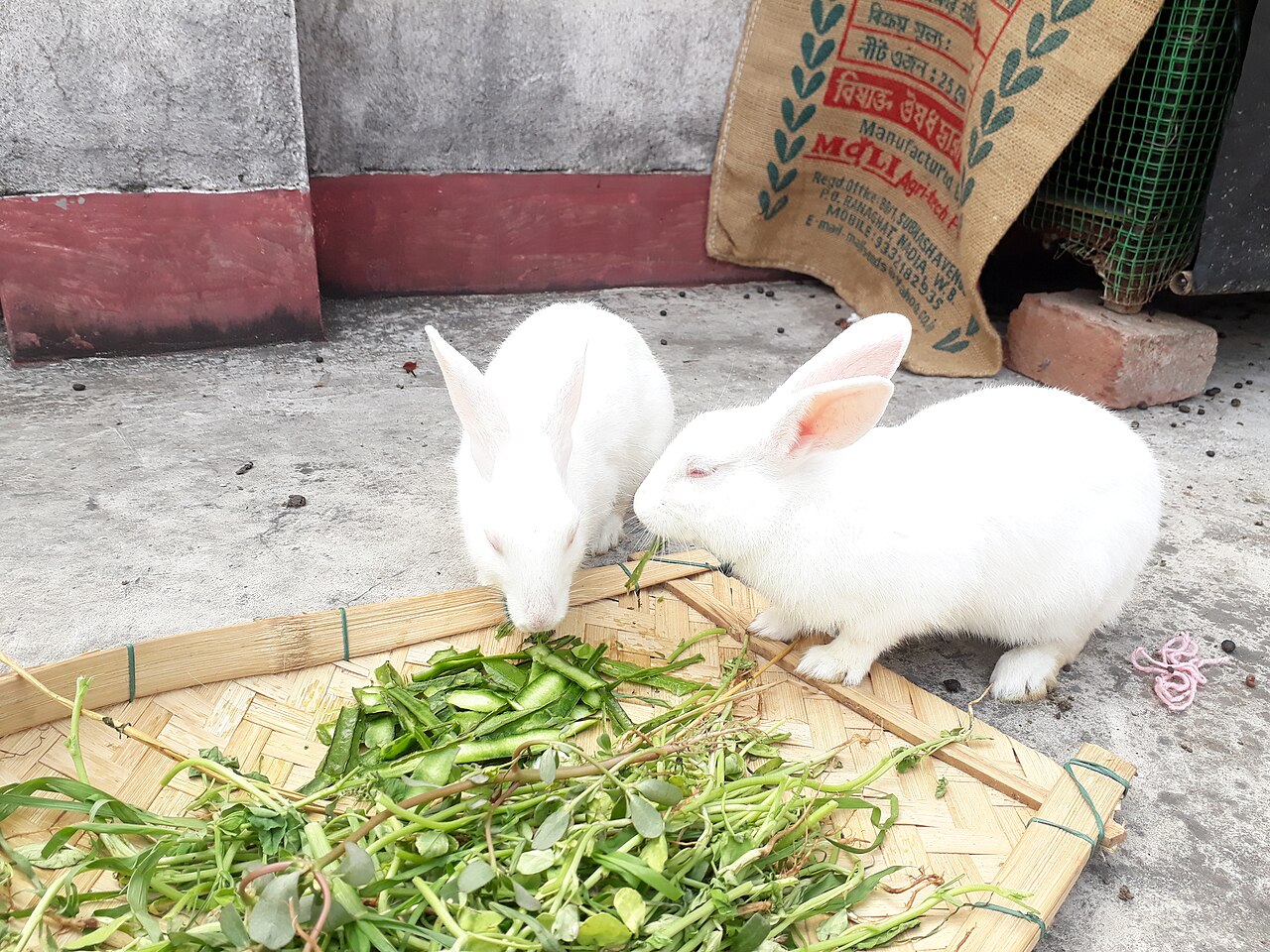
Rabbits can eat strawberries, but sparingly: one small strawberry or half a large one, once or twice a week for an average adult. They are not toxic, and the leaves and stems are actually the better part, being fibrous and low in sugar while the fruit is neither.
The reason the portion is so small is that a rabbit’s digestive system runs on fibre and nothing else does the job. Hay should be 80 to 90 percent of everything a rabbit eats, and sugary food both displaces it and disrupts the gut bacteria that keep the system moving. This guide covers portions by size, the leaves and tops, what happens if you overdo it, and which fruits to avoid.
Rabbits can eat strawberries once or twice a week: one small berry or half a large one for an average adult, less for a dwarf breed. The leaves, stems, and green tops are safe and better than the fruit, being fibrous and low in sugar. No fruit at all for rabbits under twelve weeks old.
| Rabbit Size | Strawberry Portion |
|---|---|
| Under 12 weeks | None |
| Dwarf, under 3 lb | Half a small berry, once a week |
| Small, 3 to 5 lb | 1 small berry, once a week |
| Medium to large, over 5 lb | 1 small or half a large, twice a week |
| Leaves and stems | Safe; better than the fruit |
| Dried or freeze-dried | Avoid; concentrated sugar |
| All fruit and treats | Under 5 percent of daily intake |
Are Strawberries Safe for Rabbits?
Yes. Strawberries contain nothing toxic to rabbits, and no part of the plant is dangerous, including the fruit, leaves, stems, and flowers. They are also lower in sugar than most fruit at around 5 percent, which makes them a better choice than banana or grapes.
The limiting factor is what they displace. A rabbit’s gut depends on a constant supply of long fibre from hay, and rabbits have a strong sweet preference that overrides any sense of proportion, so a rabbit offered strawberries will eat them in preference to hay every time.
Acidity is a secondary consideration. Berries are mildly acidic and some rabbits develop mouth or lip irritation with frequent feeding, which is another reason to keep them occasional. The guide to grapes for rabbits covers a fruit with roughly triple the sugar.
How Many Strawberries Can a Rabbit Have?
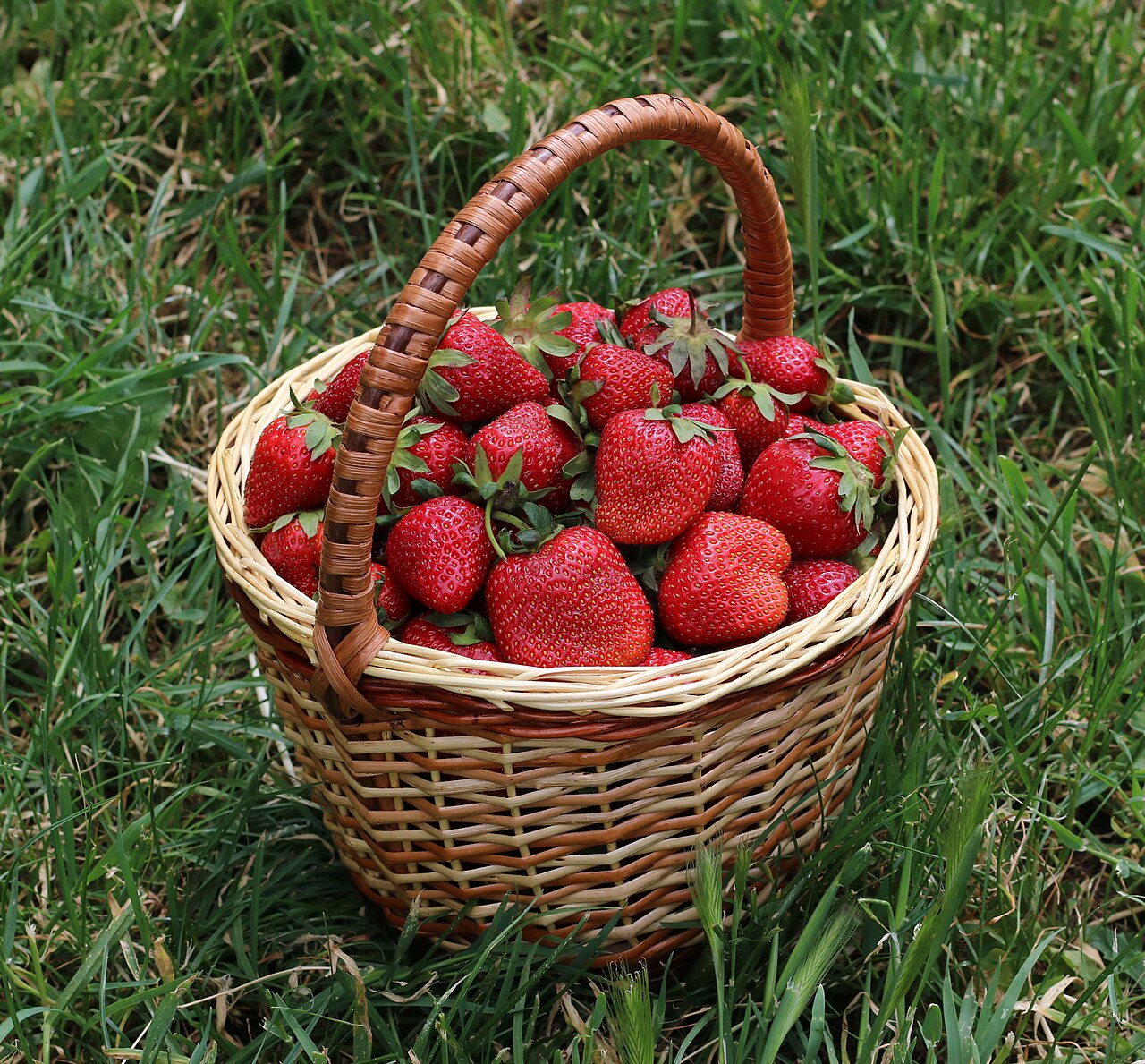
One small strawberry or half a large one, once or twice a week for a rabbit over five pounds. For a dwarf breed under three pounds, half a small berry once a week is enough.
The general rule is that all fruit and sweet treats together should stay under about 5 percent of daily intake, which for most pet rabbits works out at one to two tablespoons of fruit a day at absolute maximum, and considerably less is better. A strawberry is easily half of that allowance.
Introduce it the first time with a small piece and wait 24 hours before repeating, watching the droppings. Rabbits under twelve weeks should get no fruit at all, since their gut flora is still developing and sugar causes disproportionate upset at that age. The baby rabbit guide covers feeding through that period.
Can Rabbits Eat Strawberry Leaves and Tops?
Yes, and they are the better part of the plant. Strawberry leaves, stems, and green tops are fibrous, low in sugar, and safe, and most rabbits take them readily, which makes the green top a genuinely good treat while the berry it came off is a compromise.
Wild strawberry leaves are equally fine, and the whole plant is worth growing for a rabbit if you have space. Raspberry and blackberry leaves are safe on the same basis and are traditionally fed to rabbits, and dried raspberry leaf is sold as a rabbit forage for exactly this reason.
The condition is that the plants must be unsprayed. Garden and allotment plants treated with fungicide or pesticide are not safe, and shop-bought strawberries carry residue on the fruit and any attached leaves, so washing thoroughly matters. Strawberries are consistently among the produce items with the highest pesticide residue.
What About Dried Strawberries?
Avoid them. Drying removes the water and concentrates the sugar several-fold, so a dried or freeze-dried strawberry delivers a much larger sugar dose in a smaller item, and the convenience of a shelf-stable treat leads directly to overfeeding.
The same applies to commercial rabbit treats built on dried fruit, yogurt drops, honey sticks, and seed and nut mixes. Yogurt drops are particularly poor: rabbits are lactose intolerant after weaning, and the products are essentially sugar and dairy fat.
Better treats exist and rabbits like them. Fresh herbs, a piece of carrot top, a dried raspberry or blackberry leaf, a small piece of apple without seeds, or a compressed hay-based treat all work for training and bonding without the sugar. The guide to cucumber for rabbits covers a low-sugar alternative.
What Happens If a Rabbit Eats Too Many?
Soft or misshapen droppings first, usually within a day, along with a drop in the number produced. That is the early warning and the point at which to cut fruit and increase hay.
Gastrointestinal stasis is the serious outcome. When the gut slows, gas builds, the rabbit stops eating, and the condition becomes life-threatening within hours rather than days. Signs are a rabbit sitting hunched with its abdomen pressed down, refusing food, grinding its teeth loudly, and producing no droppings. This needs a rabbit-experienced vet the same day, not the next morning.
The longer-term effects of regular overfeeding are obesity, which in rabbits leads to sore hocks, an inability to reach and eat caecotrophs, urine scald, and reduced grooming, and dental disease, since molars grow continuously and are worn down by chewing hay rather than soft fruit. The rabbit poop guide covers what to look for daily.
What Fruits Can Rabbits Not Eat?
Avocado is genuinely toxic through persin and should never be given in any part. Rhubarb, both leaves and stalk, is toxic. Those two are the absolute exclusions.
Seeds and pits need removing rather than the whole fruit avoiding. Apple seeds, pear seeds, and the pits of cherries, peaches, plums, and apricots contain cyanogenic compounds, so the flesh is fine once they are out.
Everything else common is safe in small quantities: apple, pear, banana in very small amounts, blueberry, raspberry, blackberry, melon, papaya, mango, and peach. Banana is the one to watch most, being the highest-sugar common fruit and extremely palatable, and a slice the width of a coin once a week is the usual limit. Dried fruit of any kind is best avoided.
What Should Rabbits Eat Instead?
Hay, at 80 to 90 percent of intake and available every hour of the day. Grass hay such as timothy, orchard, or meadow does two jobs nothing else does: the long fibre keeps the gut moving and prevents stasis, and the side-to-side chewing grinds down continuously growing molars.
Fresh leafy greens come next at roughly one packed cup per two pounds of body weight daily, split across three or more types. Romaine, green leaf lettuce, cilantro, basil, dill, mint, carrot tops, and dandelion greens are all good. Kale, parsley, spinach, and chard are fine in rotation but high in calcium or oxalates, so not daily.
Pellets are a supplement at about a quarter cup per five pounds of body weight, plain and high-fibre rather than a muesli mix with seeds and coloured pieces, since rabbits selectively eat the sugary components of those and leave the fibre. Fresh water at all times, ideally in a heavy bowl, since rabbits drink considerably more from a bowl than a bottle. The House Rabbit Society (rabbit.org) maintains current feeding guidance.
Why Is Hay So Important?
Because it does two jobs at once that nothing else does. The long fibre keeps material moving through a gut that has no capacity to sit idle, and the side-to-side grinding motion of chewing hay wears down molars that grow continuously through a rabbit’s life at roughly two to three millimetres a month.
A rabbit on a low-hay diet develops spurs on the molars, sharp points that cut into the tongue and cheek and make eating painful, which reduces hay intake further and accelerates the problem. Dental disease is among the most common and most expensive rabbit conditions, and it is largely a consequence of diet rather than bad luck.
If a rabbit is not eating enough hay, the first thing to reduce is pellets, not hay. Pellets are palatable, calorie-dense, and require little chewing, and a rabbit given generous pellets has no reason to work through a pile of hay. Cutting pellets to a measured quarter cup per five pounds usually restores hay intake within a week or two.
How Do You Introduce New Foods?
One at a time, in a small piece, with two or three days between introductions. Rabbit gut flora adapts slowly, and adding several new items at once makes it impossible to identify the culprit when droppings change.
Droppings are the readout and should be checked daily. Normal rabbit droppings are firm, round, uniform in size, and produced in quantity, and rabbits also produce softer clustered caecotrophs which they eat directly and which are normal. What is not normal is watery diarrhoea, uneaten caecotrophs smeared around the enclosure, or a sudden drop in the number of firm pellets.
Watch for the pattern rather than a single event. One soft dropping means little; two days of them means something needs changing. Any rabbit that stops eating or stops producing droppings entirely needs veterinary attention the same day, because stasis in a rabbit progresses far faster than most owners expect. The Netherland dwarf guide covers portions for the smallest breeds.
Related reading: can rabbits eat oranges.
Frequently Asked Questions
Can rabbits eat strawberries?
Yes, one small berry or half a large one once or twice a week for an average adult. They are lower in sugar than most fruit but still a treat rather than a food.
Can rabbits eat strawberry leaves?
Yes, and the leaves, stems, and green tops are better than the fruit, being fibrous and low in sugar. Raspberry and blackberry leaves are equally good, provided the plants are unsprayed.
How many strawberries can a rabbit have?
One small berry once or twice a week for a rabbit over five pounds, half a small berry once a week for a dwarf. All fruit and treats together should stay under 5 percent of intake.
Can rabbits eat dried strawberries?
Best avoided. Drying concentrates the sugar several-fold and the convenience leads to overfeeding. Fresh herbs and dried raspberry leaf work better as training treats.
What happens if a rabbit eats too many strawberries?
Soft or reduced droppings first, and potentially gastrointestinal stasis, which is life-threatening within hours. A rabbit that stops eating or producing droppings needs a vet the same day.
What fruits can rabbits not eat?
Avocado and rhubarb are toxic and must never be given. Apple and pear seeds and stone fruit pits contain cyanogenic compounds and must be removed before feeding the flesh.
What should rabbits eat most of?
Hay, at 80 to 90 percent of intake and always available, plus about a cup of leafy greens per two pounds of body weight daily and a small measured portion of plain high-fibre pellets.

Similar Posts
Can Bearded Dragons Eat Apples? Portion and Preparation
Yes, occasionally, with skin and seeds removed. Why sugar and calcium ratio limit apples to a monthly treat, and which fruits are better choices.
Can Rabbits Eat Apples? Seeds, Skin, and Portions
Flesh and skin yes, seeds no. Why amygdalin matters at rabbit body size, how much per week, and why apple twigs are a better treat than the fruit.
Netherland Dwarf Rabbit: Size, Colors, and Care Guide
The smallest recognized rabbit breed, from the dwarf gene and show colors to diet, housing, lifespan, and the health problems owners should watch for.
Can Guinea Pigs Eat Apples? Vitamin C, Seeds, and Limits
Guinea pigs can eat apples once or twice a week, and the vitamin C genuinely matters because they cannot make their own. Here are the safe amounts.
Can Rabbits Eat Bananas? Yes, But Far Less Than You Think
Banana is safe for adult rabbits in teaspoon portions twice a week. Here is the exact amount by body weight, the peel question, and the warning signs.
Can Bearded Dragons Eat Grapes? Safe Amounts and Risks
Bearded dragons can eat grapes once or twice a month. Here is why the calcium ratio matters more than the sugar, and how to serve them safely.