Can Rabbits Eat Grapes? Safe Amounts by Size
Rabbits can eat grapes, but only in small amounts as an occasional treat: one or two grapes once or twice a week for an average-sized adult rabbit, and none at all for rabbits under twelve weeks old. Grapes are safe in the sense that they are not toxic, and risky in the sense that they are high in sugar and easy to overfeed.
The reason the amount matters so much is that a rabbit’s digestive system runs on fibre. Hay should make up around 80 to 90 percent of the diet, and sugary food disrupts the gut bacteria that keep the whole system moving, which can lead to serious problems fast. This guide covers safe quantities by size, seeds and skin, what happens if you overdo it, and which fruits to avoid entirely.
Rabbits can eat grapes in small amounts: one or two per week for an average adult, no more than twice weekly. Grapes are not toxic to rabbits, unlike to dogs, but they are high in sugar and can disrupt gut bacteria. Do not feed grapes to rabbits under 12 weeks, and always wash them and remove any stem.
| Rabbit Size | Safe Grape Portion |
|---|---|
| Under 12 weeks | None at all |
| Dwarf, under 3 lb | Half a grape, once a week |
| Small, 3 to 5 lb | 1 grape, once or twice a week |
| Medium, 5 to 8 lb | 1 to 2 grapes, once or twice a week |
| Large, over 8 lb | 2 grapes, once or twice a week |
| Seeds and skin | Both safe; wash thoroughly |
| Total fruit and treats | Under 5 percent of daily intake |
Are Grapes Safe for Rabbits?
Yes, grapes are not toxic to rabbits. This surprises people who know that grapes and raisins cause acute kidney failure in dogs, and it is worth being clear: that toxicity is specific to dogs and does not apply to rabbits, which eat grapes without any toxic reaction.
What grapes are is sugary. A grape is roughly 16 percent sugar by weight, which is high for an animal whose natural diet is grass, leaves, and bark, and rabbits have a strong preference for sweet food that overrides any sense of what is good for them. A rabbit offered unlimited grapes will eat them instead of hay.
That preference is the real hazard. Rabbits that fill up on sweet treats eat less hay, and hay is what keeps the gut moving and grinds down continuously growing teeth. The damage from grapes is indirect rather than poisoning, which makes it easier to miss until it becomes a problem. The guide to grapes for guinea pigs covers the same question for an animal with very different vitamin needs.
How Many Grapes Can a Rabbit Have?
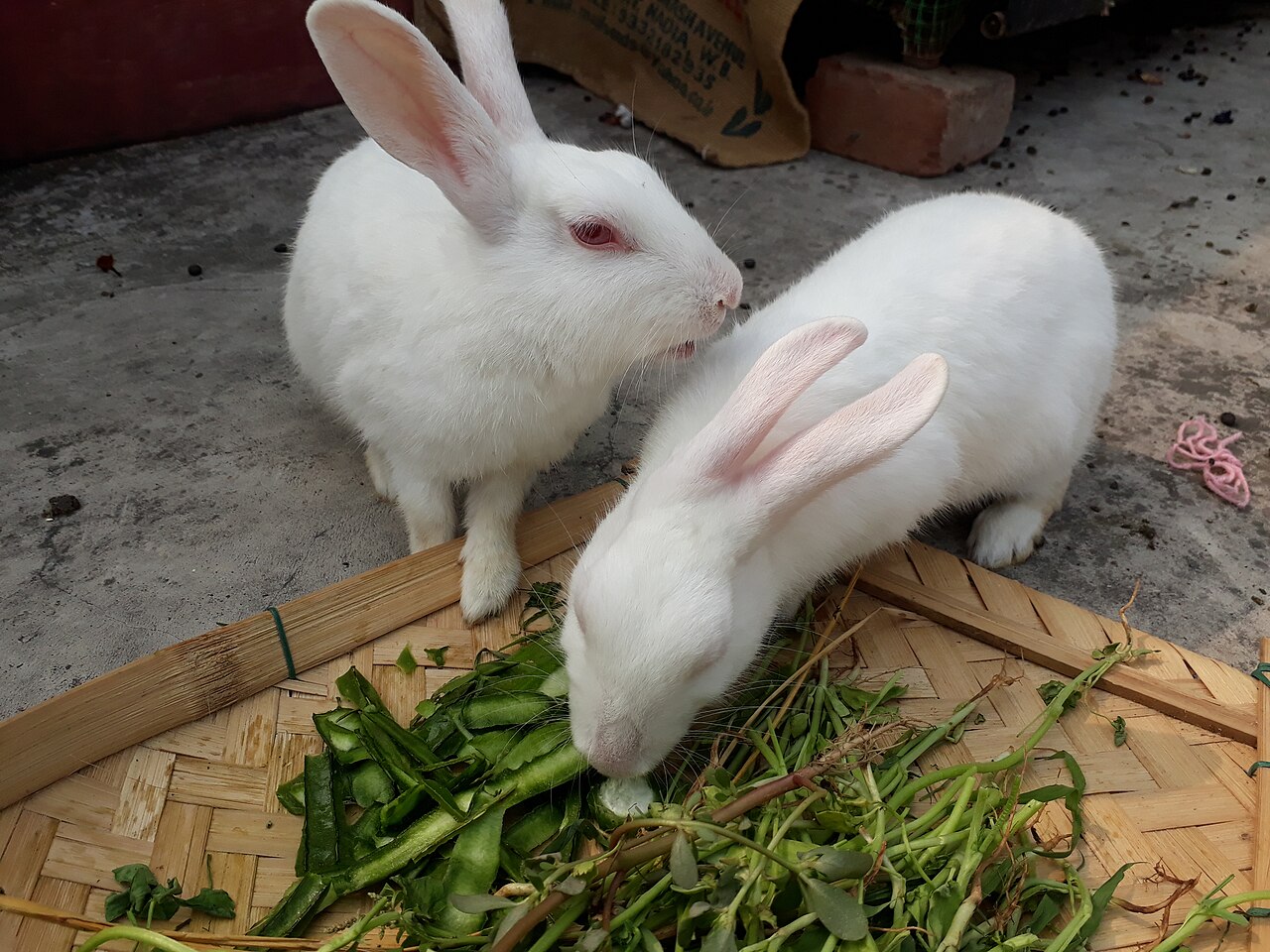
One or two per week for an average adult rabbit of five to eight pounds, and half a grape for a dwarf breed. The general rule used by rabbit vets is that fruit and other sweet treats together should stay under about 5 percent of daily food intake, which for most pet rabbits works out at one to two tablespoons of fruit a day at absolute most, and less is better.
Frequency matters as much as quantity. Giving one grape twice a week is safer than giving four grapes on one day, because the gut adjusts poorly to sudden sugar loads. Introduce grapes for the first time with half a grape and wait 24 hours to see whether droppings change before offering more.
Young rabbits should have none. Rabbits under twelve weeks have immature gut flora and are highly vulnerable to digestive upset, and the standard veterinary advice is unlimited hay, a measured amount of pellets, and no fruit or sugary vegetables at all until at least three months, with fruit introduced gradually after that.
Can Rabbits Eat Grape Seeds and Skin?
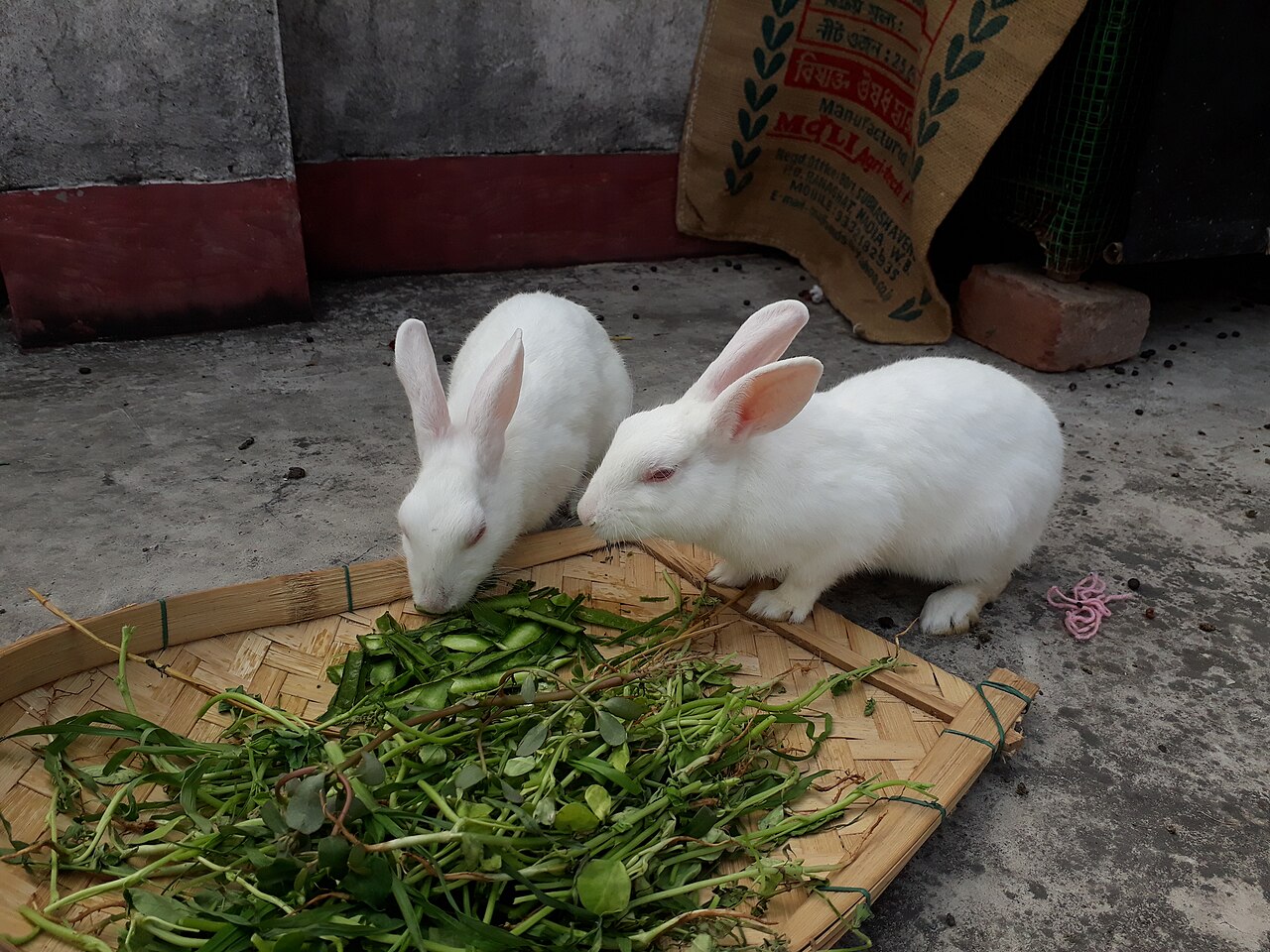
Both are fine. Grape seeds are not toxic to rabbits and pose no choking risk at the size a rabbit chews them, and grape skin is safe and contains more of the fibre and nutrients than the flesh does. There is no need to peel or deseed.
Washing matters more than either. Grapes are among the fruits most consistently found with pesticide residue, and a rabbit’s small body size means residues that are trivial for a person are not trivial for a two-kilogram animal. Wash thoroughly under running water, and organic is worth the difference if grapes are a regular treat.
Remove stems and any attached vine. Stems are not toxic but are tough and stringy and can cause a problem if swallowed in quantity, and grape leaves and vine are best avoided entirely unless you know they are unsprayed, since ornamental and commercial vines are routinely treated.
What About Raisins?
Avoid them. A raisin is a grape with the water removed, which concentrates the sugar to around 60 percent by weight, roughly four times that of a fresh grape, and there is no version of a rabbit diet where that quantity of sugar in a single small item is a good idea.
The other problem is that raisins are convenient, and convenience leads to overfeeding. They are shelf-stable, small, and easy to hand out, and rabbits love them, which is exactly the combination that produces a rabbit eating six raisins a day and not much hay.
If a rabbit has eaten a raisin or two, nothing bad will happen. The concern is regular feeding rather than a single incident. For training treats, a small piece of fresh herb, a sliver of carrot, or a single dried herb pellet works better and carries a fraction of the sugar. The baby rabbit guide covers feeding at the stage where mistakes matter most.
What Happens If a Rabbit Eats Too Many?
Digestive upset first, and it shows in the droppings. Soft, misshapen, or clustered droppings, or a sudden drop in the number produced, are the early signs, and a rabbit that stops producing droppings altogether is an emergency.
Gastrointestinal stasis is the serious outcome. When the gut slows or stops, gas builds, the rabbit stops eating, and the condition becomes life-threatening within hours rather than days. Signs are a rabbit sitting hunched, refusing food, pressing its abdomen to the floor, and grinding its teeth loudly. This needs a rabbit-experienced vet the same day.
Longer term, regular overfeeding of sugary food causes obesity, which in rabbits leads to sore hocks, an inability to reach and eat caecotrophs, urine scald, and reduced grooming. Dental disease follows from reduced hay intake, since molars grow continuously and are worn down by chewing fibre rather than soft fruit.
What Fruits Can Rabbits Eat?
Most common fruits are safe in the same small quantities: apple without seeds, pear without seeds, banana in very small amounts, strawberry, blueberry, raspberry, blackberry, melon, papaya, mango, peach and plum without the stone, and cherry without the pit.
Berries are the better default. Blueberries and raspberries are lower in sugar than grapes and banana, and raspberry and strawberry leaves are safe and actually useful, since they are fibrous and rabbits generally like them. A raspberry leaf is a better treat than a grape by every measure except how much the rabbit begs for it.
Banana is the one to watch. It is the highest-sugar common fruit at over 12 percent, rabbits find it extremely palatable, and it is sticky enough to coat the teeth. A slice the width of a coin once a week is the usual limit. The Netherland dwarf guide covers portion sizing for the smallest breeds.
What Should Rabbits Never Eat?
Apple seeds, pear seeds, and the pits of cherries, peaches, plums, and apricots contain cyanogenic compounds and should be removed. Avocado is genuinely toxic to rabbits through persin and should never be given in any part. Rhubarb, both leaves and stalk, is toxic.
Beyond fruit, the list includes onion, garlic, leek, chives, potato and potato leaves, iceberg lettuce, which is nutritionally empty and can cause diarrhoea, chocolate, and anything containing dairy, meat, bread, cereal, crackers, or processed sugar. Muesli-style rabbit mixes are also best avoided, since rabbits selectively eat the sugary components and leave the fibre.
Sudden diet changes are their own hazard regardless of what the food is. A rabbit’s gut flora adapts slowly, and introducing several new items at once, or switching pellet brands abruptly, causes the same digestive upset as a sugar overload. Add one new food at a time, in a small amount, and wait two or three days before adding another.
Houseplants cause a surprising share of rabbit poisoning cases. Lilies, foxglove, ivy, nightshade, yew, oleander, daffodil bulbs, and tulip bulbs are all dangerous, and free-roaming rabbits reach plants people forget about. The House Rabbit Society (rabbit.org) maintains a current list of safe and unsafe plants and foods.
What Should a Rabbit Actually Be Eating?
Hay, overwhelmingly. Grass hay such as timothy, orchard, or meadow hay should be available at all times and make up roughly 80 to 90 percent of intake, and a rabbit should be eating a body-sized pile of it each day. Alfalfa is too rich in calcium and protein for adults but is appropriate for rabbits under six months.
Fresh leafy greens come next, at roughly one packed cup per two pounds of body weight daily, split across two or three types. Romaine, green leaf lettuce, cilantro, parsley, basil, dill, mint, carrot tops, and dandelion greens are all good. Kale, spinach, and chard are fine in rotation but high in oxalates or calcium, so not daily.
Pellets are a supplement rather than a staple, at about a quarter cup per five pounds of body weight daily for adults, and plain high-fibre pellets rather than mixes with seeds and coloured pieces. Fresh water at all times, ideally in a heavy bowl rather than a bottle, since rabbits drink far more from a bowl. Droppings are the daily check, and the rabbit poop guide covers what normal looks like. The rabbit sounds guide covers reading a rabbit’s condition day to day.
Related reading: can rabbits eat cucumber.
Related reading: can rabbits eat strawberries.
Related reading: can rabbits eat broccoli.
Related reading: can rabbits eat apples.
Related reading: can rabbits eat tomatoes.
Related reading: can rabbits eat bananas.
Related reading: can rabbits eat watermelon.
Frequently Asked Questions
Can rabbits eat grapes?
Yes, in small amounts. One or two grapes once or twice a week for an average adult, half a grape for a dwarf breed, and none at all for rabbits under twelve weeks old.
Are grapes toxic to rabbits?
No. The kidney toxicity that grapes and raisins cause in dogs does not apply to rabbits. The concern is sugar content and the risk of rabbits eating grapes instead of hay.
Can rabbits eat grape seeds and skin?
Yes, both are safe and there is no need to peel or deseed. Wash grapes thoroughly, since they commonly carry pesticide residue and a rabbit is small enough for that to matter.
Can rabbits eat raisins?
Best avoided. Drying concentrates the sugar to around 60 percent, roughly four times a fresh grape. A single raisin will not harm a rabbit, but regular feeding will.
What happens if a rabbit eats too many grapes?
Soft or reduced droppings first, then potentially gastrointestinal stasis, which is life-threatening within hours. A rabbit that stops eating and producing droppings needs a vet the same day.
What fruits are toxic to rabbits?
Avocado is genuinely toxic and rhubarb should never be given. Apple and pear seeds and the pits of stone fruit contain cyanogenic compounds and must be removed.
What should rabbits eat most of?
Hay, at 80 to 90 percent of intake and available at all times, plus about a cup of leafy greens per two pounds of body weight daily and a small measured portion of plain high-fibre pellets.

Similar Posts
Can Guinea Pigs Eat Broccoli? Vitamin C vs Gas Risk
Yes, a small floret two or three times a week. Excellent vitamin C, but brassica gas is a real limit since guinea pigs cannot pass gas easily.
Can Guinea Pigs Eat Tomatoes? Safe Parts and Portions
Ripe tomato flesh is safe for guinea pigs, but the leaves, stems and green calyx are toxic. Here is the portion size, the prep step, and the risks to watch.
Texel Guinea Pig: Grooming, Cost, and Whether to Get One
A curly-coated long-haired breed that needs daily brushing and a permanently trimmed rear. What the coat actually demands, what one costs, and why it is not a first guinea pig.
Can Rabbits Eat Apples? Seeds, Skin, and Portions
Flesh and skin yes, seeds no. Why amygdalin matters at rabbit body size, how much per week, and why apple twigs are a better treat than the fruit.
Can Rabbits Eat Tomatoes? Safe Parts and What to Avoid
Ripe flesh yes, in small amounts. Leaves, stems, and green fruit are toxic. What’s safe, how much, and what solanine poisoning looks like.
Can Bearded Dragons Eat Bananas? Safe Amounts Explained
Bearded dragons can eat bananas once or twice a month. Here is why the calcium to phosphorus ratio matters and how to serve banana safely.