Goldfish Food: What to Feed and How Much
The best goldfish food is a quality sinking pellet formulated for goldfish, fed once or twice a day in an amount the fish finish in about a minute, supplemented with blanched vegetables and occasional frozen or live foods. Flakes work but are the weaker option, because goldfish gulp air at the surface while eating them, which contributes to the buoyancy problems fancy varieties are prone to.
Overfeeding is the single most common way goldfish are killed, and it works indirectly: uneaten food and excess waste drive ammonia up, which damages gills and suppresses the immune system. A goldfish will beg at the glass whether or not it is hungry, and the begging is not information. This guide covers what to feed, how much, vegetables, homemade substitutes, and how long they can go without.
Feed goldfish a quality sinking pellet formulated for goldfish, once or twice daily, in an amount they finish within a minute. Sinking pellets are better than flakes because surface feeding makes goldfish gulp air, which causes buoyancy problems. Supplement with blanched peas, spinach, and courgette. Healthy adults can go a week or more without food.
| Food | Role |
|---|---|
| Sinking goldfish pellets | Staple; best default choice |
| Gel food | Excellent staple; no air gulping |
| Flakes | Acceptable; encourages air gulping |
| Blanched peas, deshelled | Fibre; helps with constipation |
| Spinach, courgette, lettuce | Blanched vegetables, 2 to 3 times a week |
| Frozen bloodworm, daphnia | Occasional protein treat |
| Feeding amount | What they finish in about 1 minute |
What Is the Best Food for Goldfish?
A sinking pellet formulated specifically for goldfish. Goldfish are omnivores with a plant-heavy natural diet, and goldfish-specific formulations run lower in protein and higher in carbohydrate and fibre than tropical or cichlid foods, which matters because goldfish have no stomach and digest continuously through a long intestine.
Sinking beats floating for a practical reason. Goldfish feeding at the surface swallow air along with the food, and swallowed air in the gut contributes to the buoyancy disorders that fancy varieties, with their compressed body shape and folded intestines, are especially prone to. Sinking food removes the cause.
Gel food is the option most serious keepers move to. Sold as a powder mixed with hot water and set in the fridge, it is highly digestible, contains no air, produces less waste than dry food, and can be cut to size. It costs more effort than shaking a tub over the tank, which is why most people stay with pellets. The baby goldfish guide covers feeding at the fry stage, and the koi guide covers the pond relatives fed on similar principles.
Flakes or Pellets?
Pellets, for most setups. Flakes float, dissolve quickly, and lose vitamins fast once the tub is opened, and the fine particles that break off cloud the water and rot in the substrate. They also guarantee surface feeding and air gulping.
Flakes do have uses. They suit very small fish and fry that cannot manage pellet size, and they are easy to portion for a lightly stocked tank. If you use them, buy small tubs and replace them every couple of months rather than working through a large container for a year.
Whichever you use, pre-soaking helps. Dry food expands as it absorbs water, and food that expands inside a goldfish rather than in a cup contributes to bloating and constipation. Soaking pellets in tank water for a minute before feeding is a small habit that prevents a common problem.
How Often Should You Feed Goldfish?
Once or twice a day, in an amount they finish within about a minute. Two small feedings suit goldfish better than one large one because they have no stomach to hold a meal, but one feeding a day is perfectly adequate and reduces the risk of overfeeding.
The one-minute rule is the practical measure. Feed a small pinch, watch, and if food is still drifting after a minute you have given too much. Anything uneaten should be removed rather than left to break down, since decaying food is what drives ammonia and nitrite spikes.
Temperature changes the requirement substantially. In an unheated tank or pond below about 60 degrees Fahrenheit, metabolism slows and feeding should drop to every other day or less, and below about 50 degrees goldfish should not be fed at all, since food sits undigested in the gut. Pond keepers switch to a wheatgerm-based food in autumn for this reason.
What Vegetables Can Goldfish Eat?
Most soft green vegetables, blanched. Shelled peas are the classic and the most useful, along with spinach, courgette, lettuce, broccoli, kale, cucumber, and green beans. Blanch briefly in boiling water, cool, and cut small enough to swallow.
Peas deserve their reputation. The fibre helps move food through the gut, and a day or two of peas only is the standard first response to a goldfish that is floating oddly, sitting on the bottom, or producing trailing stringy waste, all of which usually indicate constipation rather than disease. Shells must be removed since goldfish cannot digest them.
Fruit works occasionally in small amounts, including orange segments, banana, and grapes, though vegetables are the better routine choice. Two or three vegetable feedings a week alongside pellets covers the plant side of the diet well. The oranda goldfish guide covers a fancy variety particularly prone to the problems fibre helps with.
What Can You Feed a Goldfish Without Fish Food?
Blanched vegetables are the best short-term answer: peas, spinach, courgette, or lettuce, prepared as above. These are nutritionally reasonable and safe, and most households have at least one of them.
Other workable options include a small piece of boiled egg yolk, cooked rice or oatmeal in tiny amounts, and a fragment of cooked unseasoned white fish or shrimp. All of these are stopgaps rather than a diet, since none is balanced, and they foul water faster than proper food.
Bread is the thing to avoid, along with crackers, cereal, and anything processed. Bread swells in the gut, contains yeast and salt, and is one of the more common causes of digestive blockage in goldfish and in pond fish generally. If you have no fish food and no vegetables, feeding nothing for a few days is safer than feeding bread.
How Long Can Goldfish Go Without Food?
A healthy adult goldfish can go one to two weeks without feeding, and considerably longer in cool water. This is genuinely useful information for anyone going away, and it is why automatic feeders and neighbour visits usually cause more harm than good.
For a trip of up to a week, feed normally before leaving and feed nothing while away. For longer, a reliable automatic feeder set to a small portion every other day is better than asking someone unfamiliar with fish, who will almost invariably overfeed. Vacation feeder blocks are best avoided, since they dissolve unpredictably and affect water chemistry.
Fry and very young fish are the exception and need feeding several times daily. Sick or recently stressed fish also should not be fasted deliberately. For everything else, underfeeding is the safer error by a wide margin. The shubunkin goldfish guide covers a hardy variety often kept in ponds where this applies.
How Do You Know If a Goldfish Is Hungry?
You mostly cannot, and this is the trap. Goldfish beg, rush to the front of the tank when someone approaches, and root through the substrate constantly, and none of that indicates hunger. It indicates that goldfish are opportunistic foragers wired to eat whenever food is available.
Better indicators are physical and take longer to read. A well-fed goldfish has a rounded but not distended belly, good colour, and steady activity. A genuinely underfed one becomes thin along the back, with a visibly narrowing body behind the head, and loses colour intensity over weeks.
Feeding response is worth watching for the opposite reason. A goldfish that ignores food is a warning sign, since a healthy goldfish always eats, and a sudden loss of appetite alongside clamped fins, hiding, or resting on the bottom points to water quality problems or illness rather than fussiness. Test the water first.
Do Goldfish Need Different Food in a Pond?
Yes, mainly because temperature swings so much more outdoors. Pond goldfish need a food matched to water temperature rather than a single formula year-round, and most pond ranges are split into a summer growth food higher in protein and an autumn and spring wheatgerm food that is easier to digest in cold water.
The switching points are roughly 60 and 50 degrees Fahrenheit. Above 60, feed the standard food once or twice daily; between 50 and 60, switch to wheatgerm and feed every other day; below 50, stop entirely. Feeding a cold fish is actively harmful, because digestion effectively stops and food rots in the gut.
Pond fish also feed themselves to a degree that tank fish cannot. An established pond produces algae, insect larvae, and detritus that goldfish graze continuously, so a lightly stocked pond in summer often needs far less supplementary food than the manufacturer’s instructions suggest. Clear water with no visible growth is a sign of overfeeding rather than good keeping.
What Does Overfeeding Actually Do?
It poisons the water. Uneaten food and the extra waste from overfed fish break down into ammonia, which is toxic to fish at very low concentrations, damaging gill tissue and suppressing the immune system before it kills. Most goldfish that die in the first months of ownership die from this rather than from disease.
Goldfish make the problem worse than most fish because they are messy. They produce a large amount of waste for their size, dig through substrate, and have no stomach, so food passes through quickly and in quantity. A goldfish needs far more water volume and filtration than the bowl-and-flakes stereotype suggests, with 20 to 30 gallons for the first fish and 10 to 20 more per additional fish as the usual guidance.
Direct effects on the fish include constipation, swim bladder disorder, and fatty liver disease over time. Weekly partial water changes of 25 to 50 percent, a filter rated well above the tank volume, and restrained feeding together prevent nearly all of it. University extension aquaculture programmes such as Florida’s (ufl.edu) publish water quality guidance that applies directly to home tanks. The butterfly koi guide covers the pond relatives with the same requirements at larger scale.
Frequently Asked Questions
What food is best for goldfish?
A quality sinking pellet formulated for goldfish, or gel food. Both avoid the air gulping that surface feeding causes, which contributes to the buoyancy problems fancy varieties suffer from.
Do goldfish prefer flakes or pellets?
Pellets are the better choice. Flakes float, dissolve fast, lose vitamins once opened, and cloud the water. Soak dry food briefly before feeding so it expands in the cup rather than in the fish.
How often should you feed goldfish?
Once or twice a day, only what they finish in about a minute. Feed less in cool water and stop entirely below about 50 degrees Fahrenheit, when food sits undigested.
What can I feed a goldfish if I have no fish food?
Blanched deshelled peas, spinach, courgette, or lettuce. Boiled egg yolk or a little cooked rice work as stopgaps. Never feed bread, which swells in the gut and causes blockages.
How long can goldfish go without food?
One to two weeks for a healthy adult, longer in cool water. For trips up to a week, feed nothing rather than asking someone unfamiliar with fish, who will almost certainly overfeed.
How do you tell if a goldfish is hungry?
You largely cannot. Begging at the glass means nothing, since goldfish are opportunistic foragers. Judge by body condition instead, and treat a fish that refuses food as a warning sign.
What happens if you overfeed goldfish?
Uneaten food and extra waste drive ammonia up, damaging gills and suppressing immunity. Overfeeding also causes constipation and swim bladder problems, and it kills more goldfish than disease does.

Similar Posts
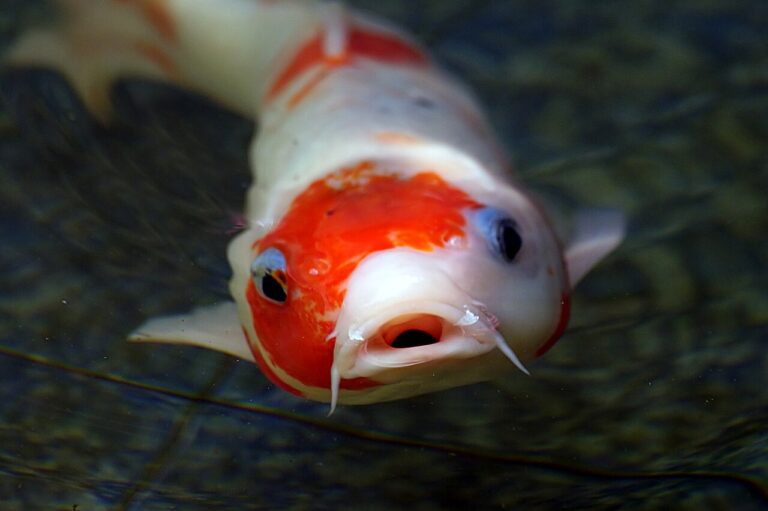
Koi Fish Meaning: Symbolism, Colours, and the Legend
Koi symbolise perseverance and transformation, from the carp that became a dragon at Dragon Gate. What each colour means, why direction matters, and the Japanese tradition.
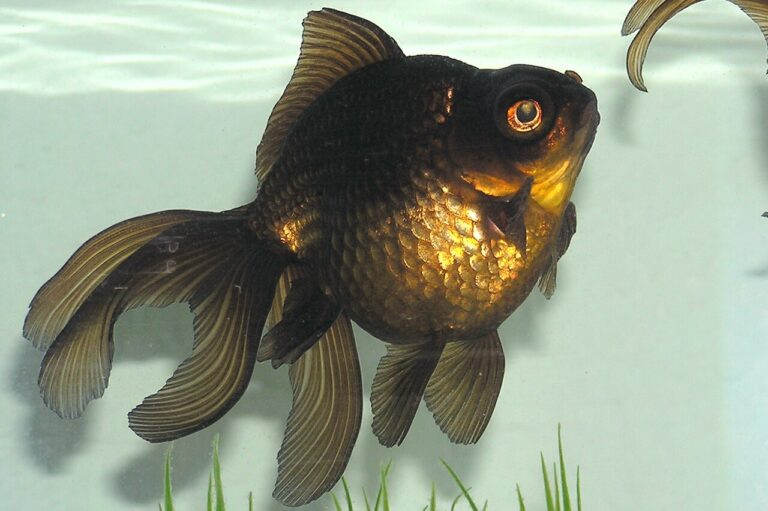
Black Moor Goldfish: Tank Size, Care, and Problems
Telescope eyes that see poorly, a slow body, and a ten to fifteen year lifespan. Tank size, safe tank mates, why they fade to orange, and the buoyancy fix.
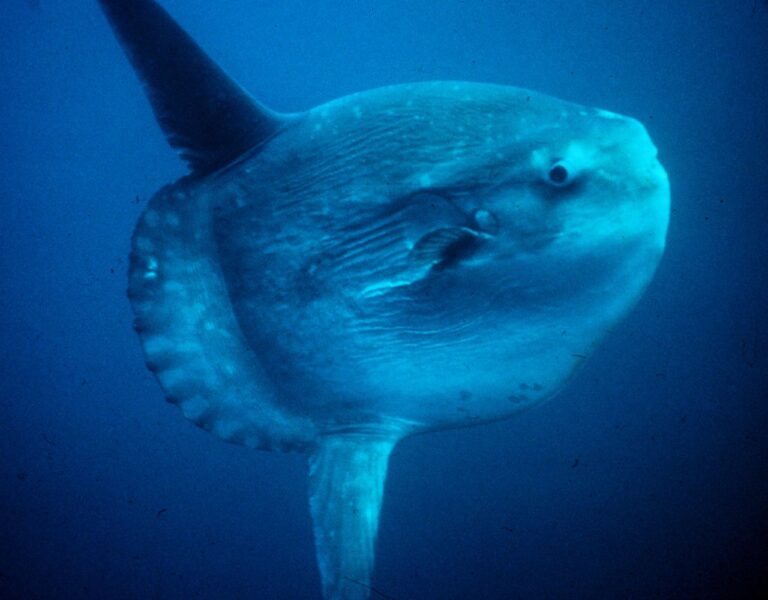
Sunfish: Ocean Giant and Freshwater Panfish Explained
Two unrelated fish share the name sunfish. Here is the ocean sunfish, heaviest bony fish alive, and the bluegill relatives anglers actually catch.
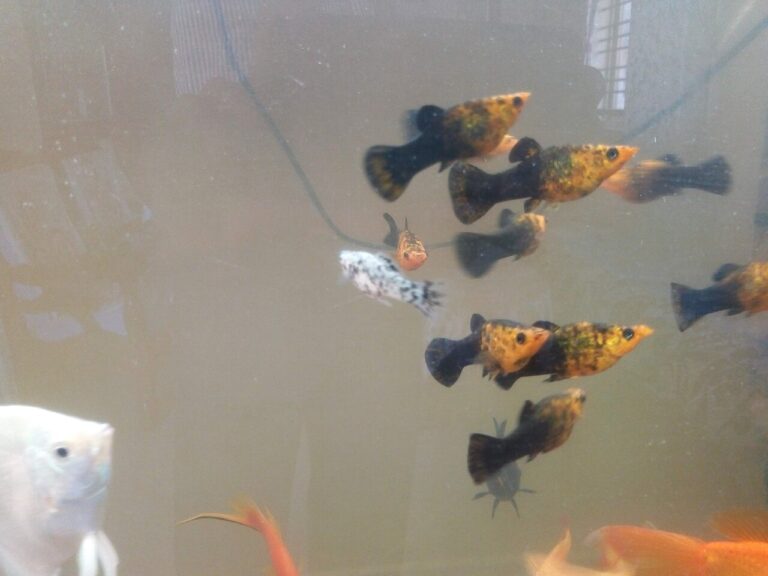
Molly Fish: Care, Varieties, Breeding, and Water Needs
Molly fish need hard alkaline water, which is the opposite of most community fish. Here is the care, the varieties, and what pregnancy involves.
Female Betta Fish: Identification, Sororities, and Care
Female betta fish have shorter fins, muted color, and can live in groups called sororities. Identification, sorority setup, breeding, and health quirks explained.
Oranda Goldfish: Wen Health & Complete Care Guide
A complete oranda goldfish care guide covering the wen, correct tank sizing, diet, tank mates, and common health issues.