Do Betta Fish Need a Filter? Yes, and Here Is Why
Betta fish need a filter in almost every realistic setup. A betta can survive without one because its labyrinth organ lets it breathe air from the surface, but breathing is not the problem a filter solves. The filter houses the bacteria that convert ammonia from waste and uneaten food into far less toxic nitrate, and without that colony the water turns lethal long before the fish looks distressed.
The confusion comes from decades of bowls sold with a betta inside. Those fish did not thrive, they endured, and most died within months of purchase. What follows is what a filter actually does for Betta splendens, which filter types suit a fish with heavy fins and poor swimming power, how flow rate ruins an otherwise correct tank, and what running unfiltered honestly costs in labor.
Yes, betta fish need a filter. A filter holds the beneficial bacteria that break down toxic ammonia and nitrite from fish waste. Bettas breathe air at the surface, so the filter is not about oxygen. Choose a low flow sponge or baffled hang on back filter in a tank of 5 gallons (19 L) or larger.
| Filter type | Suits a betta | Why |
|---|---|---|
| Sponge filter | Best choice | Gentle flow, large bacterial surface, no fin damage |
| Hang on back | Good, with a baffle | Strong biological capacity but needs flow reduced |
| Internal power filter | Usually too strong | Outflow blasts a small tank unless adjustable |
| Canister filter | Overkill under 20 gal | Excellent filtration, hard to gentle down |
| Undergravel filter | Outdated | Traps waste in substrate, poor for planted tanks |
| No filter | Not recommended | Requires 25 to 50 percent water changes every 2 to 3 days |
Can My Betta Live Without a Filter?
A betta can live without a filter, but only if you personally replace what the filter would have done. In an unfiltered tank there is no established bacterial colony to process waste, so ammonia climbs from the moment the fish starts eating. Ammonia burns gill tissue at concentrations well under 1 ppm, and the damage is cumulative rather than sudden.
That leaves manual water changes as the only export route: 25 to 50 percent every two to three days in a 5 gallon (19 L) tank, tested rather than guessed, with dechlorinated water matched to tank temperature. Miss a week during a vacation and the fish pays for it. Compare that to a filtered tank needing one 25 percent change per week, and the filter is clearly the lower effort option.
What a Filter Actually Does in a Betta Tank
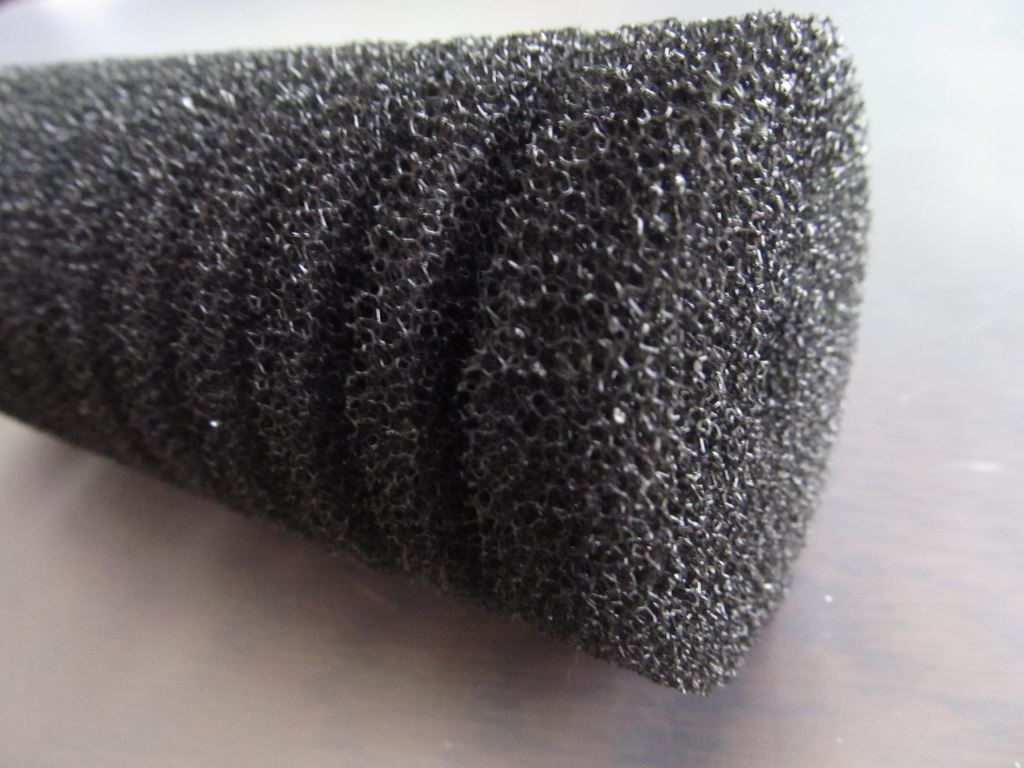
Filtration works in three modes, and only one of them is optional. Mechanical filtration traps visible debris in sponge or floss. Chemical filtration, usually activated carbon, pulls dissolved compounds and odors and is the one you can skip. Biological filtration is the whole point: bacteria colonizing the media oxidize ammonia to nitrite, then nitrite to nitrate.
Both ammonia and nitrite are acutely toxic, while nitrate is tolerable up to roughly 20 to 40 ppm and gets removed by water changes and live plants. That chain is the nitrogen cycle, and it runs in every healthy aquarium whether or not the keeper knows about it. A filter simply gives the bacteria a high oxygen surface to live on, which is why the media should never be replaced all at once or rinsed under tap water.
Do Betta Fish Need a Filter in a 5 Gallon Tank?

Yes, and 5 gallons (19 L) is where a filter becomes easiest to justify rather than hardest. Small volumes swing fast: a missed feeding cleanup or one dead snail can spike ammonia overnight in a way that would barely register in 20 gallons (76 L). Stability scales with water volume, and the filter is what buys the margin.
Five gallons is the practical floor for a single betta, not a target. A 10 gallon (38 L) tank costs little more, holds temperature better, and gives room for plants and swimming lanes. Whatever the size, the filter should be rated for at least the tank volume, then tuned down for flow rather than chosen small. More background on keeping betta fish is worth reading before committing to a footprint.
Can a Betta Live in a Bowl?
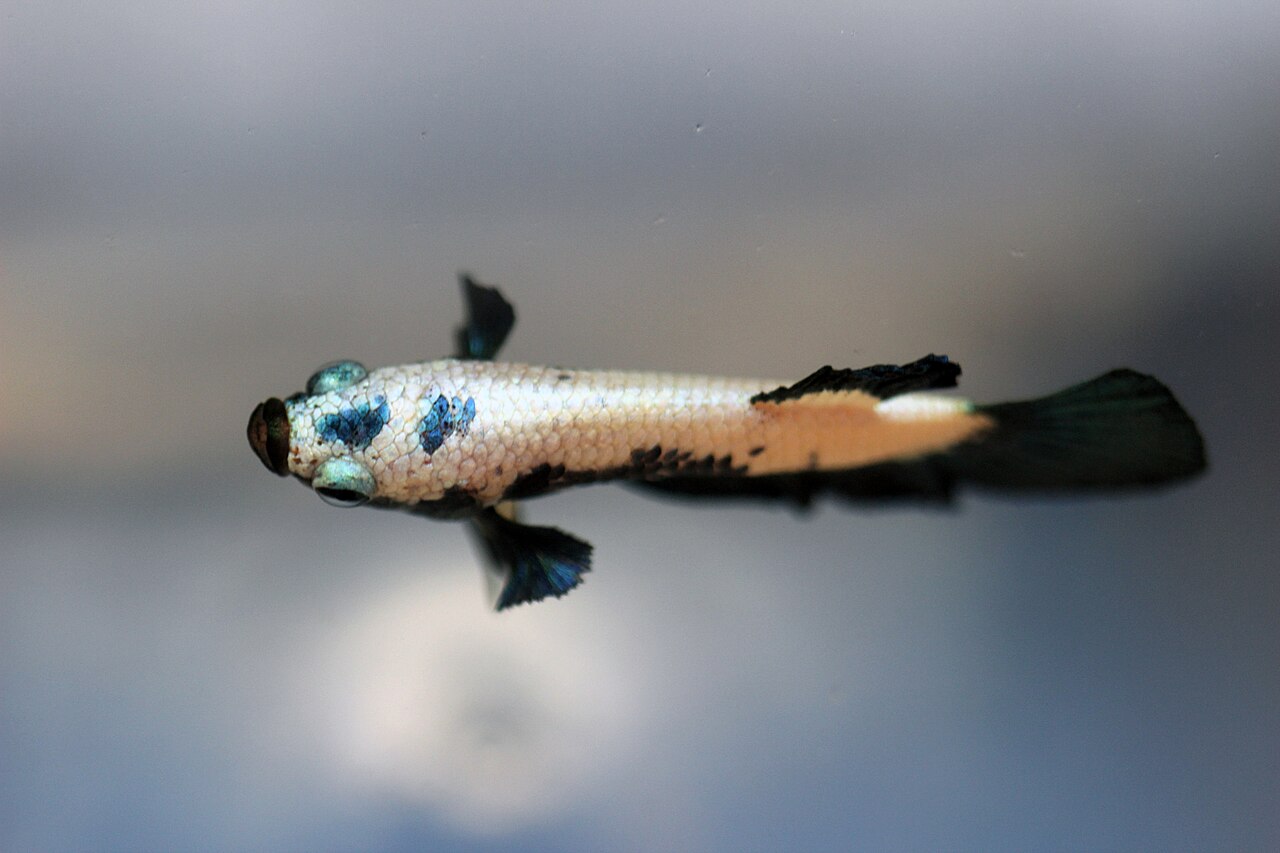
A betta can be kept alive in a bowl for a while, which is not the same as living well. Bowls typically hold 0.5 to 1 gallon (2 to 4 L), cannot fit a heater safely, have no room for a filter, and lose heat through the glass all night. Temperature swings of several degrees per day suppress the immune system even when water parameters read acceptable.
The shape works against the fish too. A rounded bowl has a small surface area relative to volume, which limits gas exchange, and curved glass distorts the view in both directions. Bettas kept in bowls commonly die within six to twelve months, while a properly housed betta lives three to five years. The bowl is the single most common reason for that gap.
Best Filter Types for Betta Fish
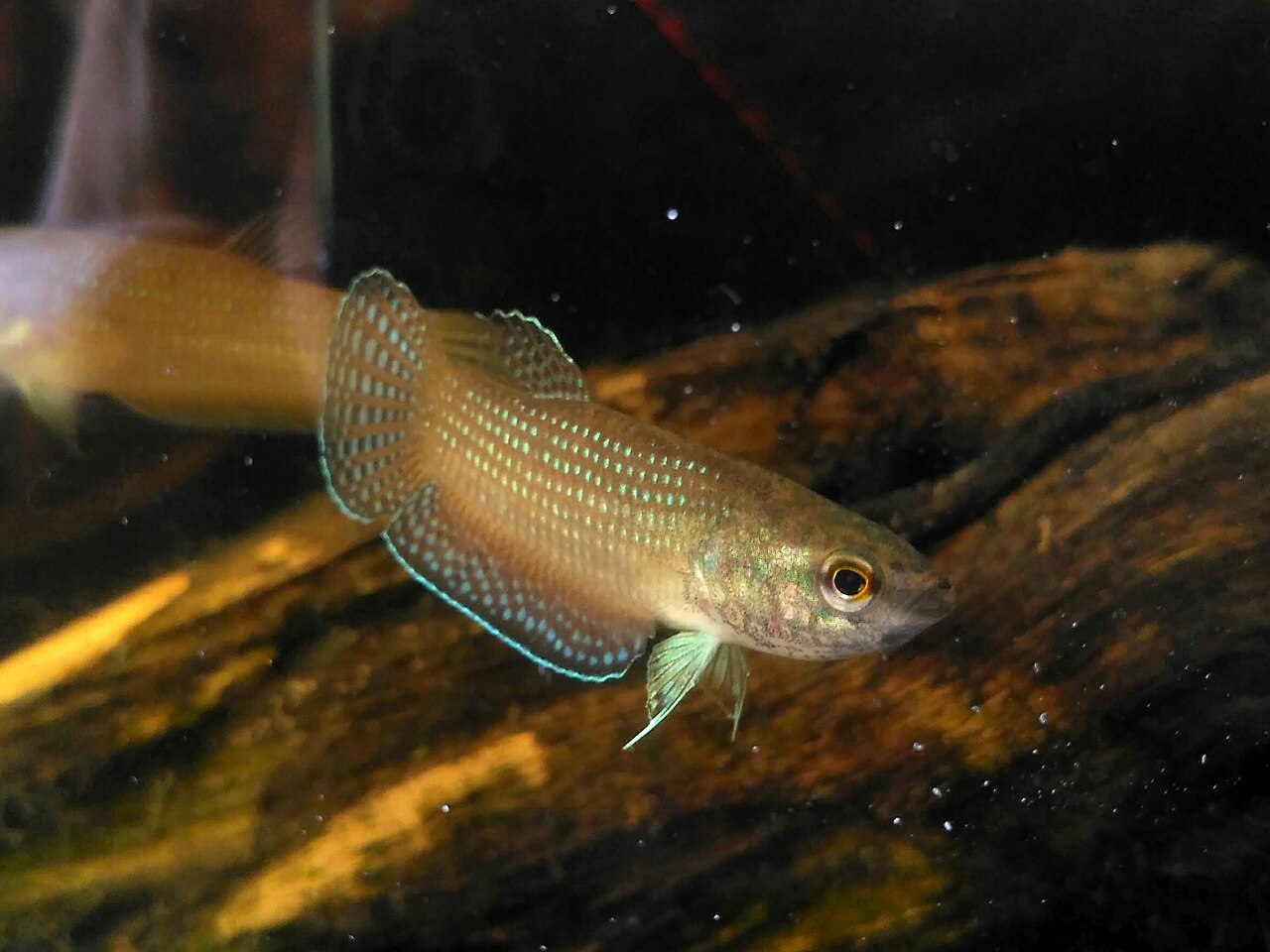
Sponge filters are the default recommendation and deserve it. An air pump pushes bubbles through a lift tube, water is drawn slowly through porous foam, and that foam becomes prime bacterial real estate. Flow is gentle enough that even a heavily finned halfmoon betta can hold position beside it, and there is no impeller to injure a fish that decides to investigate.
Hang on back filters filter more per dollar and suit tanks of 10 gallons (38 L) and up, provided the outflow is broken up. A pre filter sponge over the intake stops long fins being pulled in, and that same sponge adds biological capacity. Internal power filters work only when genuinely adjustable, and canisters are best saved for larger community tanks where a betta is one of several residents.
Why Flow Rate Matters More Than Filter Size
A betta is built for still water. Wild Betta splendens live in shallow, slow moving habitat across Thailand and the Mekong basin: rice paddies, marshes, and roadside ditches. Their long ornamental fins, bred far beyond the wild form, act as sails in current. A fish pinned against the glass or hiding behind decor all day is usually fighting flow, not sick.
The fix is cheap. Baffle a hang on back outflow with a cut plastic bottle or a piece of filter sponge wedged under the lip, throttle an air pump with an inline valve, or aim an internal filter outlet at the glass rather than into open water. The target is visible surface movement with no current strong enough to push the fish off course. Reference data on the species and its habitat is available through FishBase.
Do Betta Fish Need a Bubbler or an Air Stone?
No, a betta does not need a bubbler for oxygen. The labyrinth organ, a folded structure of vascularized bone above the gills, lets the fish gulp atmospheric air at the surface, which is why a betta will die in a sealed tank even with perfectly oxygenated water. Surface access matters far more than dissolved oxygen levels.
An air stone is still useful indirectly. It drives an air powered sponge filter, breaks surface film that would otherwise block gas exchange, and keeps water circulating between warm and cool layers. Run it on the lowest setting that keeps the filter working. Heavy bubbling produces chop the fish has to swim against, and it disturbs the surface bubble nests males build.
Do Betta Fish Need a Heater as Well?
A heater is as essential as the filter, and for the same reason: bettas are tropical fish, not room temperature fish. The target range is 78 to 80 F (25.5 to 27 C), held steady. Below about 75 F (24 C), metabolism slows, the fish stops eating, sits on the substrate, and becomes vulnerable to fin rot and ich.
Veterinary care sheets for ornamental fish, including the ones published by VCA Animal Hospitals, put the range in the same place. An adjustable heater with an external thermostat beats a preset one, and a separate thermometer on the opposite side of the tank catches failures early. Room temperature is unreliable even in a heated house, since night setbacks and window drafts push a small tank down several degrees by morning. The full picture on correct betta water temperature is worth setting up before the fish arrives.
Cycling the Tank Before the Fish Arrives
A new filter contains no bacteria, so installing one and adding a betta the same day gives you an unfiltered tank with a pump in it. Cycling means growing that colony first, usually by dosing pure ammonia to about 2 ppm and testing until ammonia and nitrite both read zero within 24 hours while nitrate climbs. In a warm tank that takes three to six weeks.
Seeding shortens it dramatically. A squeeze of mature sponge, a handful of established substrate, or a used filter cartridge from a healthy tank transplants the bacteria directly. Bottled starter cultures vary in quality but help. Skip cycling entirely and you are committed to a fish in cycle, meaning daily testing and water changes for a month to keep ammonia below 0.25 ppm.
How to Run an Unfiltered Betta Tank Properly
Some keepers run unfiltered planted tanks successfully, and the method is specific rather than casual. Heavy planting with fast growers such as hornwort, water sprite, and floating plants consumes ammonia directly, which is the only mechanism doing the filter’s job. Stocking stays at one betta, feeding stays light, and the substrate gets siphoned every few days.
Testing is non negotiable in that setup. A liquid test kit for ammonia, nitrite, and nitrate tells you whether the plants are keeping pace, and the schedule follows the readings rather than the calendar. Any ammonia above zero means an immediate 50 percent water change. This approach demands more attention than a sponge filter costing under twenty dollars, which is why it suits experienced keepers and nobody else.
What Not to Put in a Betta Tank
Sharp decor is the first thing to remove. Plastic plants with molded edges, resin ornaments with rough seams, and anything with narrow gaps will shred long fins or trap a fish that wedges itself in overnight. Run a nylon stocking over every ornament: if it snags the fabric, it will snag fins.
Skip tank mates that nip, including tiger barbs, serpae tetras, and most fancy guppies, whose trailing fins attract aggression. Never house two males together, and be cautious with sorority setups of female bettas, which fail often. Also leave out untreated tap water, soaps or cleaners of any kind, and mirrors used for entertainment, which create sustained stress rather than enrichment.
Signs the Filter Is Wrong for Your Betta
Watch behavior before water tests, because the fish reports flow problems first. A betta constantly hiding behind the filter, resting on decor near the substrate, or getting pushed sideways when it stops swimming is telling you the current is too strong. Torn or split fins with no sign of infection usually mean contact with an intake or a decoration, not disease.
Clamped fins, lethargy, and gasping at the surface point the other way, toward water quality rather than flow, and call for immediate testing. Remember that bettas sleep, so a fish lying still on a leaf at night is normal; betta sleep behavior gets misread as illness constantly. A healthy fish in a correctly filtered tank cruises the full tank, flares briefly, builds bubble nests, and eats without hesitation.
Frequently Asked Questions
What does a betta need in its tank?
A tank of at least 5 gallons (19 L), a heater holding 78 to 80 F (25.5 to 27 C), a low flow filter, a lid with surface access, soft substrate, live or silk plants, and one resting spot near the surface. Everything else is optional decoration.
How long can a betta fish live without a filter?
Weeks to months, depending entirely on water change discipline. Ammonia is the limiting factor, not oxygen. With 25 to 50 percent changes every two to three days and light feeding, a betta can live a normal lifespan unfiltered; without that schedule, it declines within weeks.
Why can’t you touch betta fish?
Fish carry a protective slime coat that blocks bacteria, fungi, and parasites. Handling strips it away and leaves the skin exposed, and hands may carry soap or lotion residue. If a betta must be moved, use a soft net or a cup of tank water instead.
Can betta fish bite my finger?
Yes, and it happens often at feeding time. A betta has small teeth and may nip a finger in the water, usually out of curiosity or food association. The bite cannot break human skin and feels like a light pinch, so it poses no risk to you.
Why are bettas so hard to keep alive?
They are not, but they are commonly sold with equipment that guarantees failure. Bowls without heaters or filters, uncycled water, and overfeeding account for most early deaths. Given 5 gallons, stable heat, and a cycled filter, bettas are among the hardiest freshwater fish available.
How long is a betta’s memory?
Far longer than the three second myth suggests. Bettas recognize their keeper, learn feeding routines, and can be trained to follow a finger or swim through a hoop, with retention measured in weeks or months. That capacity for learning is why enrichment in the tank matters.