Betta Fish Care: Tank Size, Diet & Lifespan Guide
Betta fish, or Siamese fighting fish, are small, vividly colored freshwater fish popular as a beginner-friendly first aquarium pet, but “beginner-friendly” does not mean low-maintenance. A healthy betta needs a properly cycled, heated, and filtered tank of at least 5 gallons, not the small bowl they are often mistakenly sold alongside. This guide covers tank setup, water conditions, diet, lifespan, and the most common mistakes that shorten a betta’s life.
| Requirement | Detail |
|---|---|
| Minimum tank size | 5 gallons (2.5 gallon absolute minimum, not recommended) |
| Water temperature | 78 to 80°F (heater required) |
| Diet | Carnivore; betta-specific pellets plus occasional live/frozen food |
| Lifespan | 3 to 5 years typical; up to 10 with excellent care |
| Tank mates | Male bettas must be kept alone; some tolerate peaceful community fish |
Why Bettas Should Not Live in a Bowl
The image of a betta in a small, unfiltered bowl is one of the most damaging myths in the fishkeeping hobby, and it has likely killed more bettas than any single disease. According to veterinary sources including PetMD, bettas do best in a minimum of 2.5 gallons, but a 5 to 10 gallon tank is genuinely ideal, since larger volumes of water are more chemically stable and far more forgiving of the inevitable fluctuations in temperature and water quality. A bowl lacks the space for a heater, filter, and the stable water conditions bettas need, and a betta kept this way typically shows duller color, less activity, and a significantly shorter lifespan than one in a properly equipped tank.
Axolotls are another popular aquatic pet with very different care needs than a betta; see our guide to what axolotls eat if you are considering one alongside or instead of a fish tank.
Where Betta Fish Come From
Betta fish (Betta splendens) originate from the shallow, slow-moving waters of Thailand, Cambodia, and Vietnam, including rice paddies and marshes where water can be warm, oxygen-poor, and prone to drying up seasonally. This origin explains two of the betta’s defining traits: a labyrinth organ that lets them breathe air directly from the surface, allowing survival in low-oxygen water that would suffocate most fish, and a strongly territorial temperament that developed because shrinking ponds during dry seasons forced isolated bettas into direct competition, giving rise to their nickname as Siamese fighting fish.
Setting Up a Betta Tank
A proper betta setup starts with at least 5 gallons of water, a submersible heater to hold a steady 78 to 80°F, and a gentle filter, since bettas dislike strong currents that can tire their long fins; sponge filters or adjustable low-flow filters work well. The tank should be fully cycled before adding a fish, a process that establishes the beneficial bacteria that break down waste and typically takes four to six weeks, during which water parameters like ammonia and nitrite should be tested regularly. Add live or silk plants, a cave, or a betta log for hiding spots, but avoid sharp plastic decorations that can tear delicate fins, and always use a lid, since bettas are surprisingly capable jumpers.
Do Betta Fish Recognize Their Owners?
Anecdotally, many betta keepers report that their fish appear to recognize them specifically, becoming more active or swimming to the front of the tank when their regular caretaker approaches versus a stranger. While rigorous scientific study of individual recognition in bettas is limited, the behavior is consistent enough with what is documented in other fish species that it is plausible bettas can associate a person’s presence, movement pattern, or shadow with feeding time, similar to how crows and other intelligent animals learn to associate specific humans with food.
What Do Betta Fish Eat?
Bettas are carnivores, and their diet should reflect that: a staple of high-quality betta-specific pellets, chosen because they concentrate the protein-heavy nutrition bettas need rather than diluting it with filler like generic flake food. Live, frozen, or freeze-dried foods such as bloodworms, brine shrimp, and daphnia make excellent supplements and can noticeably boost coloration. A useful portion guide is that a betta’s stomach is roughly the size of its own eyeball, so feeding once or twice daily in small amounts, only as much as the fish can finish in a couple of minutes, prevents the bloating and swim bladder problems that overfeeding commonly causes. Remove uneaten food promptly, since it fouls the water quickly in a small tank.
Do Betta Fish Need Live Plants?
Live plants are not strictly required, but they offer real benefits: they help oxygenate the water, provide natural hiding and resting spots that reduce stress, and can modestly improve water quality by absorbing some waste compounds between water changes. Low-light, hardy species like java fern, anubias, and java moss are popular choices since they tolerate a betta’s preferred dim, slow-moving water conditions without demanding intense lighting or fertilization. Silk plants are a reasonable alternative for keepers who prefer lower maintenance, but plastic plants should generally be avoided unless specifically labeled fish-safe, since cheaper plastic can have sharp edges that tear a betta’s fins, an injury risk similar in principle to how a poorly designed bird feeder with sharp edges can injure visiting backyard birds.
Water Conditions Bettas Need
Stable water quality matters more for betta health than almost any other single factor. Water temperature should stay in the 78 to 80°F range, since anything colder than about 74°F slows a betta’s immune system and appetite, while water that is too warm speeds up metabolism and aging. A pH near neutral, roughly 6.5 to 7.8, is acceptable, and matching tank pH to tap water pH makes routine water changes far less stressful for the fish. Weekly partial water changes of 15 to 25 percent, using dechlorinated, temperature-matched water, are the single most effective habit for preventing the water-quality problems that cause most betta illness, particularly fin rot.
How Long Do Betta Fish Live?
Most betta fish live 3 to 5 years in captivity with proper care, and well-maintained individuals have been documented living up to 10 years, while wild bettas typically live closer to 2 years given the harsher, less stable conditions of natural habitats. The single biggest factor separating a 1-year lifespan from a 5-year one is consistently cited as tank size, temperature stability, and water quality rather than genetics, which is why the bowl-and-neglect approach so reliably shortens a betta’s life compared with a heated, filtered, properly maintained tank.
Can Betta Fish Live With Other Fish?
It depends heavily on the individual fish and the tank setup. Male bettas must never be housed with other male bettas, since they will fight, sometimes fatally, a territorial behavior rooted in their wild habit of defending small, isolated pools during dry periods. Some male bettas tolerate calm, non-fin-nipping community fish in a sufficiently large, well-decorated tank, while others attack anything that moves regardless of species, including snails and shrimp, this variation is genuinely unpredictable in advance, so any community attempt needs a backup plan for rehoming if it fails. Peaceful, similarly sized fish that do not resemble a betta in shape or color are the safest candidates to try.
Betta Fish Color Varieties
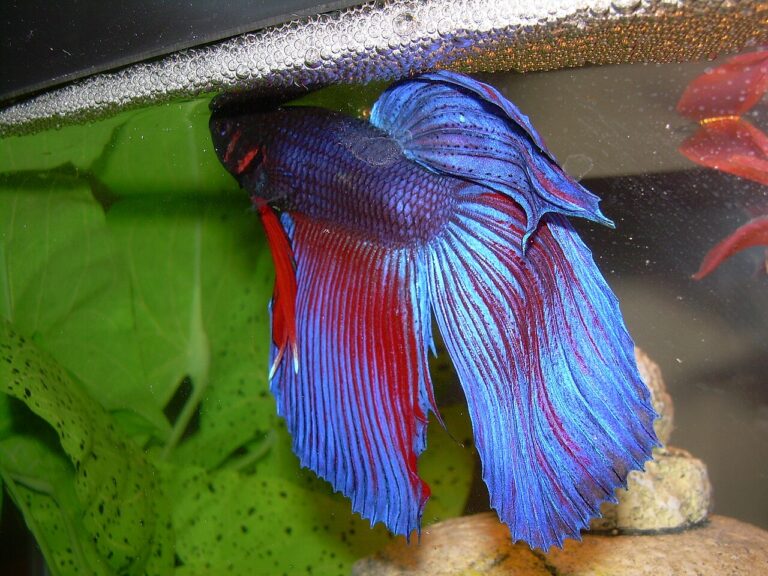
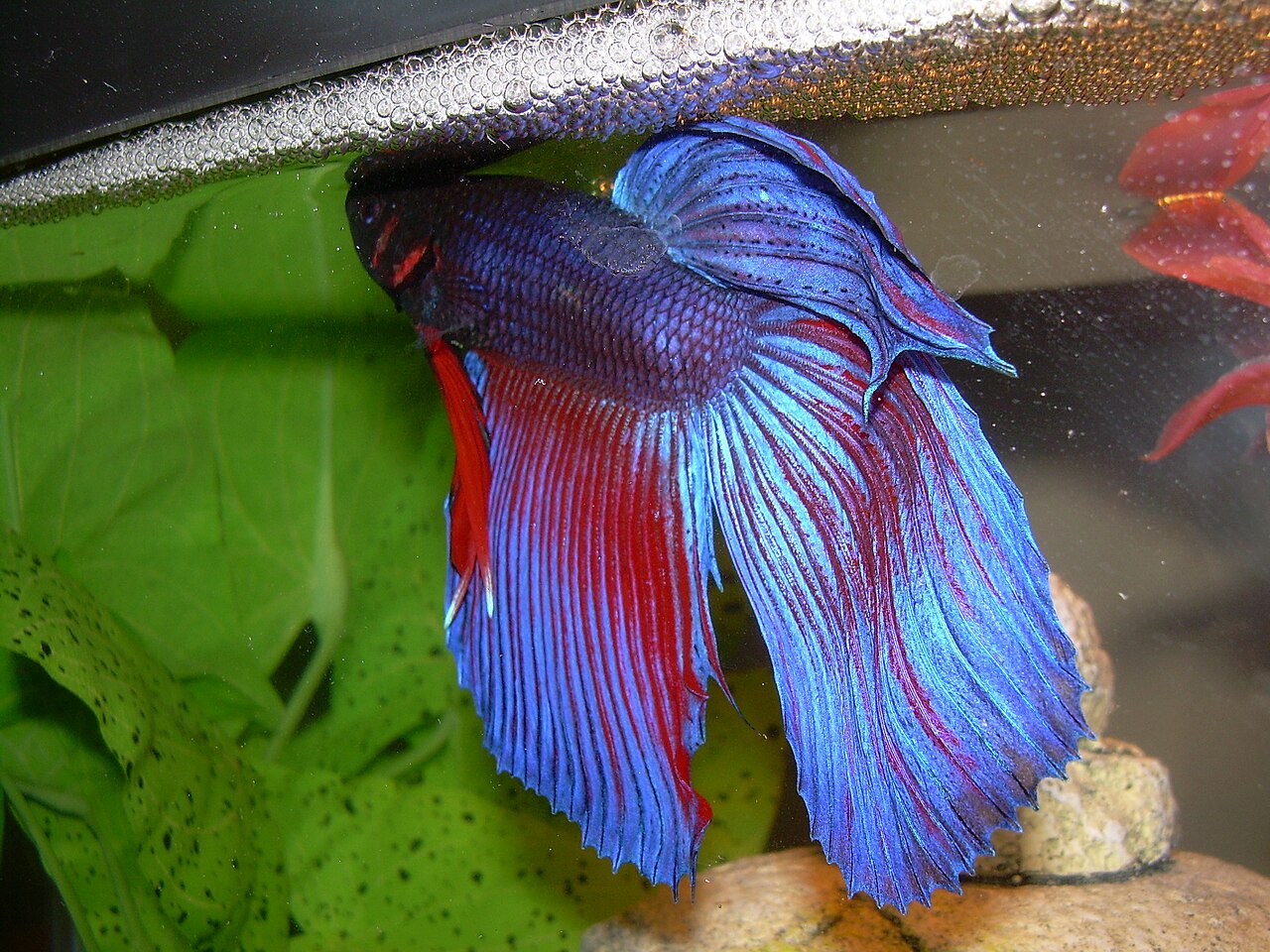
Selective breeding has produced dozens of betta color and fin variations, with common colors including red, blue, black, white, and orange, alongside rarer metallic, copper, and turquoise varieties. Fin shape varies just as widely, from the classic long, flowing veiltail to shorter, rounder halfmoon and crowntail patterns, each requiring slightly different care attention since longer fins are both more visually striking and more prone to fin rot and physical damage from sharp decorations or aggressive tank mates. Bettas are territorial regardless of color, so appearance alone offers no useful clue about how a particular fish will behave with other tankmates such as aquarium snails or small shrimp.
Signs of a Healthy vs Sick Betta
A healthy betta shows bright, vivid coloration, full and undamaged fins, a strong and consistent appetite, smooth and controlled swimming, and clear eyes. Warning signs of illness include fading color, clamped or frayed fins, listlessness or unusual hiding, loss of appetite, and labored or erratic swimming. Fin rot, driven by poor water quality, is one of the most common betta ailments and is far easier to prevent through regular water changes than to treat once established, since a betta’s long, flowing fins are especially vulnerable to the bacteria that thrive in dirty water.
Betta Fish and Aquarium Maintenance Routine
A sustainable betta maintenance routine breaks down into daily, weekly, and monthly tasks. Daily, feed once or twice, check the heater and filter are running, and confirm the temperature reads correctly on a thermometer. Weekly, test the water for ammonia, nitrite, and nitrate, siphon debris from the substrate with a gravel vacuum, and perform that 15 to 25 percent water change. Monthly, clean algae buildup from the glass and decorations as needed, and inspect or replace filter media according to the manufacturer’s schedule, while avoiding a full teardown clean that would strip away the beneficial bacteria colonizing surfaces throughout the tank.
Common Betta Fish Care Mistakes
Beyond the bowl myth, a few other mistakes account for most preventable betta problems. Skipping the heater is a major one, since bettas are tropical fish and even a room that feels comfortable to a person is often too cool for stable betta health. Overfeeding is another frequent issue, both from well-meaning owners misjudging portion size and from the temptation to feed every time a betta swims to the front of the tank begging, since bettas will beg regardless of whether they are actually hungry, a food-motivated persistence not unlike how many backyard birds will visit a feeder far more often than their actual caloric needs require. Finally, neglecting weekly water changes in the belief that a filter alone handles everything is a common shortcut that reliably leads to declining water quality and, eventually, fin rot or other illness.
Related reading: Molly Fish.
Related reading: Shubunkin Goldfish.
Related reading: Female Betta Fish.
Related reading: Butterfly Koi Fish.
Related reading: Betta Fish Water Temp.
Related reading: Pink Betta Fish.
Related reading: do betta fish sleep.
Related reading: Halfmoon Betta Fish.
Related reading: do betta fish need a filter.
Related reading: Purple Betta Fish.
Related reading: Angelfish Tank Mates.
Related reading: Red Betta Fish.
Related reading: Angelfish.
Frequently Asked Questions
What size tank does a betta fish need?
A betta needs a minimum of 5 gallons, ideally with a heater and gentle filter. While bettas can survive in as little as 2.5 gallons, that size is not recommended since it makes stable water conditions much harder to maintain.
What do betta fish eat?
Bettas are carnivores and should be fed high-quality betta-specific pellets as a staple, supplemented with live or frozen foods like bloodworms and brine shrimp. Feed once or twice daily in an amount roughly the size of the fish’s eye.
Can betta fish live in a bowl?
No, bowls lack the space for a heater and filter and cannot maintain stable water conditions. Bettas kept in bowls typically show duller color, less activity, and shorter lifespans than those in a properly equipped 5+ gallon tank.
How long do betta fish live?
Most betta fish live 3 to 5 years in captivity with proper care, with some reaching up to 10 years. Wild bettas typically live closer to 2 years given harsher natural conditions.
Can two betta fish live together?
Two male bettas should never be housed together, as they will fight, often fatally. Some individual bettas tolerate calm community fish, but this varies unpredictably, so any attempt needs a backup plan for rehoming.
What temperature should betta fish water be?
Betta water should stay between 78 and 80°F using a reliable aquarium heater. Temperatures below about 74°F weaken a betta’s immune system and slow its appetite.
How often should I do water changes for a betta?
Weekly partial water changes of 15 to 25 percent are recommended for a filtered betta tank, using dechlorinated water matched to the tank’s temperature. This is the single most effective habit for preventing fin rot and other illness.
A well-set-up betta tank shares more in common with other beginner pet setups than it might first appear, from the patience required during cycling to the value of researching a species thoroughly, the same upfront homework anyone would do before choosing a hummingbird feeder or any other pet-adjacent purchase.