What Do Mice Eat? Wild, House & Pet Diet Guide
Mice are opportunistic omnivores that eat a remarkably wide range of foods: in the wild they favor seeds, grains, and fruit but readily eat insects and carrion when available, while house mice indoors will scavenge almost anything humans leave accessible, from pantry grains to pet food. This guide covers what mice eat in the wild versus indoors, how the diet shifts with age and season, and what pet mice need for a healthy, balanced diet.
| Setting | Typical diet |
|---|---|
| Wild/field mice | Grains, seeds, fruit, vegetation, occasional insects |
| House mice indoors | Pantry grains, pet food, trash scraps, sweet/fatty foods |
| Pet mice | Commercial rodent block/pellets, vegetables, fruit as treats |
| Feeding frequency | 15 to 20 small meals per day, mostly at night |
What Do Wild Mice Eat?
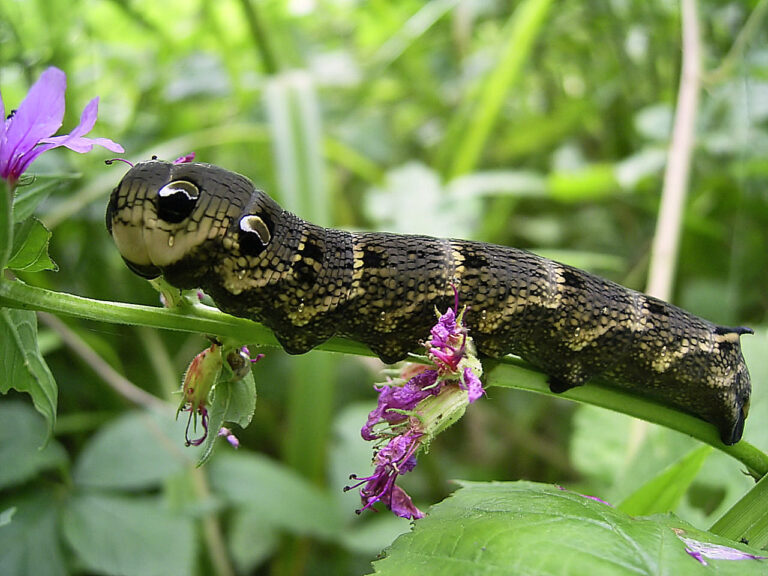
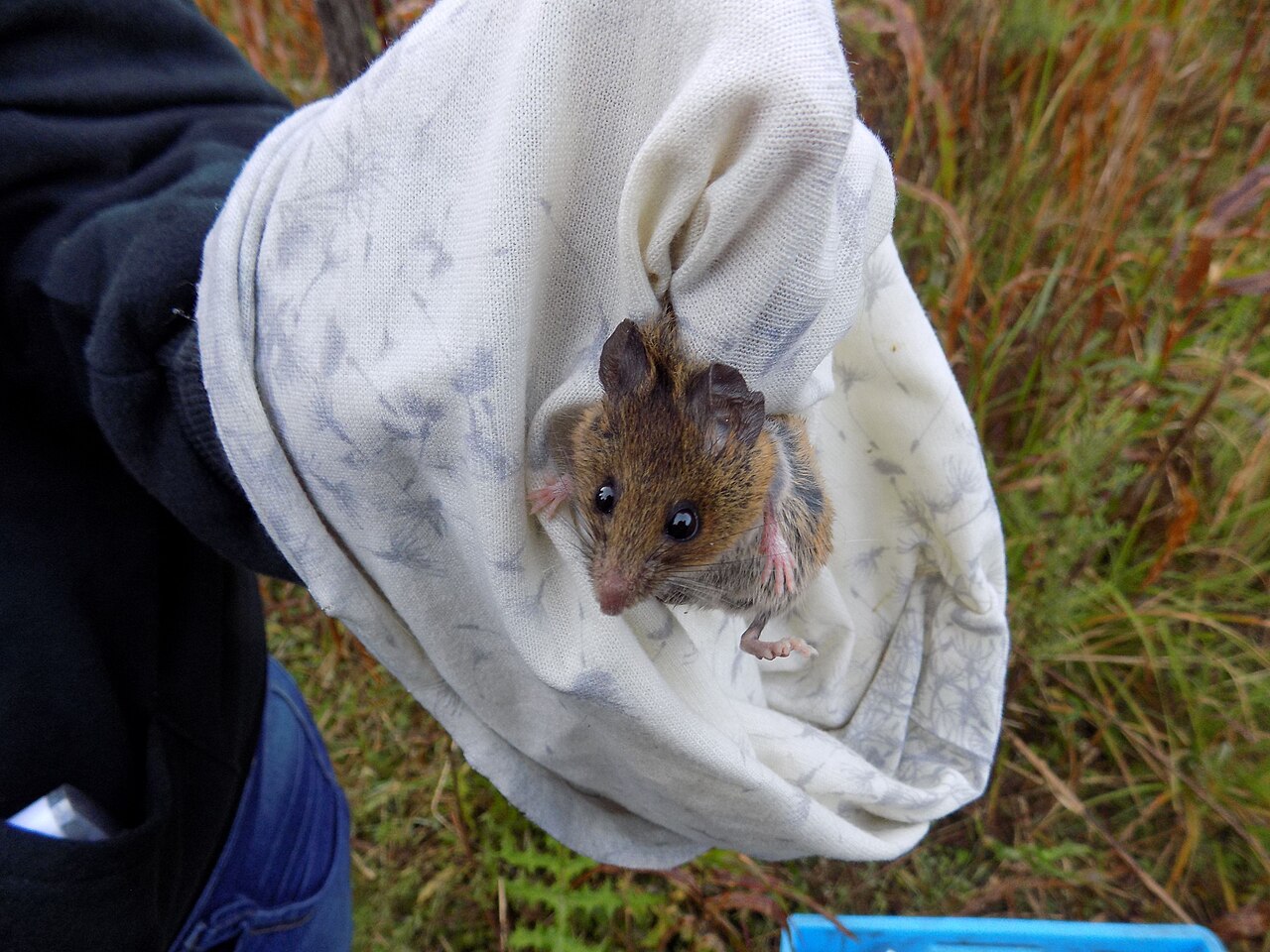
Wild mice are predominantly foragers with a diet centered on high-carbohydrate plant matter: seeds, grains such as wheat, oats, corn, and barley, fruit, and general vegetation like stems, roots, and tree bark when other food is scarce. Despite this plant-heavy baseline, mice are true omnivores, and species like the deer mouse readily add insects such as caterpillars, beetles, and grasshoppers to the diet, particularly during breeding season when the extra protein supports reproduction. When preferred foods are unavailable, mice will also scavenge carrion, making them considerably less picky eaters than their reputation as simple seed-eaters suggests, sharing that adaptability with other small opportunistic feeders like crickets.
What Do House Mice Eat Indoors?
Once mice move indoors, their diet shifts to whatever the household provides. Unsealed pantry staples like cereal, rice, and pasta are prime targets, since mice can easily gnaw through cardboard and thin plastic packaging to reach them. Pet food and birdseed are particularly attractive, whether from mice raiding an easily accessible feeder or pilfering a bag of kibble in the garage, and mice will happily work through kitchen trash and scraps left on dishes overnight. Contrary to the popular cartoon image, mice do not have a strong preference for cheese; they are actually drawn more to nutrient-dense, high-carbohydrate and high-fat foods, which is why peanut butter tends to outperform cheese as trap bait, a small mammal easily overlooked next to more visible backyard wildlife like opossums or raccoons.
Do Mice Really Prefer Cheese?
No, this is one of the most persistent myths about mouse behavior. While mice will eat cheese if it is available, their actual preference runs toward foods with a stronger combination of fat, sugar, and carbohydrate density, things like peanut butter, chocolate, dried fruit, and grains. Cheese’s strong smell likely contributed to the myth, since mice do rely heavily on scent to locate food, but smell alone does not make it their favorite meal. For anyone setting mouse traps, this matters practically: baits built around peanut butter or a small piece of chocolate are generally far more effective than the cartoon-standard wedge of cheese.
What Do Baby Mice (Pups) Eat?
Newborn mice are born blind and hairless and depend entirely on their mother’s milk for the first couple of weeks of life. Around two weeks of age, pups begin developing fur and gaining mobility, and they start sampling solid food, typically the same grains, seeds, and fruit their mother forages, often brought back to the nest for them initially. Weaning is usually complete around two and a half to three weeks, at which point young mice transition fully to adult food sources and, in the wild, become capable of foraging independently.
How Often Do Mice Eat?
Mice eat frequently rather than in a few large meals, consuming roughly 3 to 5 grams of food per day spread across as many as 15 to 20 small feeding bouts. Because they are primarily nocturnal, most of this feeding activity happens at night and around dawn and dusk, which is part of why an indoor infestation can go unnoticed for a while even as food disappears steadily. This grazing pattern also means mice instinctively cache or hoard food near their nest for times when food is scarce, a habit seen in both wild mice stockpiling seeds for winter and pet mice observed tucking food away in bedding out of instinct rather than necessity.
Seasonal Changes in Wild Mouse Diet
A wild mouse’s diet shifts noticeably with the seasons, tracking whatever food source is most abundant at the time. Spring and summer bring a wider variety of fresh vegetation, seeds, and insects, giving mice access to their most varied and protein-rich diet of the year, which supports the higher breeding activity typical of these warmer months. As autumn arrives, mice shift heavily toward gathering and hoarding grains, seeds, and nuts, stockpiling food in underground burrows or hidden nest caches to survive the leaner winter months when fresh vegetation and insects become scarce.
What to Feed Pet Mice
According to the RSPCA, the foundation of a healthy pet mouse diet should be a good-quality commercial rodent block or pellet formulated specifically for mice, generally containing around 14 to 16 percent protein and roughly 5 percent fat, with higher protein levels appropriate for breeding animals. Loose seed mixes are a poor primary diet choice, since mice will selectively pick out the tastiest, highest-calorie pieces like sunflower seeds and leave the rest, leading to nutritional imbalance and obesity over time. Fresh vegetables such as leafy greens, carrots, and bell peppers can supplement the diet daily in small amounts, and fruit can be offered a few times a week, but according to veterinary guidance, treats overall should make up less than 5 percent of a pet mouse’s diet.
Foods to Avoid Feeding Mice
Some human foods are genuinely unsafe for mice and should never be offered. Chocolate, onion, and garlic are consistently flagged as harmful, and anything high in sugar, salt, or fat, think cookies, chips, or ice cream, offers essentially empty calories while contributing to obesity, dental issues, and even heart problems with repeated feeding. Citrus fruits can cause digestive upset due to their acidity. As a general rule, if a food would be considered junk food or an occasional indulgence for a person, it is not a suitable regular addition to a mouse’s diet, pet or wild.
Do Mice Chew on Things Besides Food?
Yes, and this is a separate behavior from eating entirely. A mouse’s incisor teeth grow continuously throughout its life, so mice must gnaw constantly to keep them worn down to a manageable length, regardless of whether they are actually hungry. This is why mice chew through cardboard, wiring, wood, and fabric even when no food reward is involved, creating pathways and nesting material in the process. It is a common and costly misunderstanding to assume gnawed materials mean mice are eating them for nutrition; in most cases, the material itself offers little to no food value and is being chewed purely to manage tooth growth or to build a nest.
Why Mice Eat Their Own Droppings
One behavior that surprises many new mouse owners is coprophagy, the habit of eating certain fecal pellets directly from the cage floor. This is a normal, healthy behavior rather than a sign of illness or poor care: mice produce a specific type of soft dropping that allows them to reabsorb key nutrients, particularly vitamin B12 and folic acid, that were not fully extracted the first time food passed through the digestive system. It is essentially a built-in nutrient-recycling mechanism, and interrupting it is neither necessary nor advisable for a pet mouse’s health.
Mice as Prey: Their Place in the Food Web
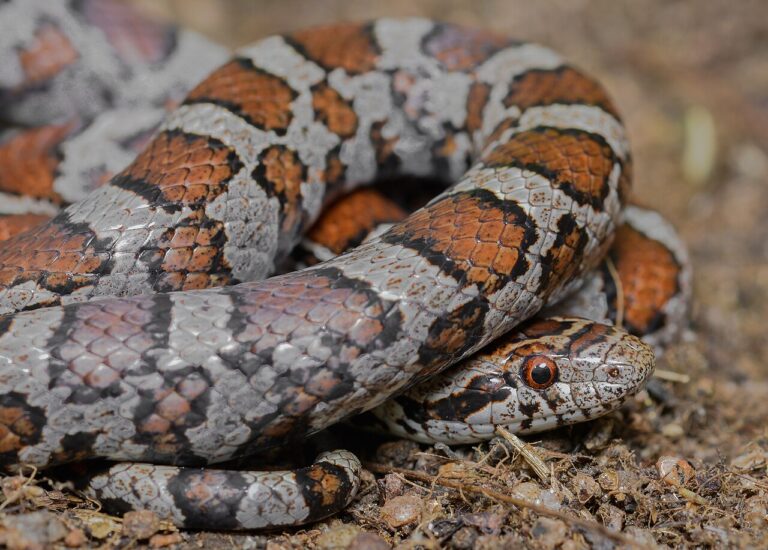
Despite their prolific breeding, mice face heavy predation pressure from nearly anything larger that eats meat. Owls and hawks rely on mice as a primary food source, and ground-level hunters such as the rat snake target the same rodent populations using constriction instead of talons. Even rats will actively kill and eat mice, both for an easy meal and to reduce competition for the same food sources, which is one reason the two rodents rarely coexist peacefully in the same space.
How Mice Find and Choose Food
Mice rely heavily on smell and touch to locate food, using their whiskers and nose to investigate before committing, and they have decent eyesight for a nocturnal animal even though their color vision is limited compared to humans. Once food is found, a mouse typically sits back on its haunches, grasping the item with its front paws and even bracing with its elbows to manipulate pieces too large to hold easily, then nibbling steadily rather than swallowing large amounts at once. This deliberate, cautious approach to new food sources is also why mice are notoriously wary of unfamiliar objects near a food source, a trait pest control professionals sometimes have to work around when placing traps or bait.
Related reading: what do snails eat.
Related reading: What Do Stink Bugs Eat?.
Related reading: what do moose eat.
Related reading: what do moths eat.
Frequently Asked Questions
What do mice eat in the wild?
Wild mice primarily eat seeds, grains, fruit, and other plant matter, along with insects like caterpillars and beetles, especially during breeding season. They will also scavenge carrion when other food sources are scarce.
Do mice actually like cheese?
Not especially. Despite the popular myth, mice are more strongly attracted to high-fat, high-sugar foods like peanut butter and chocolate. Cheese’s strong smell likely fueled the myth, but it is not a mouse’s true preference.
What should I feed a pet mouse?
A good-quality commercial rodent pellet or block should form the base of the diet, supplemented daily with small amounts of fresh vegetables and occasional fruit. Avoid loose seed mixes, which lead to selective eating and obesity.
What do baby mice eat?
Newborn mice rely entirely on their mother’s milk for about two weeks, then begin sampling solid foods like seeds and grains as their mother forages. Weaning is typically complete by two and a half to three weeks old.
How often do mice eat?
Mice eat frequently in small amounts, roughly 15 to 20 times a day, consuming about 3 to 5 grams of food total, mostly during nighttime activity.
Why do mice eat their own droppings?
This behavior, called coprophagy, lets mice reabsorb nutrients like vitamin B12 and folic acid that were not fully absorbed the first time. It is a normal, healthy digestive behavior, not a sign of illness.
What foods are dangerous for mice?
Chocolate, onion, and garlic are unsafe for mice, and sugary, salty, or fatty human foods can cause obesity and health problems over time. Citrus fruit can also cause digestive upset due to its acidity.