Termite Droppings: Identification and What to Do
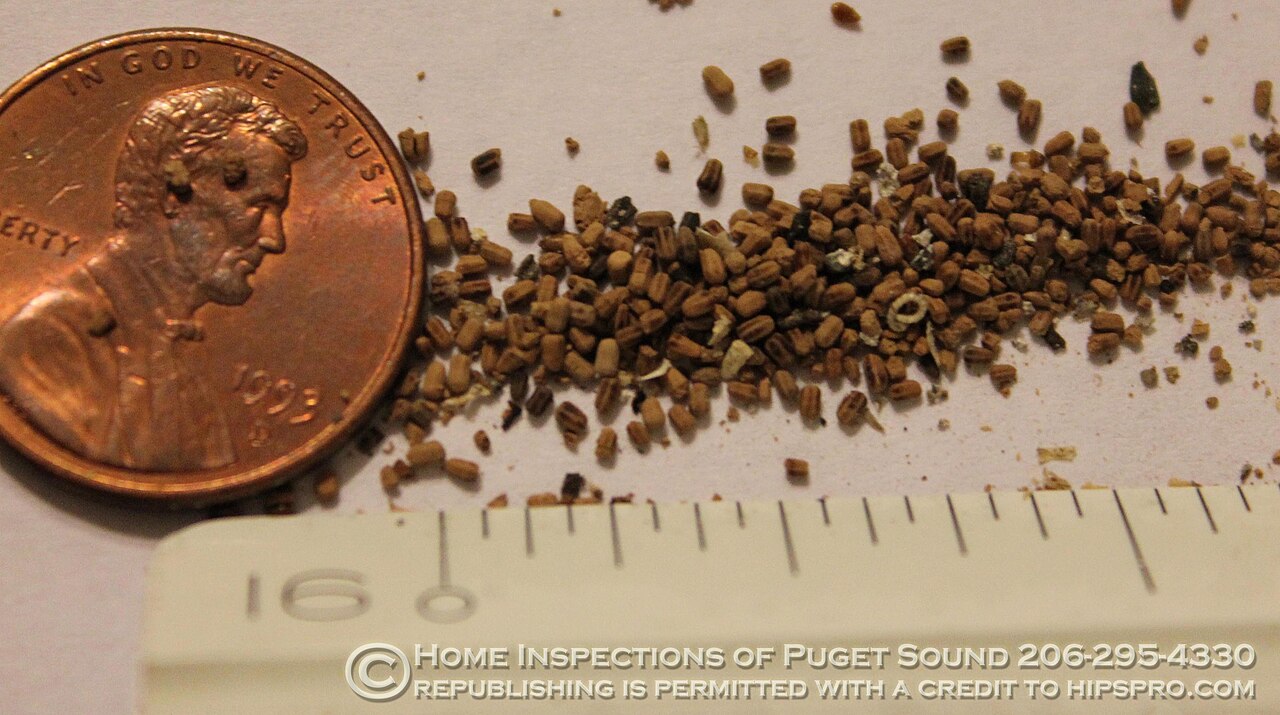
Termite droppings, technically called frass, appear as tiny, distinctly six-sided pellets typically the size of ground coffee or fine sand, ranging from cream to dark brown depending on the wood the termites have been consuming, and finding a small pile of these characteristically hexagonal pellets, often beneath a small kick-out hole in wood, represents one of the most reliable and specific identification signs of an active drywood termite infestation, distinct from the mud tubes subterranean termites typically leave instead.
Correctly identifying termite frass matters genuinely beyond simple curiosity, since finding these distinctive droppings often represents the earliest visible warning sign of a termite infestation that could otherwise cause substantial structural damage before becoming apparent through more obvious signs, making prompt, accurate identification and response a genuinely important homeowner skill. This guide covers detailed frass identification, the crucial distinction between drywood and subterranean termite evidence, what finding frass reveals about infestation extent, and the appropriate response once termite activity is confirmed.
| Feature | Termite Frass |
|---|---|
| Shape | Distinctly six-sided (hexagonal) pellets |
| Size | About the size of ground coffee or fine sand |
| Color | Cream to dark brown, varies by wood consumed |
| Typical location | Small piles beneath tiny kick-out holes |
| Associated species | Drywood termites specifically |
| Key confirmation | Nearby small, round exit holes in wood |
What Termite Frass Actually Looks Like
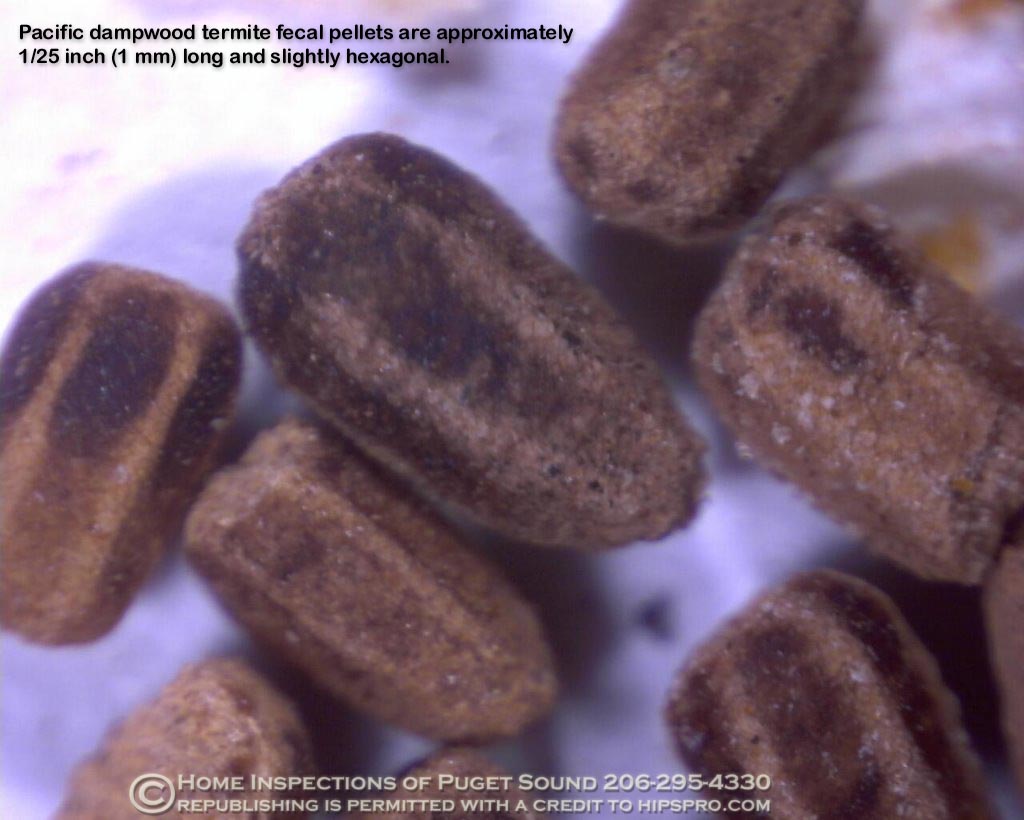
Termite frass consists of tiny, remarkably uniform pellets displaying a genuinely distinctive six-sided, hexagonal shape when examined closely, a structural detail that, once you know to look for it specifically, provides one of the most reliable ways to confirm termite droppings versus other small debris that might otherwise superficially resemble sawdust or fine sand at a casual glance.
Color varies somewhat depending on the specific wood the termites have been actively consuming, ranging from lighter cream or tan tones to considerably darker brown shades, meaning color alone provides less reliable identification than the consistent hexagonal shape, which remains the single most diagnostic feature regardless of the particular wood type or resulting color variation a given infestation happens to produce.
Size typically falls in the range of ground coffee grounds or fine sand grains, small enough that a substantial accumulation can initially appear to a casual glance like ordinary dust or debris, making closer examination, ideally with a magnifying glass or smartphone macro camera setting, genuinely valuable for confirming the characteristic hexagonal pellet shape that distinguishes actual termite frass from other, less significant debris types.
The Telltale Kick-Out Holes
Drywood termites specifically create small, round exit holes, often called kick-out holes, through which they actively push accumulated frass out of their internal tunnel systems and away from their living galleries, meaning finding a small pile of characteristic hexagonal pellets directly beneath or near one of these tiny holes provides genuinely strong, specific confirmation of active drywood termite infestation.
These kick-out holes themselves are typically quite small, sometimes barely visible without close inspection, making the accumulated frass pile beneath them often more immediately noticeable than the actual hole itself, meaning homeowners frequently discover an infestation by first noticing the distinctive pellet pile and only then locating the specific small exit hole responsible for that particular accumulation upon closer examination.
This kick-out hole and frass pile combination represents a genuinely active, ongoing infestation specifically, since termites continuously clear their galleries of frass as they consume wood and expand their tunnel systems, meaning finding fresh, actively accumulating frass indicates current termite activity rather than old, historical damage from an infestation that may have already been previously treated or otherwise resolved.
Drywood vs Subterranean Termites: Different Evidence Entirely
Drywood termites, the species specifically producing the visible frass pellets covered throughout this guide, live entirely within the wood they consume without requiring contact with soil, meaning their presence is confirmed through the frass and kick-out holes covered above rather than through any soil-connected structures, a genuinely important distinction from subterranean termites, which require a completely different identification approach.
Subterranean termites, by contrast, build distinctive mud tubes connecting their underground colonies to above-ground wood sources, since these termites require consistent moisture contact and cannot survive extended periods away from soil, meaning subterranean termite infestations are typically identified through these visible mud tubes running along foundations or walls rather than through any visible frass accumulation, since subterranean termites generally do not push waste material outside their tunnel systems the way drywood termites characteristically do.
This fundamental difference in evidence type, visible frass and kick-out holes for drywood termites versus mud tubes for subterranean termites, means correctly identifying which specific termite type is actually present matters considerably for determining appropriate treatment approach, since these two termite categories require genuinely different, specifically targeted control methods given their considerably different biology and colony structure requirements.
What Frass Quantity Reveals About Infestation Extent
A small, isolated frass pile found near a single kick-out hole generally suggests a relatively contained, localized colony within that specific piece of wood or structural area, while finding frass accumulating in multiple separate locations throughout a structure suggests either a more extensive single colony with multiple active galleries or, in some cases, several genuinely separate termite colonies established within different areas of the same building.
Tracking whether frass accumulation continues after an initial cleanup provides genuinely useful information about whether the underlying colony remains active, since carefully cleaning away an existing frass pile and then checking the same location after several days or weeks reveals whether fresh frass continues accumulating, confirming ongoing colony activity versus potentially indicating a colony that has already died out or relocated elsewhere within the structure.
The specific volume and consistency of ongoing frass production also offers some indication of colony size and activity level, with larger, more established colonies typically producing more substantial and more frequently replenishing frass accumulations compared to smaller, newer colonies still in earlier stages of establishing their gallery system within a given piece of infested wood.
Common Locations to Check for Frass
Drywood termite frass most commonly appears in structural wood areas including attics, wall voids accessible through small gaps or outlet covers, window and door frames, and furniture constructed from wood susceptible to infestation, making these specific locations worth prioritizing during any thorough home inspection specifically looking for termite evidence.
Areas with exposed wood surfaces, exterior wood siding, decking, fence posts, and similar structures, also warrant regular inspection for frass accumulation, since these more exposed wood surfaces can provide entry points for drywood termite colonies establishing themselves before potentially spreading to less visible structural wood elements within the building’s interior framework.
Given that kick-out holes and associated frass piles can be genuinely small and easy to overlook during casual observation, periodic more careful inspection specifically focused on checking wood surfaces and nearby floor or surface areas for small pellet accumulations, particularly in older homes or regions where drywood termites are more commonly established, represents a genuinely valuable proactive practice for catching infestations before they progress to more extensive, costly structural damage.
What Pest Control Research Says About Frass Identification
University extension entomology programs, which regularly field homeowner questions about identifying wood-damaging pest evidence, consistently emphasize the distinctive hexagonal pellet shape as the single most reliable diagnostic feature separating genuine termite frass from other wood debris or insect droppings, a recommendation reflected throughout this guide’s emphasis on close visual examination over relying on color or general size impression alone.
This research-backed identification approach matters practically since misidentifying ordinary sawdust or other insect debris as termite frass can lead to unnecessary alarm and expense, while failing to recognize genuine frass delays treatment of an active infestation that typically worsens progressively over time, making accurate identification a genuinely consequential skill rather than simply an academic exercise for homeowners specifically concerned about structural wood damage.
Extension resources generally recommend that homeowners genuinely uncertain about a specific finding, despite careful application of the shape and location checks covered throughout this guide, submit clear photographs to a local extension office or pest control professional for confirmation, particularly given how significant the structural and financial implications of a confirmed termite infestation can be compared to the considerably lower stakes most alternative debris sources typically represent.
Frass vs Other Similar-Looking Debris
Sawdust from wood-boring beetles or simple mechanical wood wear can superficially resemble termite frass at a casual glance, though careful examination reveals that actual sawdust lacks the distinctive uniform hexagonal shape characteristic of true termite pellets, instead showing more irregular, dust-like or fibrous texture without the consistent geometric pattern frass characteristically displays.
Similarly, other small insect droppings, including those from certain beetles, the considerably different sign left by silverfish, or the pointed pellets covered in our mouse poop guide, generally lack this same specific hexagonal pellet shape, making careful shape examination, ideally with magnification, the most reliable single method for distinguishing genuine termite frass from these various other possible sources of small debris accumulation, a comparative approach similar to how our roach poop vs mouse poop guide and rat poop vs mouse poop guide apply the same shape-and-texture-first identification logic to other common household pest evidence.
When genuine uncertainty remains despite careful visual examination, professional pest inspection services can provide definitive confirmation, particularly valuable given how significant the structural implications of an actual confirmed termite infestation can be compared to the considerably lower-stakes concern most alternative debris sources typically represent for a home’s structural integrity.
What to Do Once Termite Frass Is Confirmed
Confirmed termite frass discovery generally warrants prompt professional pest control consultation specifically, since drywood termite treatment typically requires specialized approaches, including localized treatments for contained infestations or, for more extensive colonization, whole-structure fumigation in some cases, methods considerably beyond what most homeowners can effectively implement through do-it-yourself approaches alone.
Documenting the specific location and extent of frass accumulation before any cleanup or treatment begins provides valuable information for pest control professionals assessing the infestation’s scope, making photographs of frass piles and their specific locations throughout the structure a genuinely useful step before any cleanup that might otherwise remove evidence professionals could use to better understand the infestation’s actual extent.
Given the potential for significant structural damage from untreated termite infestations, addressing confirmed frass discovery promptly rather than delaying professional consultation represents a genuinely important practical priority, similar to how prompt action matters for other significant pest concerns like those covered in our Japanese beetle control guide, since termite damage typically worsens progressively over time as colonies continue expanding their galleries through structural wood, making early intervention considerably more manageable and less costly than addressing a more extensive, longer-established infestation discovered only after damage has become severe.
Frequently Asked Questions
What does termite frass look like?
Tiny, distinctly six-sided pellets about the size of ground coffee or fine sand, ranging from cream to dark brown depending on the wood consumed, typically found in small piles beneath tiny kick-out holes in infested wood.
Is termite frass the same as sawdust?
No, genuine termite frass shows a distinctive uniform hexagonal shape under close examination, while sawdust from other sources typically appears more irregular and lacks this specific geometric pattern.
What is a kick-out hole?
A small, round exit hole drywood termites create specifically to push accumulated frass out of their internal galleries, often more noticeable through the frass pile beneath it than the small hole itself.
Does finding termite frass mean subterranean or drywood termites?
Frass specifically indicates drywood termites, since subterranean termites typically produce mud tubes instead and generally do not push visible frass outside their tunnel systems.
How do I know if a termite infestation is still active?
Clean away an existing frass pile and check the same location after several days or weeks; continued fresh frass accumulation confirms ongoing colony activity, while no new frass may indicate the colony has died out or relocated.
Where should I check for termite frass in my home?
Attics, wall voids accessible through gaps or outlet covers, window and door frames, wood furniture, and exposed exterior wood like siding, decking, and fence posts are common locations worth inspecting.
What should I do if I find termite frass?
Document the location with photographs before cleanup, then contact a professional pest control service promptly, since drywood termite treatment typically requires specialized approaches beyond most do-it-yourself methods.