Carpet Beetle Poop: Identification and Fabric Damage
Carpet beetle poop, technically called frass, appears as tiny, gritty, sand-like grains typically ranging from black to brown in color, genuinely easy to mistake for simple dust or dirt given how small and unremarkable these droppings appear at a casual glance, making careful, close examination near suspected carpet beetle activity, particularly around stored fabrics, carpets, and closets, worthwhile for anyone trying to confirm an actual infestation rather than dismissing this subtle evidence as ordinary household dust.
Beyond the droppings themselves, carpet beetle infestations typically leave several additional characteristic signs worth recognizing together, including shed larval skins that look like small, fuzzy husks, irregular holes or bare patches in natural fiber materials like wool, silk, or fur, and the actual larvae themselves, small, bristly, carrot-shaped grubs often found in dark, undisturbed areas near their food source. This guide covers carpet beetle frass identification specifically, the additional evidence types that confirm an infestation, what materials this pest actually damages and why, and practical steps for addressing a confirmed carpet beetle problem.
| Feature | Carpet Beetle Frass |
|---|---|
| Appearance | Tiny, gritty, sand-like grains |
| Color | Black to brown |
| Typical location | Near natural fiber materials, closets, carpets |
| Associated evidence | Shed larval skins, irregular fabric holes |
| Larval appearance | Small, bristly, carrot-shaped grubs |
| Primary damage target | Natural fibers (wool, silk, fur, feathers) |
What Carpet Beetle Frass Actually Looks Like
Carpet beetle frass consists of genuinely tiny, gritty particles resembling coarse sand or fine dirt, typically black to brown in color, small enough that a modest accumulation can easily be mistaken for ordinary household dust or dirt tracked in from outside, making this particular pest evidence considerably less immediately recognizable than the more distinctly shaped droppings other common household pests characteristically produce.
This subtle, dust-like appearance means carpet beetle frass often goes unnoticed until an infestation has progressed considerably, since the droppings themselves rarely prompt the same immediate concern more visually distinctive pest evidence, like the hexagonal termite frass covered in our companion guide, typically generates upon first discovery by an attentive homeowner conducting a routine inspection.
Close examination, ideally with a magnifying glass or smartphone macro camera setting, reveals the genuinely granular, somewhat irregular texture distinguishing carpet beetle frass from simple dust, though given how subtle this distinction can be, checking for the additional confirming evidence covered throughout this guide often provides more reliable infestation confirmation than frass identification alone.
Shed Larval Skins: A Key Confirming Sign
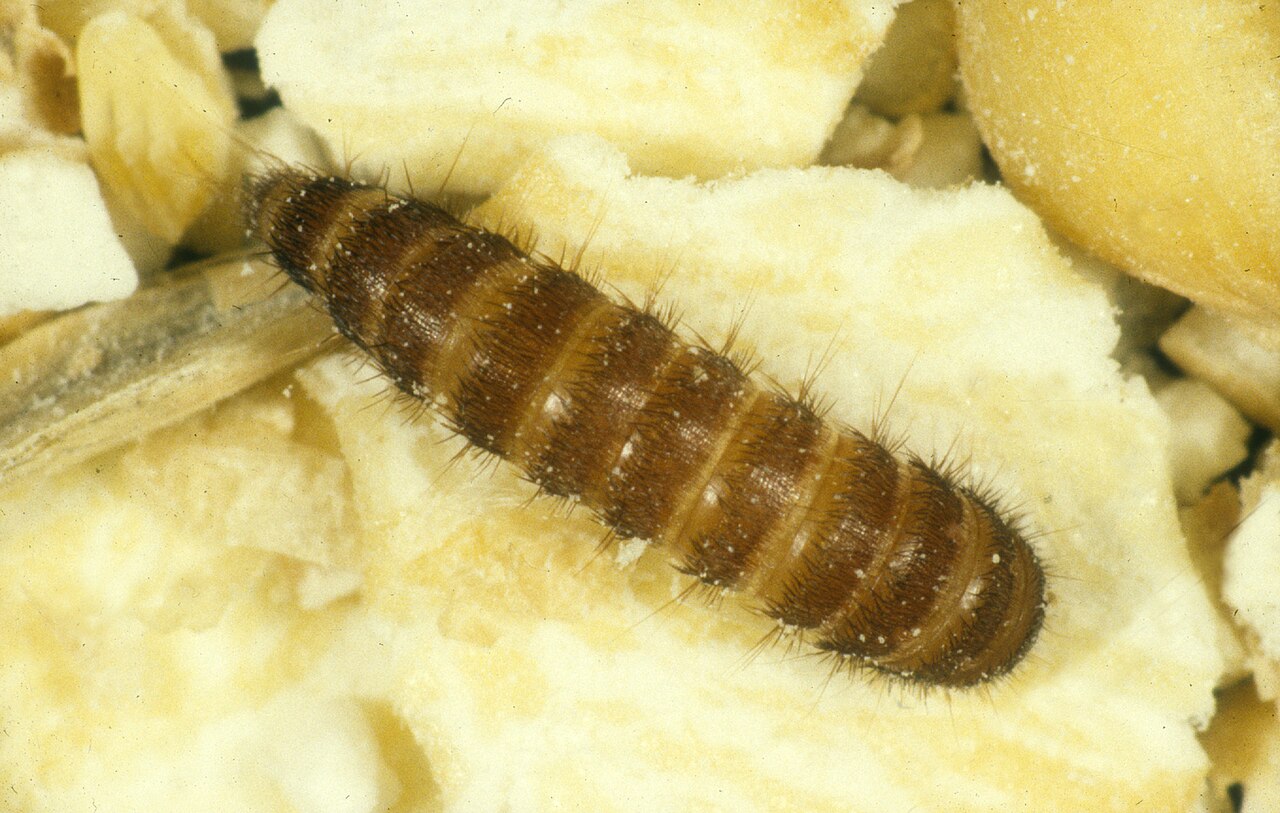
Carpet beetle larvae shed their skin multiple times as they grow through several developmental stages before eventually pupating into adults, leaving behind small, hollow, fuzzy-looking shed skins that closely resemble the actual living larvae in general shape and bristly texture, though these shed skins remain motionless and empty rather than displaying any actual living movement.
Finding these shed skins alongside frass provides considerably more confident infestation confirmation than frass alone, since this combination of evidence, tiny gritty droppings plus small, husk-like shed skins, together paints a genuinely clearer picture of active carpet beetle larval development occurring within a specific area than either piece of evidence would suggest in isolation.
These shed skins typically accumulate in the same general locations where larvae have been actively feeding and developing, meaning finding a cluster of shed skins alongside frass specifically pinpoints the particular area where an infestation has been most actively established, information genuinely useful for prioritizing where to focus more detailed inspection and eventual treatment efforts.
Fabric Damage: What Carpet Beetles Actually Eat
Carpet beetle larvae feed specifically on natural fibers containing keratin, a protein found in wool, silk, fur, feathers, and similar animal-derived materials, meaning this pest’s damage concentrates specifically on these particular material types rather than the synthetic fibers many modern carpets, clothing, and upholstery items are actually constructed from, making material composition a genuinely important factor in assessing actual infestation risk.
This feeding pattern typically creates irregular holes or bare, thinned patches in affected natural fiber materials, damage that can superficially resemble other fabric pest issues but specifically concentrates on wool sweaters, silk items, natural fiber rugs, fur trim, and similar animal-derived materials rather than appearing throughout synthetic materials that lack the keratin protein carpet beetle larvae specifically require for their development.
Beyond textiles specifically, carpet beetle larvae can also damage stored food products, dried plant materials, and even museum specimens or taxidermy items containing natural fibers or protein-based materials, meaning this pest’s genuine damage potential extends somewhat beyond just clothing and carpeting into various other natural fiber and protein-containing household items worth checking during a thorough infestation assessment.
Identifying the Larvae Themselves
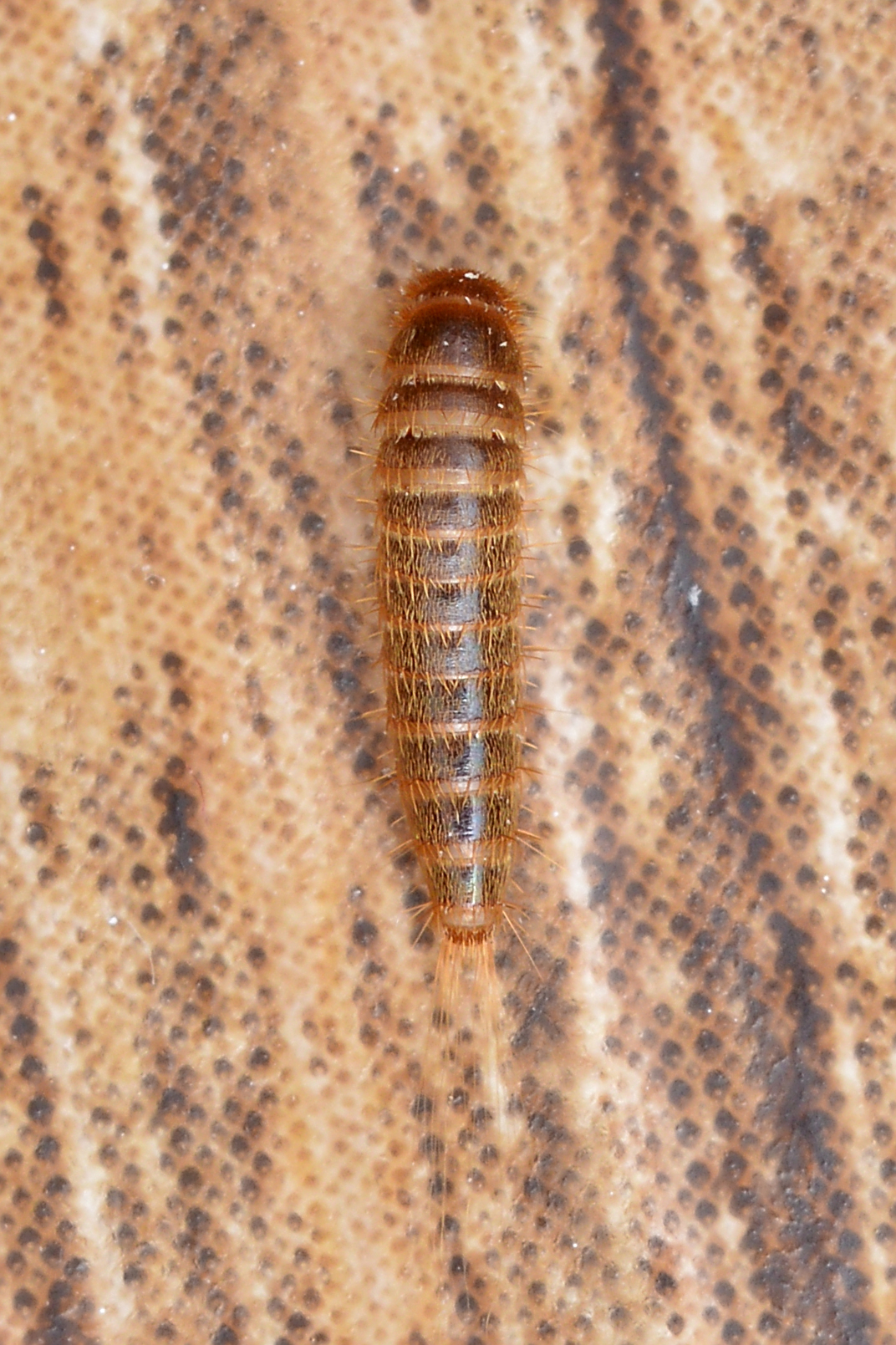
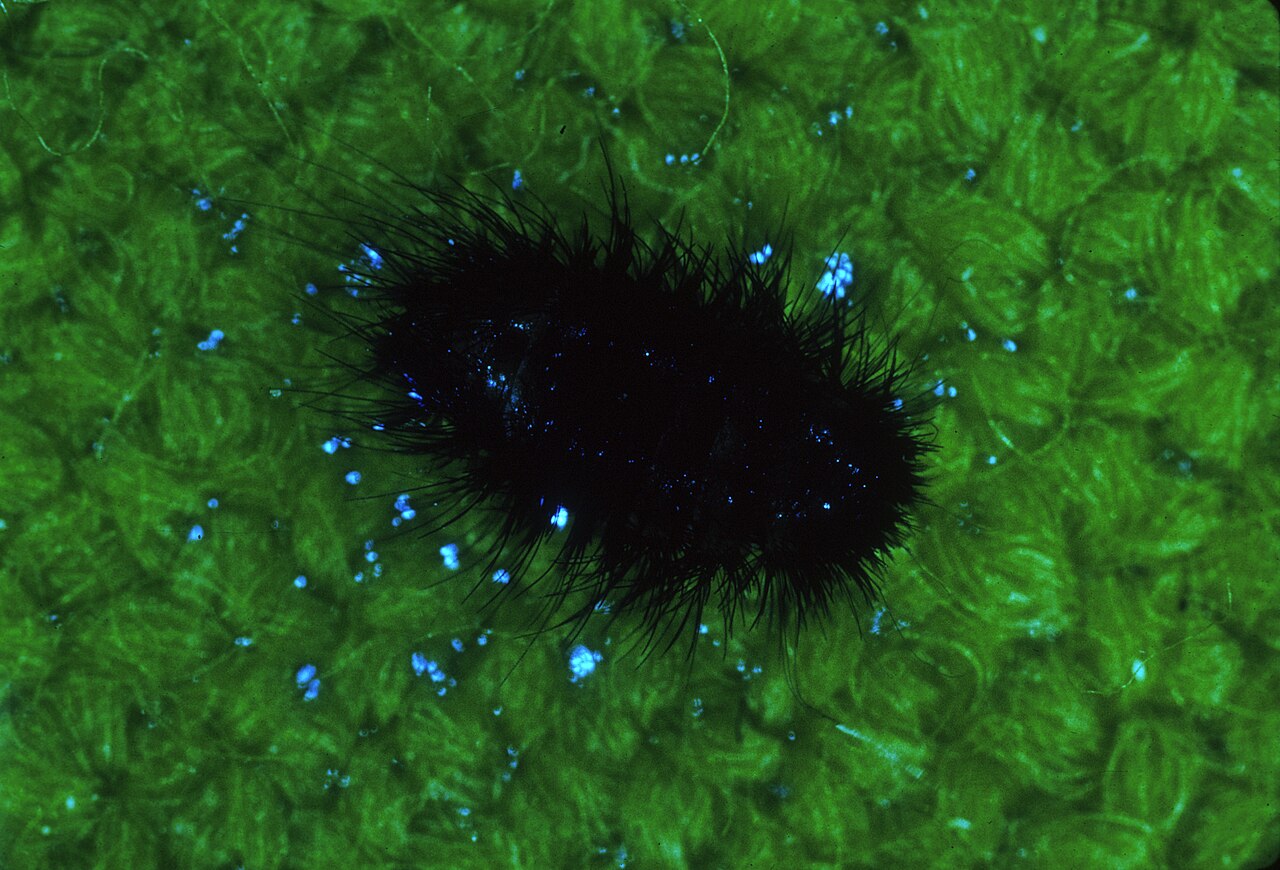
Carpet beetle larvae display a genuinely distinctive carrot-shaped body, tapering from a wider head end to a narrower tail, covered in fine bristly hairs that give these small grubs a fuzzy, somewhat intimidating appearance disproportionate to their actual small size, typically measuring only a few millimeters in length depending on their specific developmental stage.
These larvae favor dark, undisturbed locations near their food source, meaning they are typically found within closets, beneath furniture, in carpet edges along baseboards, or within storage boxes containing natural fiber materials, rather than in more open, frequently disturbed living areas where their presence would be more immediately obvious to household members.
Unlike the adult carpet beetles, which are small, oval, often attractively patterned beetles that can fly and are sometimes seen near windows or light sources, the larvae themselves remain within these darker, more sheltered feeding locations throughout their entire developmental period, making larvae discovery specifically more likely through deliberate inspection of suspected infestation areas rather than incidental encounters during normal household activity.
Where to Check for Carpet Beetle Evidence
Closets storing natural fiber clothing, particularly wool sweaters, silk garments, and fur items, represent prime carpet beetle habitat, along with carpet edges and beneath furniture where natural fiber rugs or carpeting provide accessible feeding material, and storage areas containing items like taxidermy, natural fiber insulation, or dried floral arrangements that might also provide suitable keratin-containing food sources.
Areas with limited regular disturbance specifically favor carpet beetle activity, since these pests generally avoid frequently handled or disturbed materials in favor of quieter, more consistently undisturbed locations, meaning rarely-worn clothing items, infrequently moved furniture, and long-term storage boxes deserve particular attention during any thorough carpet beetle inspection effort.
Given carpet beetles’ genuine attraction to natural fiber materials specifically, homes with wool carpeting, natural fiber upholstery, or considerable stored natural fiber clothing and textiles face somewhat elevated infestation risk compared to homes relying more heavily on synthetic materials throughout, making material composition awareness genuinely useful for assessing relative infestation risk across different homes and specific rooms.
Carpet Beetles and Skin Reactions
Beyond the fabric damage covered throughout this guide, carpet beetle larvae carry an additional consideration worth understanding: the fine bristly hairs covering these larvae can occasionally cause skin irritation in sensitive individuals through direct contact, a genuinely different concern than any risk from the droppings themselves, covered in complete detail in our carpet beetle rash guide and carpet beetle bites guide.
This skin reaction potential means households experiencing an active carpet beetle infestation should exercise reasonable caution when directly handling affected materials or areas where larvae are actively present, particularly for individuals with known sensitivity to insect contact generally, though this reaction risk remains considerably less common or severe than reactions some other household pests can trigger.
Understanding both the fabric damage and this secondary skin reaction consideration together gives homeowners a genuinely complete picture of carpet beetle infestation concerns beyond simply the subtle frass and shed-skin evidence covered throughout the earlier sections of this guide, supporting more informed decisions about appropriately cautious handling during any cleanup or inspection effort.
Comparing Carpet Beetle Evidence to Other Household Pests
Entomological pest management research, including guidance referenced through university extension programs specifically addressing structural and fabric pests, consistently recommends the same systematic approach applied throughout this guide: checking for the combination of frass, shed skins, and actual damage patterns together rather than relying on any single piece of evidence alone, since carpet beetle frass specifically remains genuinely easy to overlook or misattribute to ordinary dust without this combined evidence approach.
This systematic identification approach parallels the same fundamental logic applied across other household pest identification challenges, including the specific hexagonal frass pattern covered in our termite droppings guide and the beneficial-versus-pest distinction covered in our Japanese beetle guide, building a genuinely transferable pest identification skill set applicable across many different household and garden pest concerns homeowners commonly encounter.
Approaching any unfamiliar small debris or grain-like evidence with this same combined-evidence checklist, checking for shed skins, actual material damage, and the small larvae or adults themselves alongside any suspected droppings, generally resolves identification confidently across the range of small household pests that produce genuinely subtle, easily overlooked evidence like carpet beetles characteristically do.
Managing a Confirmed Carpet Beetle Infestation
Thorough vacuuming of affected areas, including carpet edges, closet floors, and beneath furniture, helps remove larvae, frass, and shed skins while also eliminating the pet hair and lint that can provide additional keratin-containing food sources supporting continued infestation, making regular, thorough vacuuming a genuinely important first-line management step for confirmed carpet beetle problems.
Affected clothing and textile items can often be successfully treated through appropriate laundering or dry cleaning, which effectively kills larvae and eggs present on the material, while items unable to tolerate standard cleaning methods might require professional textile cleaning specifically equipped to address pest infestations without damaging delicate natural fiber materials.
For more established or extensive infestations, particularly those involving multiple rooms or affecting significant amounts of natural fiber material, professional pest control services can provide more comprehensive treatment options, similar to the professional intervention sometimes needed for other subtle household pests covered in our gnat control guide, including appropriate insecticide applications specifically labeled for carpet beetle control, addressing infestations that basic cleaning and vacuuming alone may not fully resolve.
Related reading: Lizard Poop.
Related reading: Owl Pellets vs Owl Poop.
Related reading: Goose Poop.
Related reading: Turkey Poop.
Related reading: Cricket Poop.
Frequently Asked Questions
What does carpet beetle poop look like?
Tiny, gritty, sand-like grains ranging from black to brown, genuinely easy to mistake for ordinary dust given how small and subtle this evidence appears at a casual glance.
How do I know if I have carpet beetles versus just dust?
Check for additional confirming evidence alongside any suspected frass, including small fuzzy shed larval skins, irregular holes in natural fiber materials, and the actual bristly, carrot-shaped larvae themselves.
What materials do carpet beetles damage?
Natural fibers containing keratin specifically, including wool, silk, fur, and feathers, along with some stored food products and protein-containing items, rather than synthetic materials lacking this specific protein.
Where do carpet beetle larvae typically hide?
Dark, undisturbed locations near their food source, including closets, carpet edges along baseboards, beneath furniture, and storage boxes containing natural fiber materials.
Are carpet beetles dangerous to humans?
Not directly through their droppings or feeding activity, though the bristly hairs on some carpet beetle larvae can occasionally cause skin irritation in sensitive individuals through direct contact.
How do I get rid of carpet beetles?
Thorough vacuuming of affected areas, laundering or dry cleaning affected textiles, and for more extensive infestations, professional pest control treatment specifically labeled for carpet beetle control.
Can carpet beetles damage synthetic carpet?
Generally no, since their larvae specifically require the keratin protein found in natural fibers like wool, meaning synthetic carpeting faces considerably lower direct feeding damage risk from this particular pest.