How to Get Rid of Gnats: Fast, Proven Methods
To get rid of gnats, you have to cut off what feeds and breeds them, then trap the adults. Let houseplant soil dry out and treat it for fungus gnat larvae, clean out damp drains, remove ripe fruit and food waste, and set an apple cider vinegar trap to catch the flying adults. Most indoor gnat problems clear within one to two weeks once the moist breeding source is gone and the adults are trapped faster than new ones can hatch.
Gnats are not a single insect. The tiny flies swarming your kitchen, houseplants, or drains are usually fungus gnats, fruit flies, or drain flies, and each has a slightly different source. This guide shows how to identify which gnat you have, where they come from, and exactly how to eliminate them indoors, in plants, in drains, and outside, plus how to keep them from returning.
| Question | Quick answer |
|---|---|
| Fastest fix | Apple cider vinegar and dish soap trap for adults |
| Real cure | Remove the moist breeding source |
| Plant gnats | Let soil dry, use BTI mosquito bits, add sticky traps |
| Drain gnats | Clean and flush drains, scrub the biofilm |
| Do gnats bite | Most house gnats do not, some outdoor gnats do |
| Timeline | 1 to 2 weeks once the source is gone |
What Are Gnats and Which Kind Do You Have?
Gnats is a catch-all word for several kinds of tiny flying insects, and getting rid of them starts with knowing which one you have. The three most common household culprits are fungus gnats, fruit flies, and drain flies. They look similar at a glance but breed in different places, so identifying the right one saves you from treating the wrong source.
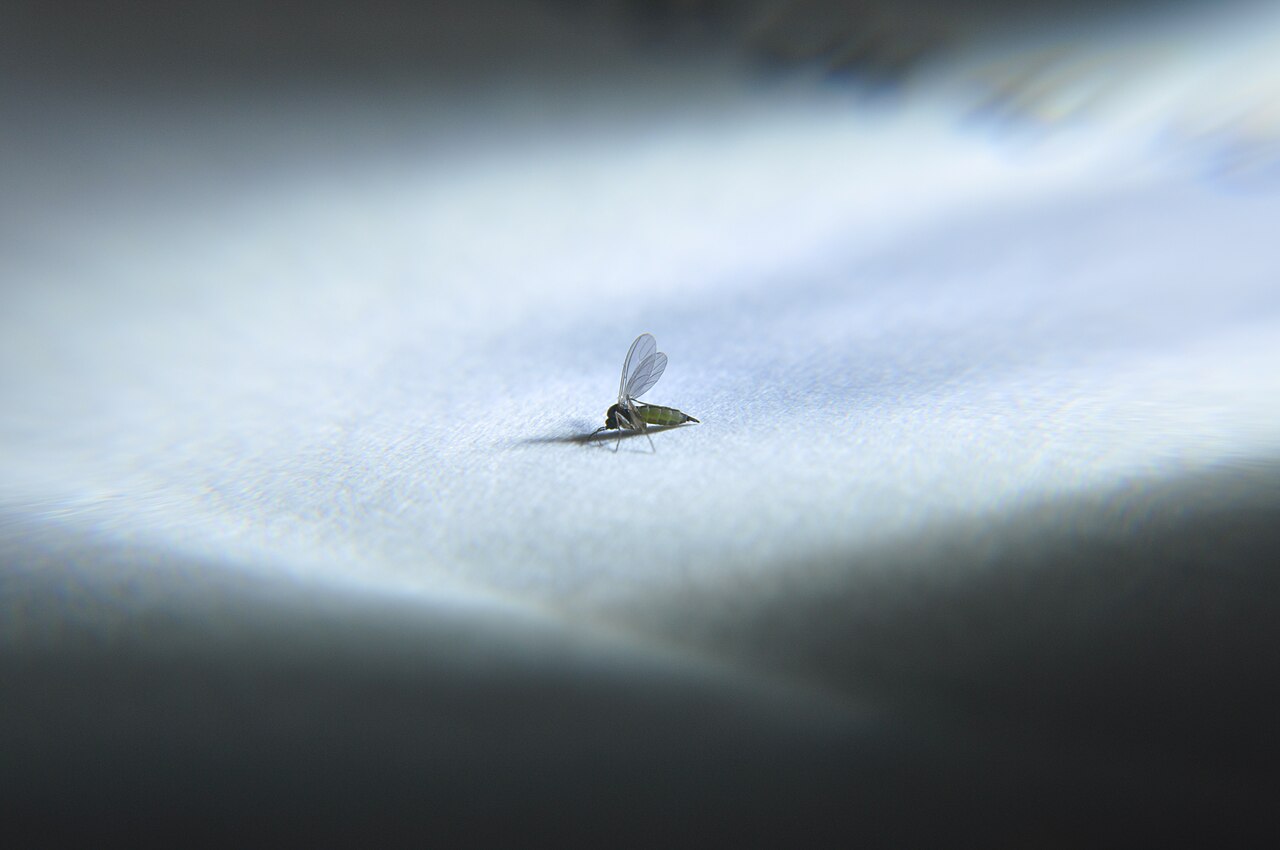
Fungus gnats are thin, dark, and mosquito-like, and they hover around houseplants and potting soil. Fruit flies are rounder and tan with red eyes, and they cluster around ripe fruit, wine, and food waste. Drain flies, also called moth flies, are fuzzy and moth-shaped, and they breed in the slimy film inside sink and shower drains. Knowing the difference tells you where to attack.
Watch where the gnats gather. If they rise from a plant when you water it, they are fungus gnats. If they swarm the fruit bowl or trash, they are fruit flies. If they cling to bathroom walls near a drain, they are drain flies. Once you match the gnat to its breeding site, the rest of the plan follows directly.
Gnats are not the only small household pest that causes itchy bites. If your bites appear in a line or cluster on exposed skin after sleeping, see our guide to bed bug bites for how to tell them apart and treat them.
Where Do Gnats Come From?
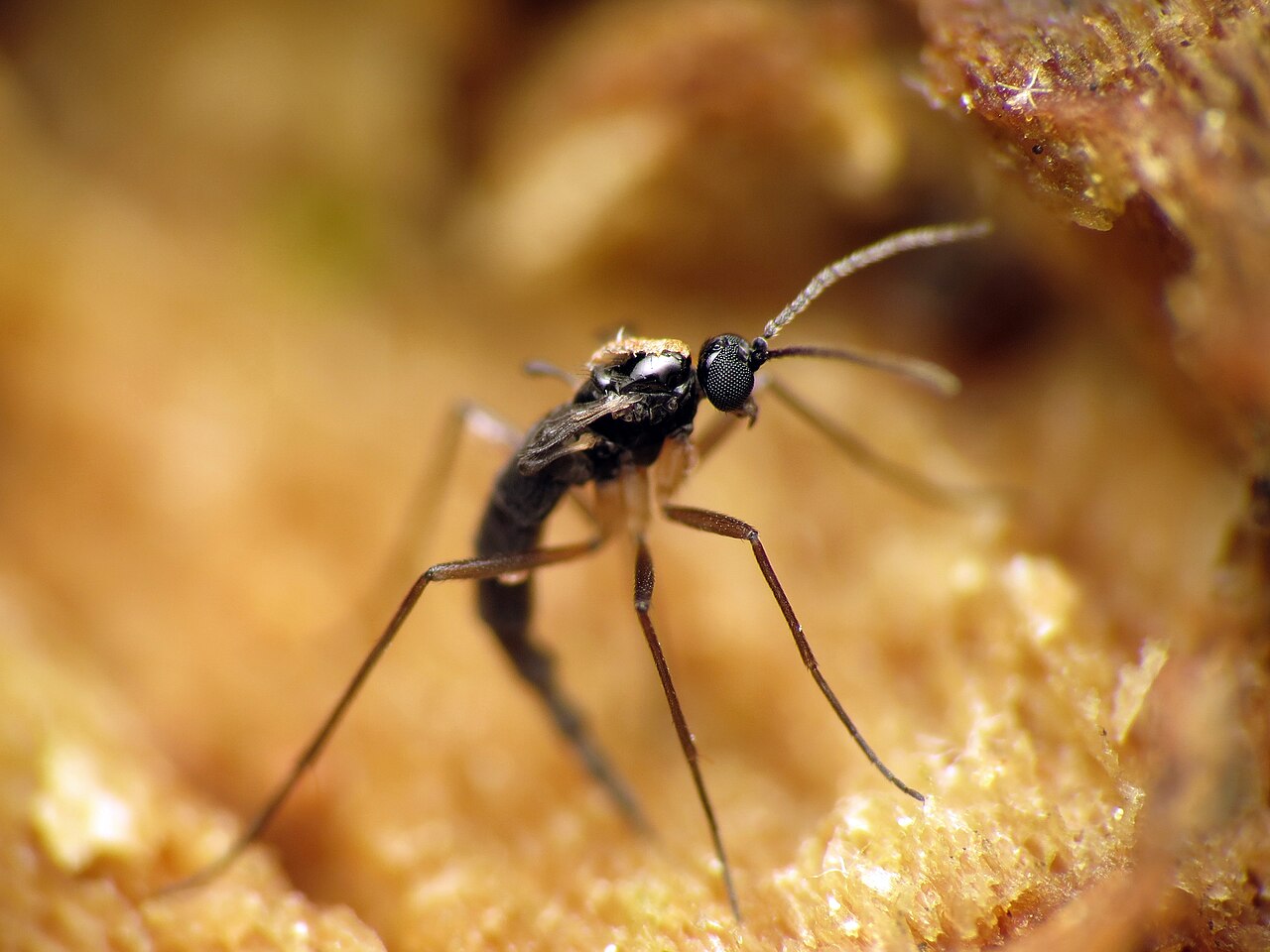
Gnats appear because something moist and organic is feeding their larvae. Overwatered houseplant soil is the classic source of fungus gnats, whose larvae eat fungus and decaying roots in the damp top layer. Ripe or rotting fruit, spilled juice, and food residue feed fruit flies, while the gel-like buildup inside neglected drains feeds drain flies.
Adults often arrive unnoticed, riding in on new potted plants, bags of produce, or bags of potting soil that already contain eggs or larvae. Once inside, they lay eggs in any suitable moist spot, and a small problem multiplies quickly because the life cycle is short. This is why gnats seem to explode in number within days.
Warmth and humidity speed everything up, which is why gnat outbreaks are common in late summer and in humid kitchens and bathrooms. The pattern to remember is simple. Gnats do not come from nowhere. They come from a specific damp, organic breeding site, and finding that site is the key to getting rid of them for good.
Gnats are far from the only small insect that occasionally wanders indoors. If you are curious what a chirping visitor actually eats, see our guide to what crickets eat, both in the wild and as household guests.
How to Get Rid of Gnats in the House
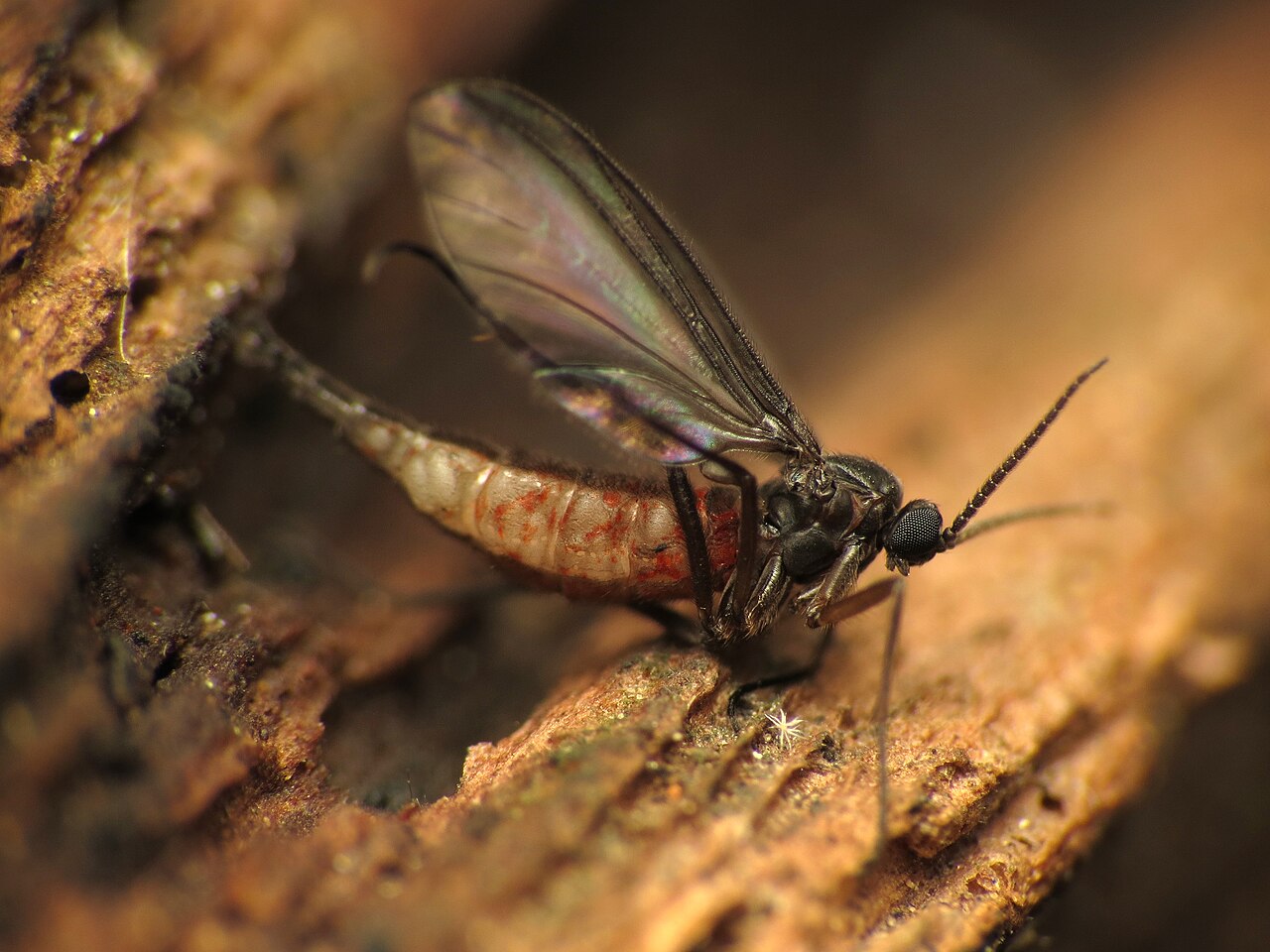
Start by trapping the flying adults while you hunt for the source. Fill a small dish or jar with apple cider vinegar, add a few drops of dish soap to break the surface tension, and leave it near the swarm. The scent draws the gnats in and the soap makes them sink. A paper funnel over a jar of vinegar works even better for fruit flies.
At the same time, remove the food and moisture the adults need. Take out the trash, wipe up spills, store fruit in the refrigerator, and keep sinks dry and clean. Empty and rinse recycling containers, since sugary residue in bottles and cans is a magnet for fruit flies. Cutting off food sources stops new adults from being fed.
Give the traps several days to work, refreshing the vinegar as needed. Because you are catching adults faster than new ones emerge, the swarm shrinks steadily. If the gnats persist after the kitchen is clean and dry, the breeding site is somewhere else, most often a houseplant or a drain, which the next sections address directly.
Getting Rid of Fungus Gnats in Houseplants
Fungus gnats live and breed in moist potting soil, so the single most effective step is to let the top one to two inches of soil dry out completely between waterings. The larvae cannot survive in dry soil, and the adults will not lay eggs there. For many plants, simply watering less often breaks the cycle within a couple of weeks.
To speed things up, treat the soil for larvae. University extension entomologists widely recommend a product containing BTI, a naturally occurring bacterium sold as mosquito bits or dunks, which you steep in water and use to water the plant. The BTI kills fungus gnat larvae without harming the plant, pets, or people. Yellow sticky traps laid flat on the soil or set nearby catch the adults.
A layer of coarse sand or fine gravel on top of the soil also helps, since it dries fast and blocks adults from reaching the moist layer to lay eggs. Combining dry-down watering, BTI, and sticky traps clears even stubborn houseplant infestations. Outdoors, the same insects feed birds, and a yard that attracts insect-eating birds keeps flying pests naturally in check.
How to Get Rid of Drain Gnats
Drain flies breed in the slimy organic film that builds up inside drains, so the cure is to remove that film. Start by pouring boiling water down the affected drain to loosen the buildup, then scrub the inside of the pipe as far as you can reach with a stiff drain brush. The goal is physical removal of the gel where the larvae live.
Follow up with a cleaning flush. A mix of baking soda and vinegar left to fizz, then rinsed with hot water, helps break down residue, and an enzyme drain cleaner designed for organic buildup works well for repeat problems. Avoid relying on harsh chemical drain openers alone, since they often slide past the film without removing it.
To confirm which drain is the source, tape a cup or plastic wrap loosely over each suspect drain overnight and check in the morning for trapped adults emerging from below. Once you find and clean the right drain, the drain flies disappear. Keeping drains flushed and dry prevents the film from returning.
How to Get Rid of Gnats Outside
Outdoor gnats breed in standing water, damp compost, and moist decaying vegetation, so the outdoor cure is drainage and cleanup. Empty saucers under pots, unclog gutters, dump water from buckets and toys, and turn or cover compost so it does not stay soggy. Removing standing water erases the nurseries where larvae develop.
Around patios and doorways, a fan can keep the weak-flying adults away from seating areas, and outdoor sticky traps thin out local swarms. Keeping fruit and food covered during outdoor meals reduces the crowd, and repairing leaky spigots and irrigation removes the constant dampness gnats need. The aim is a drier, tidier yard that offers no breeding sites.
Nature also does a lot of the work if you let it. Many birds feast on tiny flying insects, and encouraging them provides ongoing control. Birds that eat mosquitoes and gnats, along with hummingbirds that snap up small insects, help hold outdoor swarms down. Insect-catching birds like the eastern phoebe patrol yards for exactly these pests.
Do Gnats Bite?
Most of the gnats that invade homes do not bite. Fungus gnats, fruit flies, and drain flies have mouthparts built for feeding on fungus, fruit, or organic sludge, not for piercing skin, so a kitchen or houseplant gnat is a nuisance rather than a biting threat. If tiny flies are swarming your plants or fruit, they are not biting you.
Some outdoor gnats are a different story. Biting midges, often called no-see-ums, and black flies are true biters that feed on blood and can leave itchy welts, especially near dawn and dusk around water. These are the gnats behind searches for do gnats bite humans, and they are outdoor pests rather than the indoor swarm around your fruit bowl.
If you are being bitten outdoors by tiny flies, protect yourself with repellent, long sleeves, and by avoiding still water at dusk. Indoors, take reassurance that the gnats around your plants and kitchen are harmless to your skin, even if they are deeply annoying. Treating the breeding source still removes them either way.
How to Prevent Gnats from Coming Back
Prevention is about denying gnats the moisture and organic matter they need. Water houseplants only when the top layer of soil is dry, empty pot saucers, and quarantine new plants for a week or two before mixing them with the rest of your collection. Fresh bags of potting soil can carry larvae, so store them sealed and dry.
In the kitchen, take out the trash regularly, rinse recyclables, store ripe fruit in the refrigerator, and wipe up spills promptly. Run and rinse garbage disposals, and flush little-used drains with hot water now and then to keep films from forming. These small habits remove the breeding sites before a swarm can start.
If you stay consistent, gnats have nowhere to reproduce and the problem does not return. The same principle applies to related pests. Keeping the home and yard dry and clean discourages the insects that feed larger predators from massing indoors, and reduces the food supply that draws other bugs like the soil insects you may find outdoors. A dry, tidy environment is the best long-term gnat control there is.
Related reading: Banana Spider.
Related reading: Potato Bug.
Related reading: Potato Bug.
Related reading: Potato Bug.
Related reading: Bed Bug Bites.
Related reading: how to get rid of earwigs.
Related reading: how to get rid of japanese beetles.
Related reading: how to get rid of fruit flies.
Related reading: how to get rid of voles.
Related reading: bed bug baby cockroach.
Related reading: Ladybug Infestation.
Related reading: how to get rid of ground bees.
Related reading: how to get rid of bats.
Related reading: Termite Droppings.
Related reading: how to get rid of gophers.
Related reading: how to get rid of stink bugs.
Related reading: Mice in Walls.
Related reading: how to get rid of flying ants.
Related reading: how to get rid of ants.
Related reading: how to get rid of groundhogs.
Related reading: how to get rid of raccoons.
Related reading: how to get rid of skunks.
Frequently Asked Questions
What kills gnats instantly?
A trap of apple cider vinegar with a few drops of dish soap kills the flying adults quickly, and boiling water kills larvae in a drain on contact. There is no single instant cure for an infestation, though, because you also have to remove the moist breeding source or new adults keep emerging.
Where do gnats come from?
Gnats come from moist, organic breeding sites. Fungus gnats come from overwatered plant soil, fruit flies from ripe fruit and food waste, and drain flies from the film inside drains. Adults often arrive on new plants, produce, or potting soil and then breed indoors.
Do gnats bite?
Most household gnats, including fungus gnats and fruit flies, do not bite. Some outdoor gnats such as biting midges and black flies do bite and can leave itchy welts, usually near water at dawn and dusk. The gnats around your plants and fruit are harmless to skin.
How long do gnats live?
Adult gnats live only about one to two weeks, but they reproduce fast, so a population persists as long as a breeding site exists. Removing the moist source and trapping adults ends the cycle within one to two weeks because no new gnats replace the ones you catch.
What is the best homemade gnat trap?
A small dish of apple cider vinegar with a couple of drops of dish soap is the most reliable homemade trap. For fruit flies, a jar of vinegar with a paper funnel on top works even better, since they crawl in and cannot get out.
Do gnats go away on their own?
Only if their breeding source dries up or is removed. As long as there is overwatered soil, rotting fruit, or a dirty drain, they will keep reproducing. Eliminating the moist organic source is what makes them go away and stay away.
Are fungus gnats harmful to plants?
Adult fungus gnats are mostly harmless, but heavy larvae populations can feed on tender roots and stress seedlings and cuttings. Letting soil dry between waterings and treating with BTI protects vulnerable young plants while clearing the infestation.