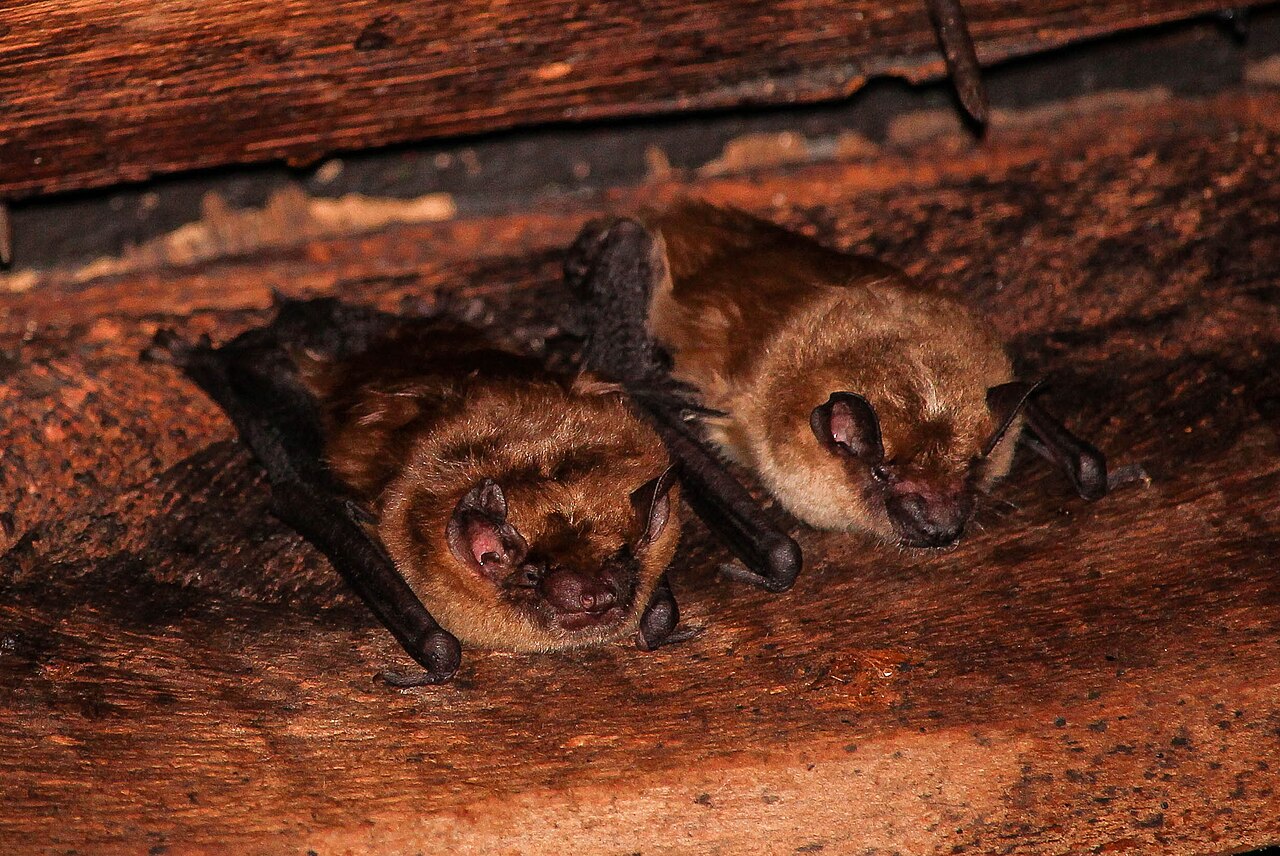
How to Get Rid of Bats: Exclusion, Timing, and the Law
The only legal and effective way to get rid of bats is exclusion, which means sealing every entry point except one or two and fitting one-way devices that let bats leave but not return. There is no poison registered for bats anywhere in the United States, killing them is illegal in most states, and every trapping and repellent approach either fails or makes the problem worse.
Timing is the part that matters most and the part most people get wrong. Exclusion must never happen during the maternity season, roughly May through August depending on region, because flightless pups are left inside when the adults are shut out, and they die in the walls. This guide covers how exclusion works, when to do it, the health considerations, and what to do about a single bat in a room.
| Quick Facts | Bat Removal |
|---|---|
| Only effective method | Exclusion with one-way devices |
| Never do it | May through August, maternity season |
| Best timing | Late summer after pups fly, or early spring |
| Poisons | None registered, illegal to use |
| Legal status | Protected in most states, some federally |
| Entry gap needed | As little as 0.4 in |
Why Exclusion Is the Only Approach
Bats do not chew their way in, they use gaps that already exist, and they can pass through openings as small as 0.4 in. A colony in an attic found a route through a gap at a roof edge, a loose vent screen, or a joint between building materials, and it will keep using that route until it is closed.
Exclusion works with that behavior rather than against it. All secondary gaps are sealed while the main entry points are fitted with one-way devices, typically netting or tubes that bats can push out through but cannot re-enter. The colony leaves to feed and cannot get back, and after several nights of no returns the devices come off and the last openings are sealed.
Everything else fails. Ultrasonic repellers have no demonstrated effect, mothballs and naphthalene are ineffective at any concentration safe for a building, bright lights and fans displace bats within an attic rather than out of it, and trapping and relocating individual bats leaves the colony intact and the entry open.
The Maternity Season Rule
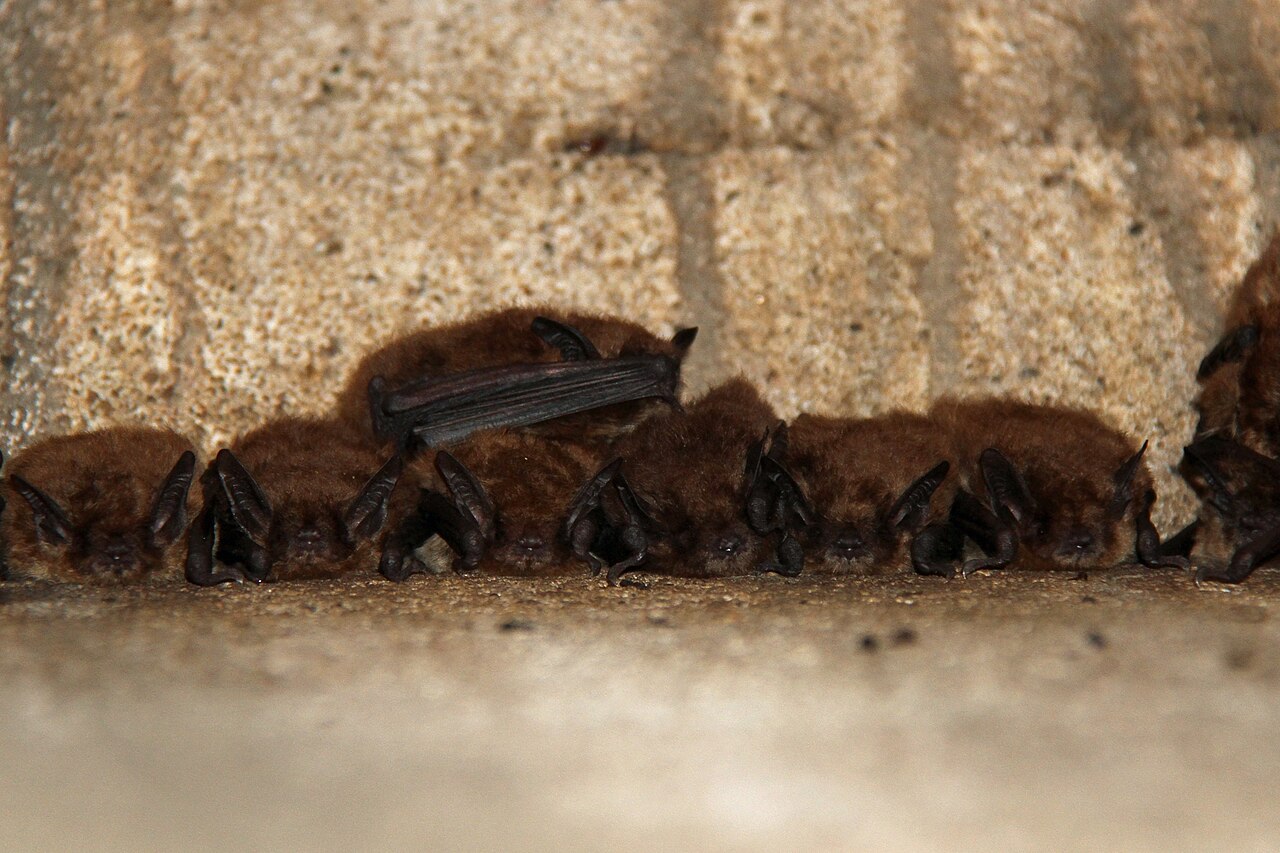
This is the single most important thing to understand before starting. Most North American bat species give birth in late spring and early summer, usually to a single pup, and those pups cannot fly for several weeks.
An exclusion performed during that window shuts the mothers out and traps flightless young inside. They die in the wall voids and attic, producing odor, staining, and insect infestations, and the mothers frantically search for another way in, which frequently means into living space. It is also illegal in many jurisdictions.
The safe windows are late summer through autumn, after pups are flying, and early spring before females give birth. Exact dates vary by region and species, and state wildlife agencies publish local guidance, which is worth checking rather than guessing. In much of the United States the prohibited period runs roughly from mid-May to mid-August.
How a Proper Exclusion Works
It begins with inspection, not sealing. A thorough survey identifies every gap, checks where staining and guano accumulate, and establishes which openings the colony actually uses, usually by watching at dusk and counting bats as they emerge.
Then all non-entry gaps are sealed. Roof and soffit junctions, ridge vents, gable vents, chimney flashing, fascia boards, utility penetrations, loose siding, and window and door frames all get closed with caulk, mesh, or flashing appropriate to the material.
Finally the one-way devices go on the active entries and stay in place for at least three to seven nights, longer in cool weather when bats may not emerge nightly. Only when there is clear evidence the colony has left do the devices come off and the last openings get permanently sealed. Rushing this step is the most common failure, and a colony sealed in will find another route, often into the house.
When to Call a Professional
Most bat exclusions are professional jobs, and the reasons are practical rather than promotional. The work happens at height, requires identifying gaps a homeowner will miss, and has to be complete, because one missed opening means the entire effort fails.
Look for a wildlife control operator specializing in bats rather than a general pest company, ask specifically whether they perform exclusion rather than trapping or extermination, and confirm they will not work during maternity season. A company that offers to poison or trap bats is proposing something illegal.
Cost varies enormously with building size, colony size, and the extent of sealing required, and quotes should specify the guarantee period, since a good exclusion is permanent and reputable operators warrant their work. Insurance sometimes covers guano cleanup but rarely the exclusion itself.
Health Considerations
Two health issues are worth taking seriously without exaggerating either. Rabies is the one people know about, and the honest position is that the proportion of bats carrying rabies is low, but bat bites can be small enough to go unnoticed, which changes the risk calculus.
The CDC (cdc.gov) advises rabies evaluation after any direct contact with a bat, and specifically after finding a bat in a room with a sleeping person, an unattended child, or anyone unable to reliably report contact. Do not release such a bat, since testing it can avoid a course of post-exposure treatment. Never handle a bat with bare hands.
Histoplasmosis is the second issue, a fungal infection contracted by inhaling spores from accumulated guano. It is a genuine risk during cleanup of a long-established roost, and proper respiratory protection, wetting the material before disturbing it, and professional remediation for large accumulations are all appropriate. Small amounts of fresh droppings pose minimal risk with basic precautions.
A Single Bat in a Room
This is a different situation from a colony and usually resolves easily. A single bat indoors is typically lost rather than roosting, often a young animal that came down a chimney or through an open window.
Contain and release rather than chase. Close interior doors to confine it to one room, open exterior windows and doors wide, turn off lights, and leave the room for a while. Most bats find their own way out within half an hour.
If it lands and stays, place a container over it, slide stiff card underneath, and carry it outside, wearing thick gloves throughout and never touching it directly. The rabies exception above applies: if anyone was asleep in the room, or if a child or impaired person may have had contact, do not release it. Contact your health department for guidance on testing.
Cleanup After Exclusion
Guano and urine cause the lasting damage rather than the bats themselves. Accumulations stain and eventually rot ceiling materials, soak insulation, and produce persistent odor, and the smell attracts other bats to the same building even after the colony is gone.
Small accumulations can be handled with a respirator rated for fine particles, gloves, and disposable coveralls, wetting the material first to suppress dust, bagging it, and disposing of it. Contaminated insulation generally has to be removed and replaced rather than cleaned.
Large or long-established roosts warrant professional remediation, both for the histoplasmosis risk and because the work usually involves removing and replacing insulation across a large area. Enzyme-based cleaners handle residual odor better than bleach, and sealing and repainting affected timber is often necessary.
Keeping Them Out Permanently
The exclusion itself is the permanent solution if it is complete, and the maintenance afterward is straightforward. Inspect roof edges, soffits, fascia, vents, and chimney flashing annually, since buildings move and new gaps open.
Fit proper screening on all vents, use chimney caps, repair damaged flashing promptly, and keep tree branches trimmed back from the roofline, since overhanging branches give bats convenient access to upper-level gaps.
Attic lighting occasionally helps as a supplementary measure, since bats prefer dark roosts, but it is not a substitute for sealing and should not be relied on alone. The durable answer is always the physical barrier, which is the same principle our guides to getting rid of voles and getting rid of ground bees arrive at for entirely different animals.
Consider a Bat House
Offering an alternative roost is worth doing, and not only for the bats. A single bat consumes thousands of insects nightly, including mosquitoes and agricultural pests, and a colony near a property provides genuine free pest control.
Mount a bat house before or during the exclusion so an alternative exists when the colony is displaced. Placement matters: 12 to 20 ft up, facing south or southeast for morning sun, on a building or pole rather than a tree, and away from bright lights. Uptake is not guaranteed and can take a season or two.
The conservation context makes this more than a gesture. White-nose syndrome, a fungal disease first detected in North America in 2006, has killed millions of bats and devastated several species, with some populations down by more than 90 percent. Several species are now federally listed, which is part of why exclusion law is strict, and providing roost habitat is one of the few things an individual property owner can usefully do. Our guides to whether foxes are dangerous, whether possums are dangerous, and the murder hornet cover other wildlife where the reputation exceeds the risk.
Frequently Asked Questions
How do I get rid of bats in my attic?
Exclusion is the only legal and effective method. Seal every gap except the active entries, fit one-way devices there so bats can leave but not return, wait at least three to seven nights, then remove the devices and seal the last openings. There is no registered poison for bats.
When can I do a bat exclusion?
Late summer through autumn after pups can fly, or early spring before females give birth. Never between roughly mid-May and mid-August, because flightless pups get trapped inside and die in the walls. Check your state wildlife agency for local dates.
Is it illegal to kill bats?
In most states yes, and several species are federally protected under the Endangered Species Act. No poison is registered for bats anywhere in the United States, and companies offering to exterminate them are proposing something illegal.
What should I do about a bat in my bedroom?
Confine it to one room, open exterior windows, turn off lights, and leave for half an hour. If anyone was asleep in the room, or a child or impaired person may have had contact, do not release it, since testing can avoid post-exposure rabies treatment. Contact your health department.
Do ultrasonic repellers or mothballs work on bats?
No. Ultrasonic devices have no demonstrated effect, and mothballs are ineffective at any concentration safe for a building. Lights and fans displace bats within an attic rather than removing them. Exclusion is the only approach that works.
Is bat guano dangerous?
Accumulated guano can carry the fungus that causes histoplasmosis, inhaled as spores when the material is disturbed. Use a fitted respirator, gloves, and coveralls, wet the material before disturbing it, and get professional remediation for large or long-established accumulations.
How small a gap can a bat use?
As little as 0.4 in. Bats do not chew their way in, they use existing gaps at roof edges, soffit junctions, vents, chimney flashing, and joints between materials, which is why a thorough inspection matters more than any single repair.