Baby Painted Turtle: The Freezing-Nest Overwintering Secret
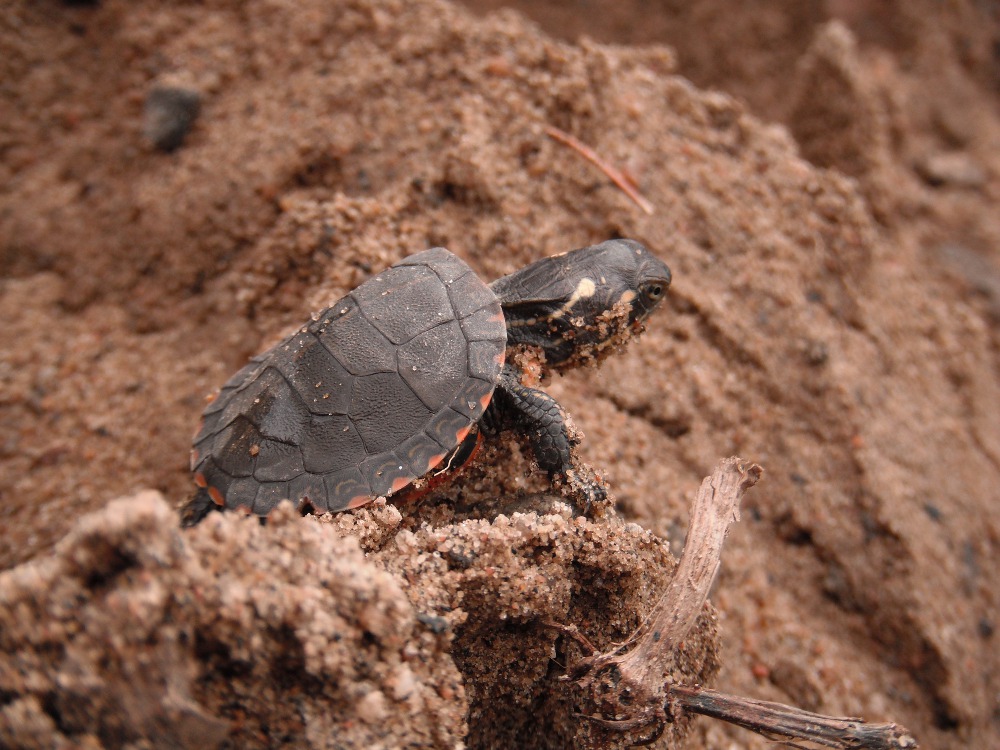
A baby painted turtle hatches at roughly 1 to 1.5 inches long, displaying the same smooth, colorful shell pattern that gives this species its name, with red, orange, and yellow markings along the shell edges visible even at this tiny hatchling size, though one of the most genuinely remarkable facts about painted turtles is that hatchlings in northern populations commonly overwinter inside the nest itself, surviving freezing or near-freezing temperatures underground through a combination of physiological adaptations that few other reptiles can match.
This overwintering capability, allowing hatchlings to remain in their underground nest through an entire winter before emerging the following spring, represents one of the more scientifically remarkable cold-tolerance adaptations documented among North American reptiles, making painted turtles a genuinely interesting subject for anyone curious about how small ectothermic animals survive genuinely harsh winter conditions without any parental protection or warmth. This guide covers painted turtle hatching and the remarkable overwintering adaptation, growth timeline toward maturity, habitat and diet through different life stages, and practical guidance for anyone encountering a baby painted turtle in the wild.
| Fact | Baby Painted Turtle |
|---|---|
| Hatchling size | 1 to 1.5 inches |
| Incubation period | Approximately 72 to 80 days |
| Overwintering | Hatchlings can survive freezing in the nest |
| Sexual maturity | Females 6-10 years, males 2-4 years |
| Adult shell length | 4 to 10 inches depending on subspecies |
| Lifespan | 20 to 40 years in the wild |
Hatching and the Remarkable Overwintering Adaptation
Painted turtle eggs incubate underground for approximately 72 to 80 days, with incubation temperature meaningfully affecting hatchling sex in this species, before hatchlings use a specialized temporary egg tooth to break free of their shell, though one of the most scientifically remarkable facts about this species is that hatchlings in many northern populations do not immediately emerge from the nest after hatching in late summer or early fall, instead remaining underground through the entire winter.
This overwintering capability relies on genuinely remarkable physiological adaptations, including the ability to tolerate partial freezing of their body fluids and supercool their tissues to survive temperatures that would prove fatal to most other reptiles, a documented cold-hardiness that ranks among the most extreme freeze-tolerance adaptations found in any reptile species studied by researchers specifically investigating cold-climate survival strategies.
Come spring, surviving overwintered hatchlings finally emerge from their underground nest to begin independent life, meaning a painted turtle hatchling in northern regions may spend its very first several months of existence entirely underground before ever taking its first steps into the wider world, a genuinely unusual developmental pattern compared to most other turtle species that emerge and become active shortly after hatching.
What Baby Painted Turtles Look Like
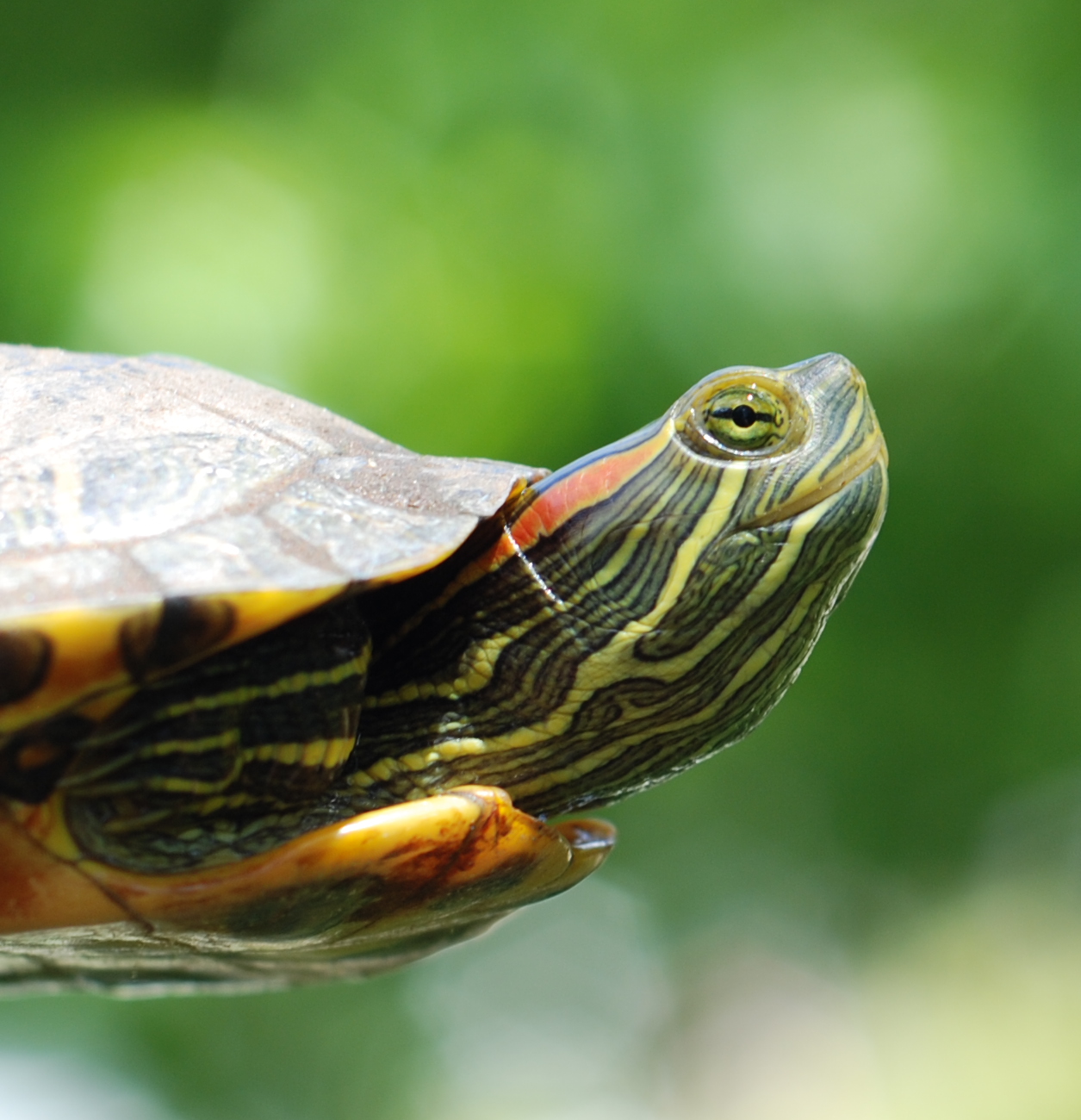
Baby painted turtles display the same smooth, unkeeled shell characteristic of the species throughout its life, with the distinctive red, orange, and yellow markings along the shell margins and the yellow striping on the head and legs that give this species its common name already visible even at the tiny hatchling stage, making painted turtles genuinely easier to identify by pattern alone at any life stage compared to some other turtle species showing more dramatic juvenile-to-adult appearance changes.
This pattern consistency from hatching through adulthood reflects the painted turtle’s relatively straightforward growth pattern, where the shell simply enlarges and the coloring may intensify somewhat, but the basic pattern arrangement remains recognizable throughout the turtle’s entire life, unlike species such as some box turtles whose shell shape changes more dramatically as they mature from flatter hatchling shells toward the higher-domed adult form.
Regional subspecies of painted turtle show some variation in specific shell pattern and coloring intensity, with four recognized subspecies, eastern, midland, southern, and western, each displaying somewhat different specific markings, though all share the same basic recognizable painted turtle appearance and general biology covered throughout this guide regardless of the specific regional subspecies present in a given hatchling’s particular location.
Growth Timeline Toward Maturity
Baby painted turtles grow at a genuinely variable pace depending on food availability, water temperature, and regional climate, with warmer, more southern populations generally growing somewhat faster than their northern counterparts dealing with shorter active seasons and the overwintering period covered in the previous section, meaning growth rate and timeline toward maturity vary meaningfully across this species’ extensive range.
Male painted turtles typically reach sexual maturity considerably faster than females, often within 2 to 4 years, while females generally require 6 to 10 years to reach full reproductive maturity, a notable sex-based difference reflecting the greater body size females need to achieve before successfully producing and laying eggs compared to the smaller size threshold sufficient for male reproductive maturity.
Adult painted turtles reach shell lengths ranging from about 4 to 10 inches depending on the specific subspecies and individual, with wild painted turtles capable of living remarkably long lives, commonly 20 to 40 years, considerably longer than faster-maturing species like goldfish, making this species, like several other turtle species including the Komodo dragon covered throughout our broader reptile guides, a genuinely long-lived animal whose early vulnerable years represent just a small fraction of its potential total lifespan.
Habitat and Basking Behavior
Painted turtles favor slow-moving or still freshwater habitats including ponds, marshes, and slow sections of streams, typically featuring soft mud bottoms and abundant aquatic vegetation, with basking behavior representing one of this species’ most visible and recognizable habits, since painted turtles are frequently observed lined up on logs or rocks soaking up sun to regulate their body temperature.
This basking behavior serves genuine thermoregulatory function essential for a cold-blooded species, since painted turtles rely entirely on external heat sources to reach appropriate body temperatures for digestion, activity, and overall metabolic function, making sunny basking spots a genuinely critical habitat feature that painted turtle populations depend on throughout their active season from spring emergence through fall.
Young painted turtles specifically favor shallower water with abundant cover and vegetation compared to adults, which may utilize somewhat deeper water within the same general habitat, a developmental habitat preference shift that likely reflects young turtles’ greater vulnerability to predation and correspondingly greater need for accessible hiding cover during their more vulnerable early life stages.
What Baby Painted Turtles Eat
Young painted turtles are considerably more carnivorous than adults, feeding heavily on aquatic insects, small crustaceans, and other invertebrates during their early growth period, a protein-rich diet supporting the more rapid growth demands of this earlier life stage before gradually shifting toward the more omnivorous, plant-inclusive diet adult painted turtles typically favor.
As painted turtles mature, their diet gradually incorporates increasing amounts of aquatic vegetation and algae alongside continued animal matter consumption, reflecting a genuine dietary shift connected to changing nutritional needs as growth rate naturally slows with approaching maturity, a pattern of juvenile-to-adult dietary transition documented across several other turtle species as well.
This dietary flexibility across different life stages likely contributes to painted turtles’ considerable ecological success and widespread distribution across North America, since the ability to shift dietary emphasis from more protein-focused feeding during rapid juvenile growth toward a more balanced omnivorous adult diet allows this species to successfully exploit available food resources across its extensive range and varied aquatic habitats.
What Herpetological Research Confirms About Overwintering
The painted turtle’s freeze-tolerance capability has attracted genuine scientific attention from herpetologists and cold-physiology researchers specifically studying how ectothermic animals survive extreme temperature conditions, with documented research confirming that hatchlings can tolerate significant ice formation within their body tissues while maintaining cellular integrity through specialized biochemical adaptations not present in most other reptile species.
This research has established painted turtles as one of the most extensively studied model species for understanding vertebrate freeze tolerance specifically, with findings from these studies occasionally informing broader scientific understanding of cryopreservation and cold-tolerance mechanisms relevant well beyond turtle biology alone, similar to how other species like the leopard gecko have become valuable research models for their own distinct biological traits, giving this small, common backyard species genuine significance within broader cold-physiology research circles.
Understanding this well-documented scientific foundation adds genuine depth to appreciating painted turtle hatchling biology, confirming that the remarkable overwintering capability covered throughout this guide represents thoroughly verified natural history rather than folk belief or exaggeration, making painted turtles a genuinely fascinating subject for anyone specifically interested in the more extreme adaptations found within seemingly ordinary, commonly encountered native wildlife.
Found a Baby Painted Turtle? What to Do
Encountering a baby painted turtle in the wild generally warrants simply observing and leaving it undisturbed in its natural habitat, since removing any wild turtle, even a small hatchling, disrupts natural population dynamics and can be illegal in many states specifically protecting native turtle species, making appreciation from a respectful distance the appropriate response for most wild encounters.
If a painted turtle hatchling is found crossing a road specifically, the appropriate action involves helping it safely across in the direction it was already traveling rather than relocating it to a different location entirely, since even small hatchlings are already oriented toward reaching a specific destination relevant to their survival.
Given painted turtles’ status as one of the most common and widely distributed native turtle species across North America, encountering hatchlings represents a genuinely positive sign of healthy local wetland habitat and successful breeding populations, making these encounters worth appreciating as evidence of ecosystem health rather than requiring any intervention beyond simple, respectful observation.
Painted Turtles vs Other Common Turtle Species
Compared to the considerably larger and more defensively aggressive baby snapping turtle, painted turtles show a notably more docile temperament and smaller adult size, making these two commonly encountered North American turtle species genuinely distinct in both appearance and typical behavior despite sometimes sharing similar general aquatic habitat within the same regions.
The more terrestrial box turtle, covered in our companion guide, differs from painted turtles in both habitat preference, terrestrial woodland versus the painted turtle’s aquatic habitat, and in shell structure, since box turtles develop a functional plastron hinge for complete shell closure that painted turtles entirely lack, reflecting these species’ genuinely different evolutionary adaptations to their considerably different ecological niches.
Understanding these species-level differences helps set appropriate expectations for anyone specifically encountering various native turtle species, since while all three, painted, snapping, and box turtles, represent commonly seen North American natives, their considerably different habitat preferences, temperaments, and physical adaptations make each species genuinely worth understanding individually rather than treating all turtle encounters as biologically interchangeable.
Related reading: Painted Turtle Lifespan.
Frequently Asked Questions
How big is a baby painted turtle when it hatches?
About 1 to 1.5 inches long, already displaying the species’ characteristic red, orange, and yellow shell markings, with the basic pattern remaining recognizable throughout the turtle’s entire life.
Do baby painted turtles really survive freezing temperatures?
Yes, hatchlings in many northern populations remain in their underground nest through the entire winter, tolerating partial freezing of body fluids through remarkable physiological cold-hardiness adaptations before emerging the following spring.
How long does it take a painted turtle to grow up?
Males typically reach sexual maturity in 2 to 4 years, while females require considerably longer, generally 6 to 10 years, reflecting the greater body size females need for successful reproduction.
How long do painted turtles live?
Wild painted turtles commonly live 20 to 40 years, making them a genuinely long-lived species whose vulnerable early years represent just a small portion of their potential total lifespan.
What do baby painted turtles eat?
Young painted turtles are considerably more carnivorous than adults, feeding heavily on aquatic insects and small invertebrates before gradually shifting toward the more omnivorous, plant-inclusive diet adults typically favor.
Should I move a baby painted turtle I find in the wild?
No, leave it undisturbed unless it is crossing a road, in which case help it across in the direction it was already traveling rather than relocating it elsewhere.
How can I tell a painted turtle from a snapping turtle?
Painted turtles show a smooth, colorful shell with red and yellow markings and a notably more docile temperament, while snapping turtles grow considerably larger with a more aggressive defensive disposition.