Baby Goldfish: Fry Growth and Why They Start Brown
A baby goldfish is called a fry, and it starts life as a nearly transparent sliver barely a quarter inch long, so tiny and see-through that newly hatched fry are often mistaken for debris drifting in the tank rather than living fish. Goldfish reproduce by scattering hundreds to thousands of sticky eggs across plants and surfaces, and the fry that hatch two to seven days later look nothing like the round, colorful adults most people picture, starting out brownish-bronze regardless of what color they will eventually become.
That color transformation, along with the surprisingly demanding first weeks of fry care, catches many hobbyists off guard when a home aquarium unexpectedly produces babies. This guide covers what goldfish fry actually look like at each growth stage, why they start brown instead of gold or orange, the specific feeding and water challenges that make fry care harder than adult goldfish care, and how to tell fry apart from newly hatched fry of other common aquarium species.
| Fact | Baby Goldfish (Fry) |
|---|---|
| Name | Fry |
| Size at hatching | About 1/4 inch, nearly transparent |
| Initial color | Brownish-bronze, regardless of adult color |
| Time to develop color | 6 to 12 months |
| Eggs per spawning | Hundreds to thousands |
| Survival rate | Very low without intervention |
A baby goldfish is called a fry. It hatches nearly transparent and about a quarter inch long, then turns brown or bronze for its first months. The gold colour usually appears somewhere between three months and a year, and some fish stay brown permanently.
What Is a Baby Goldfish Called?
Baby goldfish are called fry, the same general term used across most egg-laying fish species for newly hatched young. Goldfish are prolific egg-scatterers rather than live-bearers or careful nest-builders, meaning a spawning female can release anywhere from a few hundred to several thousand sticky eggs in a single event, typically deposited across plants, filter intakes, and any other surface the eggs can adhere to within the tank or pond.
Unlike many fish species, goldfish provide no parental care whatsoever once eggs are laid, and in fact adult goldfish, including the parents themselves, will readily eat their own eggs and any fry that hatch if given the opportunity, a behavior that drives most of the specialized fry-rearing setups serious breeders use to separate eggs and young from adult tankmates immediately after spawning.
This complete absence of parental protection, combined with the sheer number of eggs produced, reflects a reproductive strategy built around volume rather than individual investment, since only a small fraction of any given spawn is expected to survive to maturity even under ideal conditions, let alone in a typical home aquarium without any special fry-rearing intervention at all.
From Egg to Free-Swimming Fry
Goldfish eggs are small, adhesive, and nearly transparent, typically hatching within two to seven days depending primarily on water temperature, with warmer water generally speeding development along a fairly predictable timeline. Newly hatched fry remain motionless and attached to surfaces for the first day or two, absorbing the remainder of their yolk sac before becoming capable of independent swimming and feeding.
Once free-swimming, fry begin at around a quarter inch in length, essentially transparent with visible internal organs and only the faintest hint of developing pigment, making them genuinely difficult to spot against typical tank backgrounds or substrate without careful, patient observation, often requiring a flashlight scan of plant leaves and tank corners to locate successfully in a community setup.
Growth from this point depends heavily on water quality, temperature, and feeding frequency, with well-cared-for fry in dedicated rearing setups growing considerably faster than fry left to fend for themselves in a general community tank, where competition for food and predation risk from adult tankmates significantly slow, or entirely halt, their development.
Why Baby Goldfish Start Brown, Not Gold
One of the most surprising facts about goldfish fry is that every single one starts out a dull, brownish-bronze color, regardless of what vivid orange, red, white, or calico pattern the adult will eventually develop, a phenomenon rooted in the goldfish’s original wild ancestor, a brownish-olive carp species from which all ornamental goldfish varieties were selectively bred over many centuries.
This initial brown coloration functions as effective camouflage for extremely vulnerable young fish, blending fry into muddy pond bottoms and shaded water far more effectively than the bright colors adults eventually display would allow, giving newly hatched fry a genuine survival advantage during the weeks when they are most susceptible to predation from birds, larger fish, and other pond or tank inhabitants.
The transition toward adult coloration begins gradually, typically starting somewhere between three and six months of age and often not completing fully until six months to a year old, with the specific timeline varying considerably based on genetics, water conditions, and overall growth rate, meaning patient goldfish keepers may watch a seemingly permanent brown fish slowly reveal its true orange, white, or calico coloring over many months.
Feeding Baby Goldfish
Newly free-swimming fry require food small enough to fit their tiny mouths, typically starting with infusoria (microscopic organisms cultured specifically for this purpose) or commercially available liquid fry food for the first several days, before graduating to baby brine shrimp, finely crushed flake food, or specialized powdered fry food as they grow large enough to handle slightly bigger particles.
Feeding frequency matters considerably more for fry than for adult goldfish, with most successful breeders feeding fry small amounts multiple times daily, often four to six times per day, rather than the one or two feedings typical of adult goldfish care, since fry have minimal fat reserves and can weaken quickly without frequent access to appropriately sized food throughout the day.
Overfeeding presents a genuine and serious risk during this stage as well, since uneaten food fouls water quality rapidly in the small volumes typically used for fry-rearing setups, and poor water quality is considerably more dangerous to fragile young fry than to hardier adult goldfish, making the balance between adequate feeding frequency and water quality management one of the central challenges of successful fry rearing.
Water Quality: The Real Challenge of Fry Care
Goldfish fry are considerably more sensitive to water quality fluctuations than adult goldfish, which are famously hardy fish tolerant of a wide range of conditions, meaning ammonia and nitrite spikes that an adult goldfish would shrug off can prove rapidly fatal to fry still developing their full physiological resilience, making frequent water testing and partial water changes essential during the rearing period.
Many successful fry-rearing setups use bare-bottom tanks specifically to simplify cleaning and waste removal, since accumulated debris in gravel or substrate is considerably harder to manage in a small rearing tank than in a larger, more established adult goldfish setup, and the increased feeding frequency fry require generates correspondingly more waste needing regular removal.
Temperature stability matters as well, with fry generally benefiting from slightly warmer water than adult goldfish typically require, since warmer temperatures speed metabolism and growth during this critical early period, though extreme or fluctuating temperatures pose real risk, making a stable, moderate temperature range considerably more valuable to fry survival than either colder or excessively warm conditions.
Why So Few Fry Survive Without Intervention
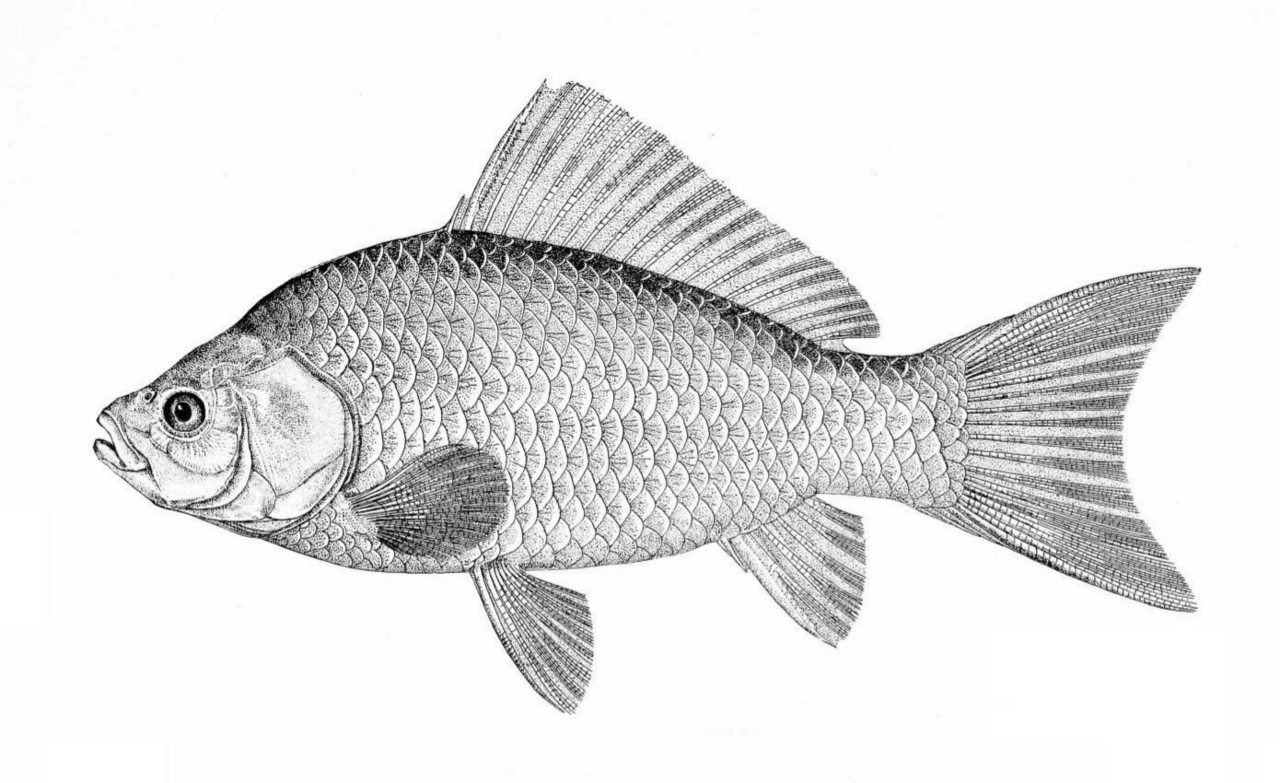
In a typical community aquarium containing adult goldfish alongside any unplanned spawning, survival rates for fry left entirely to natural circumstances are extremely low, often approaching zero, since adult goldfish, snails, and any other tankmates present will actively consume both eggs and newly hatched fry as an easy protein source whenever given the opportunity.
This near-total predation pressure explains why serious goldfish breeders almost universally remove eggs or newly hatched fry to a separate rearing tank immediately after noticing a spawning event, since even brief exposure to adult tankmates dramatically reduces the number of fry that survive to any meaningful size, let alone to full maturity and adult coloration.
For hobbyists who discover unexpected fry in an established community tank and want to give them a genuine chance at survival, prompt separation into a dedicated rearing container, even something as simple as a floating breeder net or a small standalone tank, dramatically improves outcomes compared to leaving fry in the original tank where established adults, including their own parents, pose the single greatest threat to their survival.
Baby Goldfish vs Other Aquarium Fry
Goldfish fry share their brownish, translucent early appearance with many other egg-scattering species, making species identification genuinely difficult without knowing which fish actually spawned in a given tank, though goldfish fry tend to develop a distinctly rounder, deeper body shape earlier than more slender species like certain tetras or barbs as growth progresses.
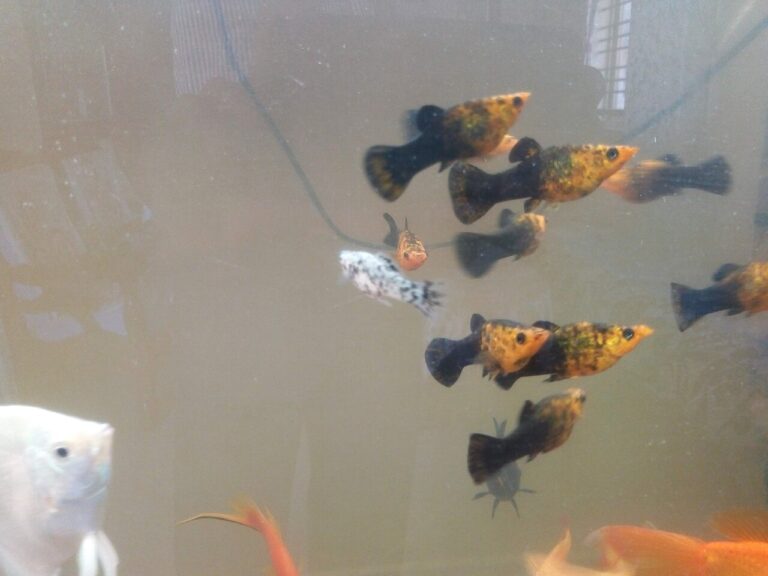
Compared to the newly hatched young of livebearing species such as mollies, which are born fully formed, already colored, and immediately free-swimming rather than starting as nearly transparent egg-hatched fry, goldfish young represent a fundamentally different reproductive strategy entirely, egg-scattering with high initial numbers and low individual investment versus livebearing’s smaller broods born already considerably more developed and independently capable, a contrast covered in more depth in our betta fish care guide.
For hobbyists specifically keeping fancy goldfish varieties like orandas or shubunkins, fry from these ornamental strains follow the same brown-to-adult-color developmental timeline described above, though the elaborate fin and body shapes distinguishing these varieties as adults, the oranda’s characteristic head growth or the shubunkin’s calico pattern, typically do not become apparent until considerably later in development than basic body coloration does, a distinct developmental path from the more predictable growth pattern of the redear sunfish sometimes kept in similar ponds.
Setting Up a Successful Fry-Rearing Tank
A dedicated fry-rearing setup benefits from being relatively shallow and modestly sized, since smaller volumes of water are considerably easier to keep clean and well-fed for fry compared to attempting to raise fry in a large tank where locating and adequately feeding tiny fry throughout scattered space becomes far more difficult to manage consistently.
Gentle filtration, or in many cases simply frequent manual water changes without mechanical filtration at all in the very earliest stages, protects fragile fry from being drawn into filter intakes, a genuine hazard for fish this small, while still maintaining the water quality standards fry require given their heightened sensitivity compared to hardier adults.
As fry grow past the most vulnerable initial weeks, gradually introducing gentle filtration, increasing tank size, and transitioning toward standard adult goldfish care becomes appropriate, with the overall timeline from hatching to a young goldfish ready for typical community tank conditions generally spanning several months of dedicated, more intensive care than adult goldfish require on an ongoing basis.
How Many Baby Goldfish Survive in a Pond?
Very few, and the reason is simple: adult goldfish eat their own eggs and fry. A female can release hundreds to thousands of eggs in a single spawn, and in a stocked pond with no separation the usual outcome is that a handful survive, sometimes none. The survivors are the ones that reach dense plant cover before anything finds them.
Everything else in the pond adds to that. Dragonfly larvae, water beetles, frogs, newts and any larger fish all take fry, and birds take them from the shallows. Fry that do survive spend their first months brown or bronze rather than gold, which is not an accident but camouflage: the wild-type colouration is what keeps them alive, and the bright orange that people select for is a liability in open water.
If you want a meaningful number to survive, the fry have to be separated. Move plants carrying eggs to a nursery tank or a mesh spawning box, or plant the pond densely enough with oxygenating weed and hornwort that fry have real refuge. Left alone, a pond will still produce a few new fish a year, which is usually the right amount given how large goldfish get. The species profile for Carassius auratus gives the size and spawning parameters behind that.
Related reading: Fantail Goldfish Care.
Frequently Asked Questions
What is a baby goldfish called?
A fry. Goldfish fry hatch from eggs within two to seven days and start out nearly transparent, about a quarter inch long, with no parental care from the adult goldfish.
Why are baby goldfish brown instead of orange or gold?
All goldfish fry start brownish-bronze regardless of their eventual adult color, a trait inherited from their wild carp ancestor that provides camouflage. Adult coloration typically develops between three months and a year of age.
What do baby goldfish eat?
Newly hatched fry eat infusoria or liquid fry food initially, graduating to baby brine shrimp and crushed flake food as they grow. Fry need feeding four to six times daily, far more often than adult goldfish.
Will adult goldfish eat their own babies?
Yes, readily. Adult goldfish, including the parents, will eat both eggs and newly hatched fry given the chance, which is why serious breeders separate eggs or fry into a dedicated rearing tank immediately after spawning.
How long does it take baby goldfish to get their color?
Typically six months to a year, though the process often begins gradually around three to six months of age. The exact timeline varies based on genetics, water quality, and growth rate.
How many babies do goldfish have at once?
A single spawning can produce hundreds to thousands of eggs, though survival rates without intervention are extremely low due to predation from adult tankmates and general environmental challenges facing fry this vulnerable.
Do goldfish fry need a heater?
Fry generally benefit from slightly warmer, stable water temperatures to support faster growth and metabolism during this critical period, though extreme or fluctuating temperatures pose genuine risk and should be avoided.