Baby Hognose Snake: The Bluff, the Bite, and Keeping One
A baby hognose snake hatches at 6 to 8 inches long, weighs a few grams, and already has the upturned snout and the full theatrical defence display of an adult. When threatened it flattens its neck into a hood, hisses loudly, strikes with the mouth closed, and if none of that works, it convulses, rolls onto its back, opens its mouth, lets the tongue hang out, and plays dead. Hatchlings do all of this within days of leaving the egg.
None of it is dangerous. Hognose snakes are rear-fanged and produce a mild saliva toxin that subdues toads, and while a prolonged chewing bite can cause local swelling in some people, there has never been a recorded human death from a hognose bite. The bluffing display exists precisely because the snake has no real weapon to back it up.
| Feature | Baby Hognose Snake |
|---|---|
| Length at hatching | 6 to 8 inches |
| Clutch size | 8 to 40 eggs, typically 15 to 25 |
| Incubation | 50 to 65 days |
| Adult size | Females 24 to 36 in, males 14 to 24 in |
| Defence | Hooding, hissing, bluff strike, playing dead |
| Danger to humans | None, no recorded fatality |
| Captive lifespan | Commonly 15 to 20 years |
What a Baby Hognose Snake Looks Like
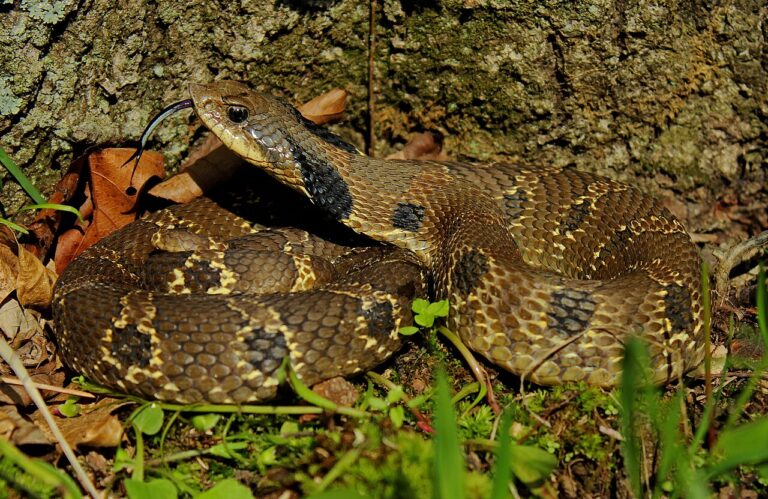
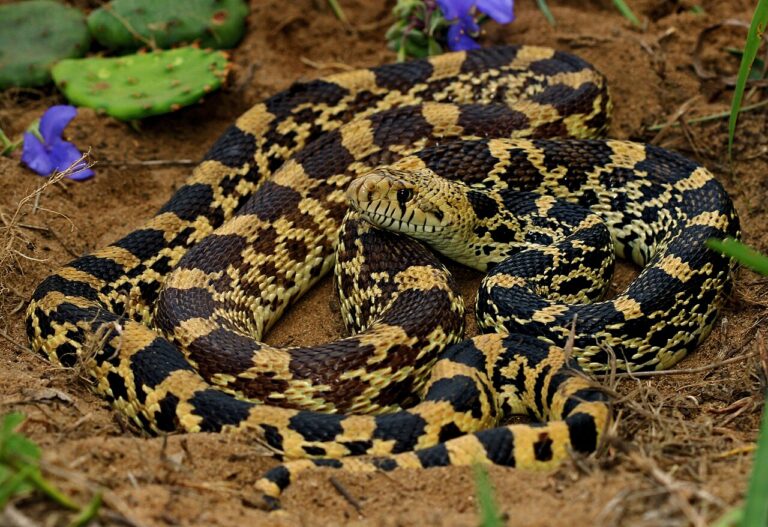
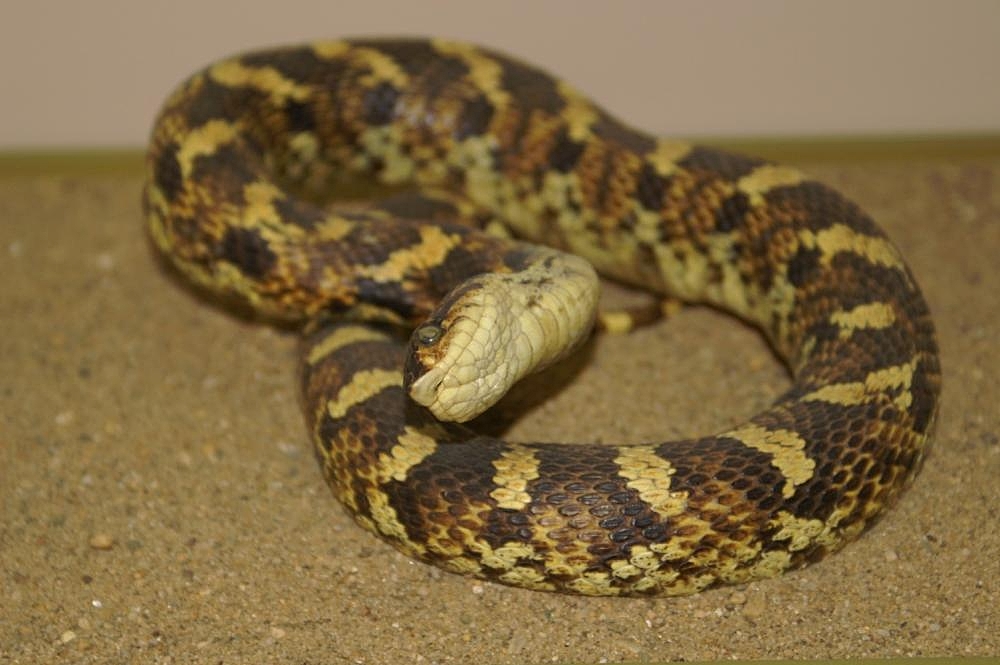
The snout is the giveaway at any age. Hognose snakes have a sharply upturned, keeled rostral scale that gives the head a shovel-nosed profile, used for digging in loose soil and sand to find buried toads. No other North American snake has anything comparable, and it is obvious even on a hatchling.
Body pattern is blotched rather than striped or banded, with dark squarish saddles down the back and smaller alternating blotches on the flanks. Ground colour varies enormously by region and individual, running through grey, tan, olive, orange, red, and near-black, and some individuals are almost patternless.
Hatchlings are stouter in proportion than adults and often more contrastingly marked, with the pattern fading as the snake grows. The belly is usually pale with dark mottling, and the underside of the tail is noticeably lighter than the belly, which is a useful confirming mark. Our species guide to the hognose snake covers adult variation.
The Defence Display
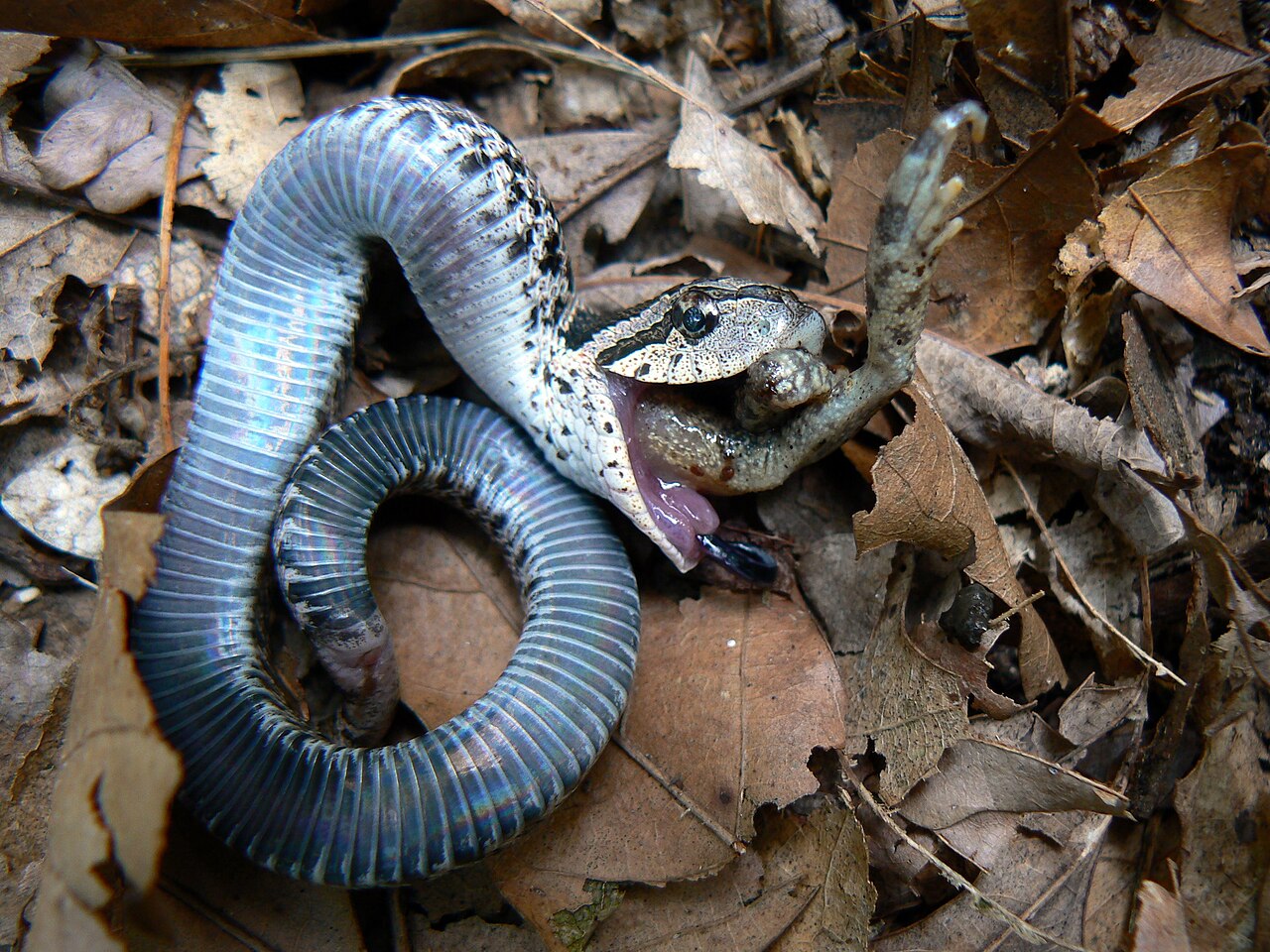
The sequence runs in a predictable order and hatchlings perform it as completely as adults. Stage one is the cobra impression: the snake flattens the neck and forebody into a broad hood, inflates the body with air, and hisses loudly. It looks and sounds far more dangerous than it is, and it is convincing enough that hognose snakes are frequently killed as venomous species.
Stage two is the bluff strike. The snake lunges with the mouth closed or barely open, usually stopping short, and almost never makes contact. Even when it does connect, it does not bite. This is genuine theatre rather than a warning of a real strike, and a hognose that has decided to bluff will keep bluffing rather than escalate.
Stage three is thanatosis, playing dead. If the display fails the snake convulses, writhes, rolls onto its back, gapes, hangs the tongue out, and sometimes releases musk and smears cloacal contents to complete the impression of a rotting carcass. Turn it right side up and it will immediately flip onto its back again, which gives the whole performance away.
Do Hognose Snakes Bite?
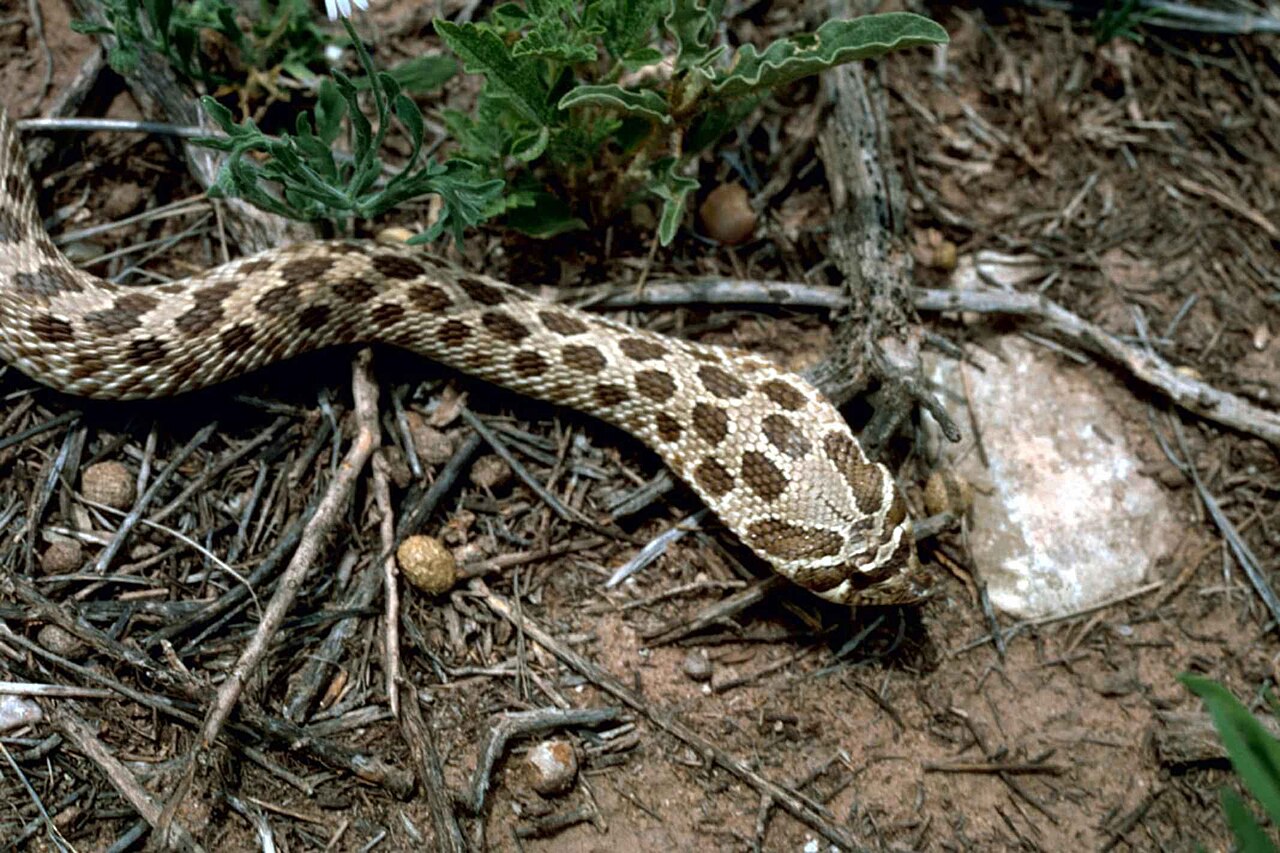
Rarely, and it takes effort to provoke one. In defensive encounters they bluff rather than bite, and the vast majority of recorded bites happen during feeding when a snake mistakes a hand for food, or when an animal is restrained and chewed on repeatedly.
They are rear-fanged, with enlarged grooved teeth at the back of the upper jaw and a Duvernoy’s gland producing a mild toxin adapted to subduing toads. Delivering it requires a sustained chewing bite rather than a quick strike, which is why brief contact usually produces nothing at all.
Reactions when they do occur are local: swelling, redness, bruising, and occasionally blistering around the bite, resolving over a few days. Some people show a more pronounced allergic-type response. Medical attention is sensible for anything beyond mild swelling, but there is no antivenom because none is needed and no recorded human death exists.
Baby Hognose Snakes as Pets
Western hognose snakes, Heterodon nasicus, are among the most popular small colubrids in the reptile hobby, and captive-bred hatchlings are widely available. They stay small, they are active during the day, and their behaviour is more engaging than most beginner snakes, which is a genuine part of the appeal.
Care requirements are modest. A hatchling needs a small secure enclosure with deep loose substrate for burrowing, a warm side around 88 to 90 degrees Fahrenheit with a cooler side in the high 70s, a water dish, and hides on both sides. Adults do well in a 20 to 40 gallon footprint depending on sex, since females grow considerably larger.
Feeding is where hognose snakes differ from other beginner species. Hatchlings are often reluctant to take rodents because their natural diet is amphibian, and many need scenting with toad or frog to start. This is the main reason people who buy one unprepared end up with a snake that will not eat, and it is worth asking any breeder whether the animal is feeding readily on unscented pinkies before buying.
Do Hognose Snakes Like Being Held?
Tolerate is more accurate than like. No snake seeks out handling, and hognose snakes are no exception, but they are generally calm in hand and rarely defensive once they have learned that being picked up does not lead to harm. Many individuals become notably relaxed with regular gentle handling.
Hatchlings bluff more than adults, and a new baby hognose will often hood and hiss during its first several handling sessions. This settles with consistency, and the appropriate response is short calm sessions rather than avoiding handling entirely, which allows the behaviour to persist.
Two rules reduce trouble. Never handle within 48 hours of a meal, since hognose snakes regurgitate more readily than many species, and always wash hands after touching frozen rodents so the snake does not associate your hand with food. Feeding-response bites are the most common cause of a bite from an otherwise placid animal.
How Fast Baby Hognose Snakes Grow
Growth is fastest in the first two years and then slows. A hatchling at 6 to 8 inches typically reaches 12 to 16 inches by its first birthday given regular feeding, and males approach their adult size of 14 to 24 inches within two to three years. Females continue growing longer, reaching 24 to 36 inches.
The size difference between sexes is unusually large for a colubrid and matters practically, since a female needs a considerably bigger enclosure and larger prey as an adult. Anyone buying a hatchling should plan for the female footprint rather than assuming the animal will stay small.
Feeding frequency drops with age. Hatchlings eat every four to five days, juveniles every five to seven, and adults every seven to fourteen depending on prey size and season. Hognose snakes are prone to obesity in captivity because they are enthusiastic feeders, and overfeeding is a more common problem than underfeeding once past the hatchling stage. A reptile veterinarian is the right person to judge body condition, since the species naturally looks stouter than most colubrids and owners routinely misread a healthy animal as thin.
Why Hognose Snakes Are Expensive
Base captive-bred western hognose snakes are not expensive, typically 150 to 300 dollars for a normal hatchling. What drives prices into the thousands is morph genetics: selectively bred colour and pattern variants such as albino, axanthic, toffeebelly, lavender, and various combinations, some of which sell for several thousand dollars.
Clutch sizes are moderate at 8 to 40 eggs and the species produces one clutch per year, so supply of any specific new morph builds slowly. A recessive trait requires several generations to establish, and early holders of a new gene set the price during that window.
Eastern hognose snakes, Heterodon platirhinos, are far less common in the trade because they are harder to establish on rodents and are protected or restricted in several states. Anyone offered a wild-caught eastern hognose should check state law first, since collection is prohibited in a number of jurisdictions. Our guide to the baby snake covers identifying wild hatchlings of other species, and our guide to what eats snakes covers the predators a hatchling has to survive.
Finding a Baby Hognose in the Wild
Wild hatchlings emerge in late summer, roughly August into September, after 50 to 65 days of incubation in a shallow nest dug in loose soil or sand. Like all snakes in North America they receive no parental care and disperse immediately.
Habitat is the strongest clue. Hognose snakes need loose sandy or friable soil they can dig in and a healthy toad population, which puts them in sandhills, prairie, old fields, dunes, and open pine woodland rather than in dense forest or wet bottomland. They are diurnal and are most often found crossing sandy roads on warm mornings.
If you find one, the correct response is to leave it alone or, if it is on a road, move it across in the direction it was heading. The display is alarming and entirely harmless, and hognose snakes are declining in several eastern states from habitat loss and from being killed on sight. Our guides to the baby garter snake and the baby rat snake cover the other harmless hatchlings most often misidentified.
Eastern hognose snakes are listed as a species of conservation concern in several northeastern states, largely because they need the same loose sandy soils that get developed first and because their bluffing display so reliably gets them killed. Reporting sightings to a state herpetological atlas is genuinely useful, since distribution data for the species is patchy.
Frequently Asked Questions
Are baby hognose snakes good pets?
They are among the better small colubrids for a beginner: they stay small, are active by day, and are generally calm in hand. The main complication is feeding, since hatchlings often refuse rodents because their natural diet is amphibian. Buy only an animal already feeding readily on unscented pinkies.
Do hognose snakes bite?
Rarely, and almost always during feeding rather than in defence. When threatened they bluff, striking with the mouth closed. They are rear-fanged with a mild toxin adapted to subduing toads, and a prolonged chewing bite can cause local swelling, but there is no recorded human death.
Do hognose snakes like to be held?
They tolerate it rather than seek it. Most become notably relaxed with short, regular, gentle handling, though hatchlings bluff for the first several sessions before settling. Never handle within 48 hours of a meal, since hognose snakes regurgitate more easily than many species.
How big is a 1 year old hognose snake?
Typically 12 to 16 inches, up from 6 to 8 inches at hatching. Males reach an adult size of 14 to 24 inches within two to three years, while females continue growing to 24 to 36 inches, so plan enclosure size around the female range if the sex is unknown.
Why are hognose snakes so expensive?
Normal captive-bred hatchlings are not, typically 150 to 300 dollars. High prices come from morph genetics, with selectively bred colour variants such as albino, axanthic, and lavender reaching several thousand. Moderate clutch sizes and one clutch per year mean supply of any new morph builds slowly.
Why do hognose snakes play dead?
It is the last stage of a bluffing sequence after hooding, hissing, and a closed-mouth strike. The snake convulses, rolls belly-up, gapes, hangs its tongue out, and may release musk to imitate a rotting carcass. Predators that reject carrion move on. Turn it upright and it flips straight back over.
Are hognose snakes venomous?
Technically they produce a mild toxin from a Duvernoy’s gland delivered by enlarged rear teeth, adapted to subduing toads. It is not dangerous to people, requires a sustained chewing bite to deliver, and there is no antivenom because none is needed. Treating them as harmless is accurate in practice.