Crested Gecko Enclosure: Size, Temps and Setup That Work
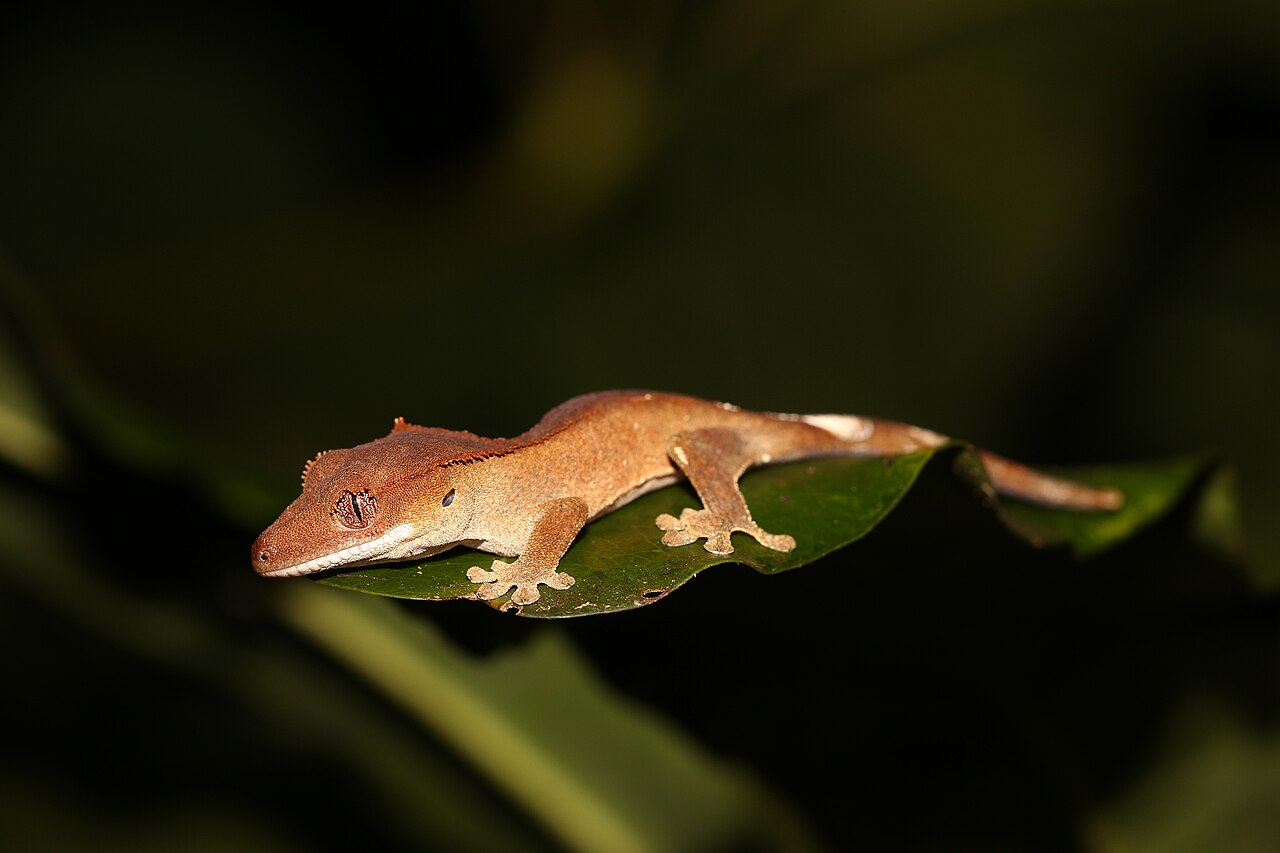
A crested gecko enclosure should be at least 18 x 18 x 24 inches (46 x 46 x 61 cm) for one adult, and height matters more than floor space. Crested geckos (Correlophus ciliatus) are arboreal, so they spend the night climbing branches and sleeping wedged into leaf cover rather than roaming the ground.
Hatchlings are the exception. A baby under 15 grams gets lost in a large tank and often fails to find its food, so most keepers start juveniles in a 12 x 12 x 18 inch (30 x 30 x 46 cm) setup and upgrade at around six months.
One adult crested gecko needs a minimum enclosure of 18 x 18 x 24 inches (46 x 46 x 61 cm), oriented vertically. Keep daytime temperatures at 72 to 78 F (22 to 26 C), let nights drop to 65 to 72 F (18 to 22 C), and hold humidity between 60 and 80 percent with a nightly misting.
| Requirement | Target |
|---|---|
| Adult enclosure (1 gecko) | 18 x 18 x 24 in (46 x 46 x 61 cm) minimum |
| Hatchling enclosure | 12 x 12 x 18 in (30 x 30 x 46 cm) or a small tub |
| Daytime temperature | 72 to 78 F (22 to 26 C) |
| Night temperature | 65 to 72 F (18 to 22 C) |
| Humidity | 60 to 80 percent, drying out between mistings |
| Lighting | 12 hour cycle, low output 2 to 5 percent UVB is optional |
| Cohabitation | One gecko per enclosure, never two males |
What size enclosure does a crested gecko need?
An adult needs 18 x 18 x 24 inches as a floor, and 18 x 18 x 36 inches (46 x 46 x 91 cm) is the size most long term keepers settle on. The extra foot of height creates a real temperature gradient, which lets the gecko thermoregulate by climbing instead of hiding on the substrate.
Bigger is only better when the enclosure is cluttered. A tall, bare tank leaves a gecko feeling exposed, and it will sit pressed into one corner for weeks. Fill the volume with cork rounds, cross branches, and broad leaved plants until you can no longer see the back wall. The same rule applies to a jumping spider enclosure: usable structure beats raw volume.
What does a crested gecko need in an enclosure?

Six things: climbing structure, dense cover, a humid substrate, a shallow water dish, a raised ledge for food, and a hide near the floor. Branches should run diagonally rather than straight up, because a diagonal gives the gecko a resting surface instead of a ladder.
Live plants such as pothos (Epipremnum aureum) hold droplets the gecko drinks from and survive the humidity that kills most houseplants. Mount the food ledge at mid height, since a crested gecko is far more likely to eat a meal replacement powder served in the canopy than one left on the ground. What goes in that cup is covered in our crested gecko diet guide.
How cold is too cold for a crested gecko at night?
Below 60 F (16 C) is too cold, and sustained nights under 65 F (18 C) slow digestion enough to cause problems. A short dip to 62 F (17 C) will not hurt a healthy adult, but weeks at that temperature stop the gecko eating.
Heat is the bigger danger in practice. Above 82 F (28 C) crested geckos overheat quickly, and sustained temperatures in the mid 80s are a common cause of death in home setups. Cool the room rather than the tank, and skip heat lamps unless a thermostat controlled low wattage panel is genuinely needed. This is the opposite of a leopard gecko enclosure, which is built around belly heat.
Substrate, humidity, and keeping the enclosure clean
Use a substrate that holds water without staying swampy: coconut fiber, a coco and topsoil mix, or a bioactive blend with springtails and isopods, laid 2 to 3 inches (5 to 8 cm) deep. Avoid sand and bark chunks large enough to be swallowed, the same impaction concern behind our leopard gecko substrate comparison.
Mist heavily once at night and lightly in the morning. Humidity should spike above 80 percent after misting and fall back toward 50 or 60 percent before the next one. A cage that never dries breeds mold and respiratory infection, which is why permanently soaked moss beds cause more trouble than they solve.
What makes a crested gecko happy, and how can you tell if it is stressed?

A settled crested gecko sleeps flat against leaves or glass during the day, moves through the upper third of the enclosure at night, and licks its eyes when relaxed. A stressed one darkens, gapes, sits on the substrate in the open, drops its tail, or refuses food for more than two weeks.
The fastest fixes are environmental: too warm, too bare, or handled too often. Limit handling to short sessions a few times a week, and none at all for the first two weeks after a move. That stability also drives the crested gecko lifespan, since cool, undisturbed animals routinely pass 15 years. The Smithsonian’s National Zoo publishes general husbandry notes on reptiles along the same lines.
Frequently Asked Questions
What are the downsides of owning a crested gecko?
They are nocturnal, so you will rarely see one active during the day. They dislike frequent handling, they drop their tails permanently when frightened, and they need daily misting. A crested gecko is a display animal that tolerates people, not one that seeks them out. More in our crested gecko care overview.
Can two crested geckos live in the same enclosure?
House one gecko per enclosure. Two males will fight and injure each other, and a male housed with a female breeds her constantly, draining her calcium reserves. Even two females bully each other over food and perches, with the loser slowly losing weight while the owner sees nothing obviously wrong.
Does a crested gecko enclosure need UVB lighting?
It is optional but helpful. Crested geckos thrive on a calcium and D3 supplemented diet alone, yet captive studies show better bone density with low output UVB at 2 to 5 percent. If you add a bulb, keep it on a 12 hour timer and give the gecko shaded cover to escape it.
How often should I clean the enclosure?
Spot clean droppings and old food every day or two, wipe the glass weekly, and replace plain substrate every 4 to 6 weeks. A bioactive setup with springtails and isopods handles waste on its own and may go a year or longer before the soil needs refreshing.