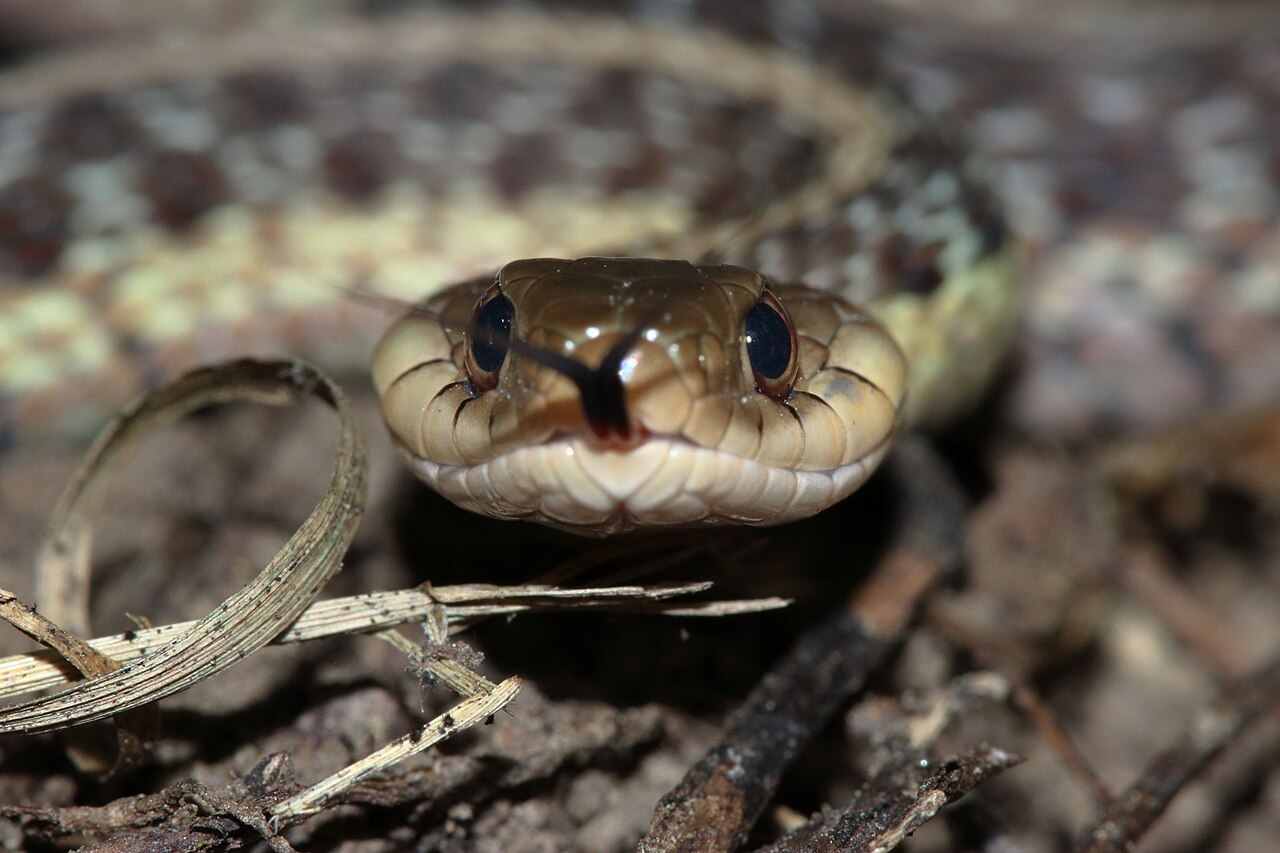
Garter Snake Bite: What It Feels Like and What to Do
A garter snake bite is a minor scratch or a set of shallow puncture marks that bleeds a little and stings for a few minutes. Garter snakes are not dangerous to people, their teeth are small and backward-curving for gripping rather than cutting, and most bites happen only when a snake is picked up or cornered.
They are not venomous in any medically meaningful sense. Garter snakes do produce a mild saliva with toxin-like proteins in the rear of the mouth, which is effective on amphibians and worms and, in rare cases, causes mild local swelling in a person, but there is no antivenom, no serious envenomation, and no recorded death. This guide covers the bite, what to do, whether they are safe to handle, and what they contribute to a garden.
A garter snake bite causes minor scratches or shallow punctures with brief stinging and slight bleeding, and it is not medically dangerous. They have mildly toxic saliva that affects amphibians, and rare bites cause mild local swelling in people. Wash the area, apply pressure, and monitor for infection. No antivenom exists or is needed.
| Aspect | Garter Snake Bite |
|---|---|
| Appearance | Small scratches or shallow puncture marks |
| Pain | Brief stinging; minor bleeding |
| Venom | Mild saliva; not medically significant |
| Usual cause | Handling or cornering the snake |
| Treatment | Wash, pressure, monitor for infection |
| Musk | Common defence; foul-smelling and persistent |
| Danger to pets | Minimal; mouth infection risk in small pets |
Does a Garter Snake Bite Hurt?
Barely. Most people describe it as similar to a cat scratch or a pinprick, with a brief sting and a small amount of bleeding, and the discomfort passes within minutes. Many bites do not break the skin at all.
The anatomy explains it. Garter snakes have rows of small, backward-curving teeth designed to hold slippery prey such as frogs, worms, and fish while it is swallowed, not to cut or inject. There are no hollow fangs and no venom delivery apparatus at the front of the mouth.
The one complication is that garter snakes often hold on rather than striking and releasing. A snake that has bitten may hang on for several seconds, and pulling it off drags the recurved teeth backward through skin, which does more damage than the bite itself. Letting go and waiting is better. The baby garter snake guide covers identification.
Are Garter Snakes Venomous?
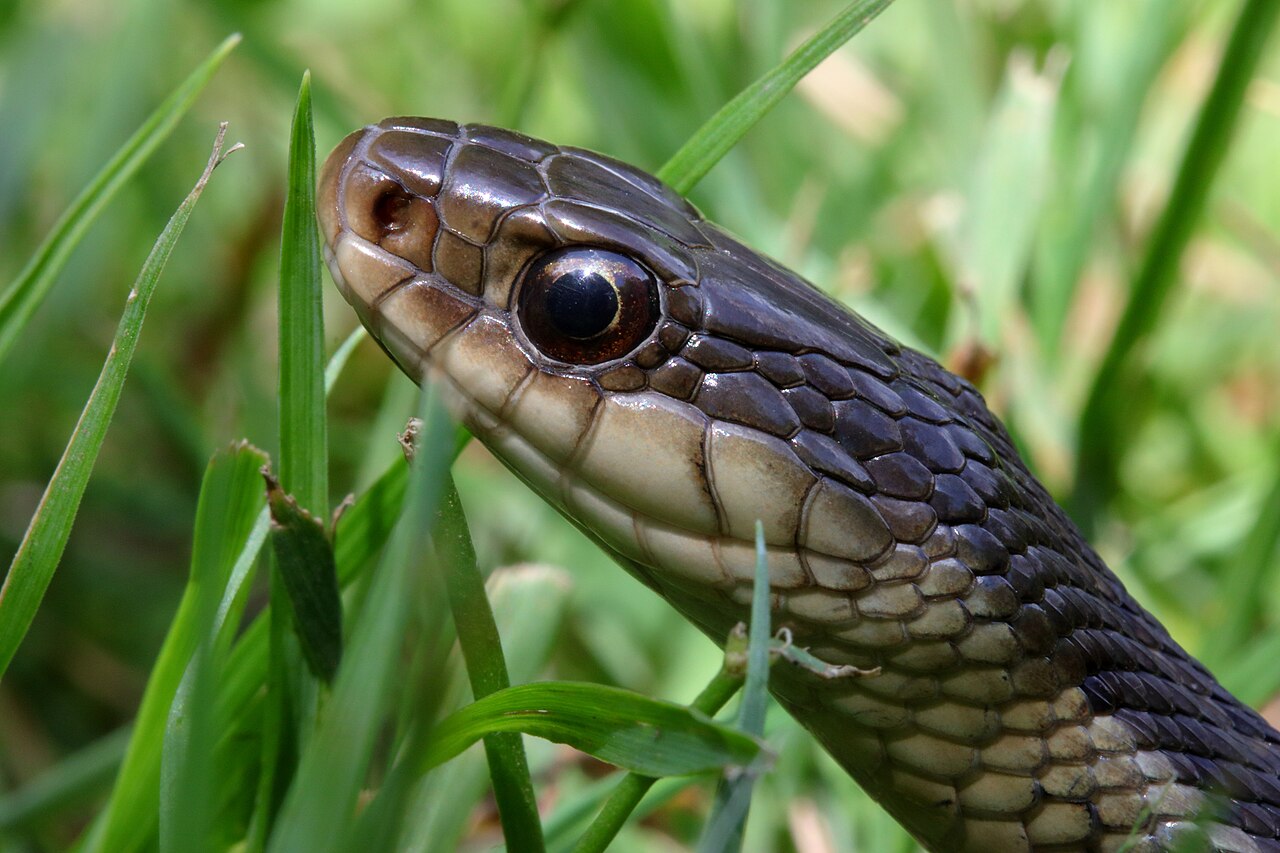
Technically they produce a mildly toxic saliva, practically they are harmless to people. Garter snakes have enlarged rear teeth and a Duvernoy’s gland producing a secretion that helps subdue amphibians and worms, and for a long time they were described as entirely non-venomous before that was recognised.
The effect on humans is negligible in almost every case. A small number of reports describe mild local swelling, redness, or itching after a prolonged bite where the rear teeth engaged, and these resolve without treatment. There is no systemic effect, no antivenom, and no recorded human death from a garter snake.
They are also toxic in a different sense, which is more interesting. Garter snakes in parts of the Pacific Northwest eat rough-skinned newts and store the newts’ tetrodotoxin in their own tissues, becoming poisonous to eat for hours afterwards. That is a defence against predators rather than anything relevant to handling. The hognose snake guide covers another rear-fanged harmless species.
What Should You Do If Bitten?
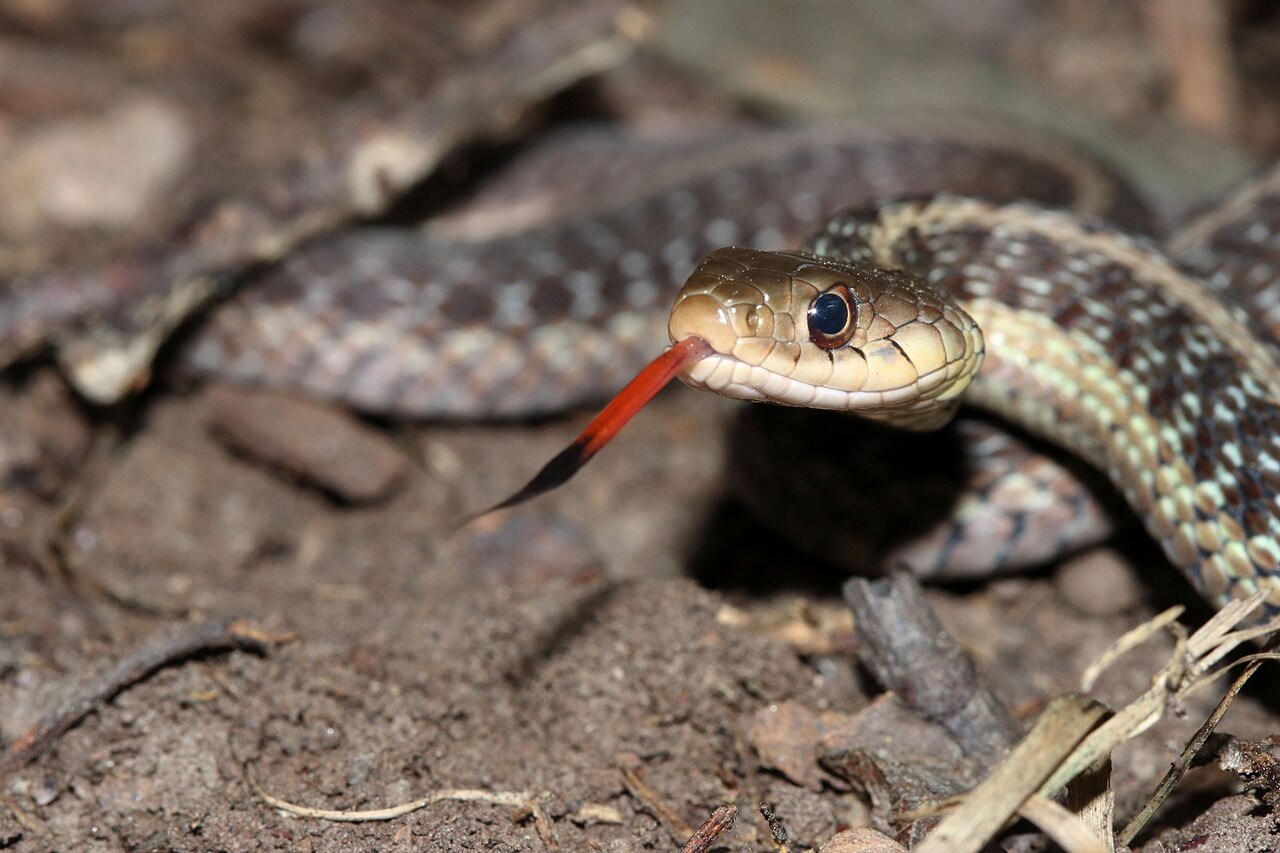
Wash the area with soap and water, apply gentle pressure if it is bleeding, and cover it if the skin is broken. That is the whole treatment for the overwhelming majority of bites, and the risk that remains is ordinary bacterial infection rather than anything snake-specific.
Do not apply a tourniquet, cut the wound, or attempt suction. Those measures are inappropriate even for genuine venomous snakebite and are actively harmful here. Antihistamine or a cold pack helps if there is mild swelling or itching.
Seek medical attention if swelling spreads beyond the immediate area, if redness and warmth develop over the following days, if pus appears, or if there is any difficulty breathing or widespread hives, which would indicate an allergic reaction rather than envenomation. Tetanus status is worth checking if it has been more than ten years.
Are Garter Snakes Aggressive?
No. Garter snakes flee first almost invariably, and biting is a last resort after other defences have failed. A snake in the open will move away, and a snake that cannot escape will flatten its body, hiss, and strike with a closed mouth before it actually bites.
Musking is the more common defence and the one people remember. Garter snakes release a foul-smelling mixture of musk and faeces from the cloaca when handled, and it is genuinely unpleasant, clings to hands and clothing, and takes soap and repeated washing to remove.
Most bites therefore involve someone picking a snake up. A garter snake left alone in a garden will not approach a person, does not defend a territory, and has no reason to interact. The baby snake guide covers safe handling of small snakes generally.
Is It Safe to Pick One Up?
It is safe for you and stressful for the snake. Garter snakes tolerate handling reasonably well compared with most wild snakes, and many kept as pets become calm, but a wild snake picked up in a garden is experiencing a predator attack and responds accordingly with musk and biting.
If a snake must be moved, support the body rather than gripping it, keep it low, and move it a short distance in the direction it was already going. Never pick a snake up by the tail, which can injure the spine, and never grab behind the head, which snakes find intensely threatening.
Wash hands afterwards. Reptiles carry Salmonella as normal gut flora and shed it in faeces, and hand-to-mouth transmission is the realistic risk from handling any snake, considerably more so than the bite. That applies to pet snakes as much as wild ones.
Are Garter Snakes Good to Have in a Yard?
Yes, clearly. Garter snakes eat slugs, worms, insects, leeches, small rodents, and amphibians, and slugs in particular are a genuine garden benefit that few other predators handle at that scale.
They also indicate a functioning garden. Snakes need prey, cover, and an absence of heavy pesticide use, so a yard supporting garter snakes generally supports a good deal else, and their presence points to healthy soil invertebrate populations.
They pose no risk to people, pets, or property. A dog or cat that catches one may get bitten, which is minor, or musked, which is worse for everyone in the house, but there is no venom concern. Small pets such as hamsters kept outdoors could theoretically be prey for a large garter snake, but that is unusual. The guide to birds that eat snakes covers their own predators.
What Attracts Garter Snakes?
Food, water, and cover, in that order. Damp gardens with slugs, worms, frogs, and toads provide the diet, and a pond or a consistently damp area is a strong draw because garter snakes are among the most water-associated North American snakes.
Cover means anything they can hide under: log piles, rock piles, compost heaps, dense ground cover, sheet materials left on the ground, and gaps under sheds and decking. Garter snakes also bask, so a sunny rock or paving slab beside cover is ideal habitat.
They enter buildings only occasionally and usually accidentally, through gaps at ground level, and a snake indoors is lost rather than nesting. Sealing gaps around foundations, doors, and utility penetrations prevents it. Removing cover and reducing rodent and slug populations is what makes a yard less attractive if that is the goal.
Do They Bite Pets?
Occasionally, and it is a minor matter for a dog or cat. A garter snake caught by a pet will bite and musk, and the bite produces the same shallow scratches it would on a person, needing nothing beyond cleaning the area and watching for swelling.
The musk is the bigger consequence in practice. A dog that has rolled on or mouthed a garter snake carries a persistent foul smell that shampoo handles poorly, and the same enzymatic cleaners used for skunk spray work better than ordinary washing.
The real risk runs the other way. Pets kill large numbers of garter snakes, and a cat allowed outdoors takes small snakes routinely along with birds and lizards. Any bite wound on a pet from any wild animal is worth a vet check for infection, since mouth bacteria rather than venom is what causes trouble.
How Do You Tell Them From Venomous Snakes?
Garter snakes are slender, usually under three feet, with three pale stripes running lengthwise along a dark body, round pupils, and a head barely wider than the neck. That striped pattern is diagnostic and is shared by no venomous North American species.
Rattlesnakes, copperheads, cottonmouths, and coral snakes look nothing like it. Pit vipers have broad triangular heads clearly wider than the neck, vertical slit pupils, a heat-sensing pit between eye and nostril, and blotched or banded patterns rather than stripes. Coral snakes have red, yellow, and black rings encircling the body.
The realistic confusions are with other harmless snakes: ribbon snakes, which are slimmer with a longer tail, and DeKay’s brown snakes, which are small and unstriped. When in doubt, photograph from a distance and leave the animal alone; state wildlife agencies and university extension herpetology pages publish regional identification keys. The DeKay’s brown snake guide covers the commonest small garden snake alongside garters.
Frequently Asked Questions
Does a garter snake bite hurt?
Barely. Most describe it as like a cat scratch or pinprick with brief stinging and minor bleeding, and many bites do not break the skin. The teeth grip rather than cut.
Are garter snakes venomous?
They produce a mildly toxic saliva effective on amphibians and worms, but they are not medically dangerous to people. Rare prolonged bites cause mild local swelling that resolves on its own.
What should you do if a garter snake bites you?
Wash with soap and water, apply pressure if bleeding, and cover the wound. Watch for spreading redness or pus over the following days, which would indicate ordinary bacterial infection.
Are garter snakes aggressive?
No. They flee first, then flatten and hiss, then strike with a closed mouth, and biting is a last resort. Most bites happen when someone picks the snake up.
Is it okay to pick up a garter snake?
It is safe for you but stressful for the snake, which will usually musk. Support the body rather than gripping, never lift by the tail, and wash hands afterwards because of Salmonella.
Are garter snakes good to have in your yard?
Yes. They eat slugs, worms, insects, and small rodents, pose no risk to people or property, and their presence indicates a garden with healthy invertebrate populations and low pesticide use.
What attracts garter snakes to your yard?
Slugs, worms, frogs, and rodents for food, damp ground or a pond for water, and cover such as log piles, rock piles, compost heaps, and gaps under sheds.

Similar Posts
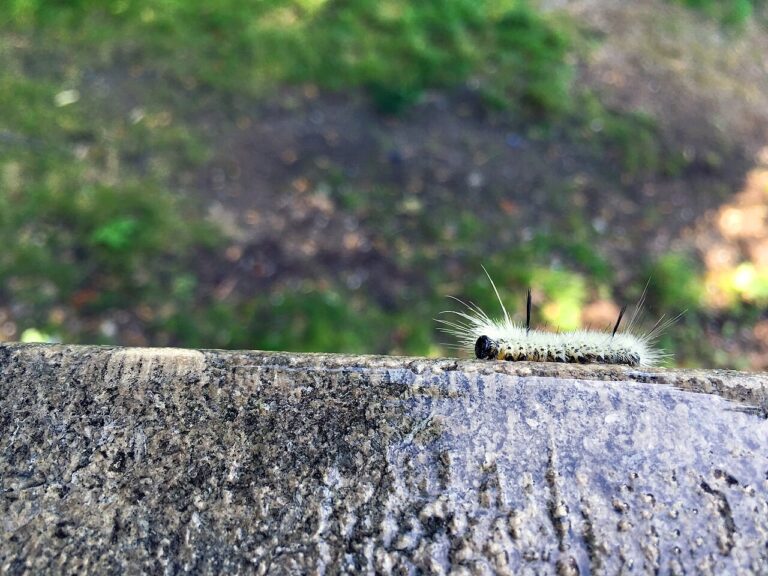
White Caterpillar: Identification, Rash Risk, and What They Become
Hickory tussock, fall webworm, or cabbage white? How to tell white caterpillars apart, which ones cause a rash, and what each one turns into.
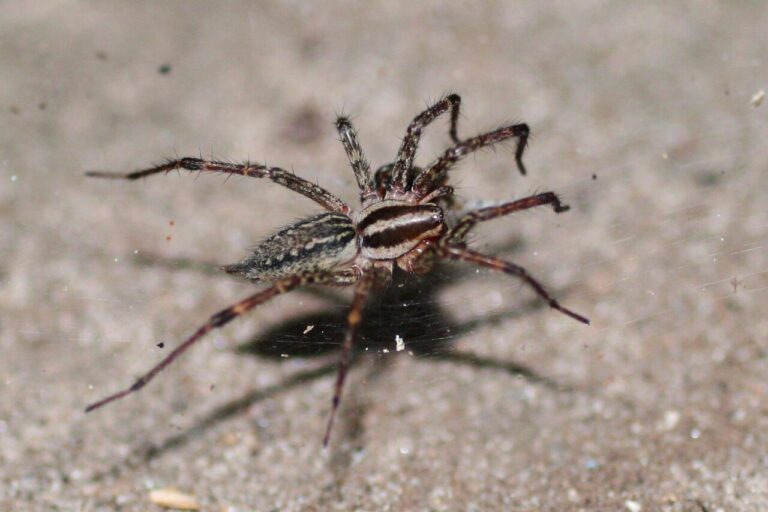
Grass Spider: Identification & Facts Guide
How to identify a grass spider, how its funnel web works without sticky silk, and whether it’s dangerous.
Animals That Eat Wasps: Nature’s Wasp Control
Badgers, skunks, bears, bats, frogs, dragonflies, robber flies and mantises all eat wasps. How each gets around the sting, and why a torn-up ground nest needs no treatment.
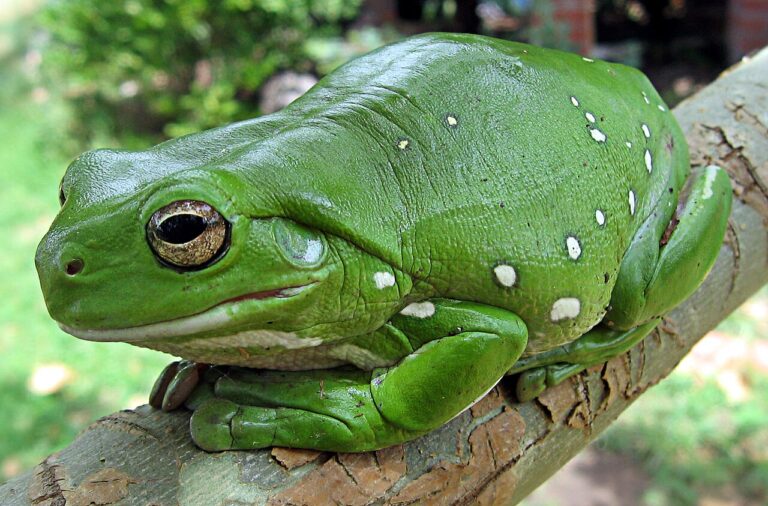
White Tree Frog: Care, Setup, and the Obesity Trap
White tree frogs live 15 to 20 years and tolerate handling, but they beg constantly and obesity is the main killer. Here is the full care guide.
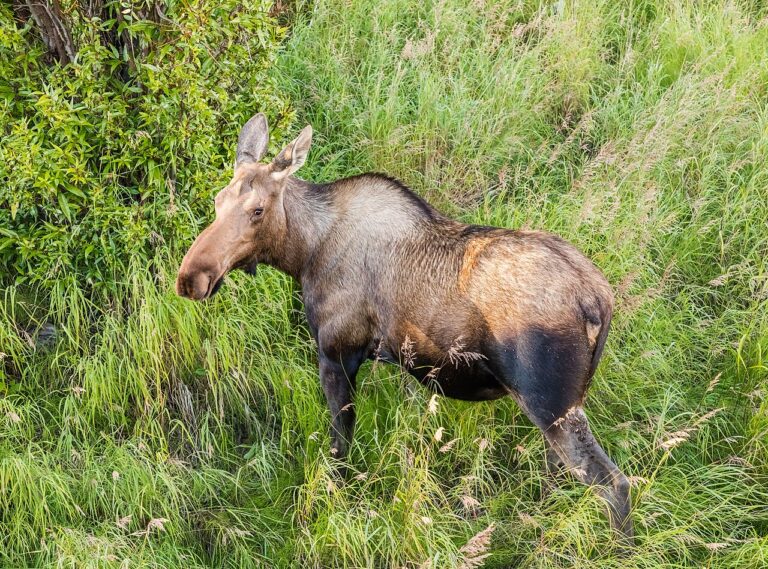
What Do Moose Eat? Twigs, Water Plants, and Winter
Moose eat 40 to 60 pounds of twigs and water plants a day, and dive 20 feet for sodium. Here is the seasonal diet and why feeding them kills.
How to Get Rid of Gophers: What Works and What Does Not
Trapping the main runway is the only method with real evidence. Why ultrasonic stakes, castor oil and coffee grounds fail, and how to protect plants permanently.