Raccoon Lifespan: 2 to 3 Years Wild, 20 in Captivity
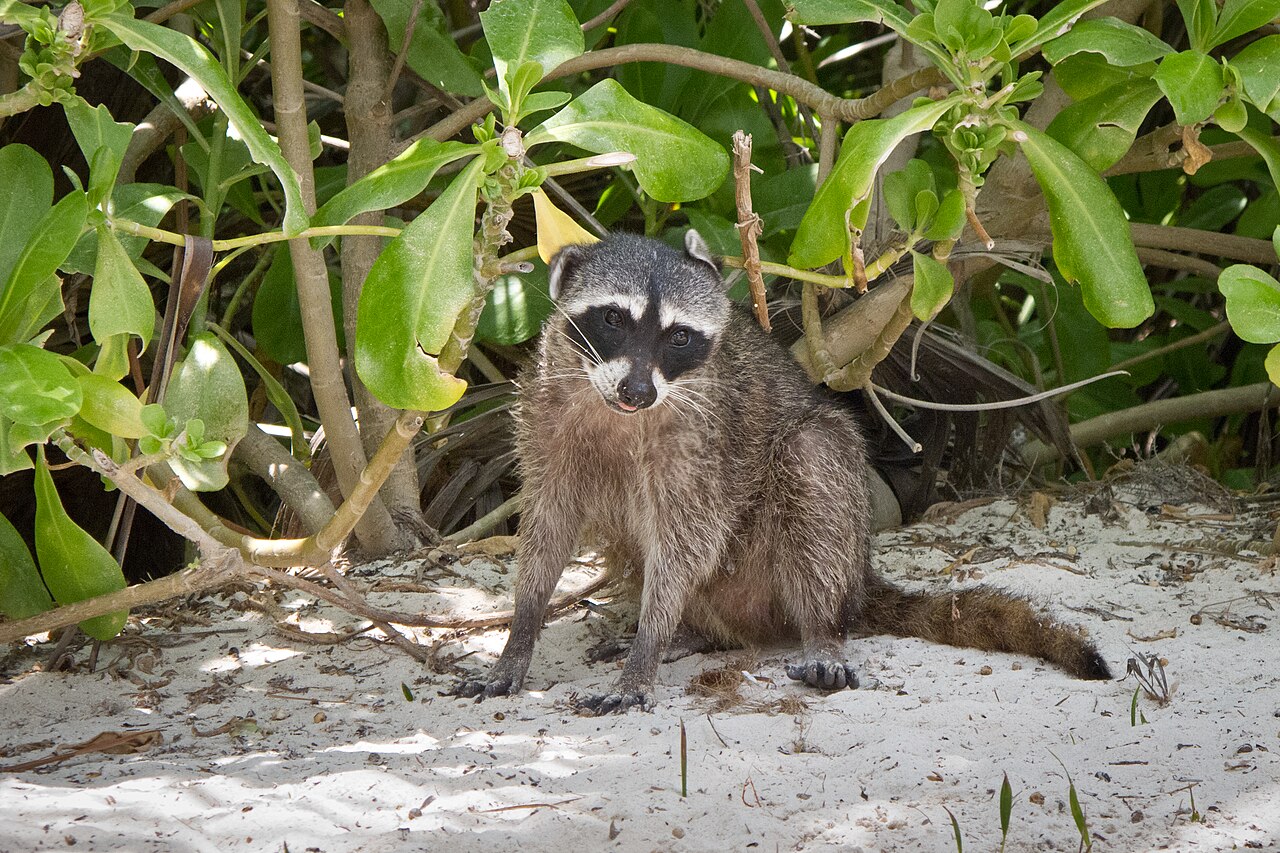
The average raccoon lifespan in the wild is only 2 to 3 years, even though the species is physically capable of living far longer. Raccoons (Procyon lotor) in captivity regularly reach 15 to 20 years, and a few documented individuals have passed 21. The gap is not biology. It is traffic, disease, and the brutal first winter that kills roughly half of all kits before their first birthday.
That difference matters because the two numbers answer different questions. One tells you how long a wild raccoon usually survives. The other tells you how long a raccoon body can last when nothing is trying to kill it.
Wild raccoons live an average of 2 to 3 years, with about 50 percent of kits dying before age one. Raccoons that survive to adulthood often reach 5 to 7 years, and the oldest wild records approach 16. In captivity, with no cars, hunters, or distemper, raccoons commonly live 15 to 20 years.
| Measure | Value |
|---|---|
| Average lifespan, wild | 2 to 3 years |
| First year mortality | About 50 percent of kits |
| Typical adult survivor | 5 to 7 years |
| Oldest wild records | Around 16 years |
| Average lifespan, captivity | 15 to 20 years |
| Leading cause of death | Vehicles, then disease |
How Long Do Raccoons Live in the Wild?
Most wild raccoons die young. Population studies across the eastern United States put mean life expectancy at 1.8 to 3.1 years, and the curve is front loaded. A raccoon that survives its first winter often reaches five, six, or seven.
Kits are the vulnerable group. They stay with their mother through their first fall, and a raccoon kit on its own before that point rarely survives. Anything you hear scrabbling in a chimney in spring is usually a female with a litter, and the chittering and purring noises coming through the ceiling are how you tell.
What Is a Raccoon’s Biggest Enemy?

Cars kill more raccoons than any predator does. In suburban counties, vehicle strikes are the largest single share of known raccoon deaths, followed by canine distemper, which sweeps through dense populations every few years and can wipe out a local group. Rabies is a real but smaller factor, concentrated in the eastern raccoon rabies variant tracked by the CDC.
Natural predators matter far less. Coyotes, bobcats, great horned owls, and large dogs take kits and occasionally adults, and alligators take them in the Southeast. None compares to a two lane road with food on both sides.
How Long Do Raccoons Live in Captivity?
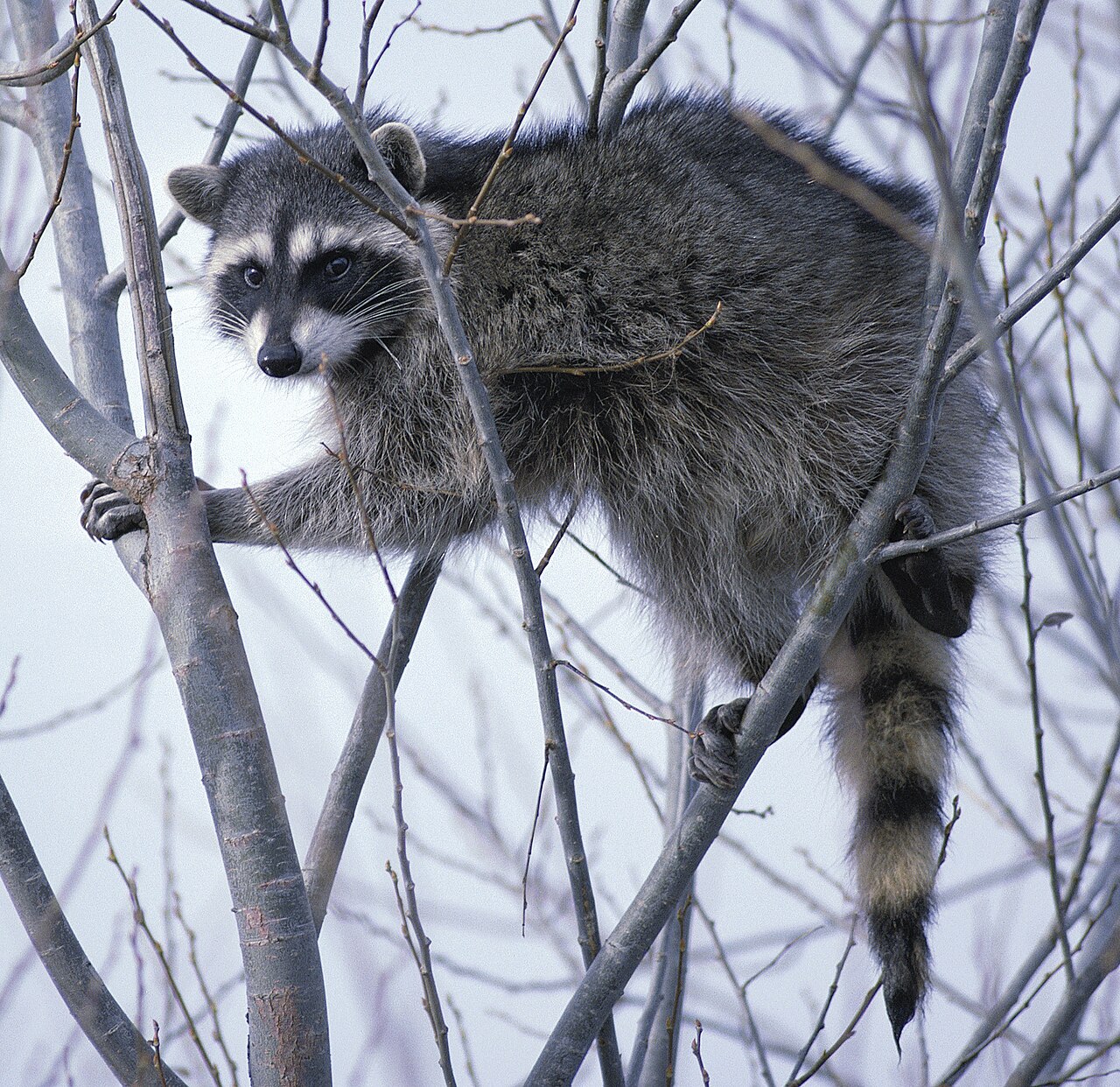
Captive raccoons routinely reach 15 to 20 years, and zoo records include animals over 21. The reason is unglamorous: reliable food, veterinary care, distemper vaccination, and no traffic. A raccoon body is built to last two decades. The wild simply never lets it.
The same pattern holds across small mammals and many bird species. Keeping one as a pet is a different question and is illegal in most states. Adult raccoons bite and do not stay tame past sexual maturity. If you want a long lived exotic that tolerates handling, a crested gecko is the honest alternative.
Next question: Do Raccoons Hibernate? No, Here Is What They Do Instead
Do Raccoons Bond With Humans and Recognize Faces?
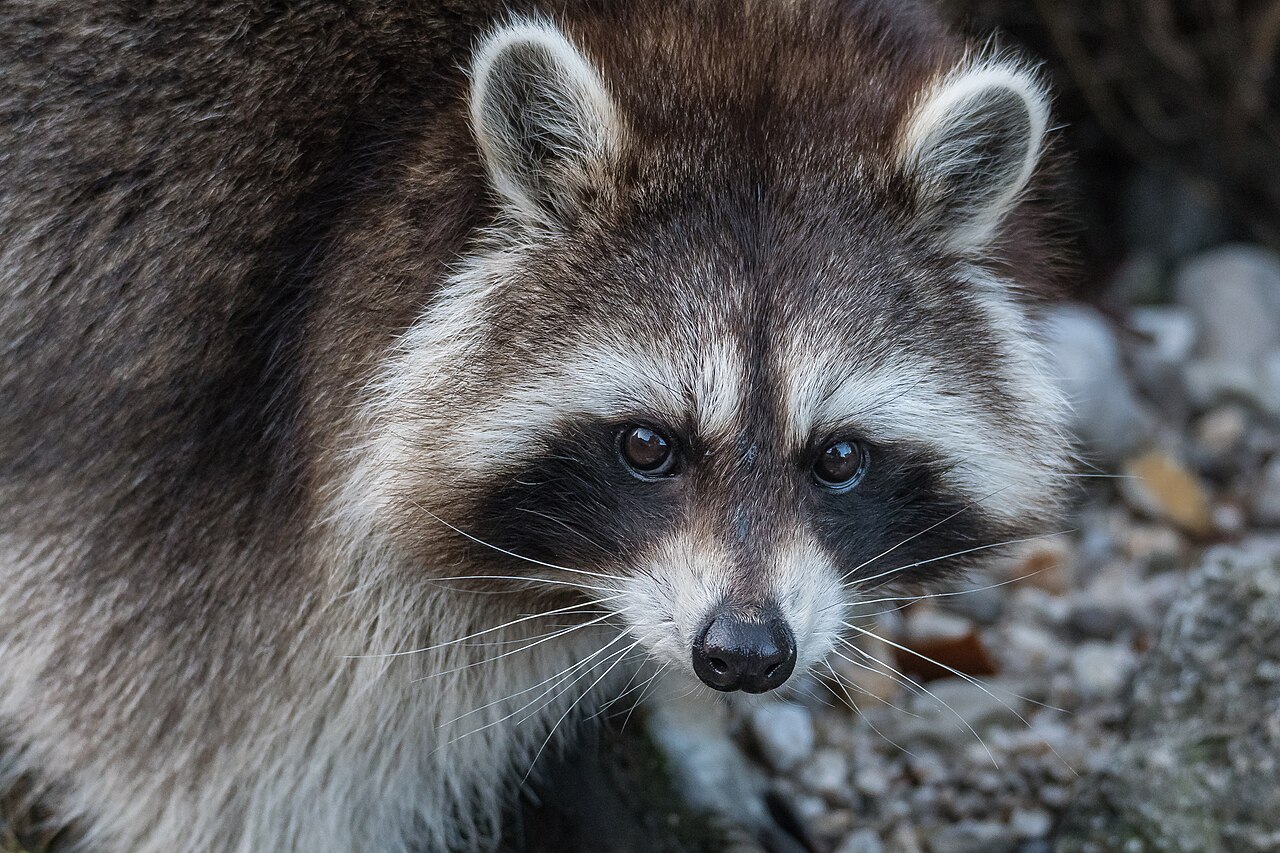
Raccoons do recognize individual humans, and laboratory work from the early 1900s showed they remember solutions to complex locks for up to three years. Hand raised animals greet a familiar caretaker. That is recognition and habituation, not domestication, and it reverses once the animal matures.
Raccoon latrines can carry Baylisascaris procyonis roundworm eggs, which are dangerous to people and pets, so identify what you are dealing with before cleanup. If you are not sure what left the pile, the raccoon versus opossum comparison sorts it out quickly.
Do Raccoons Live Longer in the City or the Country?
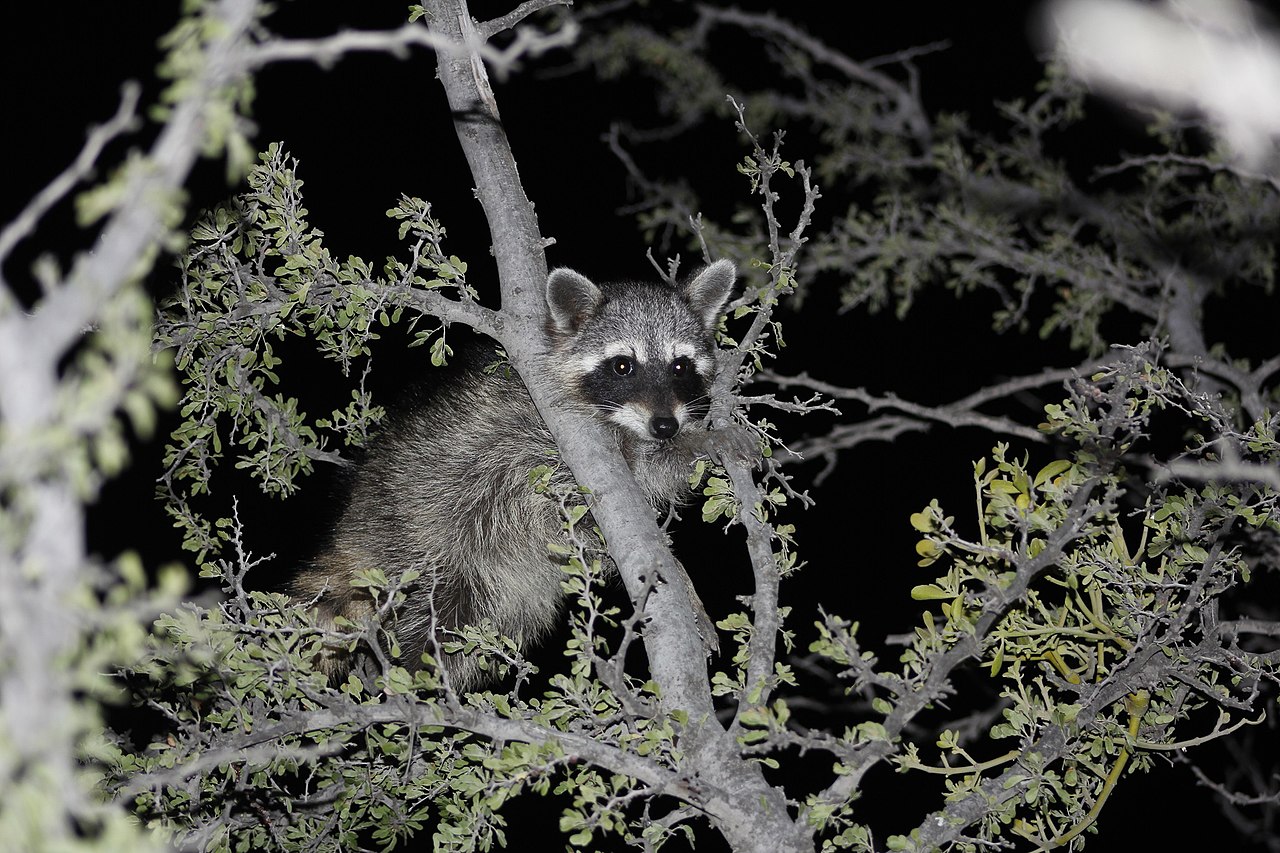
Urban raccoons live shorter individual lives in far denser populations. The crowding that comes with city food sources drives distemper outbreaks that can kill most of a local population in one season, and roads add the rest. Rural raccoons face more hunting and trapping pressure and leaner winters, but less traffic and less disease. Both settings average 2 to 3 years, for different reasons.
How Can You Tell How Old a Raccoon Is?
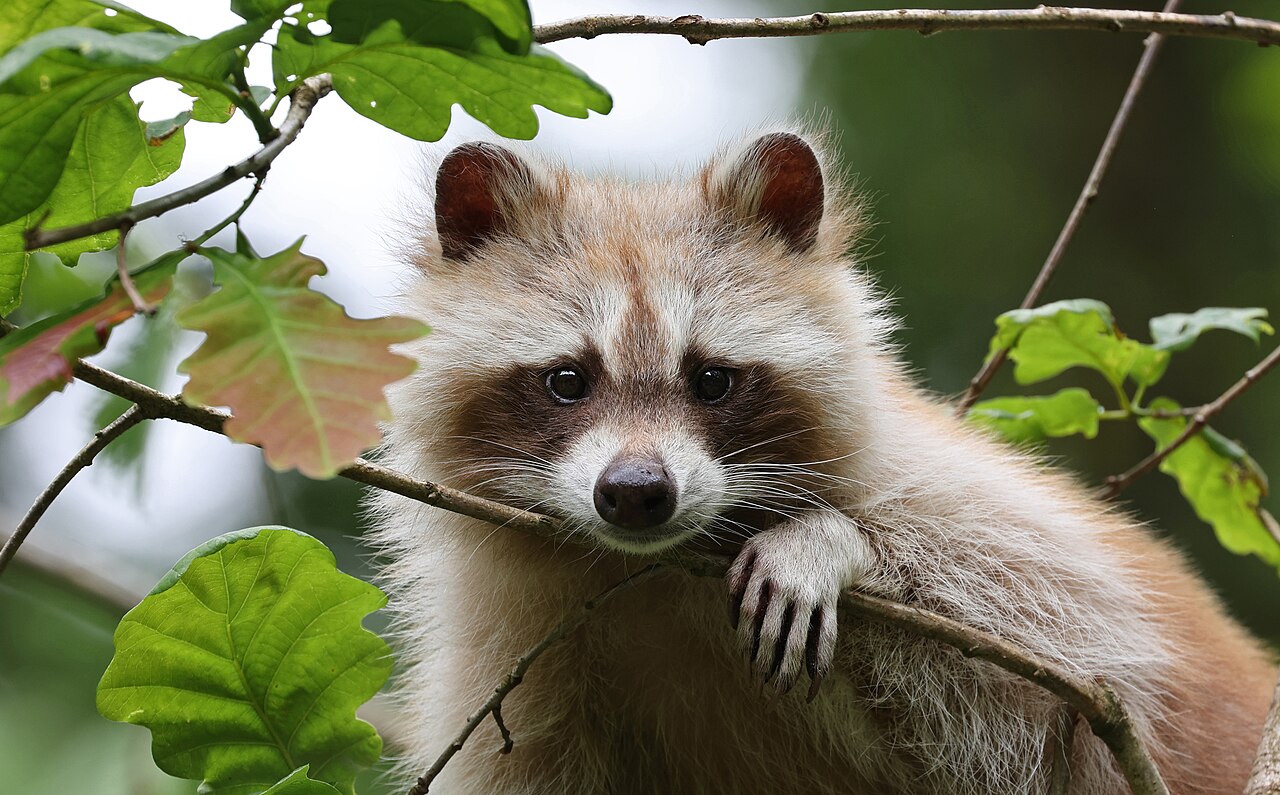
Biologists age raccoons by counting cementum annuli, the growth rings in a tooth root, which requires the animal in hand. In the field you work with rough categories: kits weigh under 2 lbs (0.9 kg) through early summer, juveniles reach 4 to 8 lbs (1.8 to 3.6 kg) by their first fall, and adults run 8 to 20 lbs (3.6 to 9 kg). Yearlings are bolder and more often out in daylight, while heavy ear scarring, worn teeth, and a grizzled coat point to an animal past four.
Related reading: Mouse Lifespan.
Related reading: Possum Lifespan.
Frequently Asked Questions
How intelligent are raccoons?
Raccoons rank near primates on some problem solving tests. They open latches, remember solutions for up to three years, and pass habits to their young by example. Their front paws carry about four times more sensory receptors than the hind feet, which is why they manipulate objects so well.
How many raccoons live in one area?
Urban densities reach 50 to 100 raccoons per square mile, far above the 5 to 20 typical of rural woodland. Females often share overlapping ranges with related females, so what looks like a family group in your yard usually is one.
Are raccoons closer to dogs or cats?
Neither, though they sit on the dog side of the carnivore family tree. Raccoons belong to Procyonidae, whose closest relatives are coatis, kinkajous, and ringtails, and the group shares a more distant ancestor with weasels and bears than with cats.
What do raccoons hate most?
Bright light, loud noise, and the smell of ammonia or hot pepper move a raccoon temporarily, but nothing repels them reliably once food is available. Physical exclusion works and scent deterrents do not. Seal the entry point after the animals leave.
Is it bad to have a raccoon in your yard?
A passing raccoon is harmless, a resident one is a problem. Latrine sites carry roundworm eggs, denning animals damage soffits and insulation, and a raccoon that learns your yard feeds it brings its young back next year.
Do raccoons like to be petted?
Hand raised raccoons tolerate contact, but that stops around sexual maturity at roughly 10 months, when even bottle raised animals become unpredictable and bite hard. Wild raccoons never accept handling, and approaching one is how rabies exposures happen.