Can Rabbits Eat Watermelon? Flesh, Rind and Seeds Explained
Rabbits can eat watermelon, and most of them love it, but it belongs in the same small treat category as every other fruit. Watermelon (Citrullus lanatus) is about 92 percent water and 6 percent sugar, so it fills a rabbit up with the two things its gut needs least.
The flesh, the rind and the pale inner layer are all non toxic. The question is portion size, and for a rabbit the honest answer is smaller than you would guess.
Yes, rabbits can eat watermelon in small amounts. One tablespoon of flesh per 2 pounds of body weight, once or twice a week, is a safe ceiling for a healthy adult rabbit. The rind is safer than the flesh because it carries less sugar and more fiber. Remove black seeds and skip fruit entirely for rabbits under six months.
| Part | Safe | Portion for a 4 lb rabbit | Notes |
|---|---|---|---|
| Red flesh | Yes, occasionally | 2 tablespoons weekly | High sugar and water, low fiber |
| Green outer rind | Yes | A 1 inch strip | Wash well, pesticide residue sits here |
| White inner rind | Yes, the best part | A 2 inch strip | More fiber, much less sugar |
| Black mature seeds | No | None | Remove, rabbits cannot vomit |
| Soft white seeds | Harmless | Trace | Found in seedless varieties |
Can Rabbits Eat Watermelon Safely?
Watermelon is safe for an adult rabbit as an occasional treat. Nothing in the fruit is toxic to Oryctolagus cuniculus, and the sugar level is actually lower than in banana, grape or apple.
Low sugar by fruit standards is still high sugar by rabbit standards. A rabbit’s cecum runs on fiber, and a large serving of watery fruit can trigger soft cecotropes within hours. Treat watermelon the way you would treat strawberries: a few bites, not a bowl.
Can Rabbits Eat Watermelon Rind?
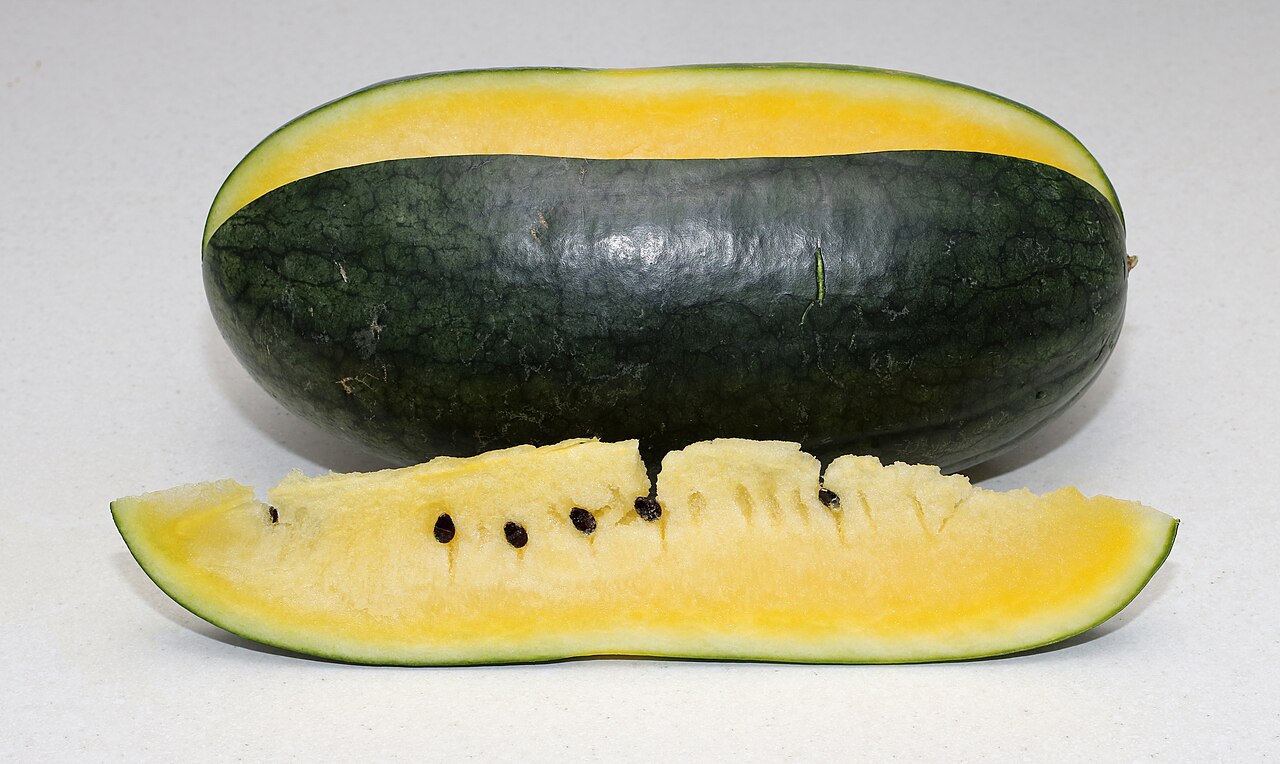
Rind is the part most worth giving. The pale layer between the red flesh and the green skin holds more fiber and far less sugar, which fits rabbit digestion better than the sweet center does.
Wash the outside thoroughly, since pesticide residue concentrates on the skin, and cut the strip into pieces no wider than your finger. Many rabbits chew rind happily once they learn it is food, the same way they take to cucumber skin.
Can Rabbits Eat Watermelon Seeds?
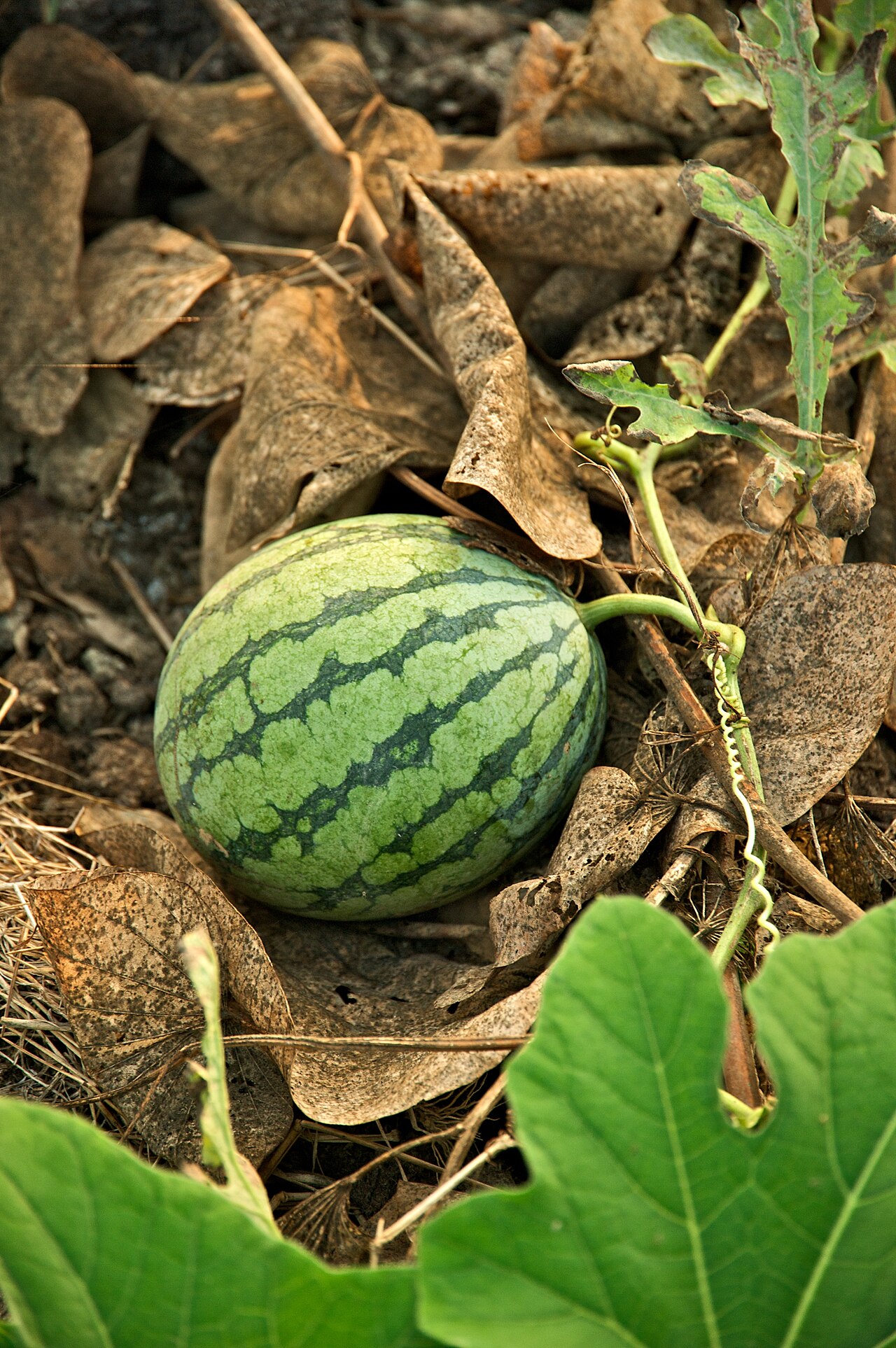
Remove the hard black seeds before serving. They are not poisonous, but they are a choking and blockage risk, and a rabbit that swallows something awkward has no way to bring it back up.
The soft white seeds in seedless watermelon are immature and harmless. Buying seedless fruit is the simplest way to avoid the sorting job entirely.
Next question: Can Rabbits Eat Grapes? Safe Amounts by Size
How Much Watermelon and How Often
Work from body weight. One tablespoon of flesh per 2 pounds of rabbit, once or twice a week, keeps watermelon inside the overall fruit budget of about 1 to 2 tablespoons per 5 pounds of body weight per day.
That budget covers all treats combined. If a rabbit had apple yesterday and orange the day before, watermelon waits. Hay should remain about 80 percent of what the animal eats, every day, without exception.
What Watermelon Actually Gives a Rabbit
Very little, nutritionally. Watermelon is water, a modest amount of sugar, some vitamin A and C, and traces of potassium and magnesium. Rabbits make their own vitamin C, so that headline number is irrelevant to them.
The lycopene that makes the flesh red is an antioxidant, but no rabbit needs it from fruit when leafy greens supply the same class of compounds with fiber attached. Watermelon earns its place as a hydration treat on a hot day and nothing more, which is why the rind, with its higher fiber, is the part worth handing over.
Signs the Portion Was Too Large
Check the litter tray about twelve hours after any fruit. Firm, round, evenly sized droppings mean the serving passed cleanly. Soft droppings, smeared cecotropes stuck to the fur, or a sudden drop in the number of pellets mean the sugar hit the cecum harder than it should have.
A rabbit that stops eating, sits hunched with its belly tight, or grinds its teeth loudly may be heading into gastrointestinal stasis, and that is a same day veterinary problem rather than something to watch overnight. Keep hay and fresh water in front of the animal and drop all treats for a week before trying again.
What Fruits Are Poisonous to Rabbits?
Avocado is the fruit that genuinely kills rabbits. It contains persin, and even a small portion can cause heart damage and death, so keep it out of the house if you have a free roaming rabbit.
Apple seeds, cherry pits, apricot, peach and plum stones contain cyanogenic compounds and must be removed, though the flesh is fine. Rhubarb should never be offered. The University of Illinois College of Veterinary Medicine publishes dependable small mammal guidance at vetmed.illinois.edu.
Frequently Asked Questions
Can rabbits eat watermelon rinds everyday?
Daily rind is safer than daily flesh, but it is still not ideal. A small strip a few times a week fits comfortably in the treat allowance, while a daily serving starts displacing hay. Watch the droppings: firm and round means the amount is fine, soft or clumped means cut back.
Can baby rabbits eat watermelon?
No. Rabbits under six months should have no fruit at all, because their gut bacteria are still settling and sugar upsets that balance easily. Young rabbits need unlimited hay and a measured pellet ration. Introduce fruit gradually after six months, one type at a time.
Can wild rabbits eat watermelon?
Wild cottontails will eat watermelon and often do, which is why gardeners find gnawed melons at ground level. It does them no favors. Do not feed wild rabbits deliberately, since supplemental food concentrates animals and spreads disease, and their droppings around the patch will tell you they visited.
Can rabbits drink watermelon juice?
No. Juice strips out the fiber and leaves concentrated sugar, which is the worst possible combination for a rabbit gut. Never add juice of any kind to the water bowl either, since it encourages bacterial growth and can put a rabbit off drinking plain water altogether.
What is a bunny’s favorite fruit?
Banana wins most informal polls, with strawberry and apple close behind, and watermelon ranks high in summer. Preference is not permission: banana carries roughly three times the sugar of watermelon by weight, so the treats rabbits beg for hardest are usually the ones that need the smallest portions.
Do rabbits eat watermelon in the garden?
Yes, and they usually chew the young vines and leaves before touching the fruit. A 2 foot wire fence buried a few inches deep keeps them out. Reptile keepers face a milder version of the same question, since bearded dragons and watermelon run into the same sugar limits.
Explore more: What Can Rabbits Eat? Safe Foods, Daily Portions and What to Avoid