Types of Rabbits: 10 Common Breeds and 15 Wild Species
There are two honest answers to a question about types of rabbits, and they barely overlap. If you mean domestic breeds, the American Rabbit Breeders Association recognizes about 50, the British Rabbit Council lists roughly 80, and every one of them descends from a single species, the European rabbit (Oryctolagus cuniculus). If you mean wild rabbits, North America has around 15 species, and none of them is the ancestor of a pet.
That split is worth knowing before you shop or identify. A cottontail in your yard is not a loose pet, and a Flemish Giant is not a big wild rabbit. What follows covers the breeds you will actually meet in the United States, the body type system judges use, the biggest and rarest breeds, and the wild species that share the continent.
All domestic rabbit breeds belong to one species, Oryctolagus cuniculus, with about 50 breeds recognized in the United States and 80 in Britain. Wild rabbits are different animals: North America holds roughly 15 species, mostly cottontails in the genus Sylvilagus, plus the pygmy rabbit, the smallest at about 1 lb (450 g).
| Breed | Adult weight | Body type | Known for |
|---|---|---|---|
| Holland Lop | 2 to 4 lb (0.9 to 1.8 kg) | Compact | Most popular US pet breed |
| Mini Rex | 3 to 4.5 lb (1.4 to 2 kg) | Compact | Plush velvet coat |
| Netherland Dwarf | 1.5 to 2.5 lb (0.7 to 1.1 kg) | Compact | Smallest recognized breed |
| Lionhead | 2.5 to 3.75 lb (1.1 to 1.7 kg) | Compact | Mane of longer wool |
| Dutch | 3.5 to 5.5 lb (1.6 to 2.5 kg) | Compact | Blanket markings, old show breed |
| New Zealand | 9 to 12 lb (4 to 5.4 kg) | Commercial | Meat and laboratory standard |
| Flemish Giant | 13 to 22 lb (5.9 to 10 kg) | Semi arch | Largest breed in the US |
What Is the Most Common Rabbit Species?
The most common wild rabbit in the United States is the eastern cottontail (Sylvilagus floridanus), found from the Atlantic coast to the Great Plains and into parts of the Southwest, and it is the rabbit most people have actually seen. The most common rabbit overall, counting pets and farmed animals, is the European rabbit, because that single species covers every domestic breed on the planet. Globally it is also the most widely introduced, with feral populations in Australia, New Zealand and parts of Europe outside its native Iberian range. Those introduced populations are why the species is simultaneously a pest in some countries and near threatened in its homeland.
What Are the 7 Body Types of Rabbits?
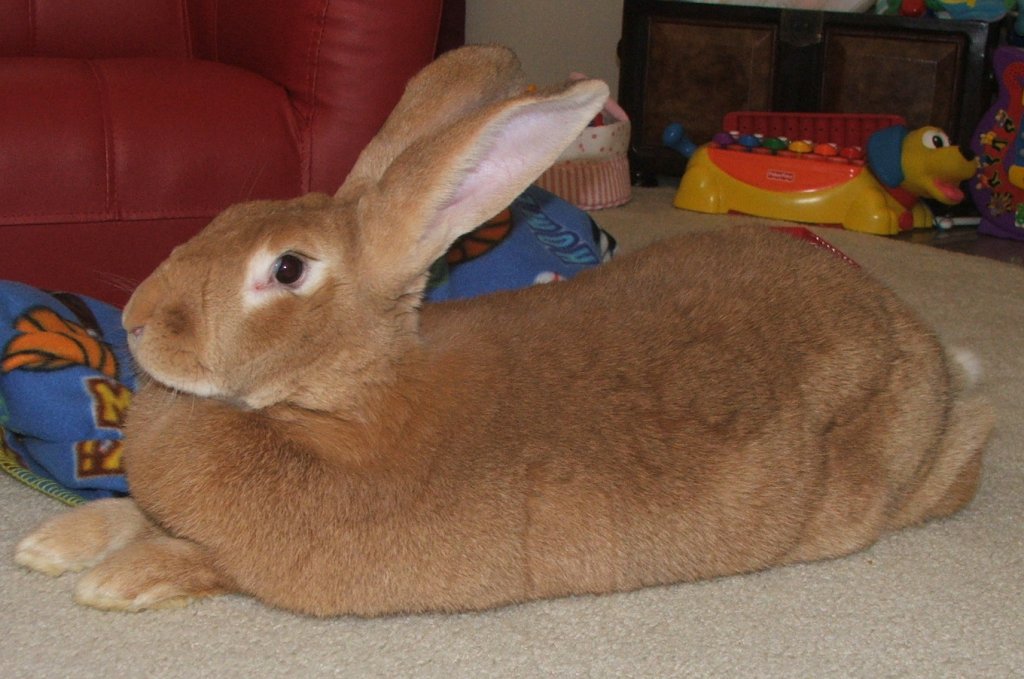
There are five, not seven, and the confusion is worth clearing up because judges work from this list. The American Rabbit Breeders Association sorts breeds into full arch, semi arch, commercial, compact and cylindrical. Full arch breeds such as the Britannia Petite and the Tan stand up on their toes with daylight under the body. Semi arch breeds such as the Flemish Giant curve gradually from the neck to the hips, a shape also called the mandolin. Commercial types are blocky meat breeds, compact types are the small round pets, and cylindrical describes exactly one breed, the Himalayan. Counts of six or seven usually come from adding coat categories such as Rex and wool, which are fur types rather than body types.
The Top 10 Most Common Rabbit Breeds in the US
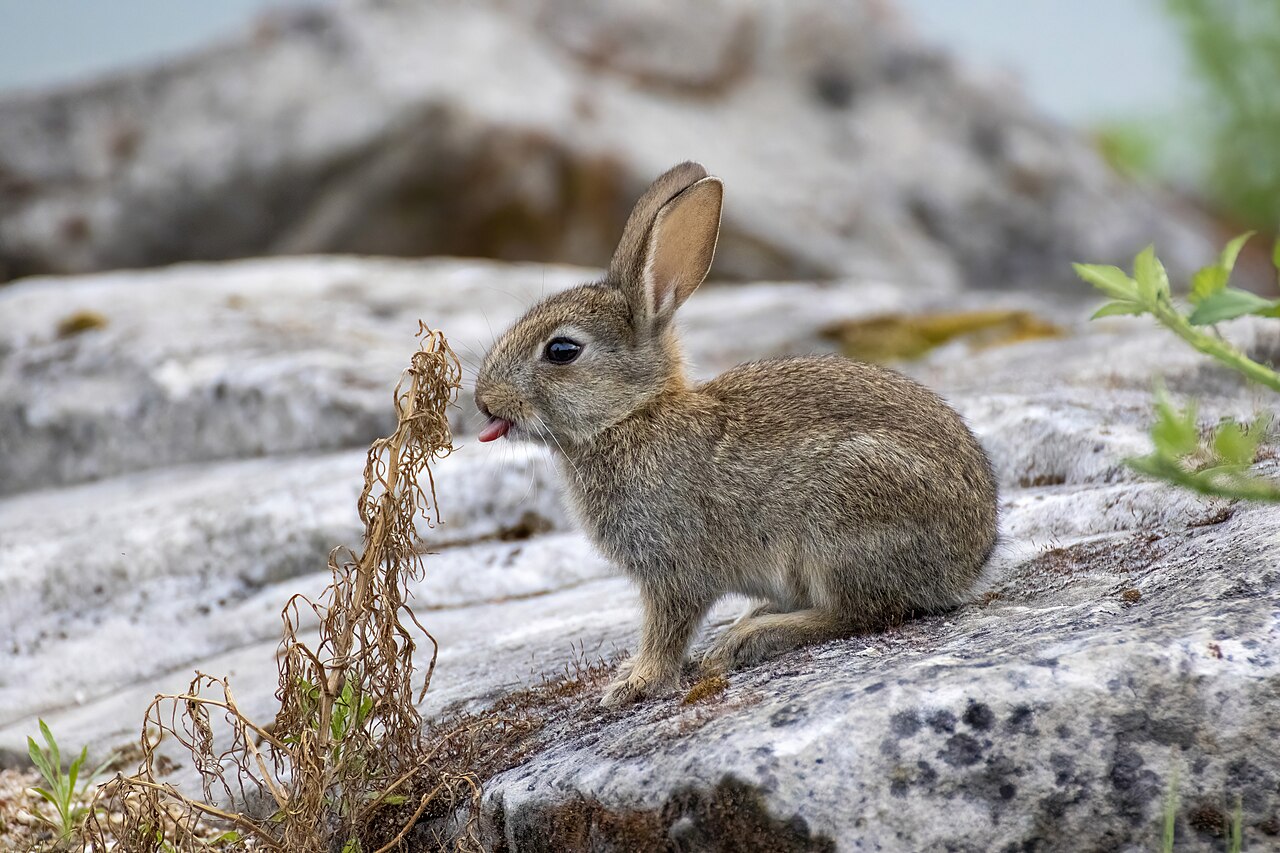
By registration numbers and shelter intake, the ten you will meet most often are the Holland Lop, Mini Rex, Netherland Dwarf, Mini Lop, Lionhead, Dutch, Rex, New Zealand, Californian and Flemish Giant. The first five dominate the pet market because they stay under 4 lb (1.8 kg) and suit indoor housing. New Zealand and Californian rabbits are still bred mainly for meat and fur, which is why they show up in rural classifieds rather than pet stores. Mixed breed rabbits outnumber all of them in rescues, and a mixed rabbit is not a lesser animal; size and temperament simply become harder to predict. Whatever the breed, a baby rabbit should not leave its mother before eight weeks.
The Biggest and the Rarest Breeds
The biggest recognized breeds in the United States are the Flemish Giant, Checkered Giant, French Lop, Giant Chinchilla, Giant Angora and Silver Fox, with the Flemish reaching 22 lb (10 kg) and occasionally more. In Britain the Continental Giant runs larger still. At the other end of the register sit the genuinely rare breeds: the American Blue, the Blanc de Hotot, the Silver Fox, the Beveren and the Rhinelander, several of which are tracked as critical by livestock conservation groups because fewer than a few hundred breeding animals remain. Rarity in rabbits is a supply problem, not a mark of quality, and rare breed stock often costs less than a fashionable Lionhead.
Types of Wild Rabbits in North America
Beyond the eastern cottontail, the continent holds the desert cottontail (Sylvilagus audubonii), the mountain cottontail, the New England cottontail, the brush rabbit of the Pacific coast, the marsh rabbit and the swamp rabbit (Sylvilagus aquaticus), which is the largest cottontail at up to 6 lb (2.7 kg) and swims readily. The pygmy rabbit (Brachylagus idahoensis) of the sagebrush Great Basin is the smallest rabbit in North America and the only one that digs its own burrow system. Jackrabbits and the snowshoe hare belong to the genus Lepus and are hares, not rabbits, despite the names. Range maps and conservation status for each species are published by the U.S. Fish and Wildlife Service.
How to Tell Which Type You Are Looking At
Start with setting. A rabbit loose in open country in daylight, with grizzled brown fur and a white tail flash, is a wild cottontail. A rabbit with patched white markings, a solid black coat, floppy ears or blue eyes is domestic, because wild cottontails never show those traits. Ear carriage is the fastest single clue: no wild North American rabbit has lop ears. Size helps at the extremes, since nothing wild here approaches 13 lb (5.9 kg). Coat color is the weakest clue of all, because a domestic rabbit can be agouti brown and look convincingly wild at twenty paces. The same work of matching traits to a checklist runs through our other identification guides, whether that is types of birds of prey overhead, types of bees in the garden or blue birds in California at the feeder.
Frequently Asked Questions
What is the friendliest rabbit breed?
Holland Lops, Mini Rex, Harlequins and Dutch rabbits have the steadiest reputations, and larger breeds such as the Flemish Giant are often calmer simply because they are slower to startle. Individual temperament and early handling matter more than breed, though, and a nervous Holland Lop is far from rare.
What are the top five rabbits for a first time owner?
Mini Rex, Holland Lop, Dutch, Himalayan and a medium sized mixed breed from a rescue. All five stay manageable in size, tolerate handling and have no coat that demands daily grooming. Wool breeds such as the Angora and Jersey Wooly are beautiful and need brushing several times a week to avoid matting.
What is the 3-3-3 rule for bunnies?
Borrowed from dog and cat adoption, it means three days to decompress, three weeks to learn the household routine and three months to settle fully. Rabbits are prey animals and adjust slowly, so a new rabbit hiding for the first few days is normal rather than a sign of illness.
How many types of rabbits are there in total?
Counting wild species, taxonomists recognize roughly 30 rabbit species worldwide across several genera. Counting breeds, the number depends on the registry: about 50 in the United States, around 80 in Britain, and over 300 claimed worldwide if unrecognized regional breeds are included.
What is the difference between a rabbit and a hare?
Hares are born furred with open eyes and can run within hours, while rabbits are born blind and hairless in a shallow nest. Hares also have longer hind legs and ears and do not use burrows. Jackrabbits and snowshoe hares are hares despite what the local names suggest, the same naming trap that makes blue birds in Texas hard to pin down.