Types of Blue Birds in California: Identification Guide
The blue birds of California include the western bluebird, mountain bluebird, California scrub-jay, Steller’s jay, lazuli bunting, and blue grosbeak. California offers a wonderful array of blue and blue-toned birds across its diverse landscapes. This guide covers the types of blue birds in California, how to identify them, and where to see them.
| Blue Bird | Key Feature |
|---|---|
| Western Bluebird | Blue throat, rusty breast |
| Mountain Bluebird | Sky-blue all over |
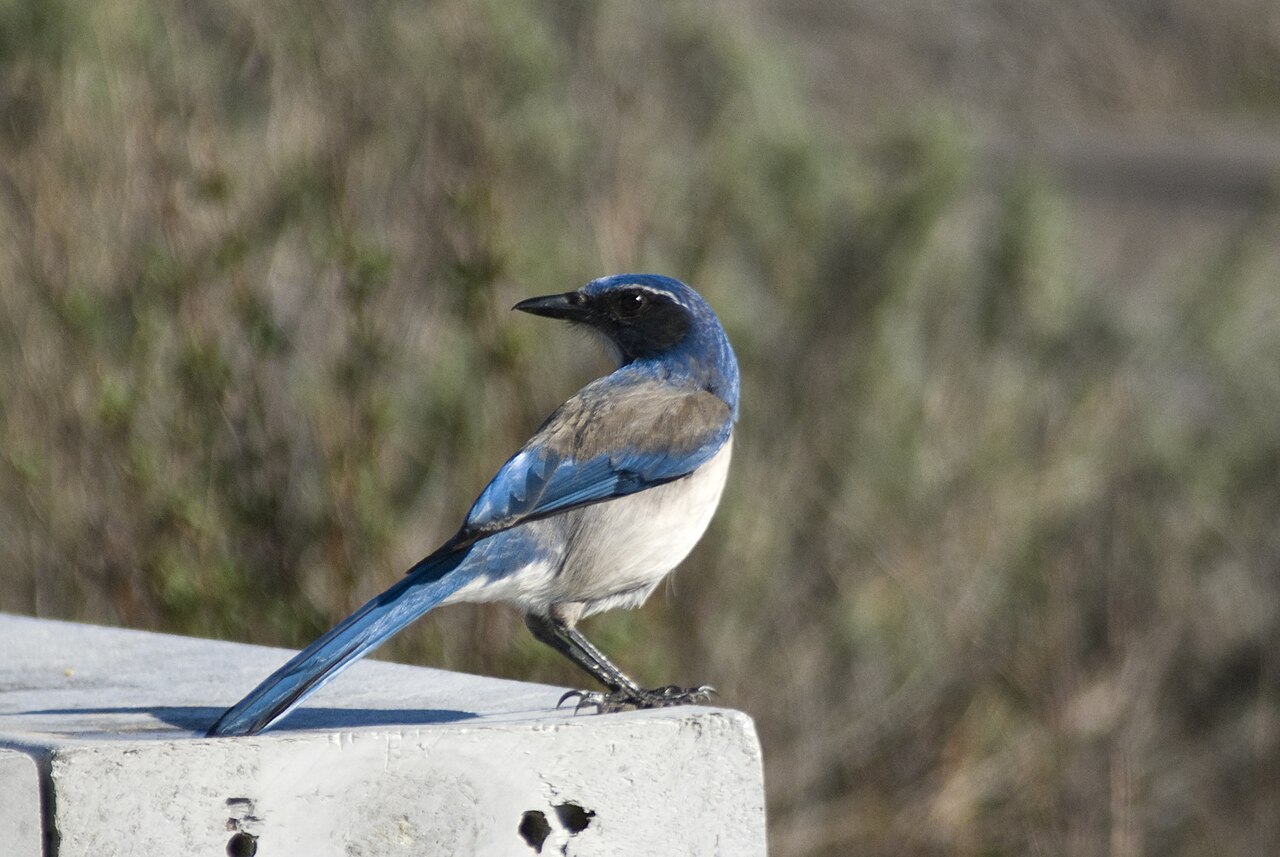
| California Scrub-Jay | Blue and gray, no crest |
| Steller’s Jay | Dark crest, deep blue |
| Lazuli Bunting | Blue head, orange breast |
| Blue Grosbeak | Deep blue, chestnut wingbars |
How Many Blue Birds Live in California?
California hosts a rich variety of blue and blue-toned birds, thanks to its wide range of habitats from coast to mountains to desert. The western bluebird is common in oak woodlands and open country, with a blue head and throat and a rusty breast, while the mountain bluebird, a sky-blue bird, breeds in high mountain meadows and visits open country in winter. Two jays are especially characteristic, the crestless blue-and-gray California scrub-jay of oak woods, chaparral, and yards, and the crested, deep-blue Steller’s jay of coniferous and mountain forests. The lazuli bunting is a beautiful small finch whose breeding male has a blue head and back with an orange breast, and the blue grosbeak, a deep blue bird with chestnut wingbars, breeds in brushy areas. The belted kingfisher, tree swallow, and blue-gray gnatcatcher add to the blue-toned birds of the state. Understanding California’s blue birds begins with these species, and the classic bluebird is covered in our guide to the eastern bluebird.
Common California Blue Birds and How to Identify Them
Several blue birds are especially worth knowing in California. The western bluebird is a small thrush with a deep blue head, throat, and wings, a rusty-orange breast and upper back, and a grayish belly. The mountain bluebird is an all-over sky-blue bird, paler blue below, lacking any rusty color. The California scrub-jay is a slim, crestless jay in azure blue and gray, with a whitish throat and a bold manner, common in oak country and backyards. The Steller’s jay is a striking crested jay, blackish on the head and deep blue on the body and wings, found in conifer forests and mountain campgrounds. The lazuli bunting male has a turquoise-blue head and back, an orange breast, and white wingbars, while the blue grosbeak is a larger, deep blue bird with chestnut wingbars and a heavy bill. Each blue bird is a delight, as explored in our guide to types of blue birds in Texas.
Where to See Blue Birds in California
Blue birds can be found across California in a wide range of habitats. Oak woodlands, savannas, parks, and open country with scattered trees are ideal for western bluebirds, especially where nest boxes are provided, and these same oak habitats and suburban yards are home to the California scrub-jay. High mountain meadows in the Sierra Nevada and other ranges host breeding mountain bluebirds in summer, while open lowlands and deserts see them in winter, sometimes in flocks. Coniferous and mixed forests of the mountains and northern coast are the place to find Steller’s jays, often around campgrounds and picnic areas. Lazuli buntings favor brushy hillsides, chaparral edges, and streamside thickets in spring and summer, and blue grosbeaks use similar brushy, weedy areas. The belted kingfisher lives along water statewide. Because California spans so many habitats, different blue birds are found in different regions, as detailed in our guide to types of blue birds in Virginia.
The Clever California Scrub-Jay
The California scrub-jay is not only a striking blue bird but also remarkably intelligent, which adds to its appeal. According to the Cornell Lab of Ornithology, scrub-jays cache food such as acorns and can remember the many locations where they have hidden them, an impressive feat of memory. A single scrub-jay may bury thousands of acorns each fall, recovering them later through the winter, and in doing so it helps plant oak trees, since the acorns it never retrieves may sprout. Scrub-jays are also known for watching where other jays hide food and stealing it, and for taking steps to protect their own caches when they know they are being watched, behaviors that suggest surprising social awareness. These clever birds are bold and curious, often coming readily to yards. Watching a California scrub-jay cache acorns is a window into the intelligence of the jay family, making it a rewarding bird to observe, as explored in our guide to types of blue birds in Texas.
Why Blue Birds Look Blue
The blue of a bluebird, scrub-jay, or Steller’s jay is one of nature’s clever illusions, and the science behind it is fascinating. According to the Cornell Lab of Ornithology, blue birds are not actually blue in the way red or yellow birds are colored, because their blue comes from the microscopic structure of their feathers rather than from a blue pigment. Most bird colors come from pigments, such as the melanin that makes feathers brown or black, but there is no blue pigment in these birds. Instead, tiny structures in the feather scatter light so that blue wavelengths are reflected back to our eyes, a phenomenon called structural color, which is why a blue feather can look gray or dark when backlit. This same trick gives the western bluebird, California scrub-jay, Steller’s jay, and lazuli bunting their brilliant blues. Understanding this makes every blue bird a small marvel of physics, as explored in our guide to the eastern bluebird.
Blue Birds Through the Seasons in California
California blue birds offer rewards across the year, with the cast changing by season and region. Western bluebirds and California scrub-jays are present year-round in oak woodlands and yards, and spring brings nesting, with bluebirds using boxes and cavities and buntings arriving to breed. The lazuli bunting and blue grosbeak are summer visitors, the males in brilliant breeding color singing from brushy hillsides before departing in fall. Mountain bluebirds breed in high Sierra meadows in summer and move to open lowlands and deserts in winter, sometimes forming flocks. Steller’s jays are present all year in mountain and coastal forests, descending to lower elevations in winter in some areas. Because California spans coast, valley, mountain, and desert, a birder can find blue birds in every season by knowing where and when to look. Enjoying this variety through the year adds to the appeal of California’s colorful blue birds.
Appreciating California Blue Birds
California blue birds are a rewarding group to appreciate, both for their beauty and for the remarkable variety the state offers. From the bold California scrub-jay and crested Steller’s jay to the western bluebird and the dazzling lazuli bunting, these blue birds bring color to the state’s oak woodlands, mountains, and yards. Learning to recognize the different species, understanding the clever structural color that makes them appear blue, and attracting bluebirds with nest boxes all deepen the pleasure of birding in California. Because several of these birds visit yards and some use nest boxes, they offer wonderful chances to observe them up close. Taking the time to appreciate California’s blue birds connects you to one of the most colorful and varied parts of the state’s rich birdlife.
Frequently Asked Questions
What kinds of blue birds live in California?
California’s blue birds include the western bluebird, mountain bluebird, California scrub-jay, Steller’s jay, lazuli bunting, and blue grosbeak, among other blue-toned species.
What is the common blue and gray bird in California?
The California scrub-jay is the common blue and gray bird of California, a crestless jay of oak woodlands, chaparral, and backyards, known for being bold and for caching acorns.
What blue bird has a crest in California?
The Steller’s jay has a crest, a striking bird with a blackish head and crest and a deep blue body, found in coniferous and mountain forests across California.
What is the small blue and orange bird in California?
The lazuli bunting is the small blue and orange bird, with the breeding male showing a turquoise-blue head and back and an orange breast, seen in brushy areas in summer.
Are there bluebirds in California?
Yes, California has two bluebirds: the western bluebird in oak woodlands and open country, and the mountain bluebird in high meadows in summer and open lowlands in winter.
What is the difference between a western and mountain bluebird?
The western bluebird has a blue throat and a rusty breast, while the mountain bluebird is entirely sky-blue with no rusty color, paler blue on the underparts.
Where can you see blue birds in California?
Look in oak woodlands for western bluebirds and scrub-jays, mountain forests for Steller’s jays, high meadows for mountain bluebirds, and brushy areas for lazuli buntings.