Types of Owls in California: Identification Guide
California is home to many owls, including the great horned owl, barn owl, western screech-owl, northern pygmy-owl, burrowing owl, and spotted owl. With habitats from coast to desert to mountains, California hosts one of the richest owl communities in the country. This guide covers the types of owls in California, how to identify them, and where to see them.
| Owl | Key Feature |
|---|---|
| Great Horned Owl | Large, ear tufts, deep hoots |
| Barn Owl | Pale, heart-shaped face |
| Western Screech-Owl | Small, ear tufts, bouncing-ball call |
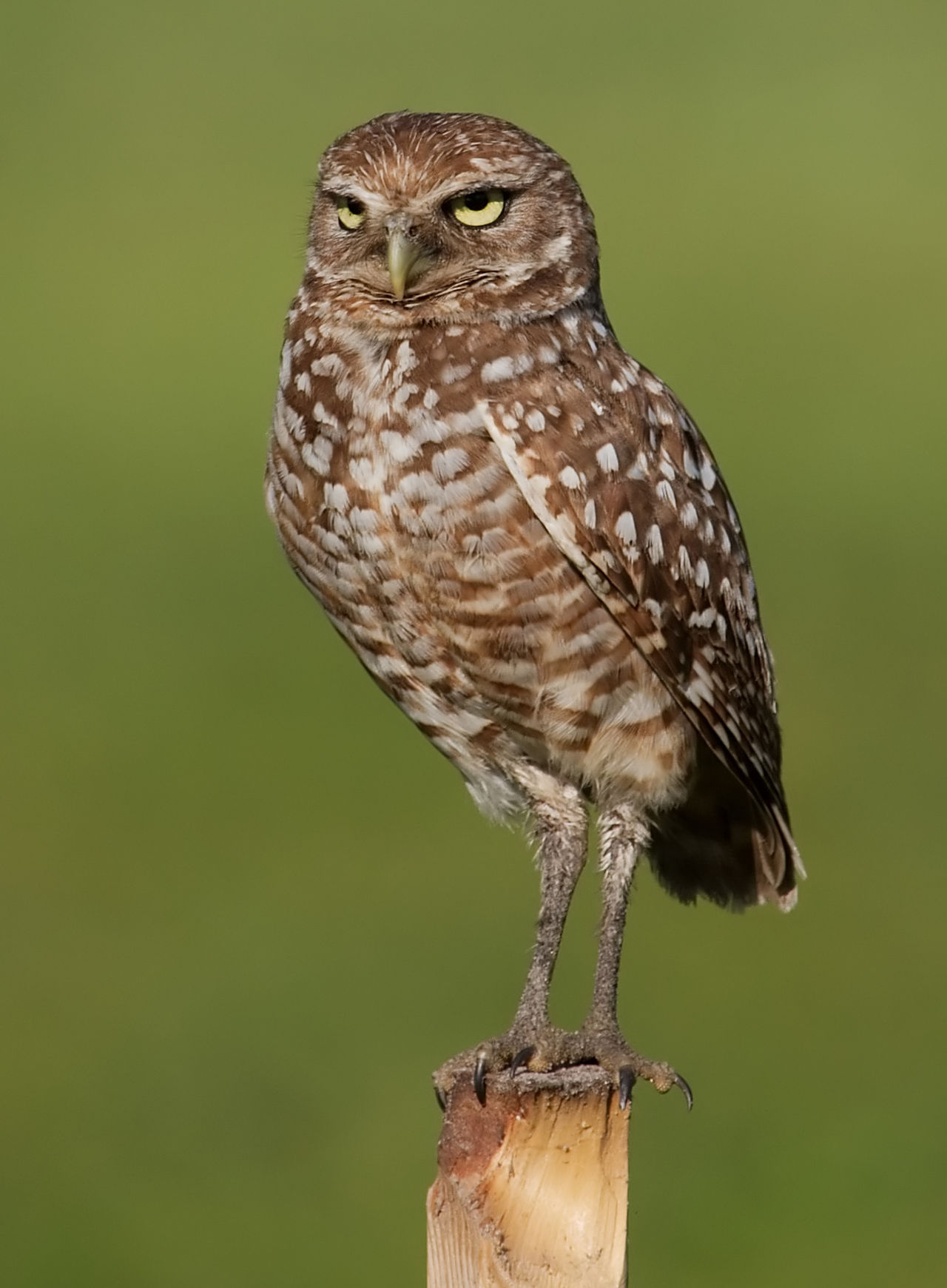
| Burrowing Owl | Long legs, ground-dwelling |
| Spotted Owl | Dark eyes, spotted, old forests |
| Northern Pygmy-Owl | Tiny, day-active |
| Great Gray Owl | Huge, gray, Sierra Nevada |
How Many Types of Owls Live in California?
California hosts an exceptional variety of owls, thanks to its huge range of habitats. The great horned owl is the largest and most widespread, found statewide, while the barn owl, with its pale plumage and heart-shaped face, hunts over open country and farmland. The western screech-owl is a small, common owl of woodlands, deserts, and suburbs, and the burrowing owl is a distinctive long-legged owl that lives in burrows in open grasslands and deserts, often active by day. The spotted owl, a dark-eyed owl of old-growth forests, is a sensitive species of conservation concern, and the tiny northern pygmy-owl is a day-active predator of mountain and foothill woods. California also hosts long-eared, short-eared, and northern saw-whet owls, the great gray owl in the Sierra Nevada, the flammulated owl in mountain forests, and the tiny elf owl in southeastern deserts. Understanding California owls begins with these species, part of the wider group covered in our guide to types of owls.
Common California Owls and How to Identify Them
Several owls are especially worth knowing in California. The great horned owl is a large owl with prominent ear tufts, a barred body, and deep, resonant hoots. The barn owl is pale and ghostly, with a white, heart-shaped face and golden-buff upperparts, hunting silently at night. The western screech-owl is a small owl with ear tufts and gray or brownish plumage, giving an accelerating series of hoots like a bouncing ball. The burrowing owl is unmistakable, a small, long-legged owl that stands at the entrance of its burrow in open ground, bobbing when alarmed and often seen in daylight. The spotted owl is a medium, round-headed owl with dark eyes and a spotted brown body, living in dense old forests. The northern pygmy-owl is tiny, with a long tail and false eyespots on the back of its head, and it hunts by day. Each owl is a thrilling find, as explored in our guide to types of owls in Illinois.
Where to See Owls in California
Owls can be found across California in an enormous range of habitats. Woodlands, foothills, deserts, and suburbs statewide host great horned and western screech-owls, and barn owls hunt over open farmland, grasslands, and marshes, nesting in barns, palms, and boxes. Open grasslands, deserts, and agricultural areas, especially in the Central Valley and Imperial Valley, are the place to find burrowing owls near ground squirrel colonies, often visible by day. The old-growth and mature forests of the coast ranges, Sierra Nevada, and mountains shelter spotted owls, while mountain and foothill woods host northern pygmy-owls and flammulated owls. The high Sierra Nevada, especially around Yosemite, is famous for the great gray owl, and southeastern desert washes with elf owls and other specialties draw birders. Because different owls favor different habitats, California offers world-class owling year-round, as detailed in our guide to types of woodpeckers in California.
The Burrowing Owl’s Underground Life
The burrowing owl is one of California’s most unusual owls, and its lifestyle is fascinating. According to the Cornell Lab of Ornithology, burrowing owls are unusual in living underground in burrows, often using holes dug by ground squirrels or other animals rather than digging their own. Unlike most owls, they are frequently active by day, and they nest and roost in these burrows in open grasslands, deserts, and even disturbed areas like the edges of airports and vacant lots. A burrowing owl will stand at the mouth of its burrow on its long legs, bobbing up and down when it notices an intruder, and it lines its burrow with dung, which may help attract the insects it eats. These little owls live in loose colonies where habitat is suitable, but they have declined as grasslands have been developed and ground squirrel colonies removed. Watching a burrowing owl by its burrow is a delightful California birding experience, as explored in our guide to types of owls in Illinois.
How to Find Owls in California
Finding owls in California is rewarding given the state’s rich owl diversity. Listening is often the best method, since most owls are vocal at dusk and during the night, so a quiet evening in the right habitat can reveal great horned, western screech, and other owls by ear, and learning their calls helps greatly. The burrowing owl is an exception, often visible by day standing near its burrow in open grasslands and deserts, especially in the Central and Imperial Valleys, so scanning ground squirrel colonies can turn one up. For the spotted owl, quiet visits to mature old-growth forests in the coast ranges and mountains may reveal this sensitive species, though care should be taken not to disturb it. The great gray owl of the high Sierra Nevada, around Yosemite, is a prized find in mountain meadows. Joining local birding groups and owl outings helps, since experienced birders know reliable spots. California rewards the owl seeker in every season, as explored in our guide to types of woodpeckers in California.
Owls Through the Seasons in California
California owls offer rewards across the year, and knowing their patterns helps you find them. Late winter and early spring are excellent, since great horned and western screech-owls call frequently to establish territories, making them easier to detect by ear. Spring and summer bring nesting, with burrowing owls active by day at their colonies in the valleys, spotted owls tending young in old forests, and great gray owls hunting mountain meadows in the Sierra. Fall brings some movement and dispersal of young owls. Winter concentrates some species and can bring owls to lower elevations, and it is a good time to find roosting owls in sheltered groves. Because California’s habitats range from coastal forest to high mountains to desert, different owls are active in different seasons and places, so a birder can seek owls year-round. Watching through the seasons deepens appreciation for the state’s exceptional owl diversity.
Appreciating California Owls
California owls are a rewarding group to appreciate, both for their exceptional variety and for the special species the state offers. From the charming day-active burrowing owl and the old-forest spotted owl to the great gray owl of the high Sierra and the familiar great horned owl, California hosts one of the richest owl communities in the country. Learning the calls, seeking burrowing owls in the valleys, and watching for owls by day and night all deepen the experience. Because owls are mysterious and many are nocturnal, finding one feels like a special reward, and California’s range of habitats makes every region worth exploring. Taking the time to appreciate California’s owls connects you to the wild diversity of the state’s grasslands, forests, mountains, and deserts.
Frequently Asked Questions
How many types of owls are in California?
California hosts many owls, including the great horned, barn, western screech, burrowing, spotted, and northern pygmy-owls, plus great gray, flammulated, elf, and other owls.
What is the most common owl in California?
The great horned owl and the western screech-owl are among the most common and widespread owls in California, found in woodlands, deserts, and suburbs statewide.
What owl lives in the ground in California?
The burrowing owl lives in burrows in open grasslands and deserts, a long-legged little owl often seen standing near its burrow by day, especially in the Central Valley.
What is the rare forest owl in California?
The spotted owl is a dark-eyed owl of old-growth and mature forests in California, a sensitive species of conservation concern found in the coast ranges and mountains.
Where can you see a great gray owl in California?
The great gray owl, a huge gray owl, lives in the high Sierra Nevada, famously around Yosemite, in mountain meadows and forests, where it is a prized sighting for birders.
What is the smallest owl in California?
The elf owl of southeastern deserts and the tiny northern pygmy-owl are among the smallest owls in California, both very small owls of specialized habitats.
Where can you see owls in California?
Look in woodlands and deserts for great horned and screech-owls, open grasslands for burrowing owls, old forests for spotted owls, and the Sierra Nevada for great gray owls.