Types of Owls in Michigan: Identification Guide
Michigan is home to several owls, including the great horned owl, barred owl, eastern screech-owl, and northern saw-whet owl, plus winter visitors like the snowy owl and, rarely, the great gray owl. From common year-round residents to spectacular northern visitors, Michigan offers excellent owling. This guide covers the types of owls in Michigan, how to identify them, and where to see them.
| Owl | Key Feature |
|---|---|
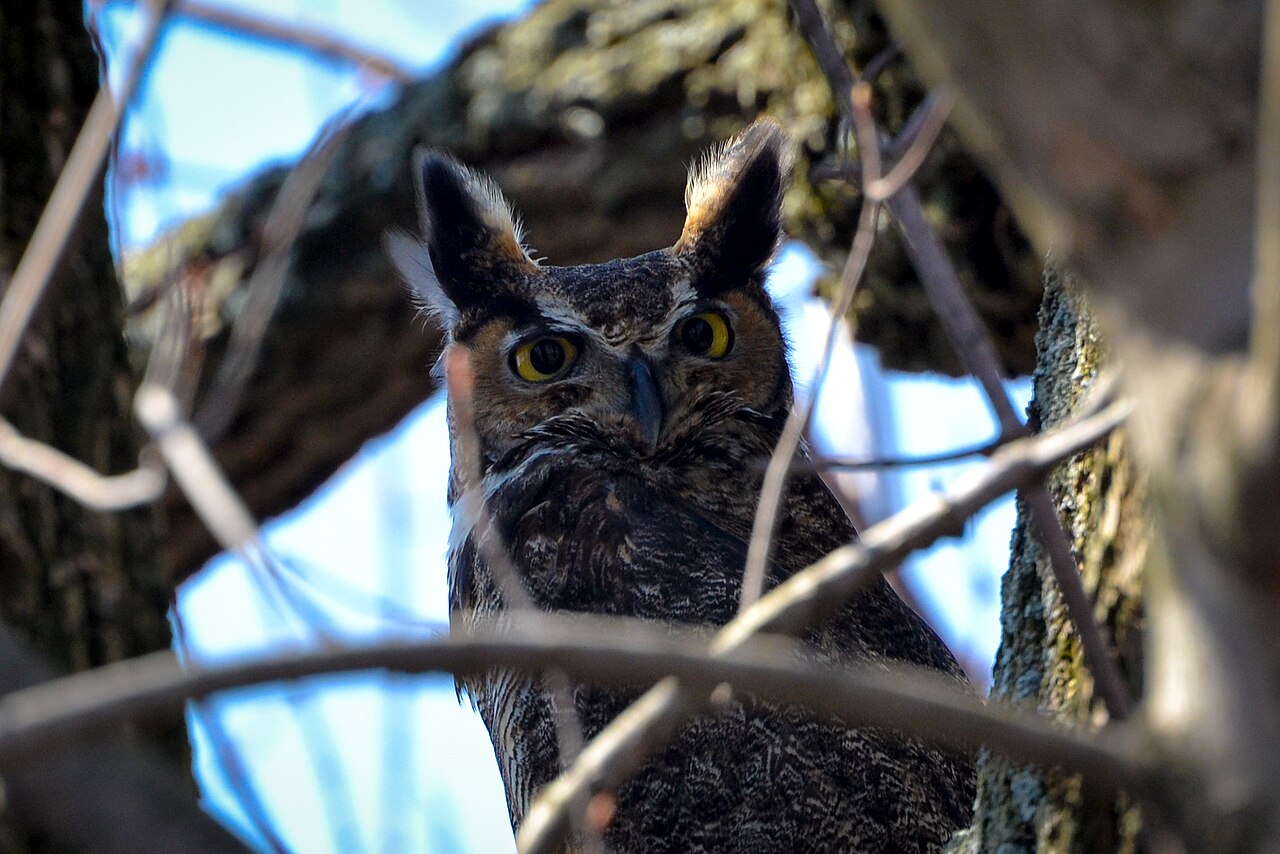
| Great Horned Owl | Large, ear tufts, deep hoots |
| Barred Owl | Dark eyes, “who cooks for you” |
| Eastern Screech-Owl | Small, ear tufts, trilling call |
| Northern Saw-whet Owl | Tiny, tooting call |
| Snowy Owl | White, winter visitor |
| Long-eared Owl | Slim, tall ear tufts |
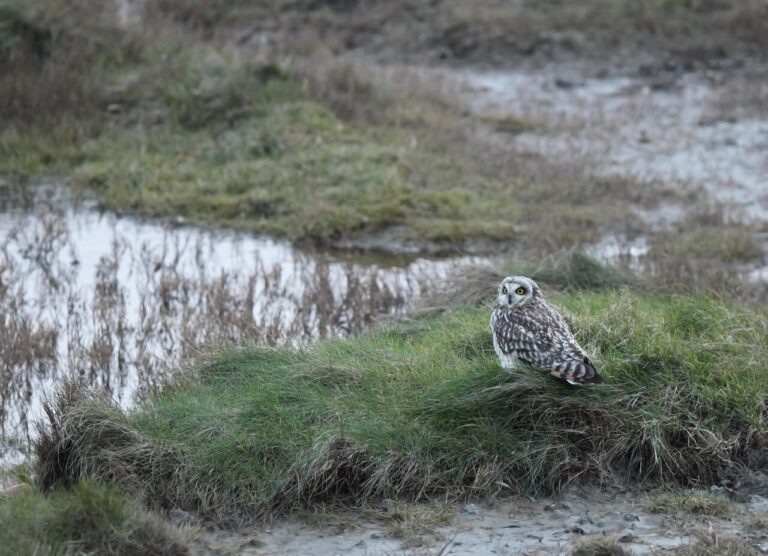
| Short-eared Owl | Open fields, day-flying |
| Great Gray Owl | Huge, gray, rare visitor |
How Many Types of Owls Live in Michigan?
Michigan hosts a fine variety of owls, with several year-round residents and additional species arriving in winter, especially in the northern parts of the state and the Upper Peninsula. The great horned owl is the largest and most widespread, a powerful predator found across the state, while the barred owl is common in mature and swampy woods, known for its distinctive hooting. The eastern screech-owl is a small, common owl of woodlands and towns, and the northern saw-whet owl is a tiny, secretive owl of forests. In winter, Michigan becomes a destination for northern owls, with snowy owls arriving from the Arctic, particularly along the Great Lakes shorelines, and in some years the great gray owl, northern hawk owl, and boreal owl appear in the Upper Peninsula. The long-eared and short-eared owls are also found, the short-eared hunting over open fields. Understanding Michigan owls begins with these species, part of the wider group covered in our guide to types of owls.
Common Michigan Owls and How to Identify Them
Several owls are especially worth knowing in Michigan. The great horned owl is a large owl with prominent ear tufts, a barred body, and a white throat, giving deep, resonant hoots. The barred owl is a stocky, round-headed owl with dark eyes, brown barring, and a famous call that sounds like “who cooks for you,” favoring wet woods. The eastern screech-owl is small with ear tufts, camouflaged in gray or reddish tones, giving a descending whinny and a trill. The northern saw-whet owl is tiny and rounded with a large head, no ear tufts, and a repetitive tooting call, hard to find in dense conifers. In winter, the snowy owl is unmistakable, a large white owl with yellow eyes, often seen perched on the ground or on posts in open country near the Great Lakes. Each owl is a thrilling find, as explored in our guide to types of hawks in Michigan.
Where to See Owls in Michigan
Owls can be found across Michigan in a range of habitats. Mature forests, wooded swamps, and river bottoms are excellent for barred owls, whose calls carry through the trees at night, and for great horned owls, which also use woodlots, parks, and farmland edges. Eastern screech-owls live in woodlands, parks, and even suburban yards with mature trees, and they will use nest boxes. The northern saw-whet owl favors dense coniferous and mixed forests, especially in the north. In winter, the shorelines of the Great Lakes and open farmland become prime spots for snowy owls, which travel south from the Arctic, and the Upper Peninsula can host great gray owls, northern hawk owls, and boreal owls in some winters, drawing birders from afar. Short-eared owls hunt over open fields and marshes, often at dusk. Because different owls favor different habitats and seasons, Michigan offers year-round owling, as detailed in our guide to backyard birds of Michigan.
Snowy Owls in Winter
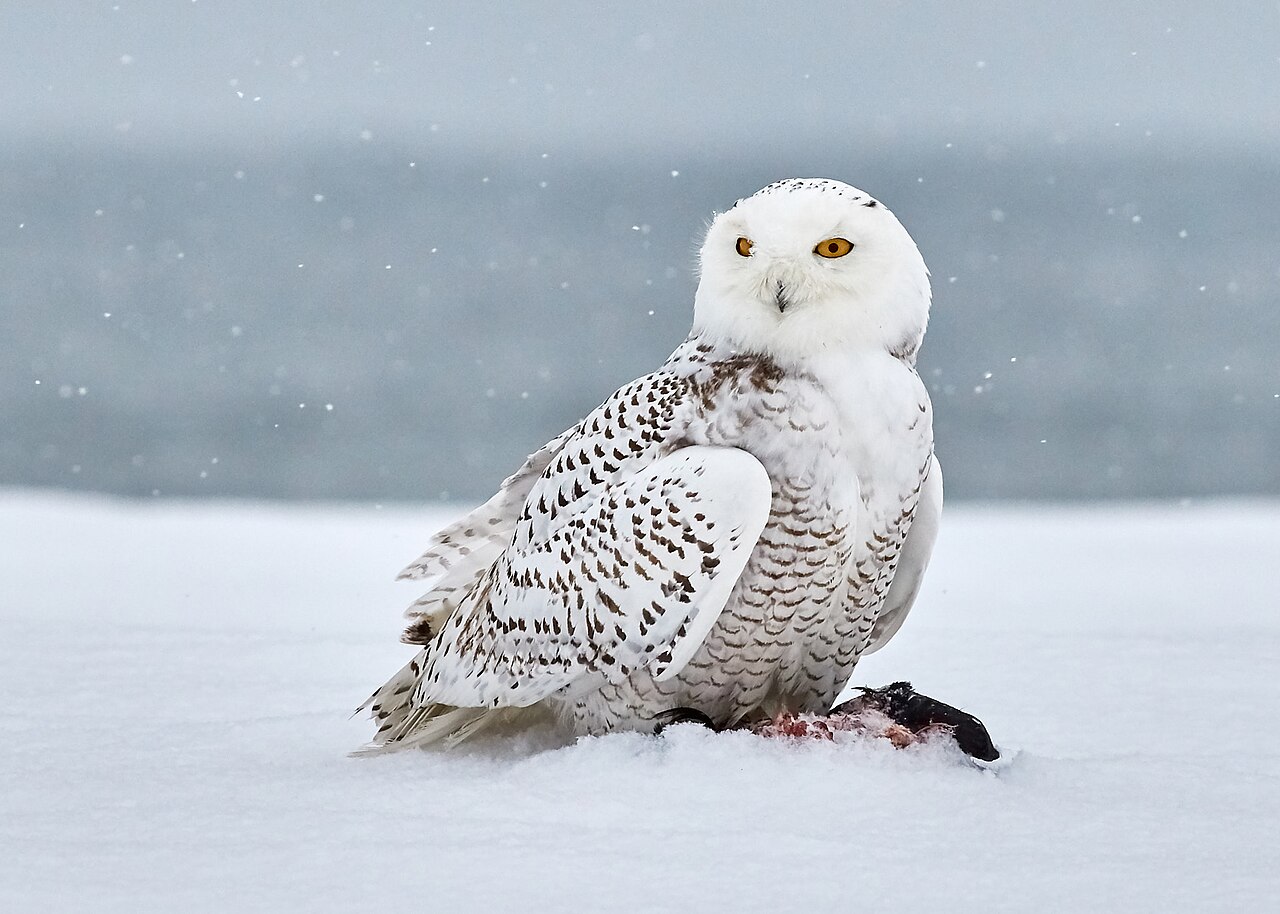
One of the great winter wildlife spectacles in Michigan is the arrival of snowy owls from the Arctic. According to the Cornell Lab of Ornithology, snowy owls move south from the Arctic in winter in numbers that vary from year to year, with occasional large flights called irruptions bringing many owls far south of their usual range. Michigan, with its long Great Lakes shorelines and open farmland, is one of the best states to see them, and in a good irruption year birders may find multiple snowy owls perched on the ground, on posts, or on buildings in open country. These large white owls, sometimes marked with dark barring, hunt by day as well as night, a habit developed in the land of the midnight sun. The best places to look are lakeshores, airports, and wide agricultural fields that resemble the open tundra they favor. Seeing a snowy owl in Michigan is a highlight of the birding year, as explored in our guide to types of hawks in Michigan.
Owl Nesting in Michigan
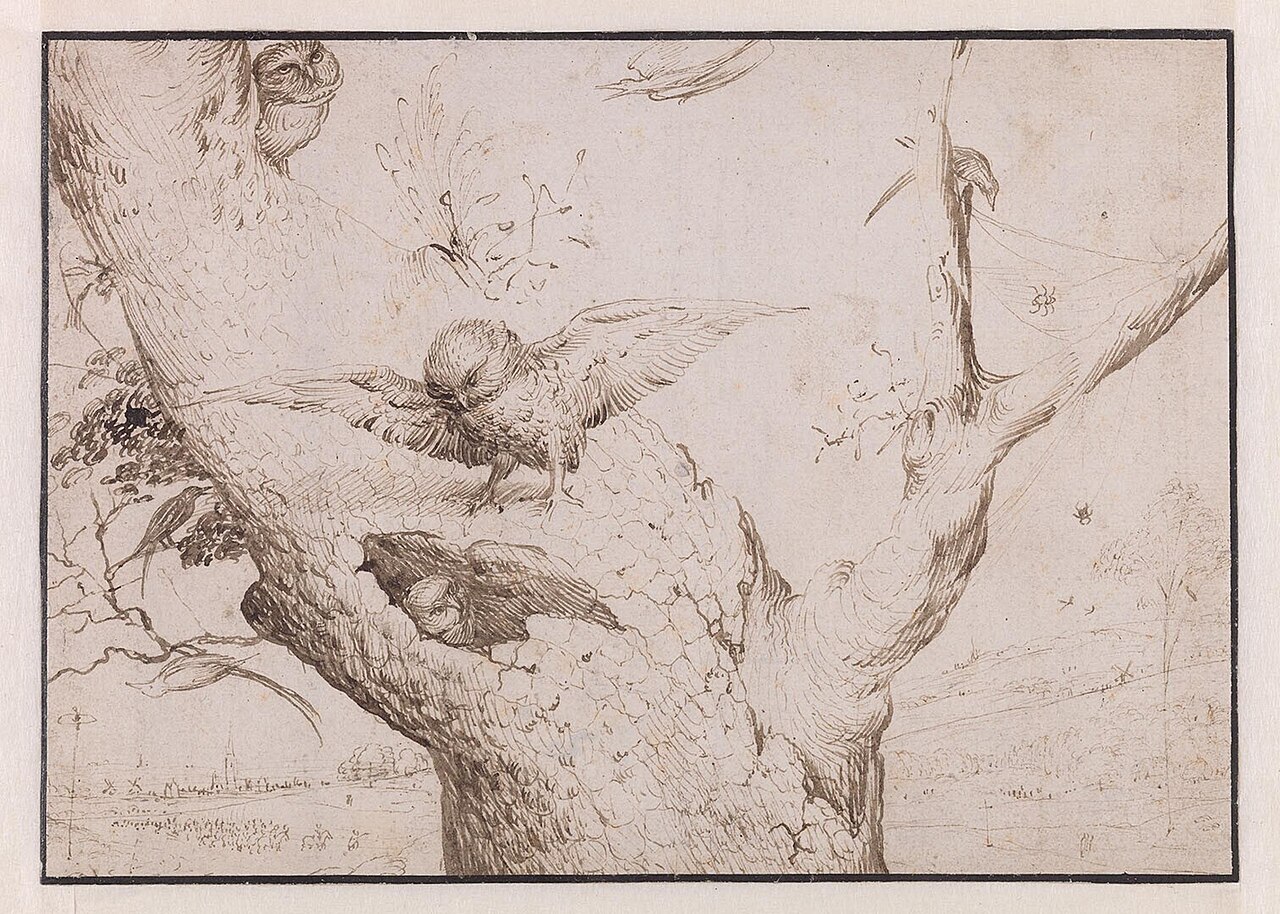
Michigan’s owls have fascinating nesting habits worth understanding. The great horned owl is one of the earliest nesters of all birds, often laying eggs in late winter, even in January or February when snow still covers the ground, and it does not build its own nest but takes over old stick nests built by hawks, crows, or herons, or uses broken snags. The barred owl nests in natural tree cavities and sometimes in large nest boxes, favoring the mature and swampy forests it inhabits. The eastern screech-owl is a cavity nester that readily uses nest boxes placed in wooded yards, making it one of the easiest owls to attract. The tiny northern saw-whet owl nests in old woodpecker holes in northern forests. By putting up appropriate nest boxes and preserving mature trees and snags, people can help owls find nesting sites. Understanding these habits deepens appreciation for Michigan’s owls, as detailed in our guide to backyard birds of Michigan.
How to Find Owls in Michigan
Finding owls in Michigan takes patience and the right approach, but the state offers excellent opportunities. Listening is often the best method, since owls are most vocal at dusk and during the night, especially in late winter and early spring when great horned and barred owls are establishing territories and calling frequently, so a quiet evening in the right habitat can reveal owls by ear. Learning the calls, from the great horned owl’s deep hoots to the barred owl’s “who cooks for you” and the screech-owl’s whinny and trill, helps you know what you are hearing. During the day, watch for owls roosting in dense evergreens, in tree cavities, or against trunks, and look for clues like whitewash and pellets beneath a favored roost. In winter, scan open country and Great Lakes shorelines for snowy owls perched conspicuously. Joining a local birding group or an organized owl outing can help, since experienced birders know reliable spots. With patience and attention to sound, Michigan rewards the owl seeker in every season of the year.
Appreciating Michigan Owls
Michigan owls are a rewarding group to appreciate, both for their variety and for the seasonal surprises they bring. From the deep hooting of the great horned owl and the swamp-loving barred owl to the tiny saw-whet and the spectacular winter arrival of snowy owls from the Arctic, the state offers year-round owling with real highlights. Learning the calls, watching for roosting owls by day, and seeking snowy owls along the Great Lakes in winter all deepen the experience. Because owls are mysterious and mostly nocturnal, finding one feels like a special reward, and Michigan’s mix of resident and visiting species makes every season worth exploring. Taking the time to appreciate Michigan’s owls connects you to the quiet, wild side of the state’s forests, fields, and shorelines.
Frequently Asked Questions
How many types of owls are in Michigan?
Michigan hosts several owls, including the great horned, barred, eastern screech, and northern saw-whet owls, plus winter visitors like the snowy owl and, rarely, the great gray owl.
What is the most common owl in Michigan?
The great horned owl and the barred owl are among the most common and widespread owls in Michigan, both found across the state in woods, swamps, and wooded edges.
Can you see snowy owls in Michigan?
Yes, snowy owls visit Michigan in winter, especially along the Great Lakes shorelines and in open farmland. In irruption years they can be seen in good numbers.
What owl says “who cooks for you” in Michigan?
The barred owl gives the famous call that sounds like “who cooks for you, who cooks for you all.” It is common in Michigan’s mature and swampy woodlands.
What is the smallest owl in Michigan?
The northern saw-whet owl is the smallest owl in Michigan, a tiny, rounded owl of dense forests, best known for its repetitive tooting call given at night.
What rare owls appear in the Upper Peninsula?
In some winters, the Upper Peninsula hosts great gray owls, northern hawk owls, and boreal owls, northern species that draw birders from across the region.
Where can you see owls in Michigan?
Look in mature and swampy woods for barred and great horned owls, wooded yards for screech-owls, conifers for saw-whets, and Great Lakes shorelines for winter snowy owls.