Cockatiel Sounds: 11 Calls and What Each One Means
Cockatiel sounds split into four groups once you know what to listen for: contact calls that ask where you are, happy chirps and whistles that mean the bird is relaxed, alarm sounds like hissing and screeching that mean back off, and learned mimicry copied from your kitchen. The pitch, the length and the time of day tell you which group you are hearing, and most owners guess wrong on the loudest one.
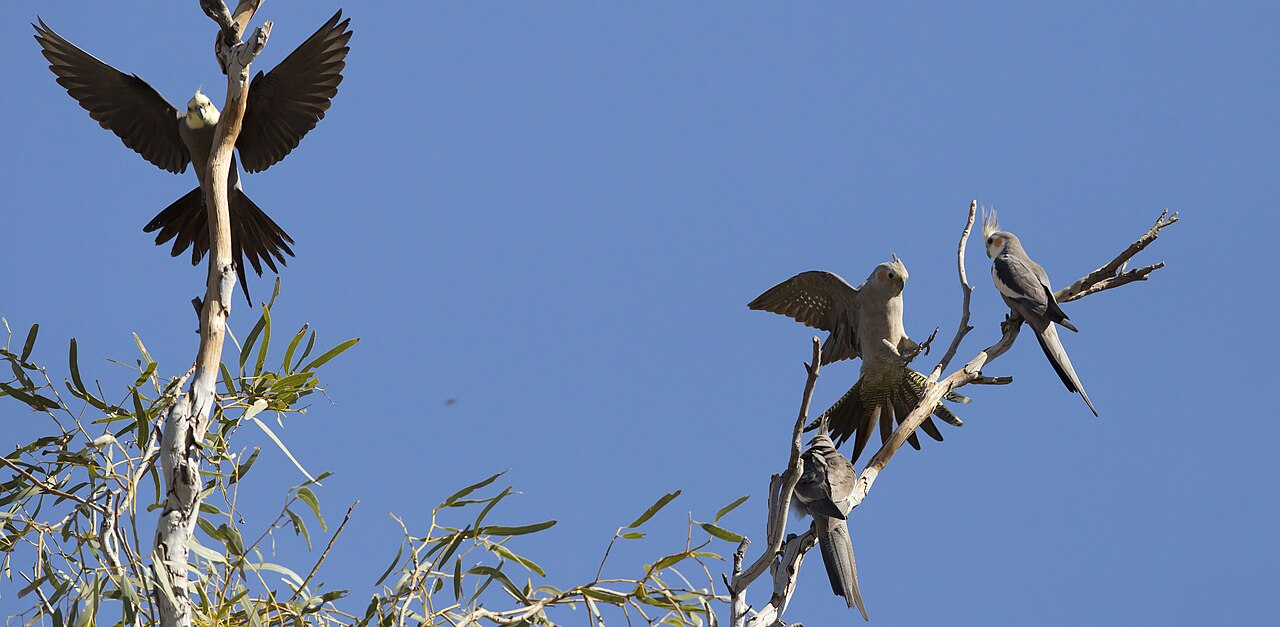
A cockatiel (Nymphicus hollandicus) is a small Australian parrot, about 12 to 13 in (30 to 33 cm) from head to tail tip, and it is built to call across open scrub. That is why one bird in a hallway can sound like five. The list below walks through every common call, what triggers it, when in the day or year you hear it most, and which sounds people confuse with each other.
Cockatiel sounds are contact calls, contentment sounds, alarm signals or learned mimicry. Loud repeated whistling is a flock call asking for your location. Soft chirping, beak grinding and quiet chatter mean a content bird. Hissing and screeching are warnings. Males whistle learned tunes far more than females.
| Sound | What it means | When you hear it |
|---|---|---|
| Loud repeated whistle or screech | Flock call, asking where you are | When you leave the room, dawn and dusk |
| Soft rolling chirps | Content, busy, feeling safe | All day, often while eating or preening |
| Beak grinding | Deep relaxation, settling to sleep | Last 20 minutes before lights out |
| Hiss with open beak | Back off, I feel cornered | Hand in the cage, nest box defense |
| Learned tune or appliance beep | Mimicry, usually a male showing off | Mid morning, when the household is active |
| Thin repeated peeping | Begging, a young bird asking to be fed | First 6 to 8 weeks out of the nest |
| Thrashing plus panic screech | Night fright, the bird hit something in the dark | Between midnight and 4 a.m. |
What Noises Do Cockatiels Make?
A healthy cockatiel runs through roughly a dozen distinct noises, and nearly all of them are variations on three jobs: find my flock, show I am relaxed, or warn something off. The vocabulary sits in whistles, chirps, screeches, hisses and mechanical clicks, with no deep notes at all. If you hear something low and growling from a cage, it is usually the bird shifting a food dish, not a call.
Volume is the quickest sorting tool. Anything loud enough to carry through a closed door is a contact or alarm sound. Anything you only notice when the television is off is contentment. That split alone resolves most of what owners hear in a day, and it works for wild parrots too, the same way it does for the harsh alarm calls of a blue jay.
What Do Different Cockatiel Noises Mean?
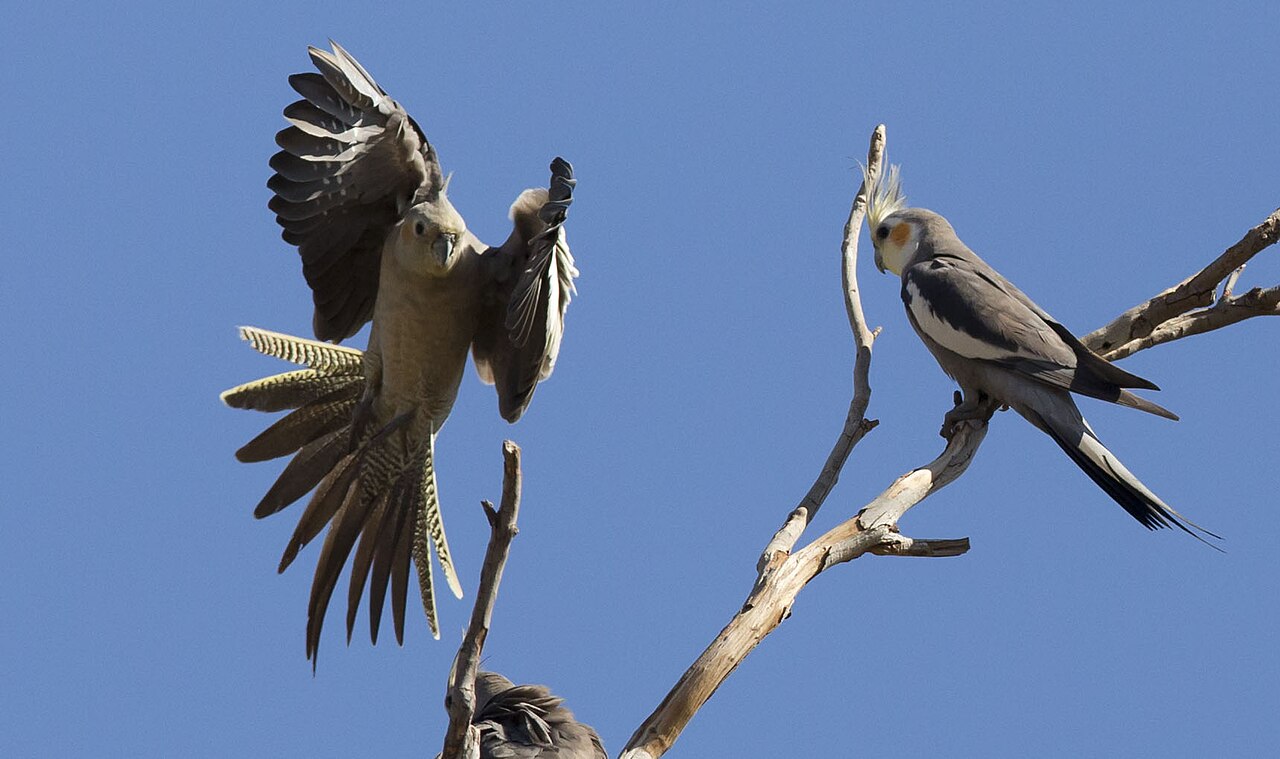
Each call has a function, not a mood in the human sense. The flock call means location, not loneliness in the abstract. The hiss means space, not hatred. Reading them as functions makes the bird predictable: you can answer a flock call, you cannot argue with a hiss.
Context does the rest of the work. The same rising whistle can be a greeting when you walk in and a demand when you walk out. Watch the crest while you listen. Straight up means alert or startled, angled back means relaxed, flat against the head with a hiss means the bird is about to bite. Sound plus crest position is a reliable read where sound alone is not.
The Flock Call: The Loudest Sound Your Cockatiel Makes
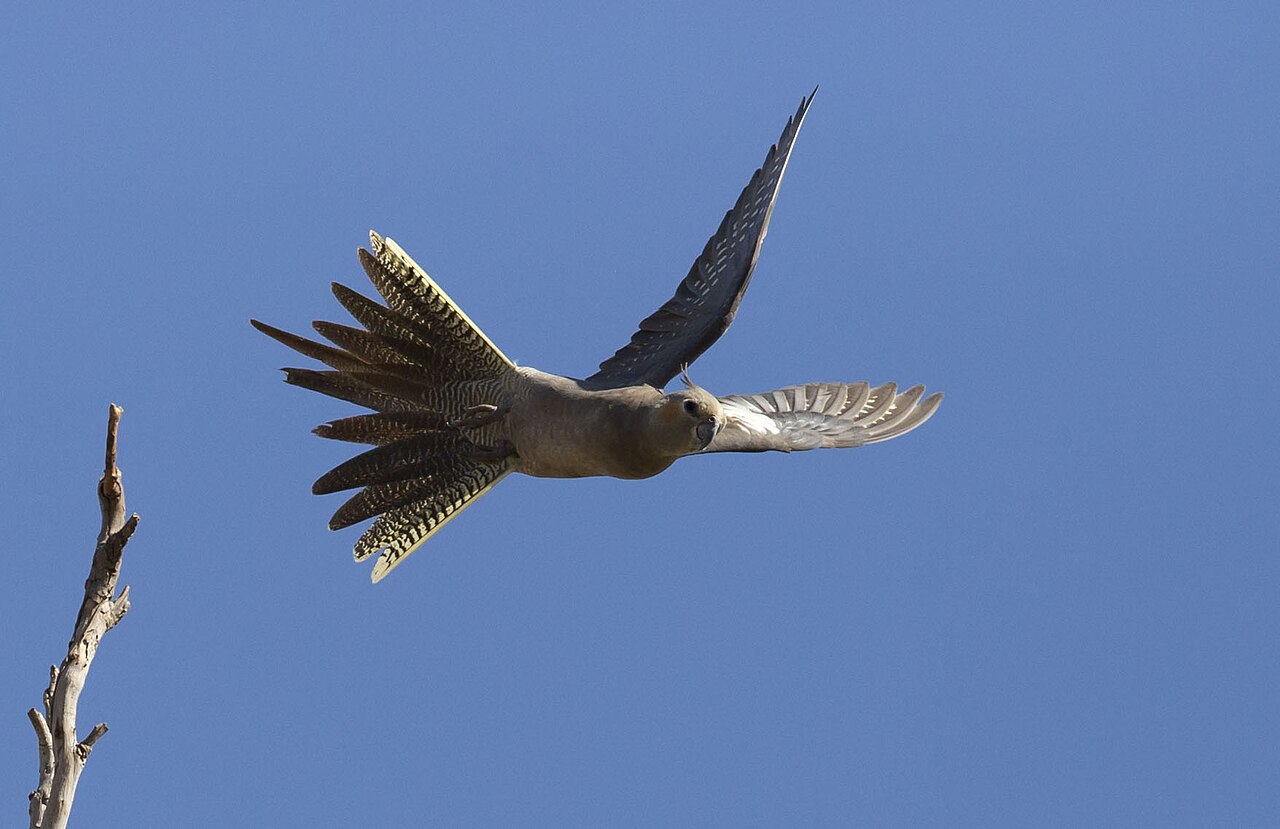
The flock call is a piercing, repeated, slightly upward whistle, often written as a sharp “weeeet, weeeet,” and it is the single loudest thing a cockatiel does. In Australian scrub it keeps a scattered flock together over long distances. In a house it means one thing: the bird lost sight of you and wants a position report.
You hear it the moment you leave the room, when a door closes, and reliably at dawn and again in the hour before dusk, which are the natural movement times for the species. Answering with a single short whistle usually ends it. Running back in with food teaches the bird that the loudest version works best, and the volume climbs within a week.
What Does a Happy Cockatiel Sound Like?
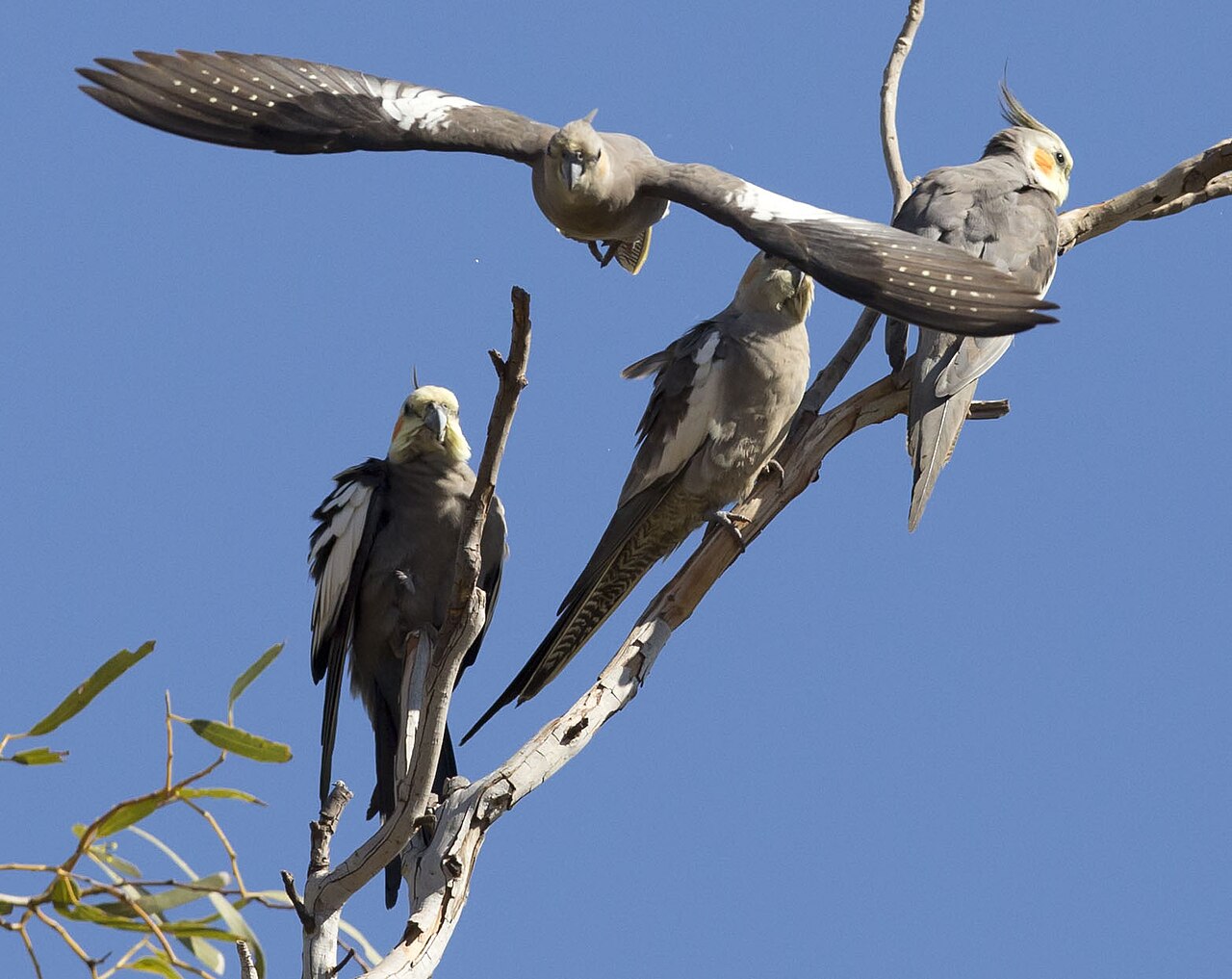
A happy cockatiel sounds quiet and busy. The signature noise is a stream of soft rolling chirps and half whistles with no urgency in them, dropped between bites of food or while the bird works through its wing feathers. Males often fold learned tune fragments into this chatter, singing to themselves at low volume with the crest angled back.
Two quieter sounds belong in the same category. Beak grinding, a dry scraping like two fingernails rubbing, comes almost exclusively in the last minutes before sleep and is a strong contentment signal. Tongue clicking, a hollow pop, is a sociable sound aimed at you or at a mirror. Neither one carries far, so both are easy to miss in a noisy room.
Alarm Calls, Hissing and Screeching
Alarm sounds are short, flat and without melody. A sudden screech with no repetition means something startled the bird: a hawk shape past the window, a dropped pan, a new pet in the doorway. Repeated screeching that will not settle usually means the threat is still in view, and the fix is removing it rather than calming the bird.
Hissing is the close range version. It comes with an open beak, a flattened crest and often a slow side to side sway, and it means the bird feels cornered: a hand reaching into the cage, a rival at the bars, or a female guarding a nest box. Reaching past a hiss gets you bitten. Back out, wait, and come back with the hand lower and slower.
Male Courtship Song and the Wolf Whistle
Courtship song is the most structured sound in the repertoire and it is almost entirely male. A displaying male hops along the perch, taps the wood with his beak, spreads his wings slightly and runs a long sequence of whistles and chirps in a repeated order, often for a minute or more. The famous two note wolf whistle is a learned tune that males adopt into exactly this display.
Season matters here. Courtship singing peaks with long daylight hours and a rich diet, which in a heated house can mean late winter through summer rather than a clean breeding season. If a single male suddenly sings for hours a day and starts shredding paper, he is responding to day length, not to a new mood. Shortening his lit day to about 10 hours usually turns the volume down.
Baby Cockatiel Sounds and Begging
Young cockatiels make a thin, insistent, two syllable peeping that they repeat for minutes on end, usually with the head bobbing and the wings quivering. It is a begging call aimed at a parent, and in a hand reared bird it gets aimed at you. It sounds pitiful and it is not a sign of distress.
The call fades over the first 6 to 8 weeks after fledging as the bird learns to crack seed on its own, and the adult chirp replaces it. Some birds keep a trace of it for life and bring it out when they want attention. Age and voice change together, which is covered further in our guide to the first weeks of a baby cockatiel.
Can Cockatiels Be Taught to Speak?
Cockatiels can be taught to speak, but badly compared to whistling. A patient owner may get a handful of words out of a male, usually short and gravelly: a name, “hello,” “pretty bird.” Females rarely get beyond one or two words, and some males never speak at all while whistling two or three tunes cleanly.
The gap is mechanical as much as mental. Cockatiels have small syrinx muscles tuned for pure tones, so melody comes easily and consonants do not. That is why a four note tune is a realistic goal after a few weeks of daily repetition while a sentence is not. Household beeps get copied fastest of all, because a microwave repeats itself with perfect consistency.
When You Hear Each Sound: Time of Day and Season
A cockatiel’s day is loud at both ends and quiet in the middle. Dawn brings 10 to 20 minutes of flock calling and song, the natural time for a flock to regroup before feeding. Midday is chatter and beak grinding. The hour before dark brings a second burst of calling, then grinding, then silence. A bird that calls at full volume at noon is usually responding to something in the room, not following its clock.
Across the year, song and courtship noise track daylight, while alarm calls track what is outside the window. Spring brings the most display singing from males and the most nest box hissing from females. Winter is the quietest season indoors, unless artificial light keeps the bird on a summer schedule. Wild birds work the same way, which is why the cardinal’s singing season has a clear start and end.
Sounds People Mix Up With Cockatiel Calls
The flock call gets mistaken for a smoke alarm chirp, and the reverse happens even more often: a cockatiel that has heard a low battery chirp for a week will reproduce it well enough to send someone up a ladder. Phone ringtones, kettle whistles and microwave beeps are copied with the same accuracy, and the giveaway is that the bird never gets the timing quite right.
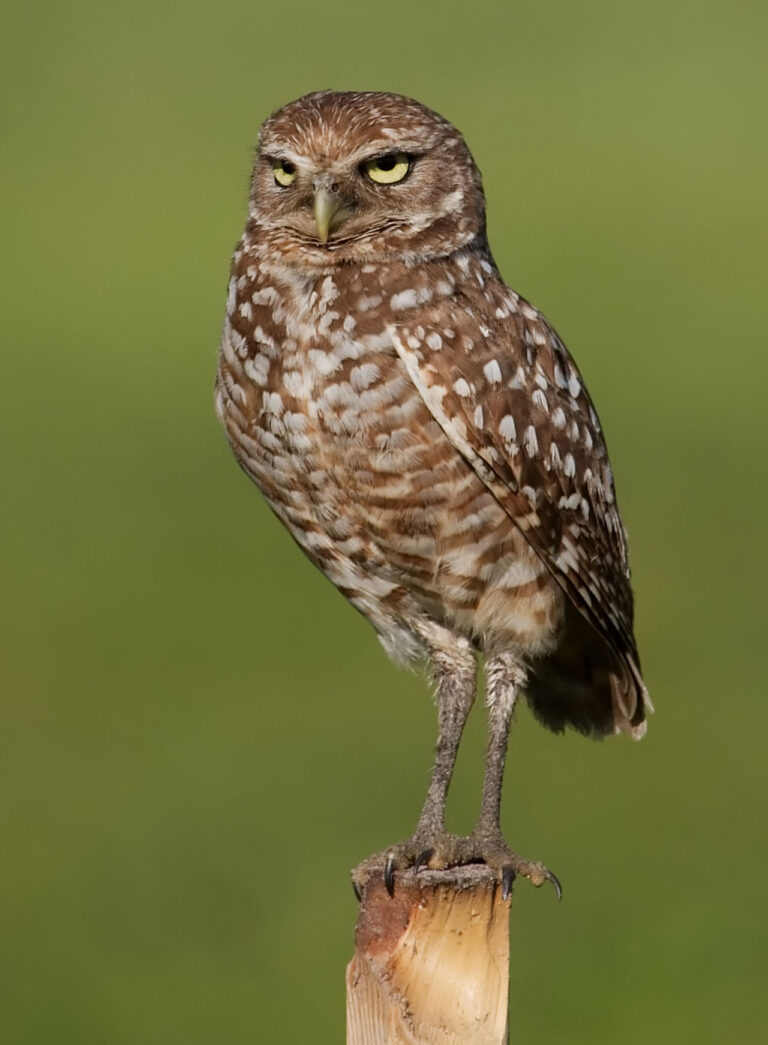
Outside the house, the confusion runs the other way. People hear a cockatiel in the yard and find a European starling imitating one, or a neighbor’s budgie. Mimicry across species is common enough that identifying any bird by sound alone needs care, as the overlap between birds that sound like owls shows. The Smithsonian’s National Zoo and Conservation Biology Institute keeps accessible species accounts worth checking before you settle on an identification.
Screaming at Night: Night Frights in the Household
The worst cockatiel noise is not a call at all. Night frights are panic episodes in full darkness: the bird startles, thrashes against the bars, and screeches for 10 to 30 seconds while feathers fly. They cluster between midnight and 4 a.m., and they frighten owners far more than the bird, which usually settles within a minute.
Three fixes solve most cases. Leave a dim night light within sight of the cage so the bird can orient when it wakes. Move the cage away from windows where car headlights sweep across the wall. Keep the cage out of the path of a cat or dog that moves around at night. If the thrashing causes bleeding on the cere or wing tips, a vet visit comes before any of this. Sex related differences in nervousness exist too, which we cover in the guide to female cockatiels, alongside the general cockatiel species profile.
Frequently Asked Questions
How to tell if a cockatiel loves you?
Listen for the quiet sounds rather than the loud ones. A bird that beak grinds near you, chatters softly while you work, and answers your whistle with a matching one is comfortable in your company. Stronger signs are physical: lowering the head for a scratch, and regurgitating food toward you, which is a bonding behavior.
Are male or female cockatiels nicer?
Neither sex is reliably nicer, but they are loud in different ways. Males whistle, mimic and sing far more, which makes them noisier and more entertaining. Females call less and bite harder when guarding a nest site. Hand rearing and daily handling shape temperament more than sex does.
Do cockatiels pick a favorite person?
Yes. Most cockatiels bond strongly with one person and direct their contact calls, song and head bowing at that person specifically. The bird often screeches when the favorite leaves the room and ignores everyone else who walks in. Sharing handling among several people from the start keeps the bond broader.
What is the downside of cockatiels?
Volume and dust. The flock call carries through walls, the dawn and dusk sessions are not negotiable, and cockatiels produce fine feather powder that coats surfaces and bothers sensitive lungs. They also live 15 to 20 years or more, so the noise is a long commitment, not a phase.
What IQ does a cockatiel have?
IQ does not transfer to birds, so there is no number worth quoting. In practice cockatiels learn tunes, recognize individual people, and work out simple foraging puzzles, which places them below African grey parrots and above finches in trainability. Sound mimicry is their clearest measurable skill.
Why is my cockatiel suddenly quiet?
A normally vocal cockatiel that goes silent for a day deserves attention, because birds hide illness until it is advanced. Check for fluffed feathers, tail bobbing, changes in droppings or food left uneaten. Molting and a dark winter room also reduce calling, but silence plus any physical change means a vet appointment.