Types of Blue Birds in South Carolina: Identification Guide
The blue birds of South Carolina include the eastern bluebird, blue jay, indigo bunting, blue grosbeak, painted bunting, and belted kingfisher. From the beloved eastern bluebird to the jewel-like painted bunting of the coast, South Carolina offers a beautiful array of blue and blue-toned birds. This guide covers the types of blue birds in South Carolina, how to identify them, and where to see them.
| Blue Bird | Key Feature |
|---|---|
| Eastern Bluebird | Blue back, rusty breast |
| Blue Jay | Large, crested, bold |
| Indigo Bunting | All-blue small finch |
| Painted Bunting | Blue head, coastal |
| Blue Grosbeak | Deep blue, chestnut wingbars |
| Belted Kingfisher | Blue-gray, shaggy crest |
How Many Blue Birds Live in South Carolina?
South Carolina hosts a rich variety of blue and blue-toned birds across its coast, forests, and farmland. The eastern bluebird, with its blue back and rusty breast, is a beloved and common bird of open country, and the blue jay, a large crested blue bird, is a bold resident of woods and yards. The indigo bunting is a small finch whose breeding male is entirely brilliant blue, and the painted bunting, one of the most colorful birds in North America, has a blue head along with a green back and red underparts, breeding in coastal South Carolina. The blue grosbeak, a deep blue bird with chestnut wingbars, breeds in brushy areas, and the belted kingfisher, blue-gray with a shaggy crest, patrols rivers, ponds, and coastal waters. Tree swallows and purple martins add further blue-toned birds. Understanding South Carolina’s blue birds begins with these species, and the classic bluebird is covered in our guide to the eastern bluebird.
Common South Carolina Blue Birds and How to Identify Them
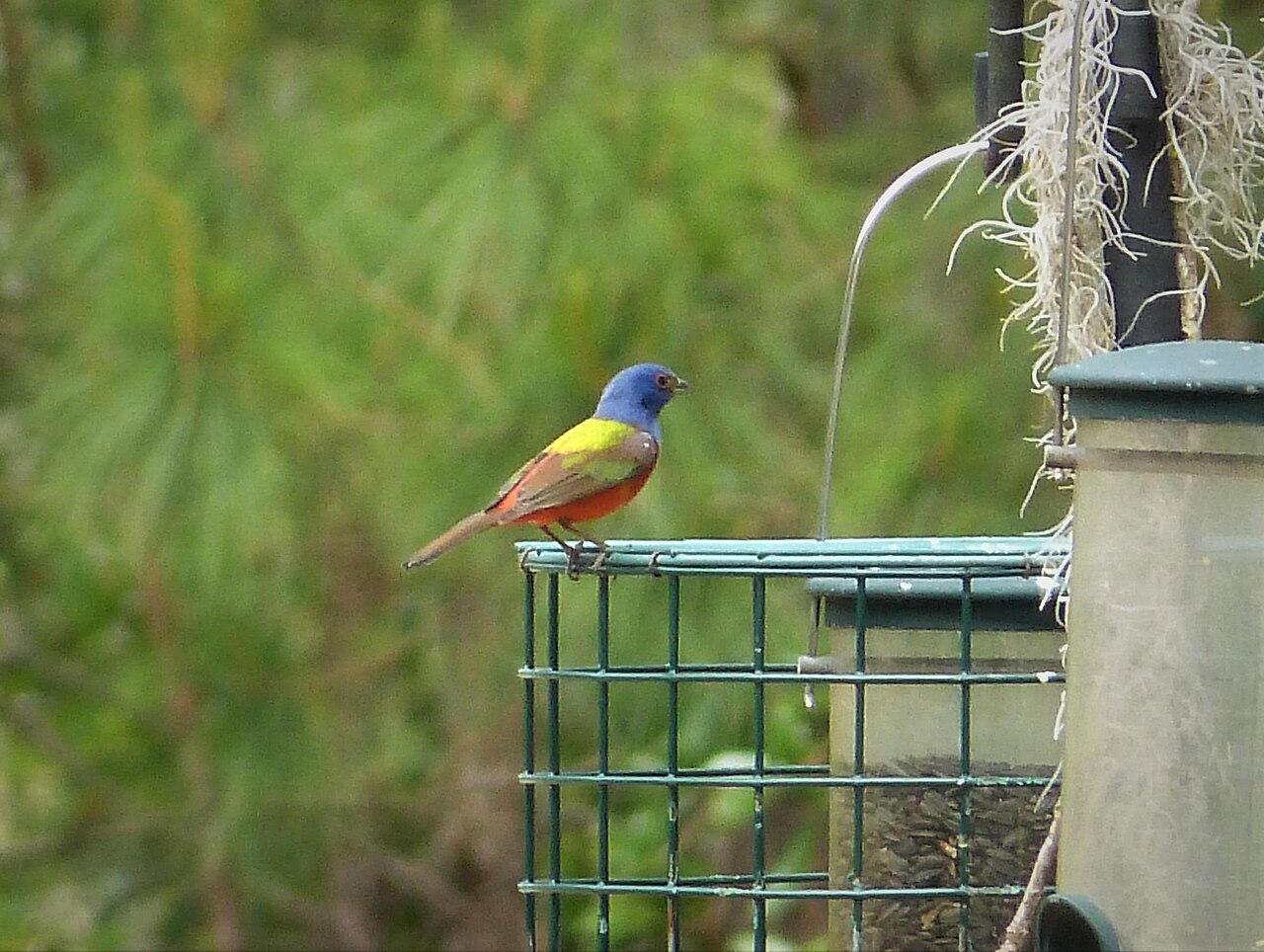
Several blue birds are especially worth knowing in South Carolina. The eastern bluebird is a small thrush with a blue head, back, and wings and a rusty-orange breast, often perched on wires and fences. The blue jay is a large, crested blue bird with black-and-white markings, bold and noisy in yards and woods. The indigo bunting male is a small finch of dazzling all-over blue in breeding season, while the female is brown. The painted bunting male is unmistakable, with a deep blue head, a lime-green back, and bright red underparts, a coastal specialty. The blue grosbeak is a larger, deep blue bird with chestnut wingbars and a heavy bill. The belted kingfisher is blue-gray with a shaggy crest and a white collar, giving a loud rattle along water. Each blue bird is a delight, as explored in our guide to types of blue birds in Illinois.
Where to See Blue Birds in South Carolina
Blue birds can be found across South Carolina in a range of habitats. Open country, farmland, parks, and yards with scattered trees and nest boxes are ideal for eastern bluebirds, and these open and edge habitats also suit the indigo bunting in summer. Woodlands, parks, and suburban yards throughout the state host blue jays year-round. The coast and Lowcountry are the place to find painted buntings in coastal thickets, maritime forest edges, and yards near the coast, especially in spring and summer. Brushy fields, thickets, and weedy edges are where blue grosbeaks breed, and rivers, ponds, marshes, and coastal waters are the place to find belted kingfishers patrolling for fish. Open areas near water attract tree swallows and purple martins, which nest in boxes and martin houses. Because different blue birds favor different habitats, South Carolina offers rewarding birding year-round, as detailed in our guide to types of owls in South Carolina.
The Dazzling Painted Bunting
The painted bunting is one of the most spectacular birds in South Carolina, and its life is as interesting as its colors. According to the Cornell Lab of Ornithology, the male painted bunting is often called one of the most beautiful birds in North America, with its blue head, green back, and red underparts, while the female and immatures are a bright green that provides excellent camouflage. Painted buntings breed along the coast of South Carolina and the Southeast, favoring shrubby areas, thickets, maritime forest edges, and yards near the coast, where they feed mainly on seeds and some insects. They are somewhat secretive despite their bright colors, often staying in dense cover, and they readily come to feeders offering white millet. Because of habitat loss and other pressures, painted bunting populations have declined, making the coastal South Carolina strongholds especially important. Seeing a male painted bunting is a highlight for any birder, as explored in our guide to types of blue birds in Illinois.
Attracting Blue Birds in South Carolina
Attracting blue birds to your South Carolina yard is rewarding, since several species will visit given the right offerings. For eastern bluebirds, put up a nest box in open habitat with scattered perches, and offer mealworms, which bluebirds love, along with a source of water for drinking and bathing. For the coastal painted bunting, offering white millet in a feeder near dense cover can draw these jewels in spring and summer, especially in yards near the coast. Blue jays are easily attracted with peanuts, sunflower seeds, and suet, and they are bold and entertaining visitors. Planting native shrubs and trees that provide seeds, berries, and insects supports buntings, bluebirds, and other blue birds naturally, and leaving some brushy cover helps the more secretive species feel safe. Providing water is valuable for all birds. By combining nest boxes, the right foods, water, and native plantings, you can enjoy a variety of blue birds in your South Carolina yard, as explored in our guide to types of owls in South Carolina.
Blue Birds Through the Seasons in South Carolina
South Carolina blue birds offer rewards across the year, with the cast changing by season. Eastern bluebirds and blue jays are present year-round, the bluebirds nesting in boxes and open country and the jays bold in woods and yards. Spring brings the return of migratory blue birds, with painted buntings arriving along the coast, indigo buntings singing from field edges, and blue grosbeaks breeding in brushy areas through the summer. Belted kingfishers patrol rivers, ponds, and coastal waters year-round, and tree swallows and purple martins nest and gather in the warmer months. The coast is especially lively in spring and summer, when the jewel-like painted buntings are present in the Lowcountry. Fall sees the buntings, swallows, and grosbeaks head south, while bluebirds and jays remain. By watching through the seasons, South Carolina birders can enjoy resident bluebirds and jays year-round plus a colorful array of migratory blue birds, including the spectacular painted bunting.
Appreciating South Carolina Blue Birds
South Carolina blue birds are a rewarding group to appreciate, both for their beauty and for the variety the state offers. From the beloved eastern bluebird and bold blue jay to the dazzling indigo bunting and the jewel-like painted bunting of the coast, these birds bring color to the state’s fields, forests, and yards. Learning to recognize the different species, understanding the structural color that makes them appear blue, and attracting bluebirds and buntings with boxes and the right foods all deepen the pleasure of birding in South Carolina. Because several of these birds visit yards, they offer wonderful chances to observe them up close. Taking the time to appreciate South Carolina’s blue birds, especially the coastal painted bunting, connects you to one of the most colorful parts of the state’s birdlife.
Frequently Asked Questions
What kinds of blue birds live in South Carolina?
South Carolina’s blue birds include the eastern bluebird, blue jay, indigo bunting, painted bunting, blue grosbeak, and belted kingfisher, among other blue-toned species.
Are there bluebirds in South Carolina?
Yes, the eastern bluebird is a common bird in South Carolina, a blue bird with a rusty breast found in open country, parks, and yards, often using nest boxes.
What blue bird has a blue head in South Carolina?
The painted bunting male has a deep blue head along with a green back and red underparts. It is a coastal specialty, breeding in the Lowcountry in spring and summer.
What is the small all-blue bird in South Carolina?
The indigo bunting is the small all-blue bird, with the breeding male entirely brilliant blue, seen singing from field edges and brushy areas in summer.
Where can you see a painted bunting in South Carolina?
Look along the coast and in the Lowcountry, in coastal thickets, maritime forest edges, and yards near the coast, where painted buntings appear in spring and summer.
What is the large blue bird in South Carolina?
The blue jay is the large blue bird in South Carolina, a crested, bold species with black-and-white markings, common in woods and yards and a frequent feeder visitor.
Where can you see blue birds in South Carolina?
Look in open country for eastern bluebirds, the coast for painted buntings, yards for blue jays, brushy areas for indigo buntings and blue grosbeaks, and water for kingfishers.