Types of Nuthatches: A Complete Guide
There are four types of nuthatches in North America: the white-breasted, red-breasted, brown-headed, and pygmy nuthatches. These compact, big-headed birds are famous for climbing head-first down tree trunks, a habit that sets them apart from other birds. This guide covers the types of nuthatches, how to tell them apart, where they live, and how to attract them.
| Nuthatch | Key Feature |
|---|---|
| White-breasted Nuthatch | Largest, white face, black cap |
| Red-breasted Nuthatch | Rusty underparts, eye stripe |
| Brown-headed Nuthatch | Brown cap, southeastern pines |
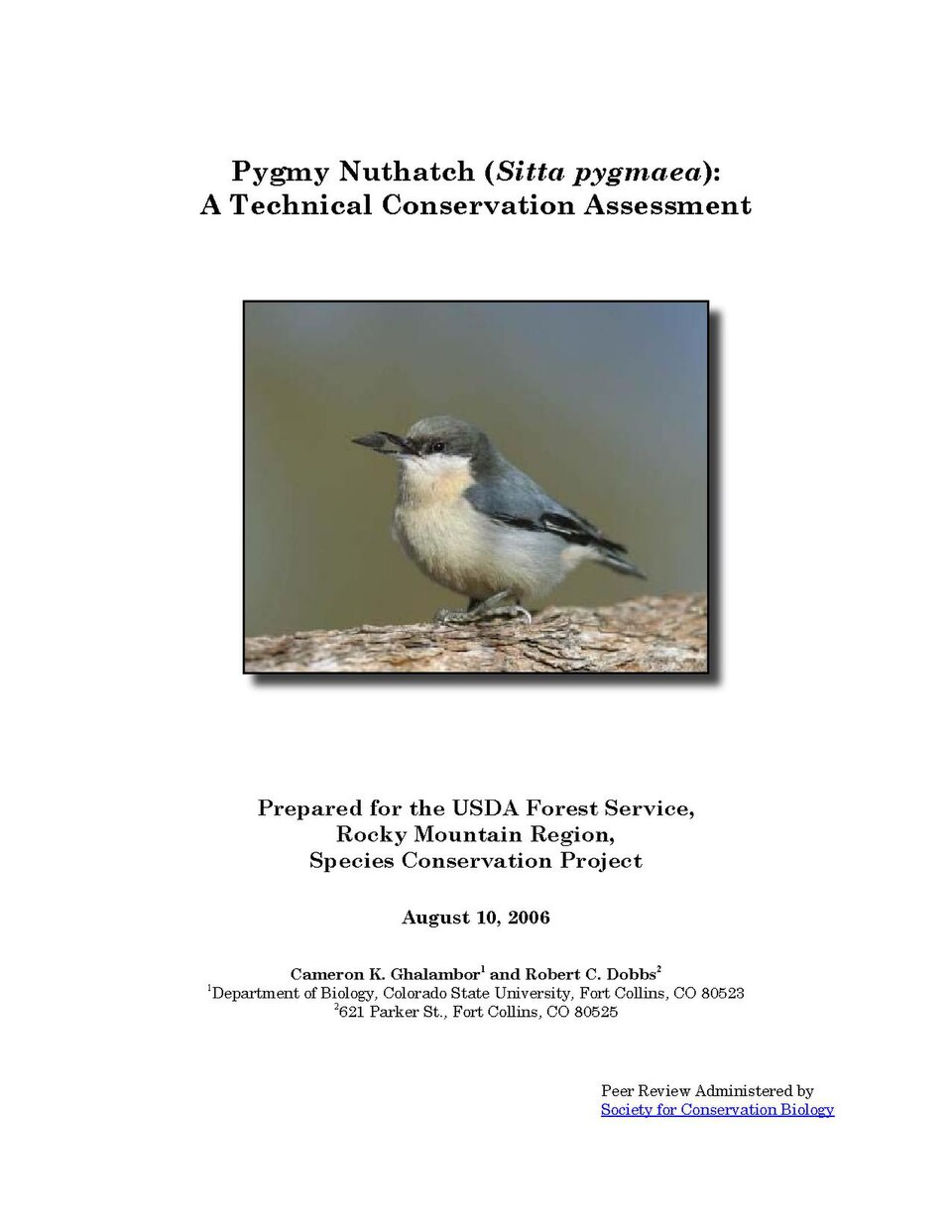
| Pygmy Nuthatch | Tiny, gray-brown cap, western pines |
How Many Types of Nuthatches Are There?
There are four species of nuthatches in North America, all small, stocky birds with large heads, short tails, and strong bills, known for their unique habit of climbing head-first down tree trunks. The most widespread and familiar is the white-breasted nuthatch, the largest of the four, found in deciduous woods and yards across much of the continent. The red-breasted nuthatch is a smaller bird of coniferous forests, with rusty underparts and a bold face pattern, that sometimes moves south in large numbers. The brown-headed nuthatch is a tiny bird of southeastern pine forests, and the pygmy nuthatch is a similarly tiny bird of western pine forests. Nuthatches are agile and acrobatic, often creeping along trunks and branches in all directions, and they are frequent visitors to feeders. Understanding the nuthatches begins with these species, and the most widespread is covered in our guide to the white-breasted nuthatch.
The Four Nuthatches and How to Tell Them Apart
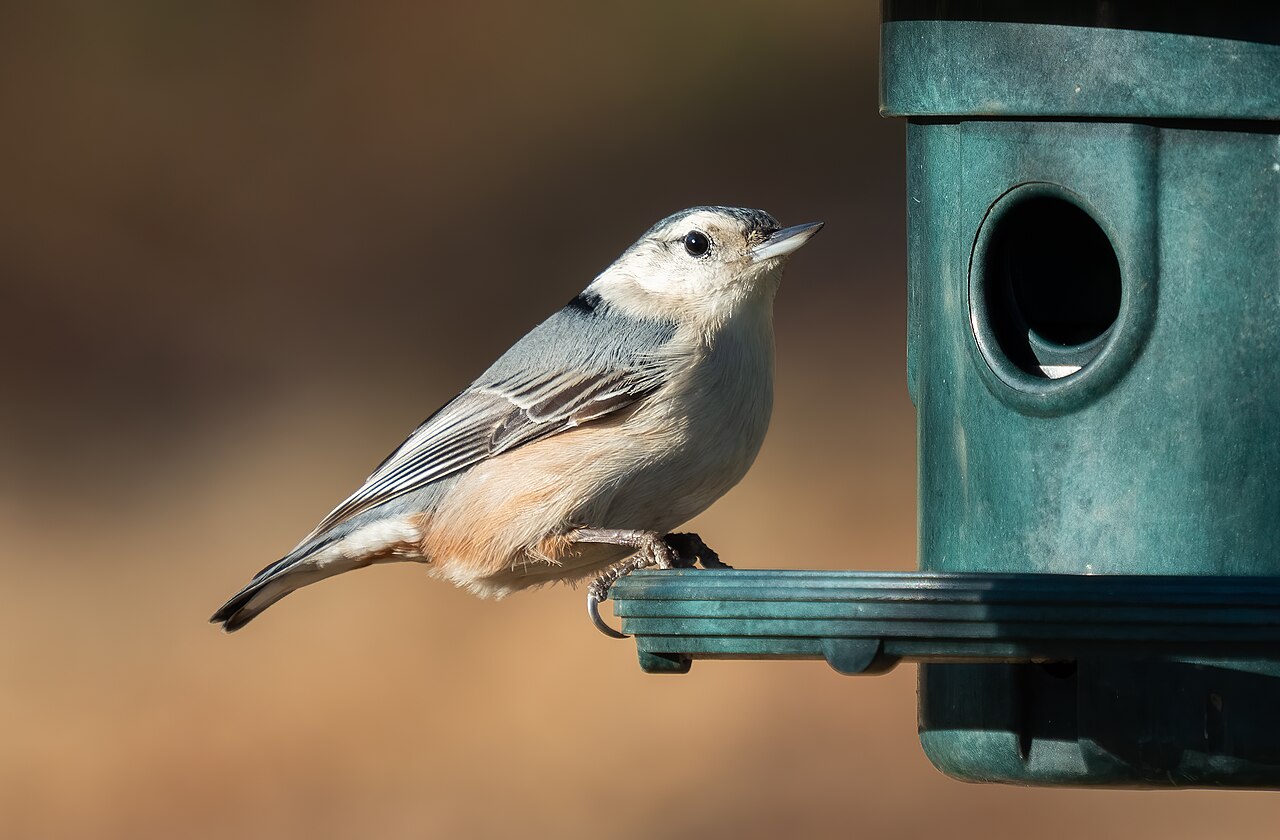
Each of the four nuthatches has a distinctive look. The white-breasted nuthatch is the largest, with a clean white face and underparts, a black cap, and blue-gray back, and it is common in deciduous woods and at feeders. The red-breasted nuthatch is smaller, with rusty, cinnamon underparts, a black cap, and a bold black line through the eye set off by a white eyebrow, giving it a striped face, and it favors conifers. The brown-headed nuthatch is tiny, with a brown cap, a pale spot on the nape, and grayish upperparts, and it lives in southeastern pine forests. The pygmy nuthatch is also tiny, with a grayish-brown cap and white underparts, and it lives in western pine forests. Size, underpart color, cap color, and face pattern all help, but range and habitat are often the quickest clues, since the two tiny nuthatches are separated geographically. Each nuthatch has its own charm, as explored in our guide to types of chickadees.
Where Nuthatches Live
Nuthatches live across much of North America, with different species in different habitats. The white-breasted nuthatch is widespread across the United States and southern Canada, favoring deciduous and mixed woodlands, parks, and wooded suburbs, and it readily visits feeders. The red-breasted nuthatch breeds in coniferous forests across Canada, the northern states, and the western mountains, and in some winters it moves south in large numbers in search of food, appearing well beyond its usual range. The brown-headed nuthatch is a resident of pine forests in the southeastern United States, and the pygmy nuthatch is a resident of pine forests, especially ponderosa pine, in the western United States. Nuthatches are mostly year-round residents, though the red-breasted nuthatch is the most likely to wander. Because the white-breasted nuthatch in particular is common in wooded neighborhoods and at feeders, nuthatches are familiar birds to many people, as detailed in our guide to the downy woodpecker.
How to Attract Nuthatches
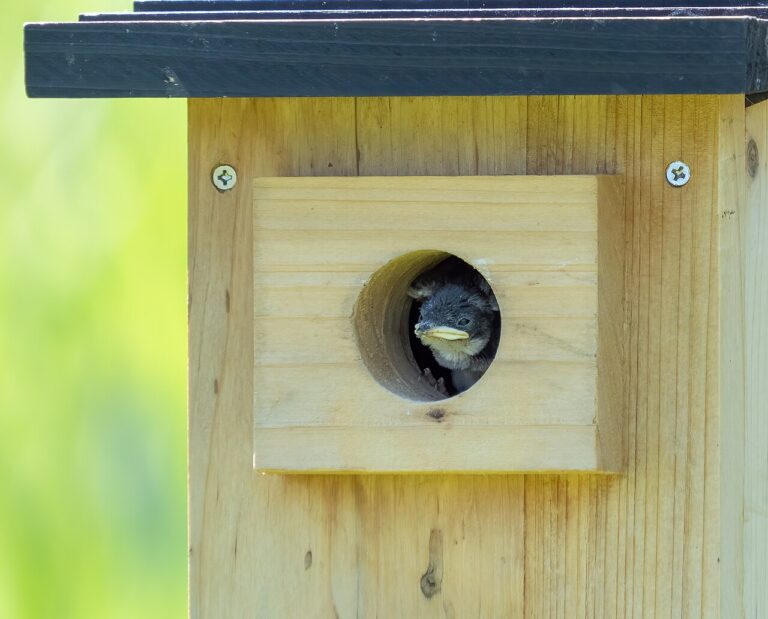
Attracting nuthatches to your yard is rewarding, and they are regular feeder visitors where they occur. Nuthatches are especially fond of suet, and offering suet in a suet feeder will draw white-breasted and other nuthatches, particularly in the cooler months. They also eat black oil sunflower seeds and peanuts, and like chickadees, they often fly off with a single seed to wedge it into bark and hammer it open, a behavior that gives nuthatches their name. Providing clean water for drinking and bathing helps attract them, and nuthatches are cavity nesters that will sometimes use nest boxes of the appropriate size. Keeping some dead trees or snags standing, where it is safe, benefits nuthatches by providing insects and nesting sites. Planting native trees, especially pines for the smaller species, supports them naturally. By offering suet, sunflower seed, and peanuts, along with water and nesting sites, you can enjoy nuthatches at your feeders, as reflected in our guide to attracting birds.
Fascinating Nuthatch Behavior
Nuthatches have several fascinating behaviors that make them a delight to watch. According to the Cornell Lab of Ornithology, nuthatches get their name from their habit of wedging seeds and nuts into bark and then hammering, or hatching, them open with their bills. A nuthatch will often take a single sunflower seed from a feeder, fly to a tree, jam it into a crevice in the bark, and pound it apart to eat the kernel. Their famous head-first descent down tree trunks lets them find insects hidden in bark that upward-climbing birds may miss. The red-breasted nuthatch has an especially remarkable habit of smearing sticky conifer resin around the entrance of its nest hole, which may help deter predators or competitors, and it deftly avoids the sticky trap itself. Nuthatches are also vocal, giving nasal, tooting, or yammering calls, and they often join mixed winter flocks with chickadees. These clever behaviors make nuthatches endlessly entertaining, as explored in our guide to the black-capped chickadee.
Nuthatches and Woodpeckers Compared
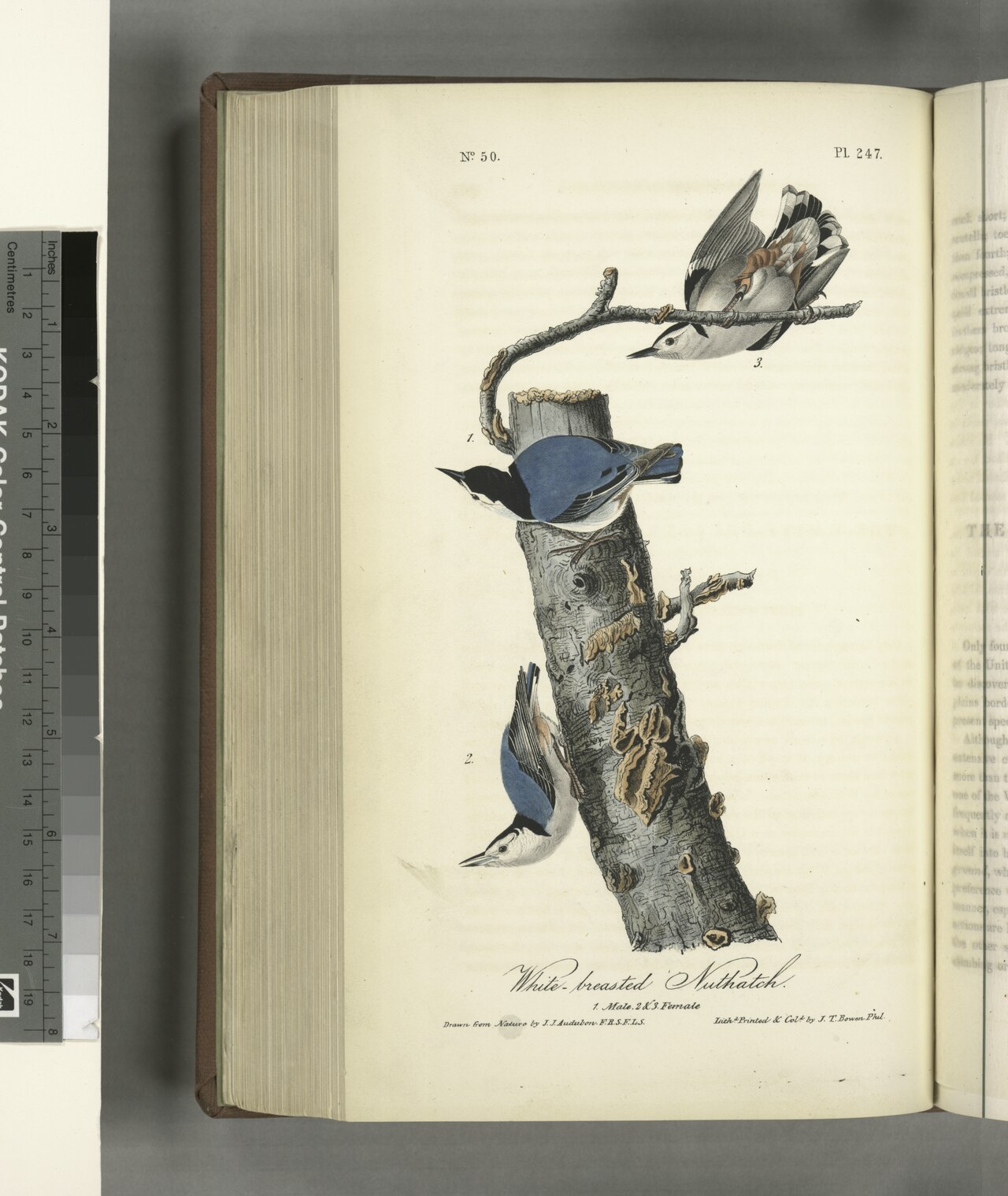
Nuthatches are often seen alongside woodpeckers and creepers on tree trunks, and comparing them is instructive. Woodpeckers climb upward, bracing themselves with stiff tail feathers and hitching up the trunk, and they use their strong bills to drill into wood for insects and to excavate nest holes. Brown creepers also climb upward, spiraling up a trunk before flying down to the base of the next tree. Nuthatches, by contrast, are famous for moving downward and sideways, headfirst, without using their tails for support, relying instead on their strong feet and claws to grip the bark. This means nuthatches often find food in a different way than their trunk-climbing neighbors, spotting insects from a top-down angle. Watching these birds work the same tree from different directions shows how each has its own niche. Appreciating these differences enriches your time watching trunk birds, as reflected in our guide to the best bird seed.
Appreciating Nuthatches
Nuthatches are among the most entertaining of backyard birds, and appreciating them adds to the joy of birding. Their signature habit of climbing headfirst down tree trunks makes them instantly recognizable and fun to watch, and their clever behaviors, from wedging and hammering seeds to the red-breasted nuthatch’s use of sticky resin at its nest, make them endlessly fascinating. Learning which nuthatch species occurs in your region, and enjoying their acrobatic movements and nasal calls, deepens your connection to your local birds. Because the white-breasted nuthatch in particular is common in wooded neighborhoods and at feeders, nuthatches offer excellent chances to observe bird behavior up close. Taking the time to watch nuthatches, offer them suet and seeds, and appreciate their upside-down antics and cleverness makes backyard birding more rewarding throughout the year.
Nuthatches at the Winter Feeder
Winter is one of the best times to enjoy nuthatches, and understanding their cold-season habits helps you attract them. In winter, nuthatches often join mixed foraging flocks with chickadees, titmice, kinglets, and woodpeckers, roving through the woods and visiting feeders together, so drawing chickadees often brings nuthatches too. They are especially fond of suet and sunflower seed in the colder months, when their insect food is scarce, and they will make repeated trips to a feeder, carrying off seeds to wedge and store in bark for later. The red-breasted nuthatch, in particular, may appear far south of its usual range in some winters when northern food crops fail, delighting feeder watchers with its rusty underparts and striped face. Keeping feeders stocked with suet and sunflower seed through the winter gives you the best chance to enjoy nuthatches during the season when they are easiest to attract and observe.
Frequently Asked Questions
How many types of nuthatches are there?
There are four types of nuthatches in North America: the white-breasted, red-breasted, brown-headed, and pygmy nuthatches.
What is the most common nuthatch?
The white-breasted nuthatch is the most widespread and familiar nuthatch, common in deciduous woods, parks, and wooded suburbs across much of North America, and a frequent feeder visitor.
How do you tell nuthatch species apart?
Look at size, underpart color, and face pattern, and consider range. The red-breasted has rusty underparts and a striped face, while the two tiny nuthatches are separated by region.
Why do nuthatches climb down trees head-first?
Nuthatches climb head-first down trunks to spot insects that upward-climbing birds like woodpeckers may miss. This upside-down foraging is a hallmark of nuthatches.
What is the smallest nuthatch?
The brown-headed nuthatch of southeastern pines and the pygmy nuthatch of western pines are the smallest nuthatches, both tiny birds of pine forests in their regions.
How do you attract nuthatches?
Offer suet, black oil sunflower seed, and peanuts at feeders, provide clean water, and keep dead trees standing where safe. Nuthatches readily visit feeders where they occur.
Where do nuthatches live?
Nuthatches live across much of North America, with the white-breasted in deciduous woods, the red-breasted in conifers, and the two tiny species in pine forests.