Duck Spiritual Meaning: What Seeing a Duck Really Signals
Seeing a duck is traditionally read as a sign to stay emotionally afloat: the duck spiritual meaning centers on adaptability, calm under pressure, and the ability to move between worlds without being swallowed by any of them. Across folklore, a duck that appears in your path is usually taken as a gentle omen rather than a warning.
Ducks sit on the surface of the water, dive beneath it, walk on land, and fly away. That is why so many traditions, from Lakota storytelling to Celtic water lore to Chinese wedding symbolism, assigned them the role of messenger between the visible and the hidden. The meaning people attach to a duck sighting depends heavily on where it happens and what the bird is doing, so the sections below separate the traditions from the situations.
Ducks symbolize emotional resilience, adaptability, protection of family, and comfort in change. A duck sighting is generally considered a good omen: a sign to stop struggling and let a situation carry you. In many traditions the duck also acts as a messenger between the spirit world and daily life, especially when it appears near water or at your home.
| Situation | Common interpretation | Tone of the omen |
|---|---|---|
| Duck crosses your path | Move forward without forcing it; a transition is already underway | Positive |
| Duck in your garden or yard | Domestic peace, fertility, protection of the household | Positive |
| Duck at your window | A message or news is arriving; pay attention to family matters | Neutral to positive |
| Ducks calling at night | Something unresolved is surfacing; emotions asking to be heard | Neutral |
| The same duck appearing repeatedly | A persistent lesson about patience or letting go | Instructive |
| Finding a dead duck | End of an emotional cycle, not a prediction of loss | Somber but not ominous |
| Duck in a dream | Your handling of feelings you have been keeping below the surface | Reflective |
What Do Ducks Symbolize?
Ducks symbolize adaptability above everything else. A mallard (Anas platyrhynchos) feeds in a flooded ditch, a city pond, and a coastal marsh with equal success, and folk symbolism followed that behavior closely. When people say a duck represents resilience, they mean the specific kind that bends with circumstances instead of resisting them.
The second theme is emotional intelligence. Water is the traditional element of feeling, and a bird that floats calmly on it while paddling hard underneath became a natural image for composure. That is where the familiar phrase about being calm on the surface comes from, and the symbolism predates the phrase by centuries.
The third theme is family and protection. A hen leading ducklings in a line is one of the most recognizable images in nature, and it carried into symbolism as devotion, guardianship, and the instinct to keep dependents together. If you want the behavior behind that image, our guide to the female duck and her brood covers how hens actually manage a clutch.
Duck Symbolism in Native American Traditions
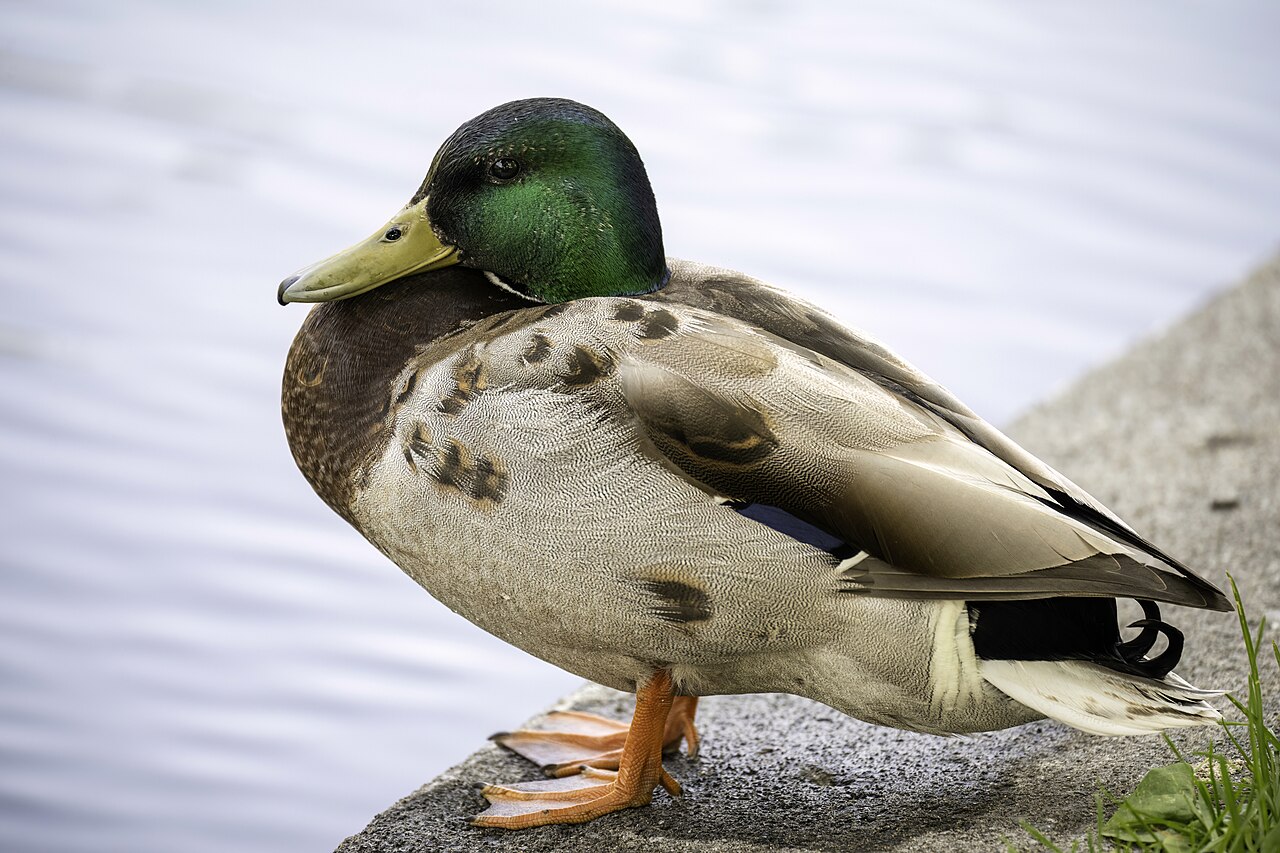
In several Native American traditions the duck is described as a mediator between elements. In Lakota storytelling, waterfowl that move between sky, surface, and depth are spoken of as carriers of messages, and that role is why duck imagery appears in accounts of dreams and visions rather than in hunting omens alone.
Among Northeastern and Great Lakes peoples, duck motifs appear in beadwork and pouch decoration associated with provision and abundance, reflecting the bird’s practical importance as food and down. Interpretations are specific to each nation, and it is worth saying plainly that these are living traditions with their own authorities, not a single pan-tribal symbol set.
Where sources agree is on the duck as a teacher of resourcefulness. A bird that can feed on seeds, snails, and grain depending on the season models the behavior that seasonal life demands. Our overview of what ducks actually eat shows how broad that diet really is.
Do Ducks Have Biblical Meaning?
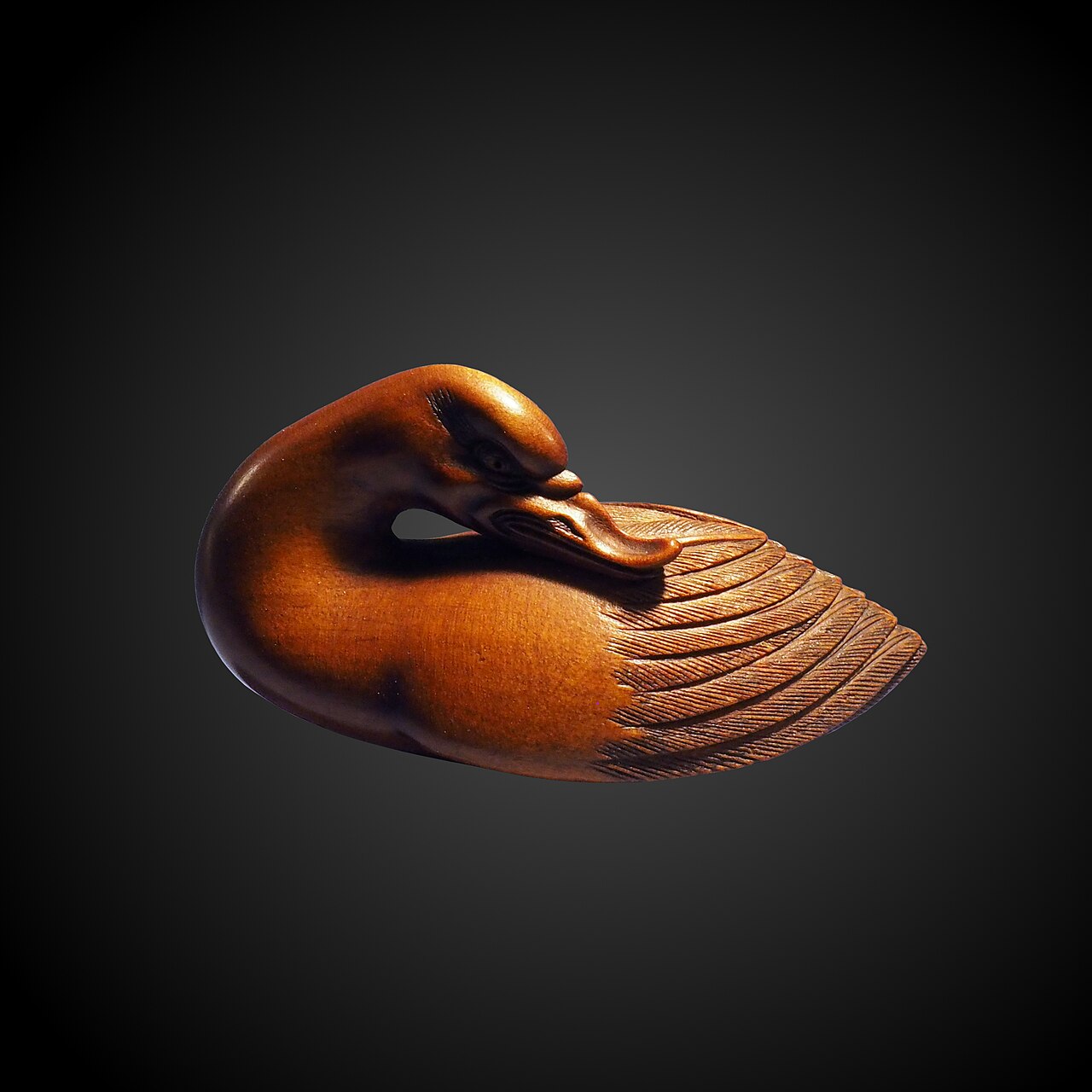
Ducks are not named in the Bible. The scriptural categories for waterfowl are general, and the dietary laws in Leviticus 11 and Deuteronomy 14 list birds by type rather than by modern species names, which is why no verse can be cited as a duck verse.
Christian folk symbolism filled that gap later. In European Christian reading, the duck became a modest emblem of providence: a creature fed without storehouses, echoing the Gospel passage about birds that neither sow nor reap. The duck’s movement through water also attracted baptismal associations in regional art, where water passage stands for cleansing and renewal.
In Christian interpretation of a duck crossing your path, the common reading is reassurance rather than instruction: a reminder that provision continues through a change you did not choose. Believers who look for scriptural grounding usually attach it to those general passages about birds, not to a specific duck reference, since none exists.
Celtic and European Duck Symbolism
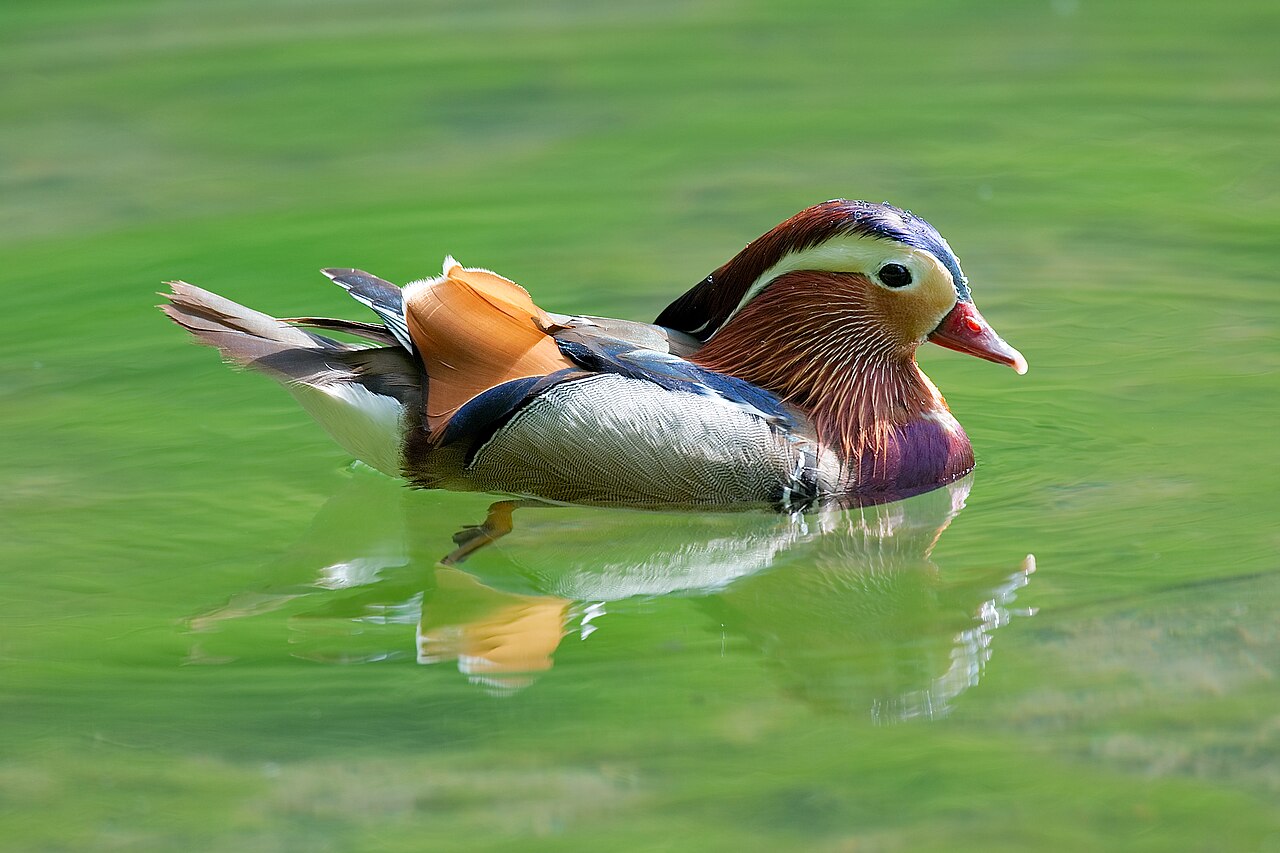
Celtic symbolism placed water birds at thresholds. Wells, springs, and river crossings were treated as openings to the otherworld, and ducks, as the birds most at home at those edges, were read as guides across them. Duck imagery appears on continental Celtic bronze work and on vessels tied to water ritual.
In Gaulish religion the goddess Sequana, associated with the source of the Seine, is depicted in a boat with a duck-headed prow, which is the clearest surviving link between a European deity and the bird. Votive offerings recovered from her sanctuary point to healing as the purpose of the visit, so the duck there belongs to a context of cure and safe passage.
Later European folk belief turned practical. Ducks were said to call before rain and to grow restless before a storm, which gave them a weather-prophet reputation in farming communities from Ireland to the Baltic. That is observation rather than theology, but it kept the bird in the category of creatures that know something first.
East Asian Duck Symbolism: Love and Fidelity
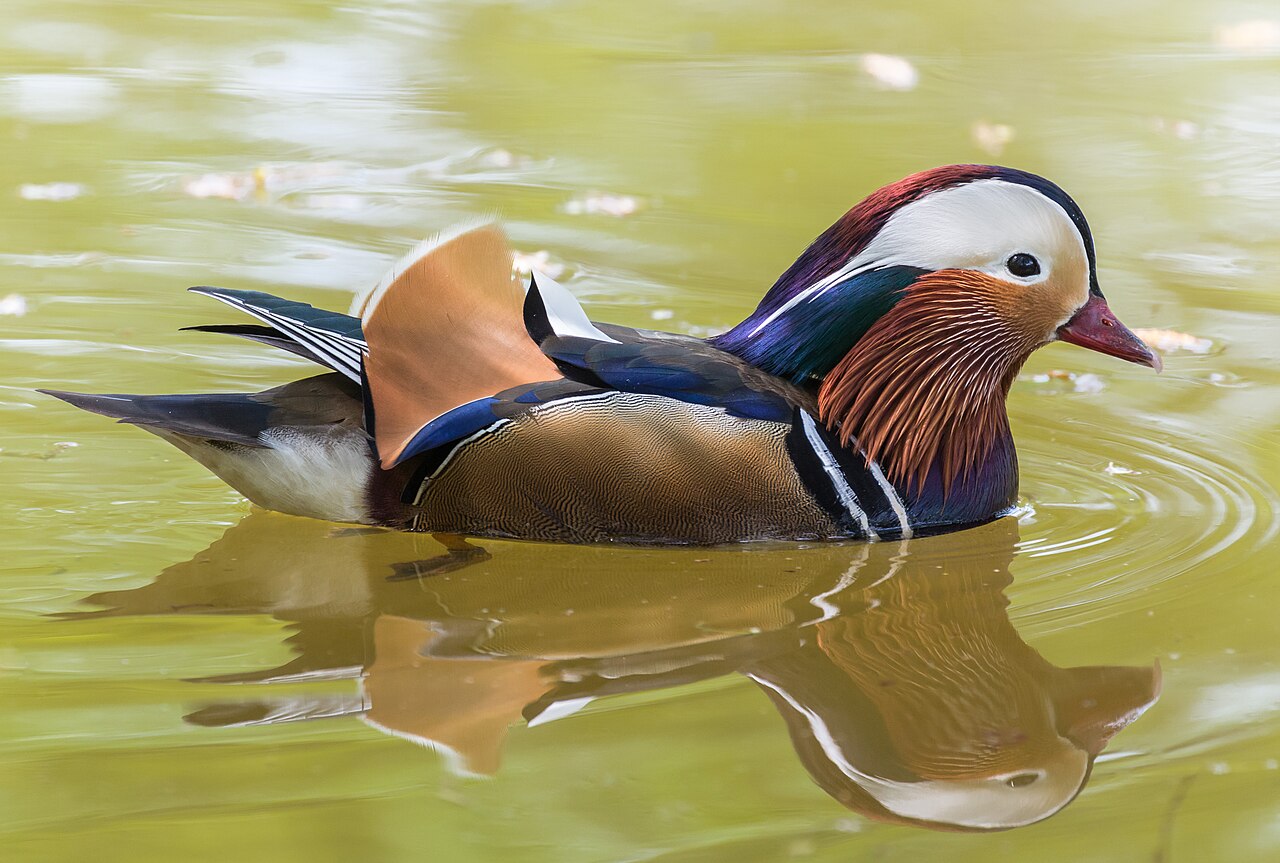
In Chinese tradition the mandarin duck (Aix galericulata) is the standard emblem of marital love. Pairs are given at weddings, embroidered on bedding, and placed in homes in twos, and the symbolism rests on the belief that the pair stays together. The birds actually re-pair in most seasons, but the emblem long outlived the biology.
Japanese usage follows a similar line, with the term oshidori fūfu describing a devoted couple as a pair of mandarin ducks. Korean wedding custom includes carved duck pairs presented to the bride’s family, kept together as a household object rather than displayed apart.
The practical point for anyone reading a sighting: in East Asian symbolism the number matters more than the species. One duck is a traveler, two ducks are a bond. That is also the origin of the widespread modern search for the meaning of seeing two ducks together.
Is a Duck a Good Omen?

A duck is generally considered a good omen. Unlike the crow or the owl, the duck carries almost no ominous folklore anywhere in the European or East Asian record, and the interpretations that exist cluster around comfort, fertility, and safe passage. When people ask whether a duck is a good omen, the honest answer is that the tradition is unusually consistent on the positive side.
The exception is context rather than species. A duck behaving strangely, a duck found injured, or a flock abandoning a familiar pond was read in rural folklore as a sign about the place, not about you. Compare that with the far more ambivalent record for blackbird symbolism, where the same sighting can be read two opposite ways.
Modern spiritual practice tends to treat the duck sighting as a prompt: a question about whether you are forcing something that would move on its own. That framing is recent, but it maps cleanly onto the older material.
What Does It Mean If a Duck Crosses Your Path?
A duck crossing your path is read as confirmation that a transition is already in motion and does not need to be pushed. The duck’s habit of walking deliberately across a road or trail, unbothered, is the whole basis of the reading: the bird is not fleeing and not hurrying.
Direction sometimes gets added to the interpretation. In some folk systems a bird moving from left to right signals a change being accepted, and right to left signals something being released. These refinements are regional and should be treated as optional rather than fixed.
If the duck crosses with young in tow, interpretations shift toward responsibility and household matters. Our piece on ducklings and their first weeks explains why a hen crosses open ground with a brood at all, which is the behavior the omen is built on.
Seeing a Duck in Your Garden, at Your Window, or at Night
A duck in the garden is the most domestic version of the omen, and it is read as peace, fertility, and the protection of the household. Practically, a yard duck means standing water or spilled grain nearby, which is worth knowing before you read too much into it.
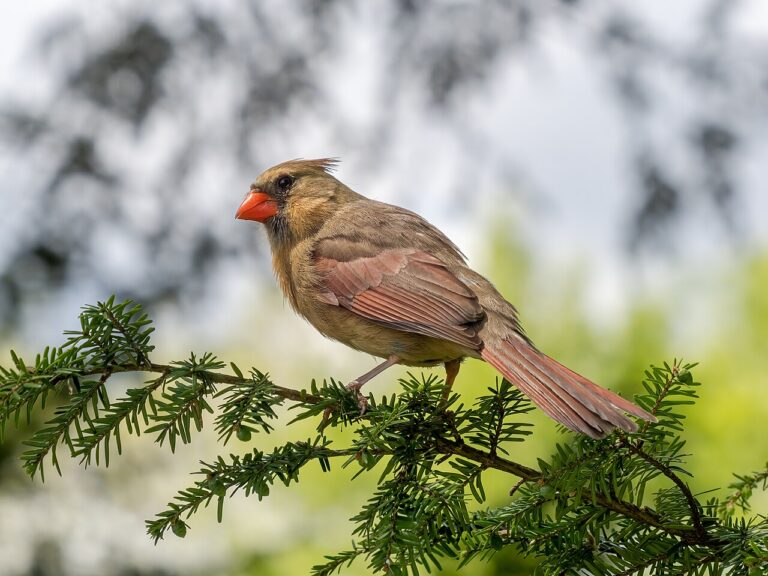
A duck at the window belongs to the broader bird-at-the-window tradition, where the bird is cast as a messenger. Because the duck carries family associations, the message is usually interpreted as news concerning relatives or home rather than career or money. The cardinal at a window is read as a visit from the dead in American folk belief, while the duck version is read as word arriving rather than someone returning.
Hearing ducks at night is the one situation with a consistently restless reading. Mallards do call after dark, especially on moonlit nights and during migration, so the sound is ordinary. The traditional interpretation is that something unresolved is surfacing, which is also a fair description of what being woken at two in the morning does to a person.
What Does It Mean to See the Same Duck Repeatedly?
Repeated sightings are interpreted as an unlearned lesson rather than a new message. The folk logic is simple: a sign that keeps arriving has not been acted on. In practice, this is also the easiest reading to over-apply, because ducks are strongly site-faithful and a resident bird will use the same pond edge for months.
When the repetition is genuinely unusual, interpretations center on patience. The duck does not fight current, and a recurring duck is read as a prompt to stop testing a situation that needs time. Where a symbol recurs this way, the parallel in general bird symbolism is the idea of a messenger who waits rather than one who warns.
A pair appearing repeatedly carries the East Asian love reading described above, and three or more is usually interpreted as community rather than romance.
Finding a Dead Duck: What It Means
A dead duck is read as the close of an emotional cycle, not as a prediction of death. Because the live duck symbolizes staying afloat, the dead one is interpreted as the end of a pattern of coping that has run out, which is a somber reading rather than a frightening one.
Folk practice in parts of Europe treated a dead water bird found at a well or spring as a sign the water had gone bad, a reading rooted in real risk rather than in the spirit world. Botulism and avian influenza both kill waterfowl in clusters, so several dead ducks in one place is a public health observation first. Reports of multiple dead wild birds should go to your state wildlife agency, and the U.S. Fish and Wildlife Service lists the relevant contacts.
Where a single dead duck is read symbolically, the standard interpretation is release. The duck symbolism of endings is read as a closed chapter: a way of coping that worked is no longer needed, and what replaces it has not arrived yet.
Duck Dreams and Their Meaning
In dream interpretation a duck on calm water is read as feelings under control, and a duck on rough water as feelings that are not. The water matters more than the bird, which is consistent across most dream traditions that mention waterfowl at all.
A duck flying in a dream is interpreted as escape or perspective, usually in the sense of rising above a situation rather than running from it. A duck diving is read as going after something hidden, often an answer the dreamer already suspects. A duck that cannot fly, or a wing that will not lift, is read as a limited ability to leave.
Ducklings in a dream are almost always interpreted as responsibility and protection rather than as the dreamer’s own vulnerability. Where the dream turns on being followed by them, interpretations lean toward obligation.
Duck Colors and Pairs: White, Black, and Two Ducks
Color adds a layer to the reading. A white duck is interpreted as purity, clarity, and fresh starts, and in practice most white ducks seen in a park are domestic Pekins rather than wild birds. A black duck is read as the hidden or the unconscious, in the same family as other dark-animal readings in folk tradition.
Two ducks together carry the strongest consistent meaning in modern searches: partnership, loyalty, and the promise of a bond that survives seasons. Two ducks in a love context is read as mutual choice rather than pursuit, which separates it from most courtship symbolism.
A duck alone on a large body of water is read as independence rather than loneliness in most sources, though a minority tradition treats it as isolation. This is one of the places where interpretations genuinely disagree, and it is worth noticing which reading you reached for first.
What Does a Duck Symbolize in Love?
In love symbolism the duck stands for steady companionship rather than passion. The mandarin duck pair is the clearest expression of that, and even outside East Asian tradition the duck reading in relationships tends toward partnership that handles change well.
The duck’s family behavior pushes the symbolism toward the domestic end of love: shared responsibility, a household that functions, children looked after. Couples who look for a wedding emblem with that meaning rather than a romantic one often land on ducks for exactly this reason.
Where the omen appears during a difficult stretch in a relationship, the standard interpretation is endurance rather than rescue. The duck does not fix the water it is sitting on.
Ducks in Mythology: Which Goddess Is Associated With Ducks?
The clearest answer is Sequana, the Gaulish goddess of the Seine’s source, shown standing in a duck-prowed boat. Her sanctuary produced hundreds of votive objects, and the duck is a fixed part of her iconography rather than an incidental detail.
Several other figures have partial associations. In Finnic creation narratives recorded in the Kalevala, a waterfowl lays the eggs from which the world forms, which makes the duck a creation bird in Baltic Finnic tradition. In Egyptian art the pintail duck appears as a hieroglyph and in offering scenes, and Aphrodite’s bird list in some Greek sources includes geese rather than ducks, so the duck link there is weak.
Looking for a single duck goddess overstates the record. What the material supports is that ducks were widely treated as water-boundary creatures and attached locally to whichever deity governed that water. For how a bird becomes a national emblem instead, see the spiritual meaning of the bald eagle.
Frequently Asked Questions
What do ducks symbolize?
Ducks symbolize adaptability, emotional resilience, family protection, and movement between the seen and the unseen. Because they live on water, land, and in the air, traditions across Europe, Asia, and North America cast them as creatures comfortable in transition, which is why duck sightings are usually read as reassurance during change.
What is the spiritual meaning of a white duck?
A white duck is read as clarity, purity, and a clean start, the brightest version of the duck’s general meaning. Worth knowing: most white ducks on American ponds are domestic Pekins released or escaped from farms, so the sighting usually has an ordinary explanation alongside the symbolic one.
What does it mean if I see a duck?
Seeing a duck is traditionally a positive sign that a transition is underway and does not need forcing. The specific meaning depends on the setting: in your yard it points to household peace, at a window to news arriving, and crossing your path to a change already in motion.
What does a duck represent spiritually?
Spiritually the duck represents emotional balance and the ability to stay composed while working hard beneath the surface. As a spirit animal it is associated with people who handle upheaval quietly, and as a totem it is linked to protection of family and to comfort in unfamiliar territory.
What is Lucifer’s thing with ducks?
Nothing in Christian or Jewish tradition connects Lucifer with ducks. The question comes from internet jokes and from a running gag in modern fiction, not from scripture or demonology. Ducks have no negative religious association in any major tradition, which is part of why the pairing reads as absurd.
Is a duck a good omen?
Yes, in nearly every tradition that mentions ducks. Readings cluster around fertility, protection, loyalty, and safe passage, and there is no widespread folklore treating a duck sighting as a warning. The only consistently somber case is finding a dead duck, which is read as an ending rather than a threat.