Blackbird Symbolism: What Seeing One Means, Luck and Omens
Seeing a blackbird traditionally means a change you have been avoiding is about to surface. Across European folklore the bird sits on the threshold between the known and the hidden, which is why blackbird symbolism reads as both warning and invitation: something buried is coming to light, and you are better off meeting it than waiting.
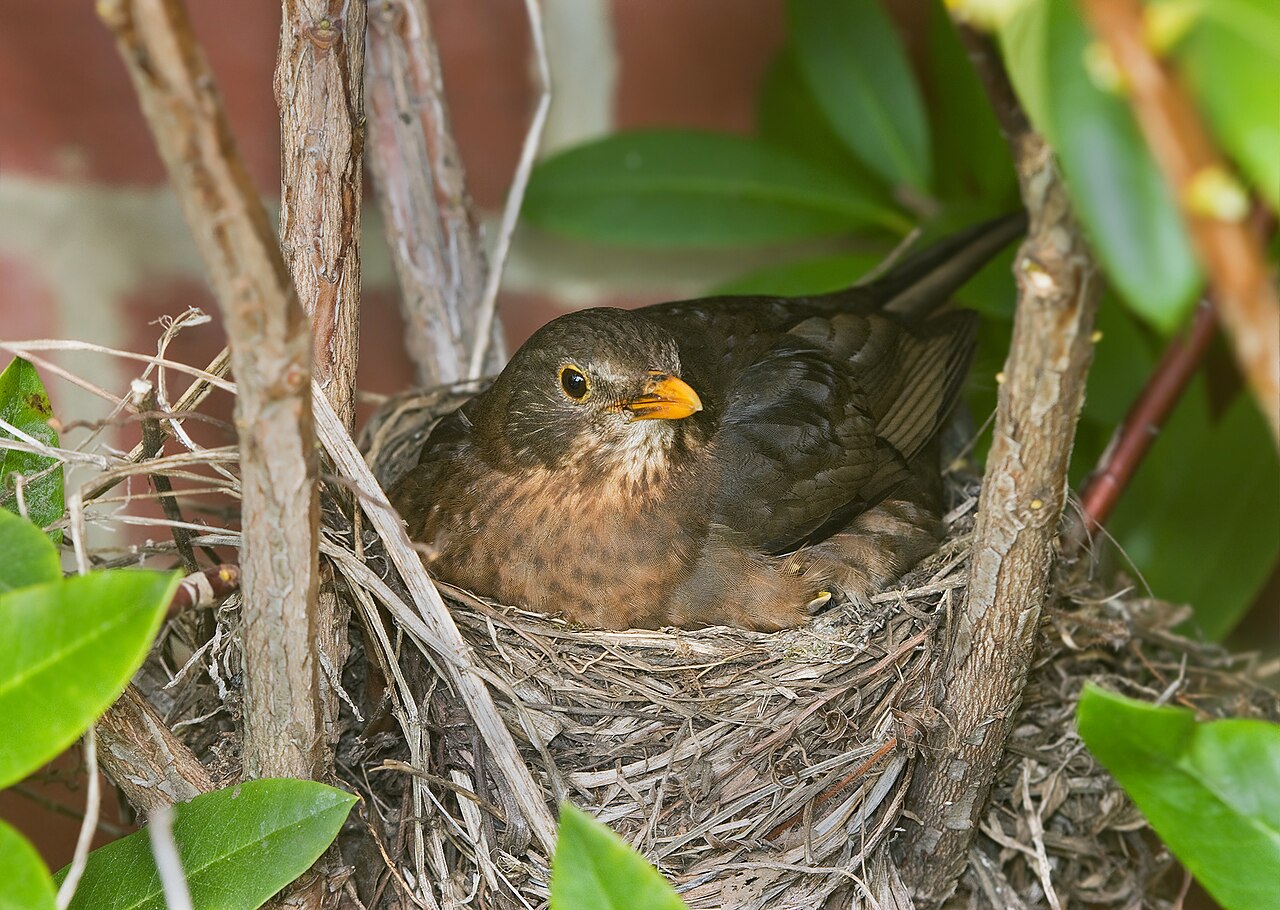
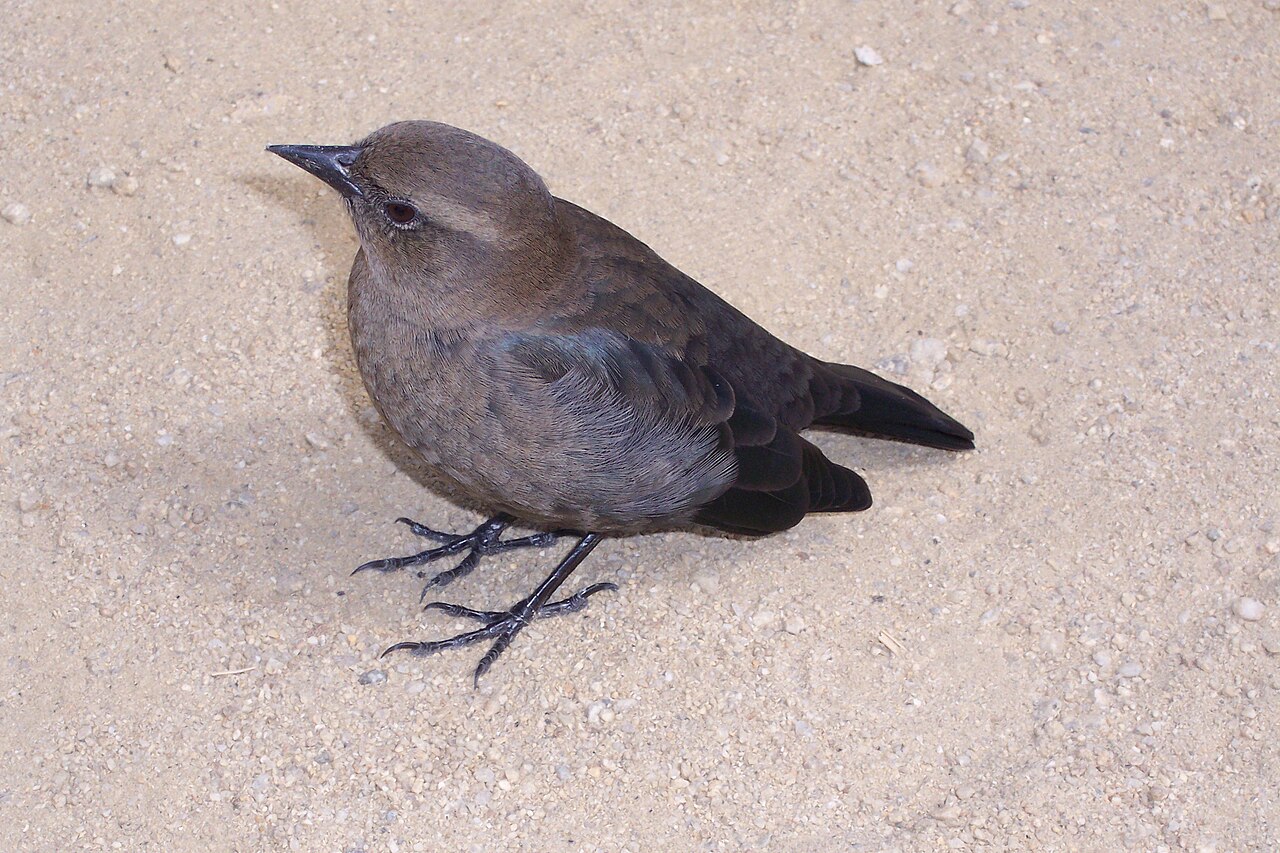
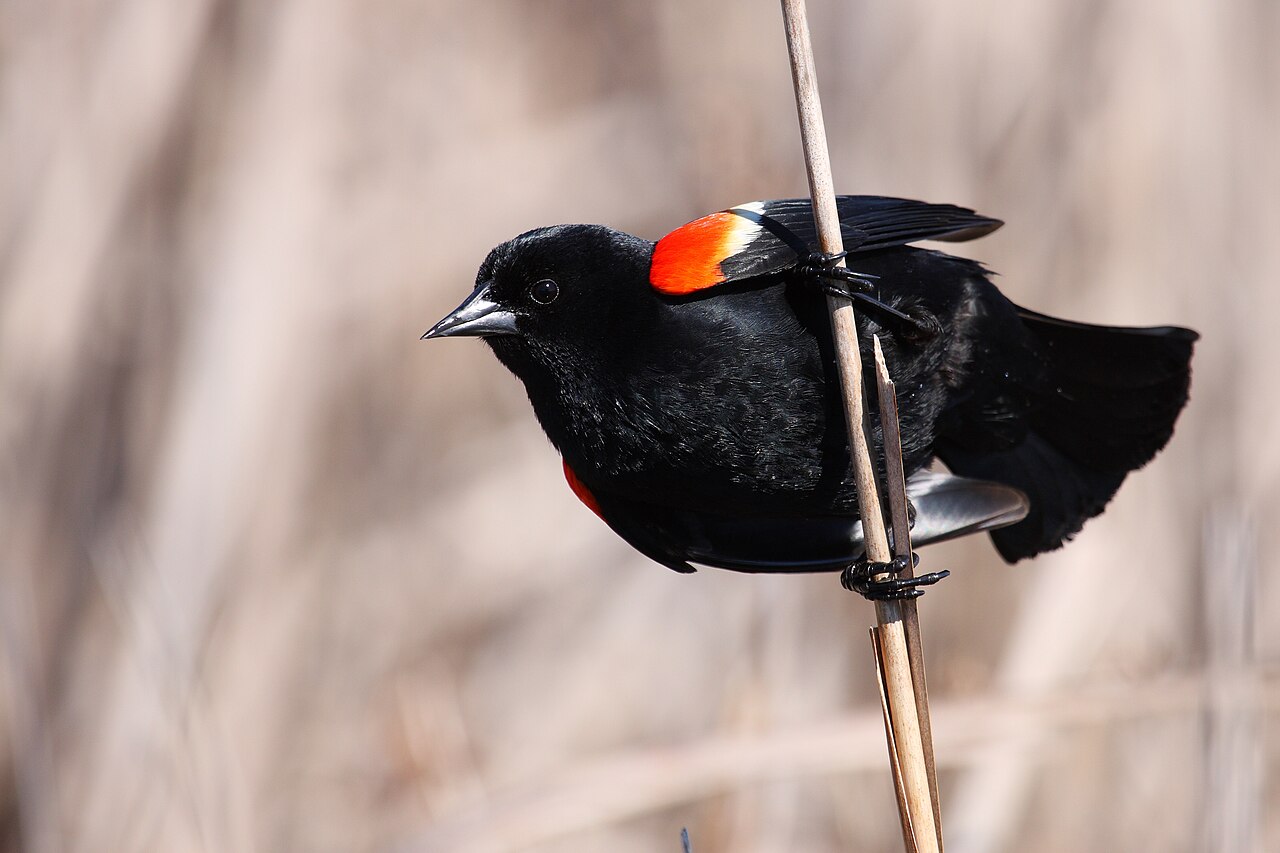
Two different birds carry the name in the US and in Britain, and that matters for interpretation. The common blackbird (Turdus merula) is a European thrush famous for its song, while American “blackbirds” are mostly icterids such as the red winged blackbird (Agelaius phoeniceus) and Brewer’s blackbird (Euphagus cyanocephalus), which gather in enormous flocks. Song lore belongs to the first bird, flock lore to the second.
Blackbird symbolism centers on transformation, hidden knowledge and the power of voice. Seeing one is commonly read as a message to face something you have pushed aside. In Celtic tradition the blackbird guides people to the otherworld, in Christian symbolism it has stood for temptation, and in modern readings it signals creative breakthrough rather than death.
What Does a Blackbird Mean Spiritually?
Spiritually the blackbird is a bird of thresholds. Its color links it to the unseen and to the inner life, while its song, delivered at dawn and dusk from a high perch, links it to voice and truth telling. The combination gives the standard reading: say the thing you have not been saying.
The second theme is transformation under pressure. Blackbirds thrive in disturbed ground, hedges, gardens and city parks, and symbolic writing leans on that adaptability as a lesson about making a home in unsettled conditions. Compared with the alarm attached to crow symbolism, the blackbird reads as quieter and more personal, a message about you rather than about the world.
Blackbird Symbolism by Situation
Interpretations shift with the circumstances of the sighting. These are traditional and modern folk readings, offered as beliefs rather than as facts.
| Where you see it | Common interpretation |
|---|---|
| Singing in the garden | Good fortune and a creative idea worth acting on |
| At the window or tapping glass | A message arriving; in older lore, news of family |
| Calling at night | Unfinished business or a secret surfacing |
| Appearing repeatedly | An insistent prompt to speak or to make a decision |
| A flock around the house | Read as community and protection, sometimes as upheaval |
| Found dead | The close of a chapter, not a death omen for a person |
| In a dream | Hidden feeling, buried memory, or your own suppressed voice |
What Do Blackbirds Mean Biblically?
The Bible never names the blackbird, so there is no direct scriptural meaning. What exists is interpretive tradition. Medieval Christian writers treated the bird’s black plumage and sweet song as a figure of temptation, with Gregory the Great recording a story in which a blackbird appears to Saint Benedict as a distraction to be driven off, and that episode is why the bird shows up in monastic art.
Later devotional readings are kinder and group the blackbird with the ravens fed by God in the Book of Job and the gospel line about sparrows, making it a sign of provision for the overlooked. Both readings exist side by side, and anyone presenting one as the biblical meaning is choosing. The same split shows up in dead bird symbolism, where the omen depends almost entirely on the teller.
Blackbird in Celtic Myth and British Folklore
Celtic tradition gives the blackbird its strongest mythic role. In Irish and Welsh material the bird is one of the oldest animals of the world, and the Blackbird of Cilgwri appears in the tale of Culhwch and Olwen as an ancient creature consulted about the past. Its song is described as otherworldly music that can draw a listener out of ordinary time, a motif it shares with the birds of Rhiannon.
In Irish legend the blackbird is tied to Saint Kevin of Glendalough, who is said to have held still while one nested in his open hand until the eggs hatched, a story told as a lesson in patience. British household lore is more superstitious: a blackbird nesting under your eaves was considered lucky, two blackbirds sitting together a sign of good news, and a blackbird entering a house an ill omen requiring the bird be let out through the same window.
Native American and East Asian Blackbird Meanings
North American traditions read the icterid blackbirds, not the European thrush, and the meanings are local rather than universal. In several Plains and Southwest accounts the red winged blackbird is connected with marshland, rainfall and the turn of the season, since the males return to the cattails weeks before spring is visible. Some Pueblo and Hopi material associates black birds with specific directions and colors within a larger ceremonial scheme, which is not a general omen system and should not be flattened into one.
East Asian symbolism has no blackbird tradition as such, but it has a strong black bird tradition. The three legged crow of Chinese and Japanese myth inhabits the sun and carries messages between heaven and rulers, and Japanese folklore treats the jungle crow as a divine messenger at shrines. Those readings transfer onto blackbirds loosely at best, in the same way blue jay symbolism borrowed from older corvid lore.
Blackbird as Spirit Animal, Totem and Omen: Is It Lucky to See One?
Yes, in most traditions seeing a blackbird is considered lucky, especially when it is singing. The bad reputation comes from a narrow slice of lore about birds entering houses and from the color itself rather than from the bird. The warning version of the omen says only that something concealed is surfacing, which folk readers treated as unwelcome and modern readers treat as useful.
In contemporary spirit animal practice, which is a recent framework rather than an inherited tradition, people with blackbird as a totem are described as observant, private and effective once they decide to speak. The blackbird totem is invoked for creative work, boundary setting and grief that needs a voice. Set against the plain reassurance of cardinal symbolism or the night associations of bat symbolism, the blackbird sits in the middle: not a comfort, not a threat, a prompt. Identification details and song recordings for both groups of birds are available from the Cornell Lab of Ornithology.
Frequently Asked Questions
What is the meaning behind black bird sightings?
A black bird sighting is generally read as a message about something hidden: a feeling, a truth or a decision you have postponed. Blackbirds specifically add voice and creativity to that reading, since the European blackbird is prized as a songbird rather than feared as a scavenger.
What is the warning of the black bird?
The traditional warning is secrecy giving way. Folk versions treat it as bad news arriving, often about family, and attach the strongest alarm to a bird that gets into the house. The modern reading keeps the mechanism and drops the dread: what is surfacing is yours to handle.
What does it mean when blackbirds are around your house?
Symbolically, blackbirds gathering at a house are read as protection and community, sometimes as coming upheaval. Practically it usually means food: spilled seed, fruit trees, a lawn full of grubs or an open compost heap. Large icterid flocks move through yards in autumn and winter as they migrate.
What do black birds symbolize in relation to death?
Dark birds became death emblems in Europe mainly through the raven and crow, which fed at battlefields. The blackbird inherited the association by color without the behavior, and most sources read a dead blackbird as the end of a phase in your own life rather than a forecast about a person.
What is the myth associated with blackbirds?
The best known is the Blackbird of Cilgwri from the Welsh tale of Culhwch and Olwen, one of the ancient animals asked to help find a lost child. Irish tradition adds Saint Kevin, who let a blackbird nest in his outstretched hand, and the birds of Rhiannon, whose song suspended time.