What Do Bluebirds Eat? Diet and How to Feed Them
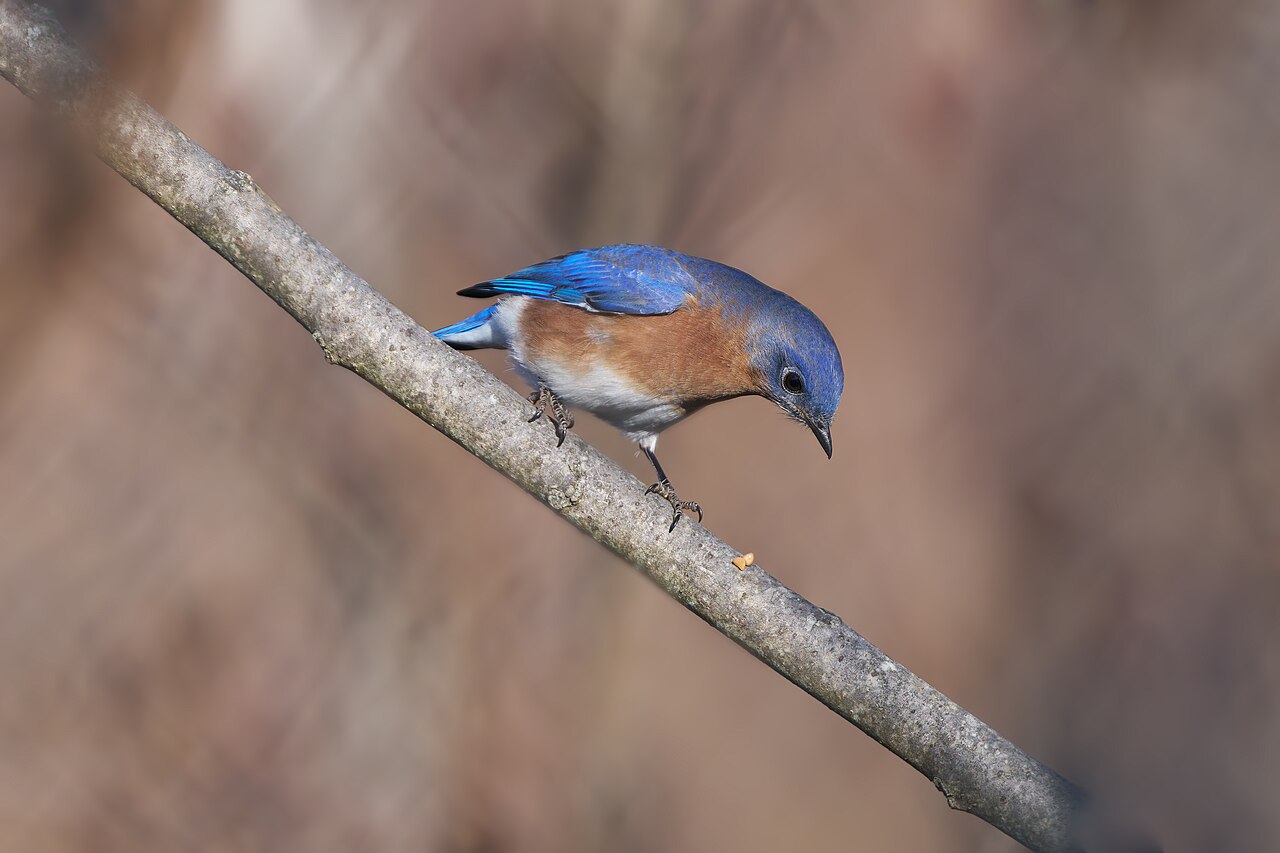
Bluebirds eat mostly insects in spring and summer and switch to berries and fruit in fall and winter. Their favorite foods are caterpillars, beetles, grasshoppers, crickets, and spiders, while cold-weather diets lean on wild berries like dogwood, holly, and sumac. Bluebirds do not eat birdseed, which is why they rarely visit seed feeders, but they love mealworms, the single best food for attracting them. This guide covers exactly what bluebirds eat by season, what to feed them, why they skip seed, and what baby bluebirds eat.
| Food | Examples | When |
|---|---|---|
| Insects | Caterpillars, beetles, crickets | Spring and summer |
| Spiders | Various small spiders | Warm months |
| Berries | Dogwood, holly, sumac, juniper | Fall and winter |
| Mealworms | Live or dried | Year round at feeders |
| Suet | Bits and blends | Cold weather |
What Do Bluebirds Eat?
Bluebirds have a diet that shifts dramatically with the seasons. Through spring and summer, they are primarily insect eaters, hunting caterpillars, beetles, grasshoppers, crickets, and spiders, which they usually spot from a perch and drop down to catch on the ground. This protein-rich diet fuels breeding and feeds their young. As insects become scarce in fall and winter, bluebirds shift to fruit, relying heavily on wild berries such as dogwood, holly, sumac, juniper, and wild grape to survive the cold months. According to the Cornell Lab of Ornithology, insects and other invertebrates make up the bulk of the bluebird’s warm-season diet, while fruit sustains them through winter. This flexibility is why bluebirds can remain in many areas year round. For the full profile, see our complete Eastern Bluebird guide.
Do Bluebirds Eat Birdseed?
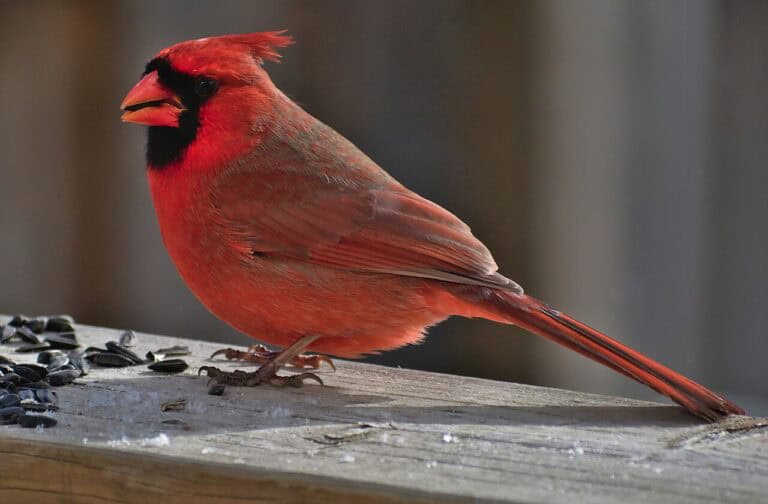
This is one of the most common questions, and the answer surprises many people: bluebirds generally do not eat birdseed. Unlike cardinals, finches, and sparrows, bluebirds are not seed eaters and are not equipped to crack hard seeds, so they will almost always ignore a standard seed feeder full of sunflower or mixed seed. This is exactly why people who fill seed feeders rarely attract bluebirds and wonder where they are. If you want bluebirds, the solution is not better seed but a completely different food, mealworms, along with fruit and suet. Understanding this single fact is the key to attracting bluebirds, and it sets them apart from the seed-loving birds covered in our guide to the best bird seed.
Mealworms: The Best Food for Bluebirds
If there is one food that attracts bluebirds, it is mealworms. Bluebirds find live mealworms nearly irresistible, and offering them is the most reliable way to draw bluebirds to a feeder and keep them coming back. Dried mealworms work too and are more convenient, though many bluebirds prefer live ones, especially at first, and dried worms are often more readily taken when softened in warm water. Serve mealworms in a shallow dish or a dedicated bluebird feeder with an open tray, placed in an open area where bluebirds can spot them. Offering mealworms during the nesting season is especially valuable, since it helps parents feed their hungry broods. This mealworm strategy is the heart of attracting bluebirds, far more effective than any seed.
Berries and Fruit Bluebirds Love
Fruit is essential to bluebirds in the colder months, so planting berry-producing native plants is one of the best long-term ways to support them. Bluebirds are drawn to dogwood, holly, sumac, eastern red cedar and juniper, serviceberry, wild grape, and pokeweed, among others, and a yard with these plants can feed bluebirds naturally through fall and winter. At feeders, you can also offer chopped fruit such as raisins soaked in water, blueberries, or currants, which bluebirds will sometimes take. Providing natural fruit sources not only feeds bluebirds but also gives them a reason to stay in your area year round. For more on gardening for birds, see our guide to plants that attract birds.
How to Attract Bluebirds With Food and Water
Bringing bluebirds to your yard comes down to offering the right food and a few key features. Start with mealworms in an open tray feeder, add fruit and berry plants for the colder months, and consider offering suet in winter, which bluebirds will eat for extra fat. Just as important is water, since bluebirds are strongly attracted to it and a birdbath, especially one with moving or dripping water, can draw bluebirds even where feeders do not. Provide open, short-grass space where they can hunt, along with perches like fences or low branches. Pair this with a proper nest box, covered in our guide to the eastern bluebird nest box, and you create a complete, bluebird-friendly yard, much as described in our guide on attracting birds to your feeder.
What Do Baby Bluebirds Eat?
Baby bluebirds eat an almost entirely insect diet, which is why a healthy insect supply matters so much during nesting. The parents feed nestlings a steady stream of soft-bodied insects, especially caterpillars, along with other bugs and spiders, since the protein is vital for the young birds’ rapid growth. This is very different from seed-eating birds and is a big reason bluebirds need pesticide-free yards with plenty of insects to raise a family. If you offer mealworms during the breeding season, parents will readily carry them to the nest, giving the chicks an extra protein boost. Understanding this insect-based diet for the young underscores why a bluebird-friendly yard is one rich in natural insect life, not just feeders.
Do Bluebirds Eat Suet?
Yes, bluebirds will eat suet, and it can be a valuable food especially in cold weather. Because suet is packed with fat and energy, it helps bluebirds get through winter when insects are gone and berries may be scarce, and blends that include insects, mealworms, or fruit are particularly appealing to them. Offer suet in a way bluebirds can use easily, such as in bits on a tray or in a feeder they can reach without needing to cling like a woodpecker. While mealworms remain the top draw, adding suet in winter gives bluebirds an extra reliable food source during the hardest months. Combined with fruit and water, it rounds out a cold-season menu that keeps bluebirds healthy and coming back, complementing the fatty foods covered in our feeder guide.
Bluebird Feeding Through the Year
A bluebird’s menu changes so much by season that it helps to think of the year in parts. In spring and summer, insects rule, and bluebirds spend their days hunting caterpillars, beetles, and grasshoppers to fuel breeding and feed their young. In fall, they begin shifting toward fruit as insects wane, taking advantage of ripening berries. In winter, fruit and any available insects sustain them, and this is when feeder offerings of mealworms, suet, and softened fruit matter most. Understanding this seasonal rhythm lets you support bluebirds year round, emphasizing insects and mealworms in the warm months and fruit, suet, and mealworms in the cold ones. Providing the right food at the right time, alongside a nest box, keeps bluebirds thriving in your yard.
Can You Feed Bluebirds Year Round?
Yes, you can feed bluebirds in every season, and doing so helps them while giving you reliable sightings. In the warm months, offering mealworms supplements their insect hunting and is especially welcome when parents are feeding hungry young. In fall and winter, mealworms, suet, and softened fruit fill the gap left by vanished insects and scarce berries. The key is to match your offerings to the season and keep them consistent, since bluebirds come to depend on a reliable food source. Year-round feeding, paired with water and a nest box, can turn a yard into permanent bluebird habitat where the same birds and their offspring return again and again.
Frequently Asked Questions
What do bluebirds eat?
Mostly insects like caterpillars, beetles, crickets, and spiders in spring and summer, and berries and fruit such as dogwood, holly, and sumac in fall and winter. They also love mealworms.
Do bluebirds eat birdseed?
Generally no. Bluebirds are not seed eaters and rarely visit seed feeders. To attract them, offer mealworms, fruit, and suet instead of seed.
What is the best food to attract bluebirds?
Mealworms, live or dried, are by far the best food for attracting bluebirds. Offer them in a shallow dish or open tray feeder in an open area.
Do bluebirds eat mealworms?
Yes, bluebirds love mealworms and find live ones nearly irresistible. Dried mealworms work too, especially softened in warm water, and are more convenient.
What berries do bluebirds eat?
Bluebirds eat dogwood, holly, sumac, juniper and red cedar, serviceberry, wild grape, and pokeweed berries, relying on fruit heavily in fall and winter.
What do baby bluebirds eat?
Baby bluebirds eat an almost entirely insect diet, especially soft caterpillars and other bugs, which provide the protein they need to grow quickly.
How do I attract bluebirds to my yard?
Offer mealworms in an open tray, plant berry-producing natives, provide water, especially moving water, keep open hunting space, and put up a proper nest box.