Birds That Eat Slugs: Which Ones Actually Help
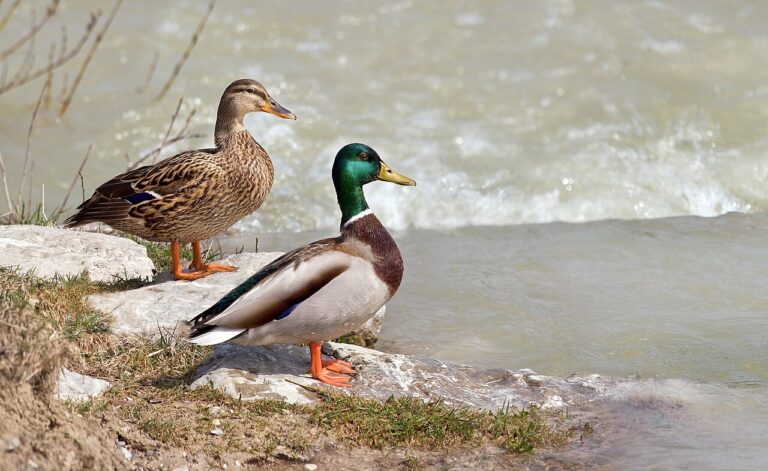
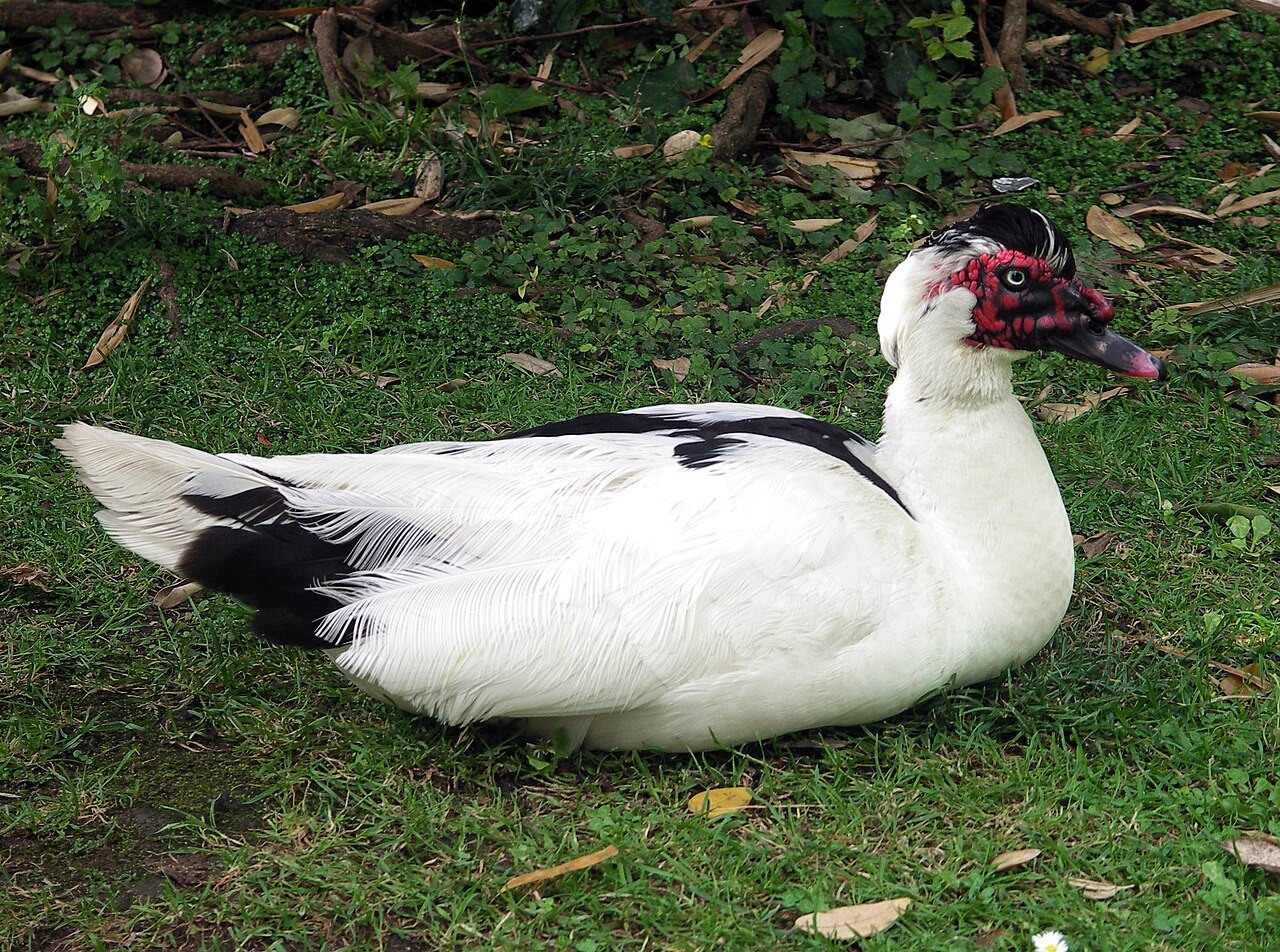
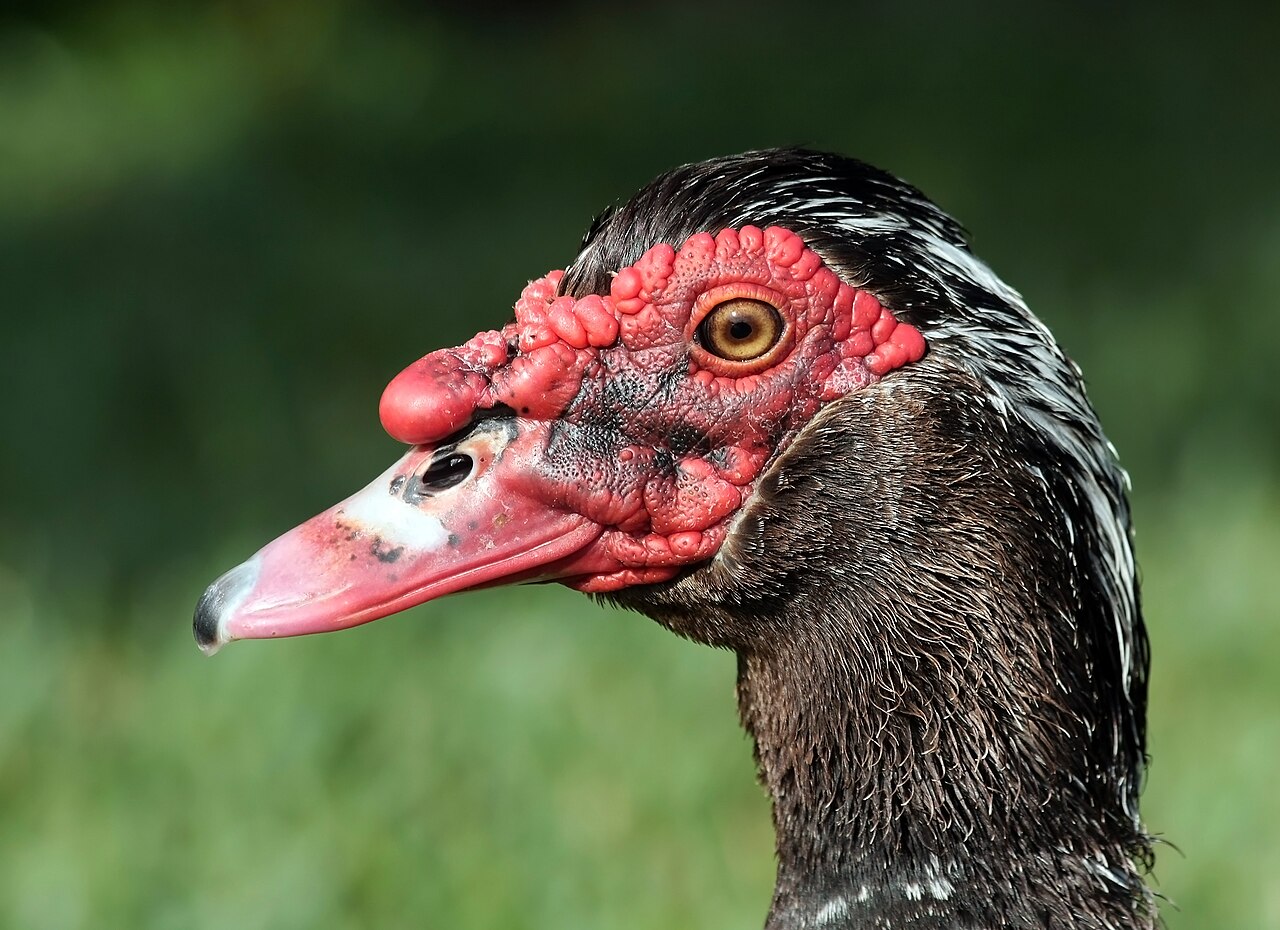
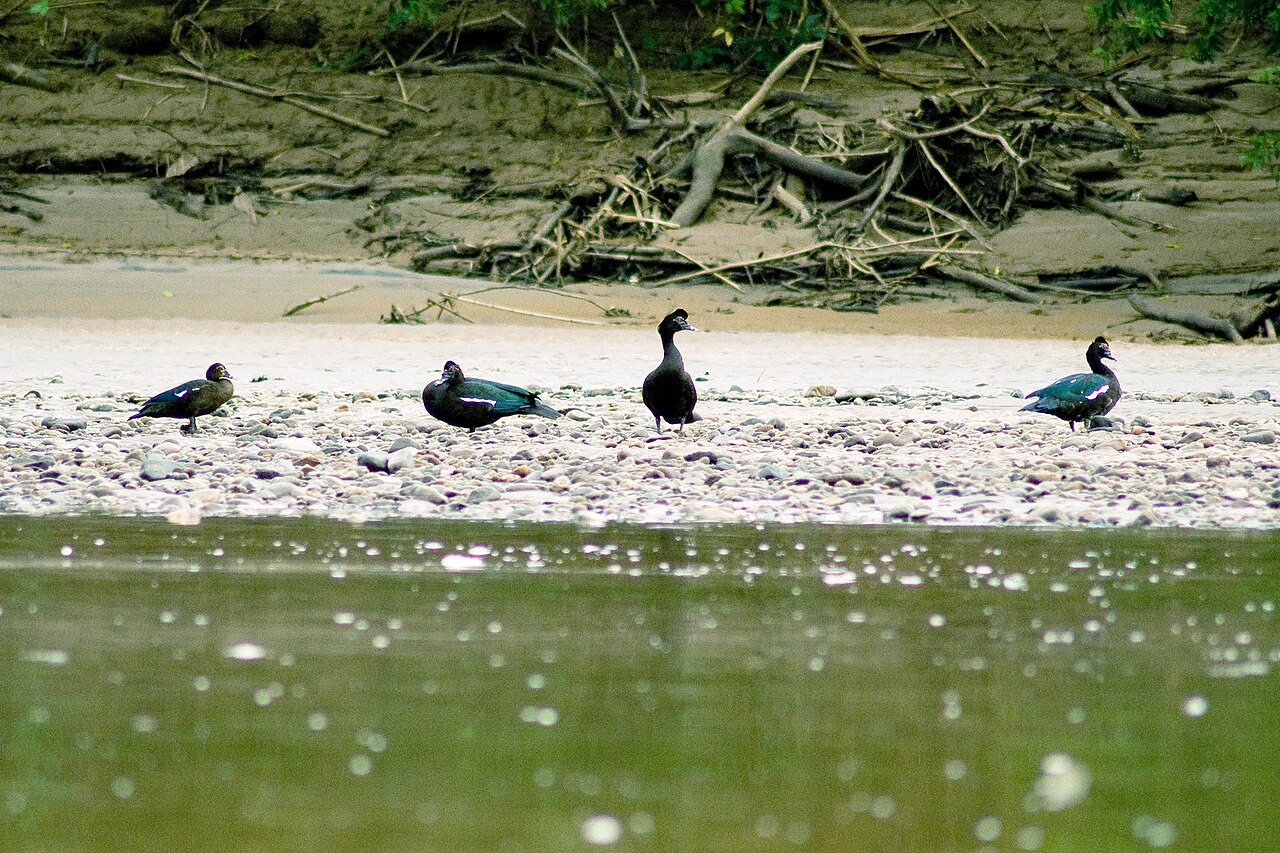
The birds that eat slugs include ducks, chickens, robins, thrushes, blackbirds, starlings, crows, jays, magpies, grackles, killdeer, and wild turkeys. Ducks are by far the most effective in a garden, and Indian Runner and Muscovy ducks are used deliberately for slug control in Europe and North America because they hunt them systematically and do far less damage to plants than chickens.
Slugs are not a favourite food for most birds. They are covered in thick mucus that fouls a bird’s bill and feathers, many species are distasteful, and a bird that swallows one risks a load of parasites. Birds that eat them regularly have techniques for dealing with the slime, which is why some species take them constantly and others never do. This guide covers which birds help, how they handle the mucus, what else eats slugs, and what actually works.
Ducks, chickens, robins, thrushes, blackbirds, starlings, crows, jays, and killdeer all eat slugs, with ducks the most effective for garden control. Most birds wipe slugs on grass or dip them in water first to remove the mucus. Ground beetles and slug-eating nematodes control slugs more reliably than birds alone.
| Predator | Effectiveness |
|---|---|
| Ducks (Runner, Muscovy) | Best garden control; little plant damage |
| Chickens | Eat slugs but scratch up beds |
| Robins and thrushes | Steady predation; wipe off mucus first |
| Blackbirds and starlings | Work lawns and mulch heavily |
| Crows, jays, magpies | Opportunistic, take large slugs |
| Ground beetles | Most effective non-bird predator |
| Slug-eating nematodes | Reliable biological control |
What Birds Eat Slugs?
Ducks lead by a wide distance. Indian Runner ducks in particular are used deliberately in vegetable gardens and orchards because they hunt slugs methodically, cover ground steadily, and lack the scratching habit that makes chickens destructive. Muscovy ducks, Khaki Campbells, and Call ducks all work similarly.
Among wild birds, ground-foraging species do most of the work. American robins, thrushes, blackbirds, starlings, and grackles all take slugs from lawns and mulch, particularly at dawn and after rain when slugs are still exposed. Crows, jays, and magpies take large slugs opportunistically, and killdeer and wild turkeys take them while working open ground.
Chickens eat slugs happily but come with a cost, since they scratch beds apart and eat seedlings alongside the pests. Guinea fowl are less destructive but less interested in slugs than in insects. The guide to birds that eat grasshoppers covers the same open-ground foraging community.
How Do Birds Deal With the Slime?
By processing the slug before swallowing it. The standard technique is to grab a slug, carry it to short grass or bare soil, and wipe it repeatedly back and forth, which strips off much of the mucus coat. Robins and thrushes do this so consistently that the behaviour is easy to watch on any lawn.
Some birds go further and dip slugs in water or in dew, and gulls and crows have been recorded washing prey. Thrushes use an anvil technique for snails, smashing shells against a favoured stone repeatedly, and a stone surrounded by broken shell fragments in a garden is a song thrush anvil.
The mucus is a genuine defence rather than an inconvenience. It is thick, adhesive, and difficult to remove, and it can gum up a small bird’s bill and contaminate feathers, which is why many songbirds simply avoid slugs and take earthworms and insects instead. Larger, sturdier-billed birds have less trouble.
Why Don’t More Birds Eat Slugs?
Taste and parasites are the two main reasons beyond the mucus. Many slug species are unpalatable, and some produce distasteful or irritating secretions when attacked, which teaches a bird to leave them alone after one attempt. Brightly marked slugs in some regions are advertising exactly that.
Parasite load is the more consequential factor. Slugs are intermediate hosts for a range of parasites including gapeworm and several nematodes, and birds that eat them regularly carry higher parasite burdens. This matters most for poultry, where slug-borne gapeworm causes visible respiratory distress in young birds.
Nutritionally slugs are also unimpressive compared with the alternatives. An earthworm delivers more usable protein for less handling effort, and a beetle or caterpillar more still. Where earthworms are available, most birds take them first, which is why slug predation rises during dry spells when worms are deep.
What Are Slugs’ Main Predators?
Ground beetles do more than anything else. Several species, particularly the large violet ground beetle and members of the genus Carabus, hunt slugs and slug eggs at night and are present in almost any garden with cover, leaf litter, and no insecticide use. Their larvae are equally predatory.
Among vertebrates, hedgehogs in Europe, and in North America toads, frogs, salamanders, snakes, shrews, and opossums all take slugs. Toads in particular eat large numbers and are worth encouraging with damp shady shelter. Slow worms in Europe are near-specialists.
Two specialists deserve mention. Certain firefly larvae are dedicated snail and slug predators, injecting digestive enzymes into prey much larger than themselves, and marsh flies in the family Sciomyzidae parasitise slugs and snails almost exclusively. Both are common and both are invisible to most gardeners. The guide to birds that eat spiders covers the wider garden predator community.
How Do You Attract Slug Eating Birds?
Water and cover, in that order. Ground-foraging insectivores such as robins, thrushes, and blackbirds come to a shallow birdbath daily and will not visit a seed feeder at all, so a yard set up around feeders misses exactly the birds that eat slugs.
Leave some ground workable. Heavy landscape fabric, deep gravel, and thick bark mulch prevent ground-foraging birds from reaching anything, while open soil, short grass, leaf mulch, and lawn edges give them somewhere to hunt. A lawn kept slightly longer holds more invertebrates than a closely mown one.
Skip slug pellets. Metaldehyde is toxic to birds, mammals, and pets, and while iron phosphate products are far safer, the ones containing EDTA chelates can still harm invertebrates including the ground beetles doing the real work. A garden that poisons slugs also removes the predators that would have kept them down. The guide to birds that eat caterpillars covers the same habitat approach for another prey group.
Can Birds Control a Slug Problem?
Ducks can, wild birds cannot. A few runner ducks working a vegetable garden daily genuinely suppress slug numbers, and this is a well-established method in market gardening. Wild bird predation is useful background pressure but does not stop a slug population in a wet season.
The reason is reproductive output. A single slug can lay several hundred eggs across a year, eggs are laid in clusters in soil and under debris where birds cannot reach them, and populations rebuild fast after any reduction. Slugs also feed mostly at night and in wet conditions, when most birds are not hunting.
What works in combination is a layered approach: encourage ground beetles and toads by leaving cover and skipping pesticides, use slug-eating nematodes for a genuine biological control on beds that matter, hand-collect under boards in the morning, water in the morning rather than evening so the surface is dry at night, and use copper or wool barriers on the few plants worth defending.
Do Slugs Have Any Value?
Yes, and it is worth knowing before declaring war on all of them. Most slug species are decomposers rather than plant pests, feeding on dead leaves, fungi, dung, and rotting material, and they contribute meaningfully to breaking down organic matter and cycling nutrients in soil.
Only a minority damage living plants. In Britain, of around forty slug species, a handful cause almost all garden damage, and the same pattern holds in North America, where introduced species such as the grey field slug do most of the harm while many natives are harmless or beneficial. The large leopard slug is a predator of other slugs.
They are also a food source for everything listed above. A garden with no slugs supports fewer toads, ground beetles, and ground-foraging birds, and the aim of holding numbers down on a few vulnerable beds is more realistic and more useful than elimination. The guide to what snails eat covers the closely related molluscs.
Do Ducks Really Work in a Garden?
Yes, with conditions. Indian Runner ducks are the breed most often recommended because they stand upright, move quickly, and forage in a purposeful line across ground rather than milling about, and unlike chickens they do not scratch, so established plants and mulch survive their attention.
The limits are worth knowing before buying birds. Ducks trample seedlings, eat young lettuce and other soft leaves, need daily water they will foul, produce a lot of wet manure, and must be shut in securely at night against foxes and raccoons. Two or three birds suit a typical garden; more than that outpaces the slug supply and turns to plants.
The usual working method is supervised access rather than free run. Letting ducks into vegetable beds for an hour in the morning, when slugs are still near the surface, and keeping them out at other times gives most of the benefit with little of the damage. Once crops are established the risk drops and access can be extended.
Why Do Slugs Come Out at Night?
To avoid drying out. A slug has no shell and loses water rapidly through its skin, so daylight and dry air are lethal within hours, and the animal spends daytime in soil cracks, under stones, pots, boards, and mulch, emerging after dark and in wet weather.
Predator avoidance reinforces the pattern, since most of the birds that eat them hunt by day. This is why slug damage appears overnight with no culprit visible in the morning, and why the standard advice for identifying a slug problem is to go out with a torch after dark rather than searching in daylight.
Their movement leaves the diagnostic sign. The mucus trail dries to a silvery streak on soil, paving, and leaves, and ragged holes in the middle of a leaf plus silver trails identify slugs rather than caterpillars or earwigs, which leave no slime. University extension programmes such as Oregon State (oregonstate.edu) publish regional identification and control guidance. The cricket vs grasshopper guide covers other insects blamed for the same damage.
Frequently Asked Questions
What birds eat slugs?
Ducks above all, plus chickens, robins, thrushes, blackbirds, starlings, grackles, crows, jays, magpies, killdeer, and wild turkeys. Indian Runner and Muscovy ducks are used deliberately for garden slug control.
How do birds deal with slug slime?
They wipe the slug back and forth on short grass or bare soil to strip the mucus, and some dip it in water. Thrushes smash snail shells against a favoured stone called an anvil.
Why don’t more birds eat slugs?
The mucus fouls bills and feathers, many species taste bad, and slugs carry parasites including gapeworm. Earthworms deliver more protein for less handling effort, so most birds take those first.
What are slugs’ main predators?
Ground beetles do the most, along with toads, frogs, snakes, shrews, and opossums. Firefly larvae are dedicated snail and slug hunters, and marsh flies parasitise them almost exclusively.
Can birds control a slug problem?
Ducks can suppress numbers in a garden; wild birds cannot. Slugs lay hundreds of eggs in soil where birds cannot reach them and feed at night when most birds are not hunting.
Do slug pellets harm birds?
Metaldehyde is toxic to birds, mammals, and pets. Iron phosphate is far safer, though formulations with EDTA chelates can still harm the ground beetles that are the most effective slug predators.
Are slugs bad for the garden?
Only a minority of species are. Most are decomposers feeding on dead leaves, fungi, and rotting material, and the large leopard slug preys on other slugs. A handful of introduced species cause most damage.