Birds That Look Like Blue Jays: 8 Lookalikes
Several birds are mistaken for blue jays, including Steller’s jay, the blue grosbeak, the indigo bunting, the eastern bluebird, and the belted kingfisher, all of which share the blue jay’s blue coloring or crest. While the blue jay is familiar across the East, these blue lookalikes can cause confusion. This guide covers the birds most often confused with blue jays, how to tell them apart, other blue birds that are not blue jays, and crested birds that resemble them.
| Lookalike | Key Difference from Blue Jay |
|---|---|
| Steller’s Jay | Dark head, blue body, western |
| Blue Grosbeak | Small, deep blue, large bill |
| Indigo Bunting | Small, all deep blue, no crest |
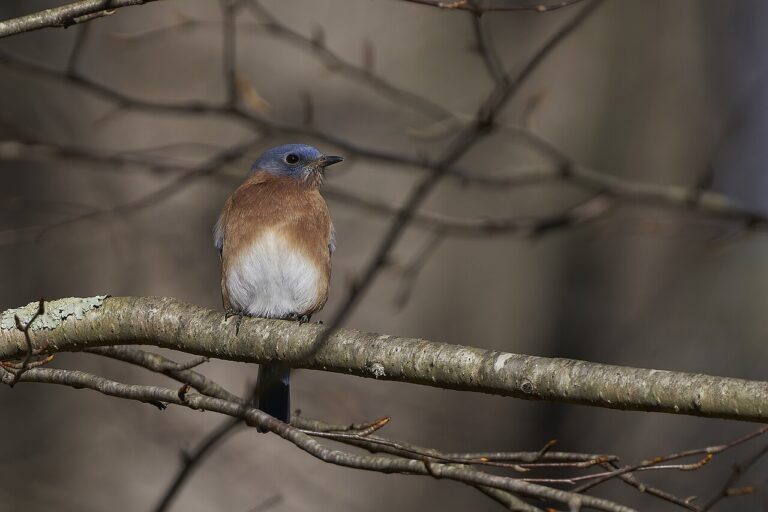
| Eastern Bluebird | Small, blue with rusty breast |
| Belted Kingfisher | Crested, blue-gray, by water |
| Scrub-Jay | Blue, no crest, brownish back |
| Mountain Bluebird | Small, sky blue, western |
| Tufted Titmouse | Crested but gray, not blue |
Birds Commonly Mistaken for Blue Jays
Several birds are commonly mistaken for the blue jay, usually because they are blue or have a crest. Steller’s jay is the western counterpart of the blue jay and the most similar, a crested jay, but it has a blackish head and forebody with a deep blue rear, unlike the blue jay’s all-blue-and-white pattern. The blue grosbeak is a smaller, deep blue bird with a large bill and chestnut wingbars, lacking a crest. The indigo bunting is a small, entirely deep blue bird with no crest, much tinier than a blue jay. The eastern bluebird is a small blue bird with a rusty breast, quite different in size and shape. The belted kingfisher has a shaggy crest and blue-gray coloring, which can suggest a blue jay at a glance, though it lives around water and has a huge bill. Learning these lookalikes helps sharpen your identification, as explored in our guide to the blue jay.
How to Tell Them Apart from Blue Jays
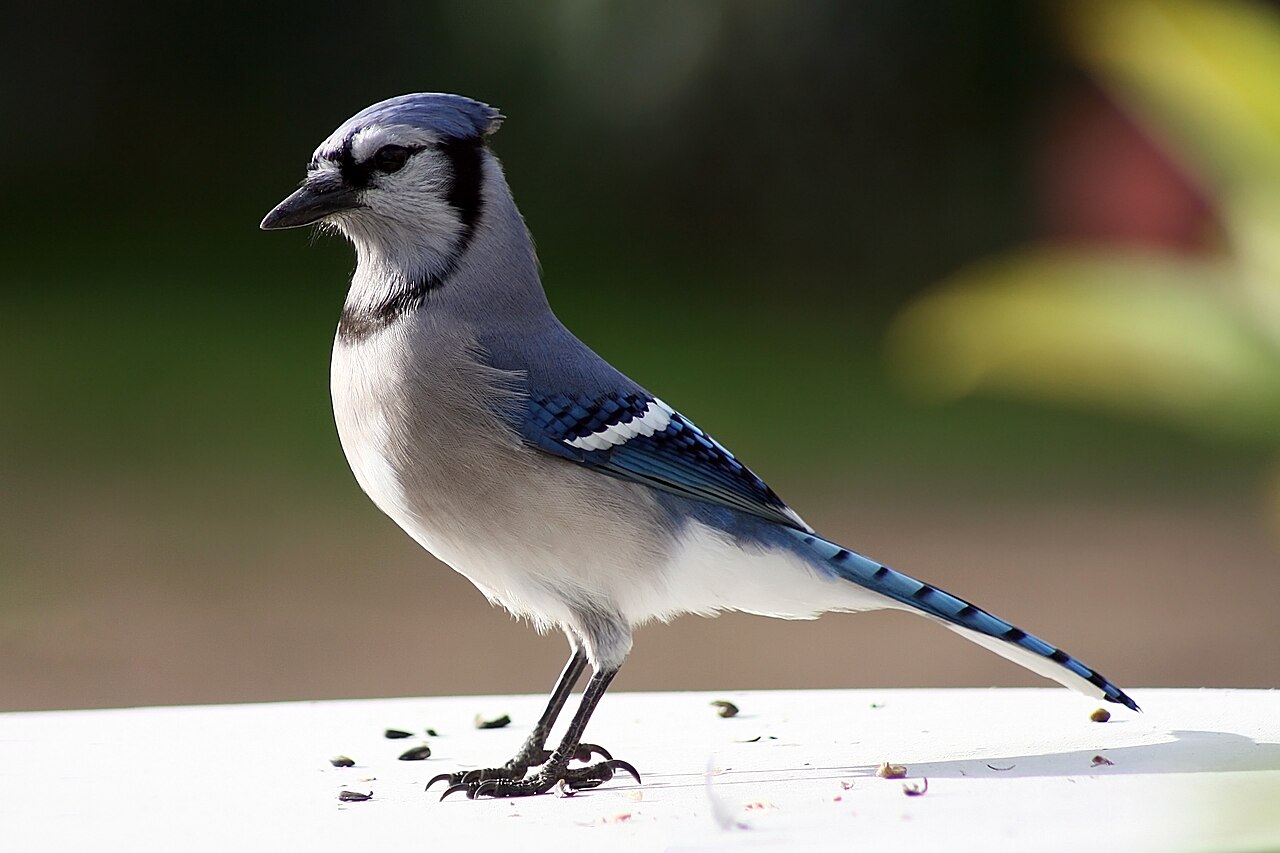
Telling blue jay lookalikes apart from the real thing comes down to a few features the blue jay always shows. The blue jay is a fairly large songbird with a prominent blue crest, a blue back and wings marked with black barring and white spots, a whitish face and underparts, and a black necklace across the throat, and this combination is distinctive in the East. When evaluating a blue bird, first consider size, since buntings and bluebirds are much smaller than a blue jay. Check for a crest, which the blue jay, Steller’s jay, and belted kingfisher have, but the grosbeak, bunting, bluebirds, and scrub-jays lack. Look at the pattern and habitat, as Steller’s jay has a dark head, the kingfisher is tied to water, and bluebirds show rusty or entirely sky-blue plumage. Range matters too, since Steller’s jay and scrub-jays are western. By checking size, the crest, the pattern, and the range together, you can reliably separate a true blue jay from its lookalikes, as detailed in our guide to blue jay symbolism.
Other Blue Birds That Are Not Blue Jays
Because blue jays are such familiar blue birds, people sometimes assume any blue bird is a blue jay, but there are several blue birds that are not. The eastern, western, and mountain bluebirds are small blue thrushes, with the eastern and western species showing rusty breasts and the mountain bluebird an all-over sky blue, as covered in our guide to the eastern bluebird. The indigo bunting and blue grosbeak are small blue seed-eaters, and the tropical-looking blue birds seen in some regions may be other species entirely. Even the belted kingfisher, though blue-gray rather than bright blue, is sometimes lumped in. The scrub-jays of the West are blue and jay-shaped but lack a crest. So when you see a blue bird, it is worth looking closely, since it may be one of these species rather than a blue jay. Recognizing the variety of blue birds enriches your birding and prevents misidentification, a theme echoed in our guide to seeing a blue jay.
Crested Birds That Resemble Blue Jays
Since the crest is one of the blue jay’s most noticeable features, crested birds are among those most often confused with it. Steller’s jay is the most similar, sharing both the crest and much blue coloring, and is essentially the blue jay’s western relative. The belted kingfisher has a shaggy, ragged crest and blue-gray upperparts, and although it is a very different bird tied to water, its crest and bluish tones can prompt a second look. The tufted titmouse is a small crested bird that is sometimes confused with a blue jay because of its pointed crest, even though it is gray rather than blue and much smaller. Even the northern cardinal, though red, shares the crested silhouette. Keeping the blue jay’s full combination of features in mind, its large size, blue-and-white plumage with black barring, and black necklace, helps you quickly rule out these other crested birds, sharpening your identification skills, as explored throughout our guide to bird symbolism.
Steller’s Jay, the Blue Jay’s Western Cousin
Of all the blue jay lookalikes, Steller’s jay is the most closely related and the most convincing. According to the Cornell Lab of Ornithology, Steller’s jay is a crested, dark and blue jay of western forests, essentially the western counterpart of the blue jay, and the two are close relatives. Steller’s jay shares the blue jay’s crest and much of its blue coloring, but it differs in having a blackish head, crest, and forebody that contrast with its deep blue rear and wings, giving it a darker, two-toned look compared to the blue jay’s blue-and-white pattern. The two species largely replace each other geographically, with the blue jay in the East and Steller’s jay in the West, though their ranges can meet in some areas, where they occasionally even hybridize. Recognizing that Steller’s jay is the blue jay’s western cousin helps explain their strong resemblance and makes it easier to tell them apart by pattern and range, as explored in our guide to the blue jay.
Why Blue Birds Cause Confusion
Blue birds cause identification confusion for a reason similar to red birds: bright blue is a striking and relatively uncommon color among birds, so people strongly associate it with the familiar blue jay. When a flash of blue appears, many observers assume it must be a blue jay, even though several other species wear blue plumage, from tiny indigo buntings and bluebirds to grosbeaks and other jays. Size is one of the most useful things to notice, since a blue jay is a large, robin-sized bird, while buntings and bluebirds are much smaller. The presence or absence of a crest, the exact pattern, the habitat, and the geographic range all help separate the true blue jay from its lookalikes. By training yourself to look beyond the blue color and check these structural and contextual clues, you can confidently distinguish blue jays from other blue birds, a valuable skill explored throughout our guide to blue jay symbolism.
Appreciating the Variety of Blue Birds
Learning the birds that look like blue jays opens up an appreciation for the surprising variety of blue birds in North America. From the large, bold blue jay and its western cousin Steller’s jay to the small, jewel-like indigo bunting and the gentle bluebirds, blue birds come in many sizes, shapes, and shades. Some, like the scrub-jays, are blue and jay-shaped but crestless, while others, like the belted kingfisher, wear blue-gray tones in a completely different form. Rather than lumping all blue birds together as blue jays, taking the time to notice their differences reveals a rich diversity worth knowing. Each species has its own habitat, behavior, and range, and being able to tell them apart makes birdwatching more rewarding. So the next time a flash of blue catches your eye, look closely, since it may be one of these other beautiful blue birds, each explored across our guides including the eastern bluebird.
Related reading: types of jays, female indigo bunting identification.
Related reading: what do blue jays eat.
Frequently Asked Questions
What birds look like blue jays?
Steller’s jay, the blue grosbeak, the indigo bunting, the eastern bluebird, and the belted kingfisher are commonly mistaken for blue jays, along with scrub-jays in the West.
What is the difference between a blue jay and a Steller’s jay?
Steller’s jay has a blackish head and forebody with a deep blue rear, while the blue jay is blue and white with black barring and a black necklace. Steller’s jay is western.
What small blue bird looks like a blue jay?
The indigo bunting and the eastern bluebird are small blue birds sometimes mistaken for blue jays, but both are much smaller and lack the blue jay’s crest and bold pattern.
Are there blue jays in the western United States?
Blue jays are mainly eastern, though expanding westward. In the West, similar blue, crested Steller’s jays and crestless scrub-jays are more likely than true blue jays.
What blue bird has a crest like a blue jay?
Steller’s jay and the belted kingfisher both have crests and bluish coloring. Steller’s jay is the most similar, essentially the blue jay’s western relative.
Is every blue bird a blue jay?
No, many blue birds are not blue jays, including bluebirds, indigo buntings, blue grosbeaks, and scrub-jays. Blue jays are large, boldly patterned, and crested.
How do you identify a true blue jay?
A true blue jay is a large, crested songbird with blue upperparts barred with black and spotted white, a whitish face and underparts, and a black necklace across the throat.