Birds That Look Like Hummingbirds (It’s Usually a Moth)
The small hovering creature you spotted at your flowers is often not a bird at all, but a hummingbird moth, a day-flying sphinx moth that hovers, darts, and sips nectar exactly like a tiny hummingbird. This is one of nature’s most convincing cases of mistaken identity, and most people who search for birds that look like hummingbirds have actually seen an insect. A few real birds and other insects can also cause the confusion, but the hummingbird moth is the usual culprit. This guide explains the moths and bugs most often mistaken for hummingbirds, the handful of tiny birds that can fool you, and the simple tricks to tell a real hummingbird from its impostors so you always know what is visiting your garden.
| Look-alike | What it really is | Key tell |
|---|---|---|
| Hummingbird moth | A day-flying sphinx moth | Antennae, furry body, curled tongue |
| Carpenter bee | A large bee | Much smaller, buzzing, no hovering sip |
| Ruby-crowned kinglet | A tiny songbird | Perches and flits, does not hover to feed |
| Verdin | A small desert songbird | Yellow head, gleans insects, no long bill |
The usual answer: a hummingbird moth
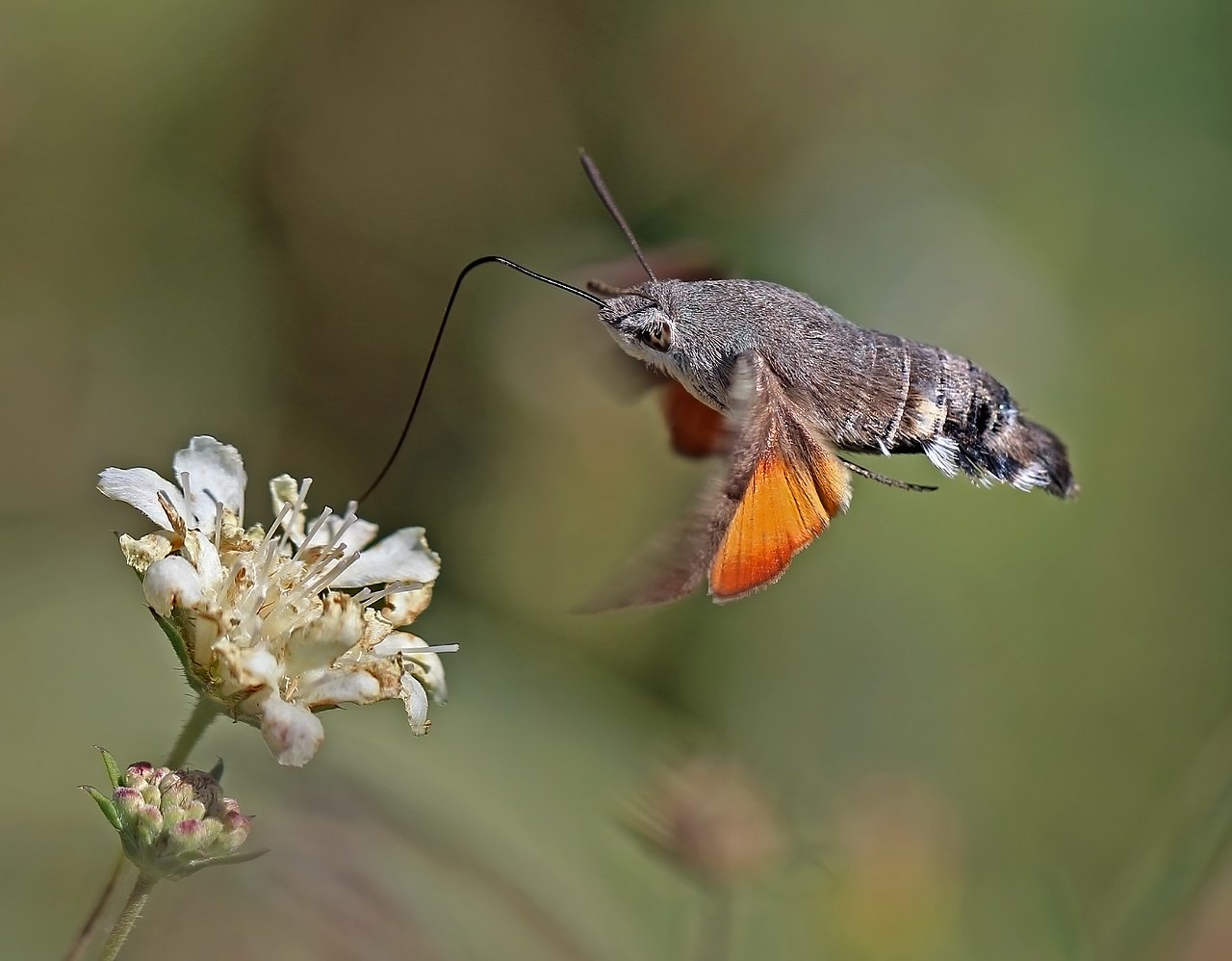
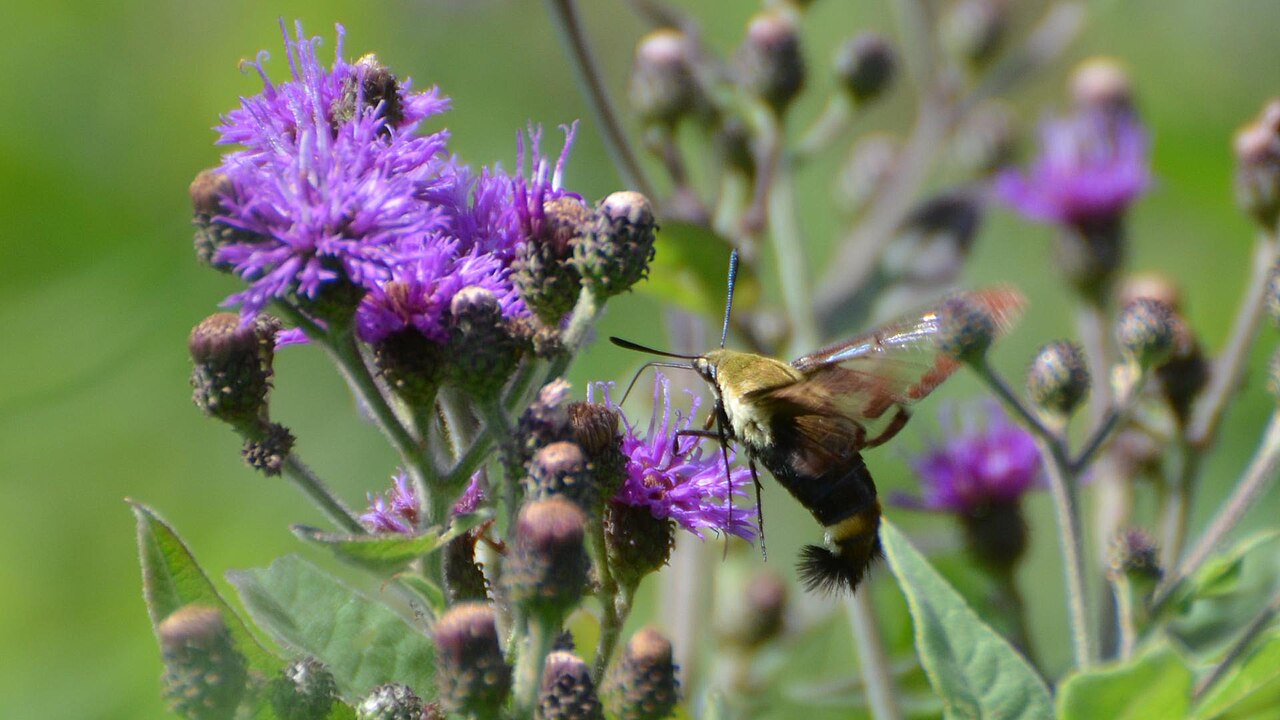
By far the most common hummingbird look-alike is the hummingbird moth, members of the genus Hemaris and the broader sphinx moth family. These remarkable insects fly by day, hover in front of blossoms, and drink nectar through a long tongue that unrolls like a straw, producing a hovering flight and audible hum that mimic a hummingbird almost perfectly. Some, like the Hummingbird Clearwing, even have partly transparent wings and a plump, fuzzy body banded in olive and burgundy.
People routinely watch one work a flower bed and swear they have seen the smallest hummingbird ever, when in fact it is an insect the size of a thumb tip. Hummingbird moths are harmless, beneficial pollinators and a delight to have in the garden, so a sighting is good news even if it is not the bird you expected. If you do want the real thing, our guide on how to attract hummingbirds shows how.
How to tell a hummingbird moth from a hummingbird
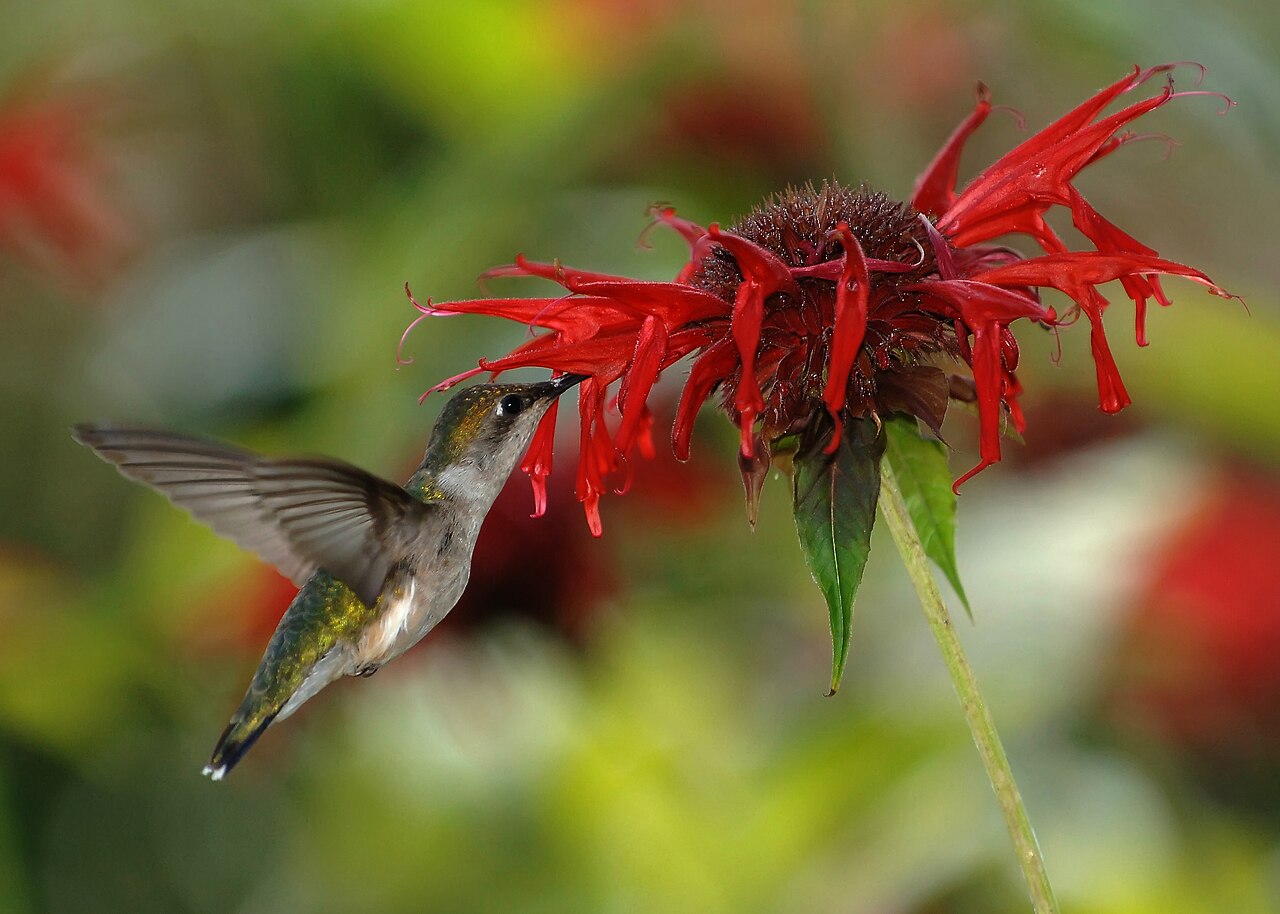
Three features give the moth away. First, the antennae: moths have obvious antennae projecting from the head, while hummingbirds have none. Second, the body: a hummingbird moth is furry and insect-shaped, with six legs it often dangles, whereas a hummingbird has smooth feathers and tucks its tiny feet away. Third, the mouth: the moth feeds with a long coiled proboscis that it unfurls into flowers, while a hummingbird has a needle-like bill.
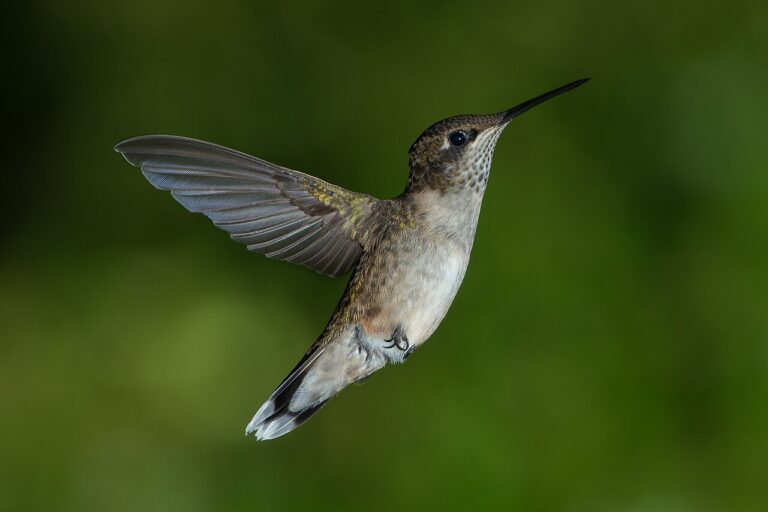
Size and behavior help too. Hummingbird moths are generally smaller than even the tiniest hummingbird, and they tend to hover lower and closer to individual blooms. If you can get a clear look and see antennae and a fuzzy body, you have a moth. If you see a slender bill, iridescent feathers, and a bird that zips away and perches on a twig, it is a true hummingbird. Learn the real birds in our types of hummingbirds guide.
Other insects mistaken for hummingbirds
A few other insects trigger the same double-take. Large carpenter bees and bumblebees can hover briefly at flowers and, to a quick glance, resemble a tiny hovering bird, though they are far smaller, buzz loudly, and do not sip with a long tongue. The white-lined sphinx, another day-active sphinx moth, is a frequent hummingbird impersonator across much of North America, especially at dusk when it works evening blooms.
Even some large hoverflies and the occasional big beetle get a moment of mistaken identity. The common thread is hovering flight near flowers, the behavior our brains most associate with hummingbirds. When something hovers at a bloom, insect is statistically the safer first guess, and a closer look at antennae, wings, and size confirms it.
Tiny birds sometimes confused with hummingbirds
A small number of actual birds can spark the question, though they do not truly hover at flowers the way hummingbirds do. The Ruby-crowned Kinglet is a tiny, restless songbird that constantly flicks its wings and flits through foliage; its small size and quick movements can suggest a hummingbird at a glance, but it perches, gleans insects, and lacks the long bill. The Verdin, a small desert songbird with a yellow head, is another that people occasionally misjudge.
Warblers and gnatcatchers, being small and active, can momentarily fool the eye as well. The distinction is behavior: these birds perch, hop, and pick insects from leaves rather than hovering to drink nectar. A creature that holds itself motionless in mid-air in front of a flower is almost certainly a hummingbird or a hummingbird moth, not a kinglet or warbler.
How to confirm you have a real hummingbird
To be sure you are watching a genuine hummingbird, look for the combination of sustained hovering, a long slender bill, iridescent feathers that flash color in the light, and the habit of perching upright on a twig between visits. Real hummingbirds are also fiercely territorial and will chase each other and zip away at high speed, and they are drawn to red tubular flowers and to nectar feeders. Their wingbeat is so fast it blurs into a hum. The Cornell Lab of Ornithology notes that true hummingbirds perch frequently on twigs between feeding bouts, a resting habit the hovering moths never show.
The surest way to enjoy the real birds is to invite them in. A clean nectar feeder with the correct sugar-water ratio, plus native tubular flowers, will bring true hummingbirds where you can study them closely. See our guides on attracting hummingbirds and what hummingbirds eat to turn your yard into a reliable stop, and our complete hummingbird guide for everything else.
Hummingbird moth species you might see
Several hummingbird moths turn up across North America. The Hummingbird Clearwing (Hemaris thysbe) is the classic, plump and olive-and-burgundy with see-through wing panels, common in the East. The Snowberry Clearwing (Hemaris diffinis) is similar but banded black and yellow, often mistaken for a large bee. The White-lined Sphinx (Hyles lineata) is bigger, with bold pale-lined forewings and pink hindwings, and it works flowers at dusk across much of the continent.
All of these hover, dart between blossoms, and drink through a long tongue, which is why they read so convincingly as tiny hummingbirds. None sting or bite, and all are valuable pollinators. If you have watched a “hummingbird” that seemed unusually small or fuzzy, comparing it to these three species will usually solve the mystery.
When and where you’ll spot these look-alikes
Timing and setting help set expectations. Hummingbird moths are most active from late spring through summer, the same window when real hummingbirds are busiest, and they favor the same nectar-rich blooms: bee balm, phlox, honeysuckle, and butterfly bush. Clearwings tend to fly in bright daylight, while the white-lined sphinx often appears at dusk, so an evening “hummingbird” is very likely a moth.
You will find both moths and real hummingbirds wherever tubular, nectar-heavy flowers grow, which is why a pollinator garden attracts the whole cast. Planting for one invites the others, and a feeder brings in the genuine birds. See how to attract hummingbirds and our types of hummingbirds guide to build a garden that draws the real thing, moths included as a bonus.
Frequently Asked Questions
What looks like a hummingbird but is not one?
Most often a hummingbird moth, a day-flying sphinx moth that hovers and sips nectar just like a hummingbird. Carpenter bees, the white-lined sphinx moth, and a few tiny birds like kinglets are occasionally mistaken too.
How do I tell a hummingbird moth from a hummingbird?
Look for antennae, a furry insect body, and a long coiled tongue on the moth. A hummingbird has no antennae, smooth iridescent feathers, and a needle-like bill, and it perches upright on twigs between feeding.
Are hummingbird moths harmful?
No. Hummingbird moths are harmless, beneficial pollinators. They do not sting or bite and are a welcome sight in any garden.
What is the moth that looks exactly like a hummingbird?
The Hummingbird Clearwing (genus Hemaris) is the classic look-alike, with a plump fuzzy body and partly transparent wings. The white-lined sphinx moth is another common hummingbird impersonator.
Can a bee be mistaken for a hummingbird?
Yes, large carpenter bees and bumblebees hovering at flowers can briefly resemble a tiny hummingbird, but they are much smaller, buzz loudly, and lack a long feeding tongue.
Do kinglets look like hummingbirds?
Ruby-crowned Kinglets are tiny and restless, which can suggest a hummingbird at a glance, but they perch and glean insects rather than hovering at flowers, and they lack a long bill.
Why does the creature at my flowers hover like a hummingbird?
Hovering at flowers is the behavior we associate with hummingbirds, but hummingbird moths do it too. If it has antennae and a fuzzy body, it is a moth, not a bird.
How can I attract real hummingbirds?
Put up a clean nectar feeder with a four-to-one water-to-sugar ratio and plant native red tubular flowers. Real hummingbirds are territorial and will return reliably to a good food source.