Hummingbird Sugar Water Ratio: The Correct Mix Explained
The correct hummingbird sugar water ratio is 1 part plain white granulated sugar to 4 parts water, a simple formula that closely mimics the sugar concentration found in the nectar of many hummingbird-pollinated flowers. Getting this ratio right matters more than most backyard birders realize, since a mixture that is too weak provides insufficient energy for these extremely high metabolism birds, while a mixture that is too strong can strain their kidneys and lead to dehydration over time. Fortunately, the correct recipe requires only two ingredients, no special equipment, and just a few minutes of preparation, making it one of the simplest and most rewarding ways to support hummingbirds in any backyard, garden, or patio setting throughout the feeding season.
| Detail | Recommendation |
|---|---|
| Ratio | 1 part sugar to 4 parts water |
| Sugar type | Plain white granulated sugar only |
| Boiling | Optional, helps sugar dissolve and slows mold |
| Red dye | Never necessary or recommended |
| Change frequency | Every 3 to 4 days, or every 1 to 2 days in hot weather |
The Correct Sugar Water Ratio
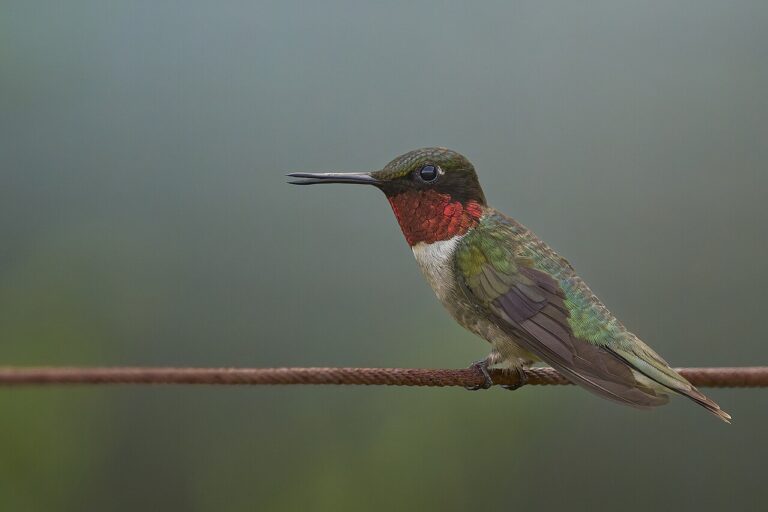
Mix 1 part white granulated sugar with 4 parts water, for example 1 cup of sugar to 4 cups of water, stirring or heating gently until the sugar fully dissolves. This 1 to 4 ratio, equivalent to roughly a 20 percent sugar concentration by volume, closely matches the average sugar concentration found in the nectar of many native hummingbird-pollinated flowers across North America, whether feeding a ruby throated hummingbird in the East or an Anna’s hummingbird on the Pacific coast.
Some birders have heard that a stronger mixture, such as 1 part sugar to 3 parts water, might help migrating hummingbirds build fat reserves faster in fall. According to the Cornell Lab of Ornithology, however, the standard 1 to 4 ratio remains the recommended mixture year round, since a stronger concentration offers no proven migration benefit and may increase the risk of dehydration, particularly in hot weather when birds already need to drink more water relative to sugar intake, a real concern for long distance migrants like the rufous hummingbird.
Consistency matters more than precision to the exact milliliter. As long as the general 1 to 4 proportion is maintained, minor variations in measuring will not meaningfully affect how readily hummingbirds accept and benefit from the mixture at a feeder.
Larger batches simply scale the same ratio upward, so a full gallon of nectar can be made using 4 cups of sugar to a gallon of water, a convenient amount for households supporting several feeders at once during the busiest weeks of the season. For species-specific feeding notes, see our profile of the black chinned hummingbird.
How to Make Hummingbird Sugar Water Safely
Combine 1 part sugar with 4 parts water in a clean container, and either stir until fully dissolved in room temperature water or, more reliably, briefly bring the water to a boil, remove from heat, then stir in the sugar until it dissolves completely. Boiling is not strictly required for the sugar to dissolve, but it helps ensure a fully clear solution and may slightly slow the onset of mold and fermentation once the mixture is in the feeder.
Allow the mixture to cool completely to room temperature before filling a feeder, since hot nectar can damage plastic feeder parts and may also discourage hummingbirds from feeding until it cools naturally on its own.
Using filtered or bottled water instead of tap water is not necessary in most areas, though households with unusually mineral heavy or chlorinated tap water sometimes prefer it for a cleaner tasting result, even though there is little evidence hummingbirds themselves can detect the difference.
Why Only Plain White Sugar
Plain white granulated sugar, chemically sucrose, is the only sweetener recommended for hummingbird feeders, since its composition is closest to the natural sugar content of flower nectar. Brown sugar, raw sugar, turbinado, and other less refined sugars contain trace minerals and compounds that can be harmful to hummingbirds in concentrated form, and should always be avoided in feeder mixtures.
Honey should never be used under any circumstances, since it ferments rapidly once diluted with water and can promote the growth of a fungus linked to a fatal tongue infection in hummingbirds. Artificial sweeteners and sugar substitutes are equally unsuitable, since they provide no usable calories at all, potentially leaving a feeding hummingbird with a dangerously false sense of having eaten.
Fruit juices and other sweet liquids sometimes suggested online are also unsuitable substitutes, since they typically contain acids, preservatives, or sugar concentrations that do not match a hummingbird’s nutritional needs and can spoil even faster than a simple sugar and water mixture.
Do You Need Red Dye?
No red dye is ever necessary in homemade hummingbird sugar water, regardless of what some commercial pre-made nectar products suggest. Most modern feeders already incorporate red coloring into the plastic base, ports, or flowers molded into the feeder itself, which is more than sufficient to attract hummingbirds without adding any dye to the liquid they actually consume.
For a more detailed look at why wildlife experts recommend avoiding dyed nectar entirely, see our dedicated guide on red dye in hummingbird food and the specific health concerns that guide the standard recommendation to skip it.
How Often to Change the Nectar
Replace the sugar water every 3 to 4 days in mild weather, and every 1 to 2 days whenever temperatures climb above roughly 90 degrees Fahrenheit or the feeder sits in direct sun for much of the day. Warm temperatures dramatically accelerate fermentation and mold growth, both of which can sicken or kill visiting hummingbirds if the nectar is left too long between changes.
Cloudy nectar, visible mold inside the feeder, or a distinctly sour smell are all clear signs that a feeder needs immediate cleaning and a fresh batch of nectar, regardless of how recently it was last changed. When in doubt, it is always safer to discard questionable nectar and refill with a fresh batch than to risk offering spoiled food to visiting birds.
Cleaning Your Feeder Properly
Every time nectar is replaced, the feeder itself should be rinsed thoroughly with hot water, and a deeper cleaning with a bottle brush and a mild vinegar solution should be done at least once a week to remove any black mold or sticky residue building up inside feeding ports and reservoirs.
Avoid using dish soap for routine cleaning, since soap residue can be difficult to fully rinse away from small feeder crevices and may leave a taste or film that discourages hummingbirds from returning to an otherwise clean feeder.
A dilute solution of roughly one part white vinegar to four parts water, left to soak inside the feeder reservoir for 15 to 30 minutes before scrubbing, is generally effective at loosening stubborn black mold without introducing any residue that could harm visiting birds, provided the feeder is rinsed thoroughly with clean water afterward.
Storing Extra Nectar
Homemade sugar water can be safely stored in a sealed container in the refrigerator for up to about two weeks, making it practical to prepare a larger batch at once rather than mixing a fresh, small amount every time a feeder needs refilling. Always allow refrigerated nectar to come closer to room temperature before filling a feeder in cold weather, since very cold nectar may temporarily discourage feeding activity.
Labeling a storage container with the date it was mixed can help avoid accidentally using nectar that has been refrigerated past the recommended window, since fermentation can still slowly progress even under refrigeration over an extended period of time.
Frequently Asked Questions
What is the correct hummingbird sugar water ratio?
The correct ratio is 1 part white granulated sugar to 4 parts water, a mixture that closely matches the natural sugar concentration found in many hummingbird-pollinated flowers.
Do I need to boil the water for hummingbird nectar?
Boiling is not strictly necessary but helps the sugar dissolve fully and may slightly slow mold growth once the nectar is placed in a feeder.
Can I use brown sugar or honey for hummingbird food?
No, only plain white granulated sugar should be used. Honey ferments quickly and can promote a fungal infection, while brown sugar contains minerals that can be harmful.
Do I need to add red dye to hummingbird nectar?
No, red dye is never necessary. Most feeders already include red coloring in their design, which is enough to attract hummingbirds without adding dye to the liquid.
How often should I change hummingbird nectar?
Change the nectar every 3 to 4 days in mild weather, or every 1 to 2 days when temperatures exceed roughly 90 degrees Fahrenheit or the feeder is in direct sun.
Should I make a stronger sugar water mix for fall migration?
No, the standard 1 to 4 ratio is recommended year round, since a stronger mixture offers no proven migration benefit and may increase dehydration risk.
How long can I store homemade hummingbird nectar?
Homemade sugar water can be safely refrigerated for up to about two weeks, making it practical to prepare a larger batch in advance.