What Do Ducks Eat? Complete Diet Guide
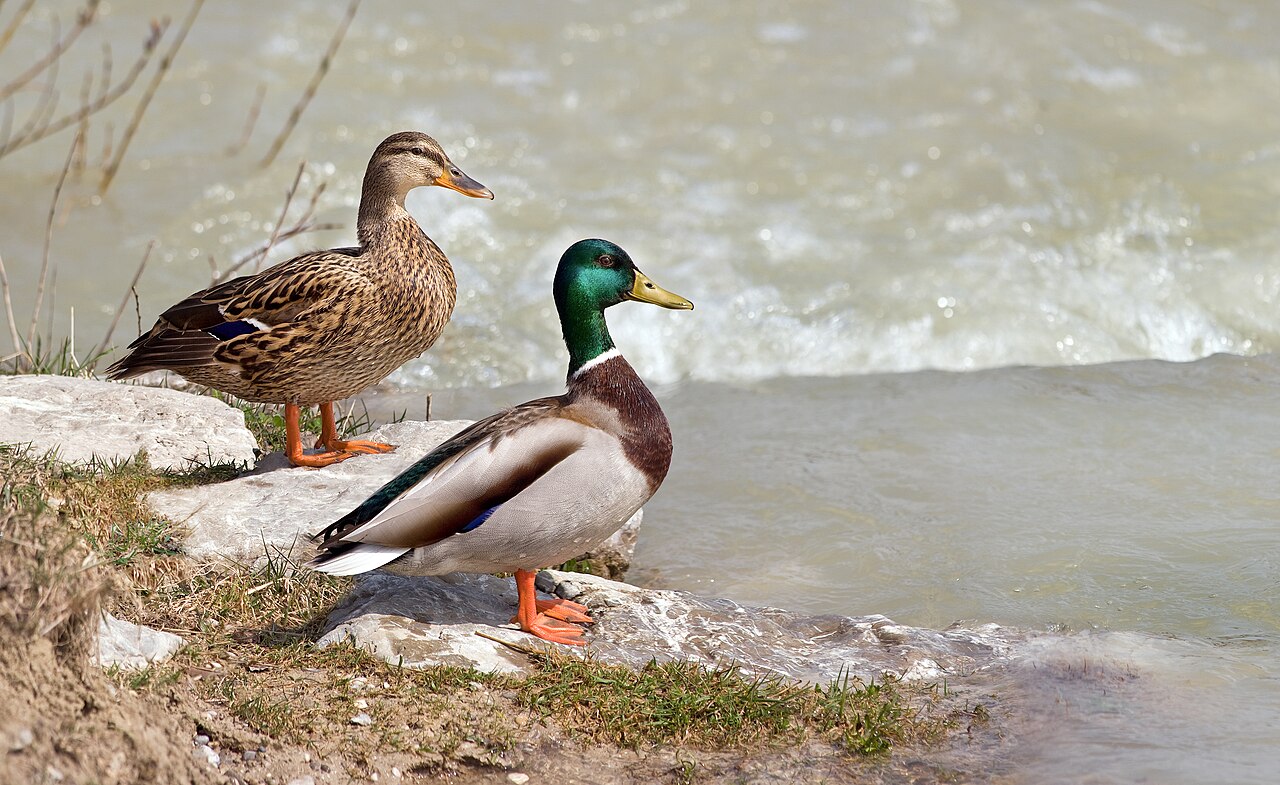
Ducks are omnivores that eat aquatic plants, seeds, grasses, insects, worms, snails, small fish, and algae, foraging both on water and on land. Wild ducks have a varied natural diet that shifts with the season and species, and while many people love feeding ducks at ponds, bread is one of the worst things to offer them. This guide covers exactly what ducks eat in the wild, the difference between dabbling and diving ducks, what ducklings eat, and the healthy foods to feed ducks instead of bread.
| Food | Examples |
|---|---|
| Aquatic plants | Pondweed, duckweed, algae, roots |
| Seeds and grains | Grass seeds, wild rice, waste grain |
| Insects | Aquatic insects, larvae, worms |
| Invertebrates | Snails, small crustaceans, mollusks |
| Small animals | Tiny fish, tadpoles, amphibians |
Ducks are omnivores. Wild ducks eat aquatic plants, seeds, grasses, insects, snails, worms and small fish, switching to whatever the season offers. Ducklings need protein rich starter feed for their first weeks. Bread is the one thing to leave at home: it fills ducks up without feeding them.
What Do Ducks Eat?
Ducks are true omnivores, eating a wide mix of plant and animal foods that varies by species, habitat, and season. According to the Cornell Lab of Ornithology, ducks such as the mallard eat a broad diet that includes seeds, aquatic vegetation, grasses, insects, and aquatic invertebrates, adjusting what they eat as availability changes through the year. In the water they feed on pondweed, duckweed, algae, and the seeds and roots of aquatic plants, along with aquatic insects, snails, small crustaceans, and the occasional tiny fish or tadpole. On land they graze on grasses and glean seeds and waste grain from fields. This dietary flexibility helps ducks thrive in ponds, lakes, marshes, rivers, and city parks alike. For another water bird’s diet, see our guide to what geese eat.
Dabbling Ducks vs Diving Ducks
How a duck feeds depends on whether it is a dabbling duck or a diving duck, and this shapes its diet. Dabbling ducks, such as mallards and teal, feed at or just below the surface, tipping forward with their tails in the air to reach plants and invertebrates in shallow water, so they eat a lot of aquatic vegetation, seeds, and small invertebrates. Diving ducks, such as canvasbacks and scaup, dive fully underwater to feed, reaching deeper plants, mollusks, crustaceans, and small fish that dabblers cannot. This split means different duck species exploit different food sources even on the same body of water. Understanding it explains why some ducks upend in the shallows while others vanish beneath the surface, each after the foods its feeding style can reach.
What Do Ducklings Eat?
Ducklings eat a diet especially rich in protein, which is essential for their rapid early growth. In their first weeks, ducklings feed heavily on insects, aquatic invertebrates, worms, and larvae, since this animal protein fuels the fast development of muscles and feathers. They also nibble on aquatic plants, algae, and small seeds as they learn to forage alongside their mother. As ducklings mature, their diet gradually broadens to match the varied omnivorous menu of adult ducks, incorporating more plant material. This early reliance on protein-rich insects is why healthy wetlands teeming with invertebrates are so important for raising ducklings. It also means the best natural habitat for ducks includes not just plants but a thriving population of the small creatures their young depend on.
What to Feed Ducks Instead of Bread
If you enjoy feeding ducks at a local pond, choosing the right foods makes a real difference to their health. Bread, crackers, popcorn, and chips are harmful and should never be offered, since they provide empty calories, can cause nutritional problems, and foul the water when uneaten. Far better options mimic a duck’s natural diet: cracked corn, whole oats or rolled oats, birdseed, chopped lettuce or other leafy greens, frozen peas that have been thawed, and small pieces of vegetables. These foods are nutritious and safe. It is also best to feed in moderation and only occasionally, so ducks keep foraging naturally and do not become dependent or crowd unhealthily. Offering wholesome foods lets you enjoy the ducks while genuinely supporting their wellbeing, much as choosing quality seed helps backyard birds, as covered in our guide to the best bird seed.
How a Duck’s Diet Changes by Season
Like many birds, ducks shift their diet through the year to match what nature provides. In spring and summer, insects and aquatic invertebrates become especially important, providing the protein needed for breeding and for raising protein-hungry ducklings. In fall and winter, ducks rely more heavily on seeds, grains, and aquatic plants, fueling up on energy-rich foods and taking advantage of waste grain in harvested fields during migration. Many ducks migrate, and along the way they feed opportunistically on whatever wetlands and fields offer. This seasonal flexibility, leaning on protein in the warm breeding months and on plant foods and grain in the colder ones, is a key reason ducks are so widespread and successful across so many different habitats and climates throughout the year.
Do Ducks Eat Bugs and Mosquitoes?
Yes, ducks eat a great many insects, including mosquitoes and their larvae, which makes them helpful natural pest controllers around ponds and yards. Ducks readily snap up adult insects, aquatic insect larvae, mosquito larvae wriggling in the water, beetles, flies, and other bugs, along with worms, snails, and small crustaceans. This appetite for insects is especially strong in the warmer months and is a key protein source, particularly for growing ducklings. Because they eat so many mosquito larvae and other pests, ducks can help reduce insect numbers around a pond. This insect-eating side of their diet works alongside the plants, seeds, and grains ducks consume, reflecting their flexible omnivorous nature and their willingness to eat whatever nutritious food their wetland habitat offers.
How to Help Wild Ducks
The best way to support wild ducks is to protect and provide good natural habitat rather than relying on handouts. Clean water with healthy aquatic plants, insects, and invertebrates gives ducks the varied natural diet they need, so preserving wetlands, ponds, and their vegetation is genuinely valuable. If you have a pond, letting native plants grow around and within it, and avoiding pesticides that kill the insects ducks eat, creates a welcoming environment. Native plantings also support the whole food web ducks depend on. If you do offer food occasionally, stick to healthy options like cracked corn, oats, and greens rather than bread. This habitat-focused approach benefits ducks far more than feeding and supports many other species too, much like a bird-friendly yard, as covered in our guide to plants that attract birds and attracting birds.
Wild Ducks vs Domestic Ducks
The diet of a wild duck differs somewhat from that of domestic or farm ducks, though both are omnivores. Wild ducks forage entirely for themselves, eating a natural mix of aquatic plants, seeds, insects, invertebrates, and small aquatic animals that shifts with the seasons and the habitat around them. Domestic ducks, by contrast, are usually given a formulated poultry or waterfowl feed that provides balanced nutrition, supplemented with greens, vegetables, and foraged bugs if they have outdoor access. Domestic ducks still enjoy hunting slugs, worms, and insects when they can, showing the same omnivorous instincts as their wild relatives. The key difference is that wild ducks must find everything themselves, making healthy wetlands vital, while domestic ducks rely on their keepers for a complete diet. In both cases, bread remains a poor food, and wholesome natural foods are best. Whether wild or domestic, ducks do best on a varied diet that reflects what they would naturally forage, and understanding that natural menu is the key to keeping any duck healthy, echoing our guide to what other birds eat.
Related reading: types of ducks.
What Should You Not Feed Ducks?
Do not feed ducks bread, crackers, chips, popcorn, doughnuts or any other bakery and snack food. These fill a duck up with starch and almost no protein, calcium or vitamins, and a duck that fills up on bread stops foraging for the food it actually needs. In ducklings the result can be angel wing, a permanent deformity of the wing joint linked to growing too fast on the wrong diet.
Four more should never go into the water. Anything moldy is dangerous, because moldy bread and grain carry the fungus behind aspergillosis, a lung infection that kills waterfowl. Salted and seasoned foods overload a duck’s kidneys. Raw dried beans contain lectins that are toxic to birds. Avocado, onion and chocolate are toxic as well, and citrus is best left out of it.
The last rule is about quantity rather than the food itself. Uneaten food sinks, rots and feeds algae, and a pond edge that gets fed heavily every day builds up droppings and spoiled feed until it turns into a disease site. Feed small amounts, feed on the bank rather than into the water, and take home whatever the birds do not finish. Audubon and most state wildlife agencies now ask people to skip pond feeding altogether where resident flocks have stopped migrating.
What Can You Feed Ducks If You Do Not Have Duck Food?
Cracked corn, oats, rice, birdseed, frozen peas and chopped lettuce are all safe, and all of them are likely to be in an ordinary kitchen already. Frozen peas thawed in warm water are the single best option for a park visit: ducks take them eagerly, they float, and they carry real protein and vitamins instead of empty starch.
Cut everything to a size a duck can swallow whole, since ducks have no teeth and tear food rather than chew it. Halved grapes, chopped kale, cabbage and romaine, barley and plain cooked rice all work. Wheat, oat groats and poultry pellets are the closest a supermarket gets to proper duck feed, and any of them beats a loaf of bread by a wide margin. For domestic birds in a backyard flock, a commercial waterfowl feed stays the base diet and these count as extras on top.
Frequently Asked Questions
What do ducks eat?
Ducks are omnivores that eat aquatic plants, seeds, grasses, insects, worms, snails, small crustaceans, and occasionally tiny fish, foraging on both water and land.
What should I feed ducks at a pond?
Offer cracked corn, oats, birdseed, chopped lettuce, thawed peas, or vegetable pieces. Never feed bread, crackers, or chips, which are harmful and pollute the water.
Why is bread bad for ducks?
Bread provides empty calories with little nutrition, can cause a wing deformity called angel wing in ducklings, and pollutes water when uneaten. Feed healthy alternatives instead.
What do baby ducks eat?
Ducklings eat a protein-rich diet of insects, aquatic invertebrates, worms, and larvae, along with some plants and seeds. The protein fuels their rapid early growth.
Do ducks eat fish?
Yes, some ducks eat small fish, tadpoles, and amphibians, especially diving ducks that feed underwater. Fish are only one part of their varied omnivorous diet.
What is the difference between dabbling and diving ducks?
Dabbling ducks feed at the surface by tipping forward for plants and invertebrates, while diving ducks dive underwater to reach deeper plants, mollusks, and small fish.
What do ducks eat in winter?
In winter ducks rely more on seeds, grains, and aquatic plants, often feeding on waste grain in fields during migration, since insects are scarce in cold weather.