Duck Poop: What It Looks Like and How to Identify It
Duck poop is one of the easiest bird droppings to identify once you know the pattern: a wet, loosely tubular or shapeless dropping about 1 to 2 inches (2.5 to 5 cm) long, olive green to dark brown, almost always finished with a chalky white cap or streak. Ducks pass urine and feces together through the cloaca, so a fresh dropping is far wetter and sloppier than anything a mammal leaves behind.
That wetness is the real giveaway. Goose droppings hold their shape like a cigar, chicken droppings sit up in a firm coil, and gull droppings are mostly white liquid. Duck droppings land somewhere in the middle: glossy, spreading at the edges, and concentrated wherever the birds loaf, which is usually a pond edge, a dock, a lawn next to water, or a coop floor.
Duck droppings are wet, olive green to brown, and 1 to 2 inches (2.5 to 5 cm) long, with a white urate cap and no firm shape. Color tracks diet: green on grass, brown on grain, dark and pasty for the cecal droppings ducks pass a few times a day. Watery, foamy, or blood streaked droppings signal a health problem.
| Feature | What duck droppings show |
|---|---|
| Size | 1 to 2 inches (2.5 to 5 cm) long, spreading to 2 or 3 inches wide when fresh |
| Shape | Loose tube, comma, or formless blob; never a firm pellet |
| Color | Olive green, brown, or near black, with a white urate cap |
| Texture | Wet and glossy, soft serve consistency, dries to a flaky crust |
| Contents | Grass fiber, duckweed, grain hulls, grit, insect parts; no fur or bone |
| Where found | Pond banks, docks, lawns within 30 ft of water, coop floors, driveways |
| Pattern | Scattered every few feet along loafing routes, heavy piles at roost sites |
What Do Duck Droppings Look Like?
A single fresh dropping is a soft, glistening mass roughly the length of your thumb, usually olive to chocolate brown, with a white smear of urates on one end or swirled through the middle. The white is not a separate dropping. Birds excrete nitrogen as uric acid paste rather than liquid urine, and in ducks it mixes with the feces on the way out.
Break one apart with a stick and you see plant fiber: chopped grass, duckweed, bits of corn or wheat hull, and a scatter of grit. There is never fur, never bone fragments, and only occasionally a shred of insect shell. That alone separates duck droppings from anything a predator left, and it is the first check before you compare sizes.
Dried droppings look completely different and fool people constantly. After a day in the sun the mass flattens into a gray green crust that flakes under a boot and loses the white cap to bleaching. Age the sample before you judge the color.
Duck Poop Size, Shape, and Texture
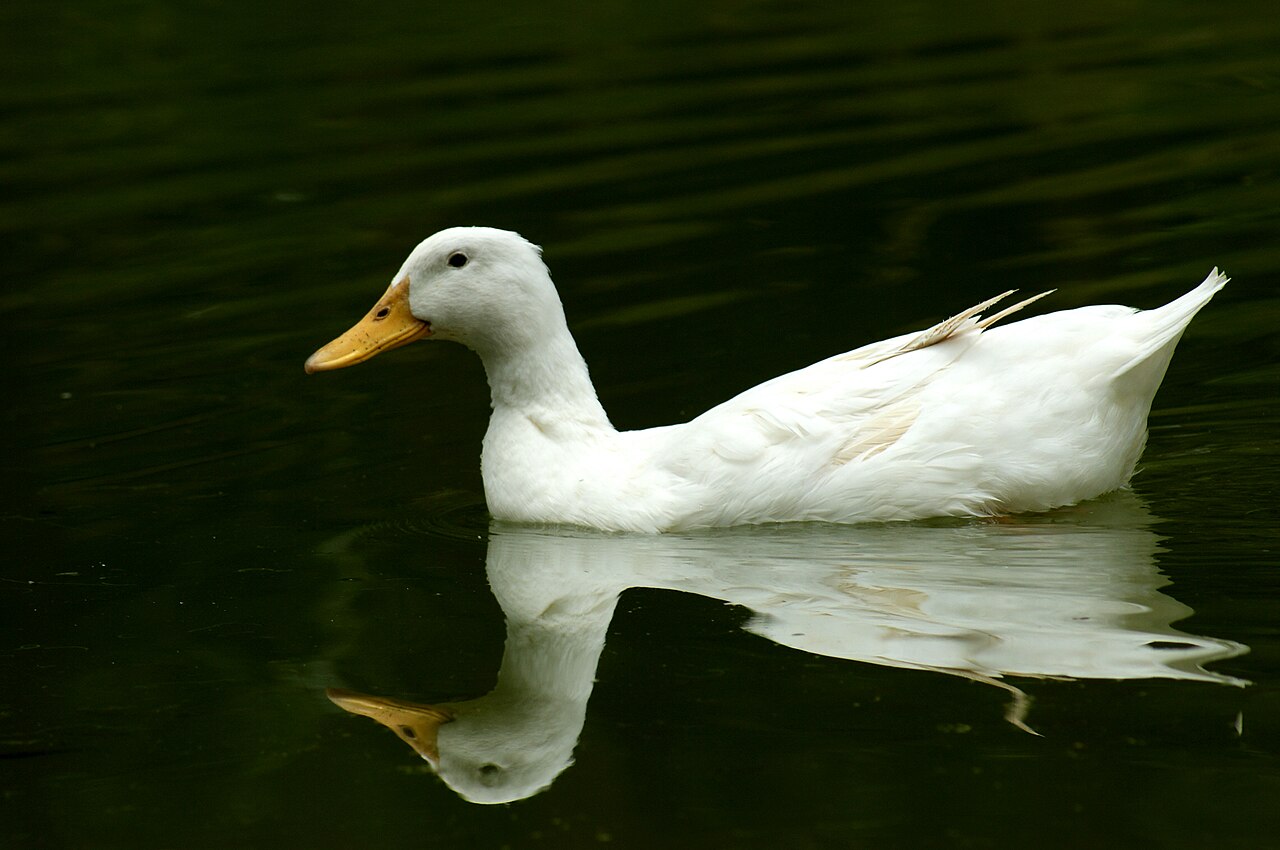
Most duck droppings from a Mallard sized bird run 1 to 2 inches (2.5 to 5 cm) long. Large domestic breeds such as Pekins produce droppings closer to 2 to 3 inches (5 to 7.5 cm), and ducklings leave marks under half an inch (1.3 cm). Volume matters more than length: a full grown domestic duck passes roughly half a pound (about 225 g) of wet manure a day, which is why a small flock coats a yard so fast.
Shape is a soft version of the goose cylinder. A dropping may start as a tube and then collapse, or arrive as a formless splat if the bird has been eating wet greens. It will not stand up, hold ridges, or stay intact when you nudge it, and that failure to hold shape is the single most useful field mark.
Texture ranges from pudding to soft serve. Anything genuinely watery, foamy, or gritty with undigested grain is outside the normal range and worth reading as a symptom rather than a diet quirk.
Duck Poop Color Chart: What Each Color Means
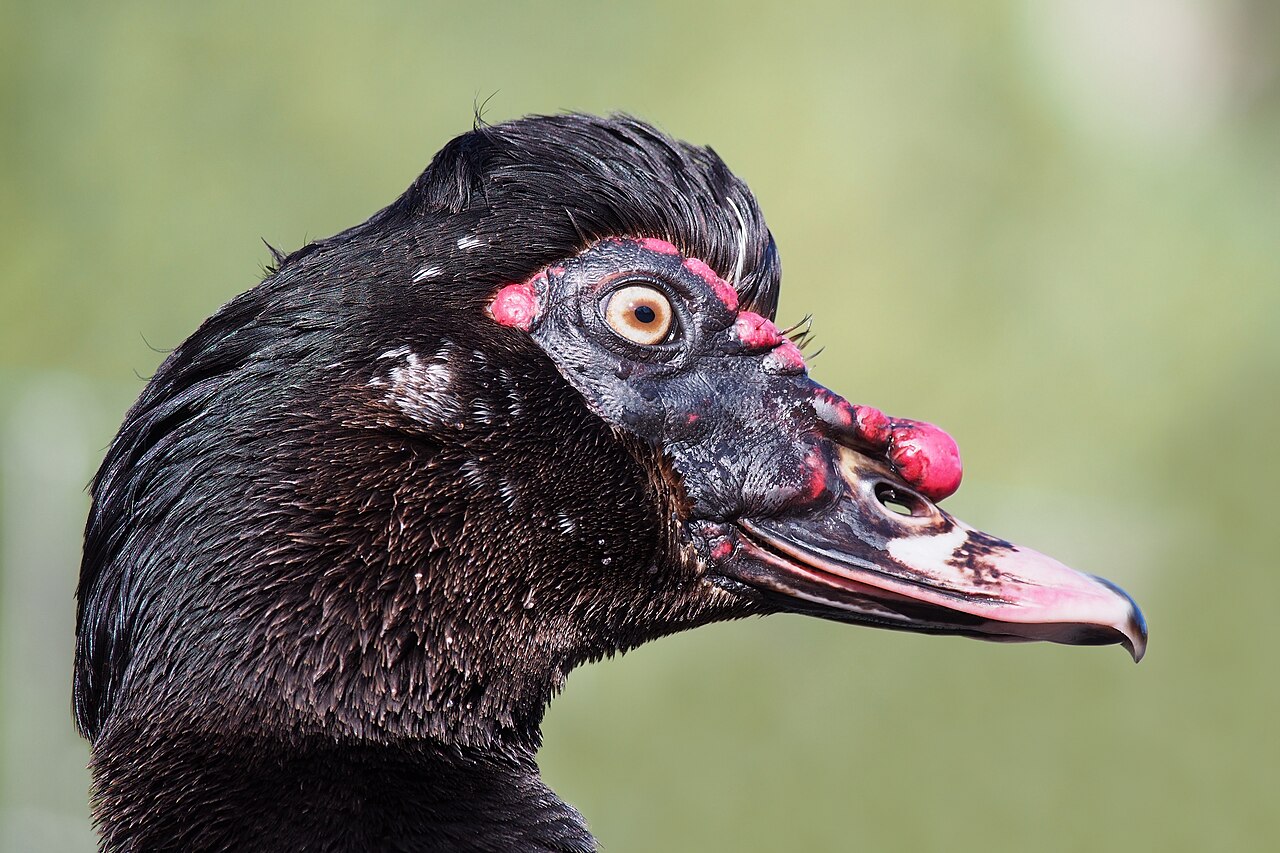
Color follows the last meal far more than most owners expect, so a color chart only works if you know what the birds ate. Green droppings are normal for ducks grazing grass, duckweed, or leafy greens. Brown to tan droppings are normal on a grain or pellet diet. Near black droppings usually mean the bird has been eating a lot of protein, slugs, or dark berries.
A few times a day every duck passes a cecal dropping: darker, stickier, more uniform, and noticeably worse smelling. Owners regularly mistake these for diarrhea. The tell is frequency. Cecal droppings are the exception in a pile of otherwise normal ones, not the whole pile.
The colors that justify a closer look are mustard yellow and sulfurous, bright lime green in a bird that is not grazing, rust or red streaking, and white watery output with no solid content at all. Those point to liver trouble, infection, internal bleeding, or kidney stress, and they belong in front of a vet, not a search engine.
Where You Find Duck Droppings
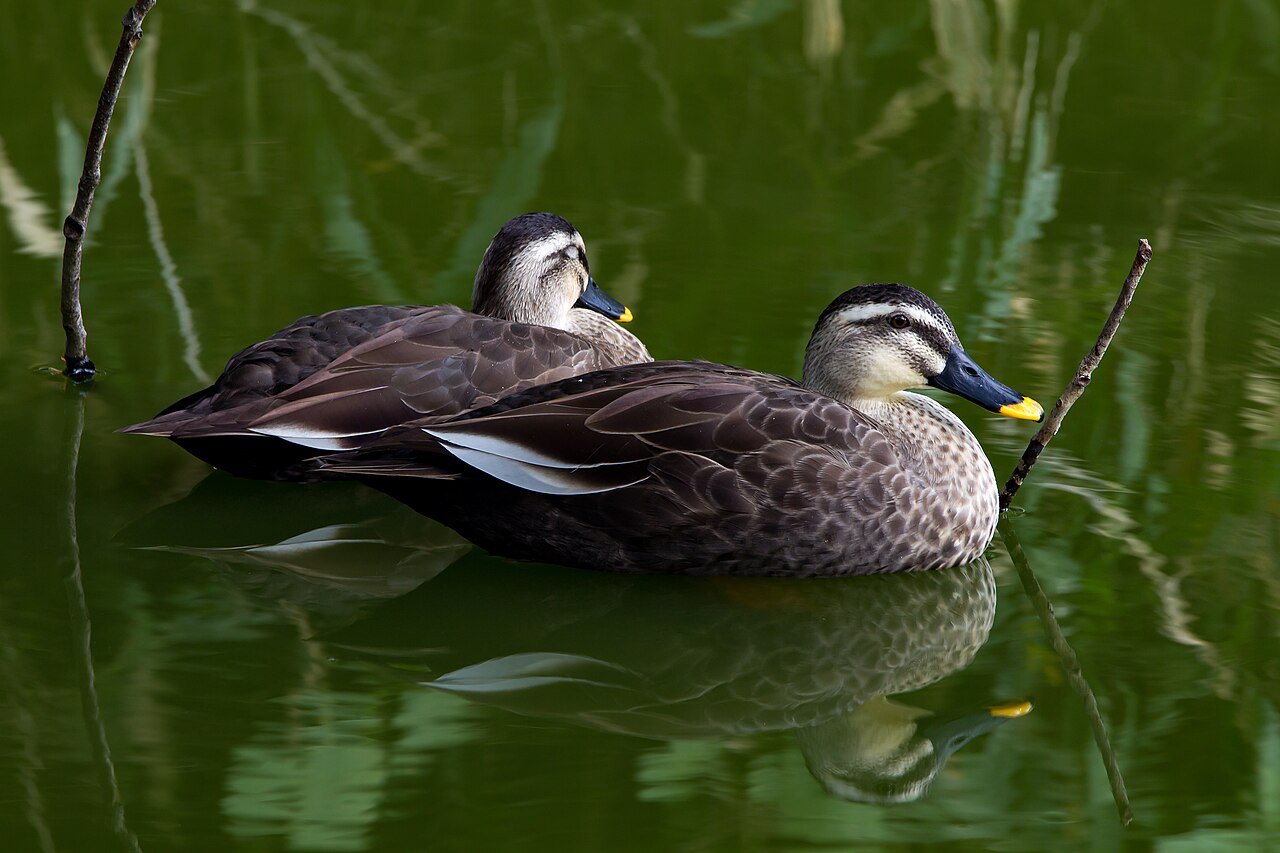
Wild ducks drop where they loaf, not where they feed, so the heaviest accumulations sit on shorelines, boat docks, swim rafts, and mown lawns running down to water. Parks with turf to the waterline are magnets, because ducks want short grass to graze and open sightlines to watch for predators.
Domestic flocks concentrate output overnight in the coop, since a duck keeps digesting while it sleeps. Expect the thickest layer under the roosting corner and a trail toward the water bowl. If you keep ducks, that nightly concentration is the best place to judge flock health, because the droppings are fresh and all from the same twelve hour window.
Droppings far from water, on a driveway or patio, usually mean the birds are commuting and someone is feeding them. Changing what the ducks are being fed moves the mess faster than any repellent does.
Duck Poop vs Goose Poop
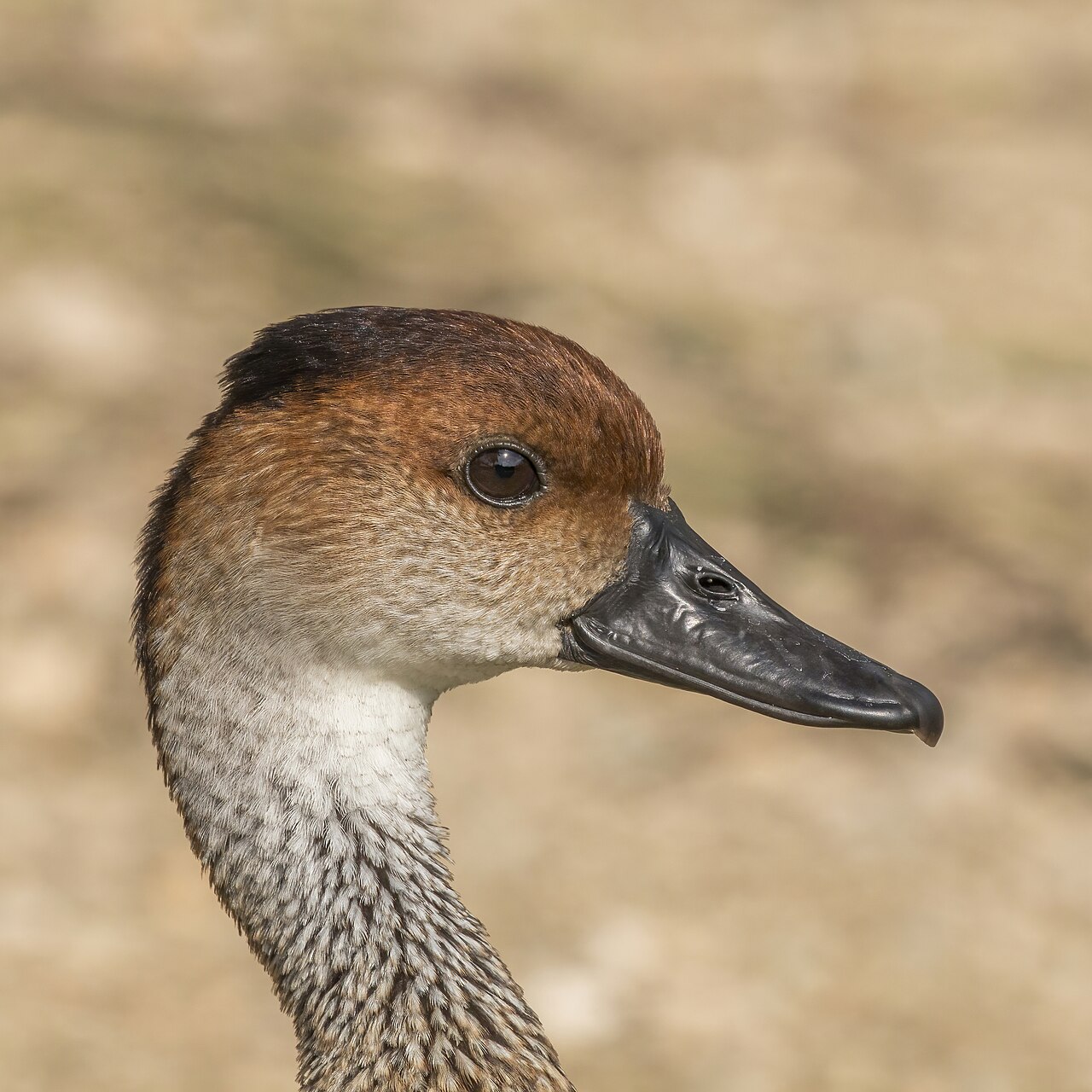
Goose droppings are the most common misidentification, and the difference is shape and size rather than color. A Canada Goose dropping is a firm green cylinder 2 to 3 inches (5 to 7.5 cm) long with a blunt white tip, and it holds its form well enough to pick up intact. Duck droppings of the same color collapse the moment they land.
Density is the second clue. Geese graze almost continuously and leave droppings in tight, evenly spaced trails across a lawn, often one every few steps for 50 ft or more. Ducks leave a looser scatter with heavy clusters at rest spots. If a lawn looks like someone emptied a bag of green cigars across it, the birds were geese.
Duck Poop vs Chicken Poop
Chicken droppings are firmer, usually coiled or capped like a soft ice cream swirl, with a distinct white tip sitting on top rather than mixed through. They dry into a crumbly lump. Duck droppings are wetter at every stage because ducks drink far more water, and they dry into a flat crust instead of a lump.
Mixed flock owners can use the landing pattern. Chicken droppings are deposited in one spot and stay there. Duck droppings splash and spread, which is exactly why duck coops need deeper bedding and a faster cleanout schedule than chicken coops do.
Duck Poop vs Gull Droppings
Gull droppings are the third regular mixup around water. They run mostly white and liquid, splattering on impact with only a thin brown core, because a fish and scrap diet produces far more urate and far less plant fiber. On a dock, duck droppings sit as discrete green masses and gull droppings look like dried paint.
Direction helps too. Gulls foul from the air and the splashes land on railings, roofs, and car hoods. Ducks foul from ground level, so their droppings stay on flat, walkable surfaces. The same ground level logic separates most bird sign from mammal sign, the way a squirrel and rat comparison comes down to shape and placement rather than size alone.
Is Duck Poop Dangerous?
Duck droppings can carry pathogens that infect people, so treat them as contaminated material rather than fertilizer you can handle bare handed. The organisms of real concern are Salmonella, Campylobacter, Giardia, and Cryptosporidium, all of which survive in wet droppings and in the water around them. Public health guidance from the CDC is consistent on the basics: no hand to mouth contact, wash immediately after handling birds or their bedding, and keep young children and anyone immunocompromised away from the cleanup.
Water adds a second problem. Heavy duck use raises bacterial counts at swim beaches, and duck schistosomes cause cercarial dermatitis, the itchy rash known as swimmer’s itch, when their larvae penetrate human skin and die there. The rash is harmless but unpleasant, and it is a reliable sign that waterfowl are using the swim area heavily.
Practical handling: disposable gloves, a mask if you are scraping dry droppings that could aerosolize, wet the material before sweeping, and bag it rather than blowing it. Avian influenza is a real but low frequency concern for backyard keepers, which is another reason not to dry sweep a coop.
Is Duck Poop Good for Your Yard?
Duck manure is excellent fertilizer and a poor topdressing. It is high in nitrogen and moisture, roughly comparable to chicken manure in strength, which means fresh droppings will burn roots and seedlings if you spread them straight onto beds. Composting solves this. Six months in an active pile, turned regularly, converts it into one of the better garden amendments available.
For food crops, follow the standard interval used in organic certification: 120 days between applying raw manure and harvesting anything that touches the soil, 90 days for crops held above it. Properly finished compost removes that restriction, which is reason enough to run a pile rather than a wheelbarrow.
On a lawn the answer flips. Accumulated droppings smother turf, feed algae blooms when rain carries them into a pond, and create the exact nutrient load that turns a clear pond green by midsummer. Collect, compost, and keep it out of the water.
How Often Do Ducks Poop, and How to Clean It Up
Ducks defecate roughly every 15 to 30 minutes while awake, with no meaningful control over timing, which is the honest answer to whether ducks make tidy indoor pets. A single bird produces output through the night as well, so a coop needs daily attention rather than a weekly strip out.
The fastest cleanup method for hard surfaces is to soak first and scrape second. Dried duck droppings bond to concrete, and a stiff brush on dry material throws dust you do not want to breathe. For bedding, deep litter with pine shavings handles the moisture load if you add fresh material every few days; straw alone mats and sours within a week.
For wild birds on a property, the only durable fix is habitat. Let a buffer strip of tall grass grow along the waterline, stop supplemental feeding, and the loafing moves elsewhere. Ducklings in spring will concentrate a family group on one bank for weeks, so expect a seasonal spike before the birds disperse.
Duckling Droppings and What Changes as They Grow
Duckling droppings are under half an inch (1.3 cm), yellowish to pale brown on starter feed, and far more frequent relative to body size than an adult’s. The white urate cap is often faint in the first two weeks, which worries new keepers unnecessarily. Color shifts toward green as soon as the birds start grazing.
Two things are genuinely worth watching in ducklings. Pasty vent, where droppings dry and seal the vent shut, is fatal within a day if ignored and takes thirty seconds of warm water to clear. Bright green, watery output in a brooder usually points to chilling or wet bedding rather than infection, and the fix is heat and dry shavings.
Duck Poop in Pools, Ponds, and Water Troughs
Droppings in standing water are a different problem from droppings on grass, because the nutrients dissolve and feed algae within days. A pond with steady duck traffic turns green by midsummer on nitrogen and phosphorus from manure alone, and no amount of treatment holds against a daily input.
In a swimming pool, a dropping is a contamination event rather than a nuisance. Remove the material with a net rather than a brush, do not let it break up, and run normal chlorination afterward. For livestock troughs, dump and scrub rather than topping off, since Salmonella and Campylobacter persist in the biofilm on the walls long after the visible mess is gone.
Frequently Asked Questions
What do duck droppings look like?
They look like a wet, glossy green to brown mass 1 to 2 inches (2.5 to 5 cm) long with a chalky white cap, collapsing rather than holding a shape. Contents are plant fiber and grit, never fur or bone. Dried droppings flatten into a gray green crust that flakes apart.
Is duck poop dangerous to humans?
It can be. Duck droppings may carry Salmonella, Campylobacter, Giardia, and Cryptosporidium, and heavy waterfowl use raises bacteria counts at swim beaches. Wear gloves, wet the material before sweeping so it does not aerosolize, and wash hands immediately. Healthy adults who follow those steps face very low risk.
Why is duck poop watery?
Ducks excrete urine and feces together and drink large volumes of water, so normal droppings are wet by default. Truly liquid droppings with no solid content point to something else: heat stress, a sudden diet change, moldy feed, or an infection. Watch frequency and the bird’s appetite before assuming illness.
What is duck poop flavor?
The search term almost always refers to a layered shot drink nicknamed duck poop, not to taste. Actual droppings carry Salmonella and Campylobacter and should never reach the mouth. If the question came from a child putting hands in a pond, hand washing matters far more than the exposure itself.
Are ducks smelly pets?
Indoors, yes. Ducks pass droppings every 15 to 30 minutes, cannot be housebroken, and splash their water everywhere, so odor comes from constant wet manure rather than the birds themselves. Outdoors with dry bedding, good drainage, and daily cleaning, a small flock stays close to odorless.
How often do ducks poop and pee?
Both happen together, roughly every 15 to 30 minutes during waking hours and continuing overnight. A large domestic duck produces around half a pound (about 225 g) of wet manure daily. Cecal droppings, which are darker and stronger smelling, appear only a few times a day and are normal.
Identification by droppings works best as a process of elimination, and the wet, white capped, fiber filled duck dropping is one of the easier ones to rule in. For harder calls where mammals are in play, the comparisons in bat versus mouse droppings and alligator scat use the same checks: contents first, then shape, then where the animal left it. If you keep birds, learning the normal range for your own hens makes an abnormal dropping obvious within seconds.