Female Duck: What She Is Called and How to Identify One
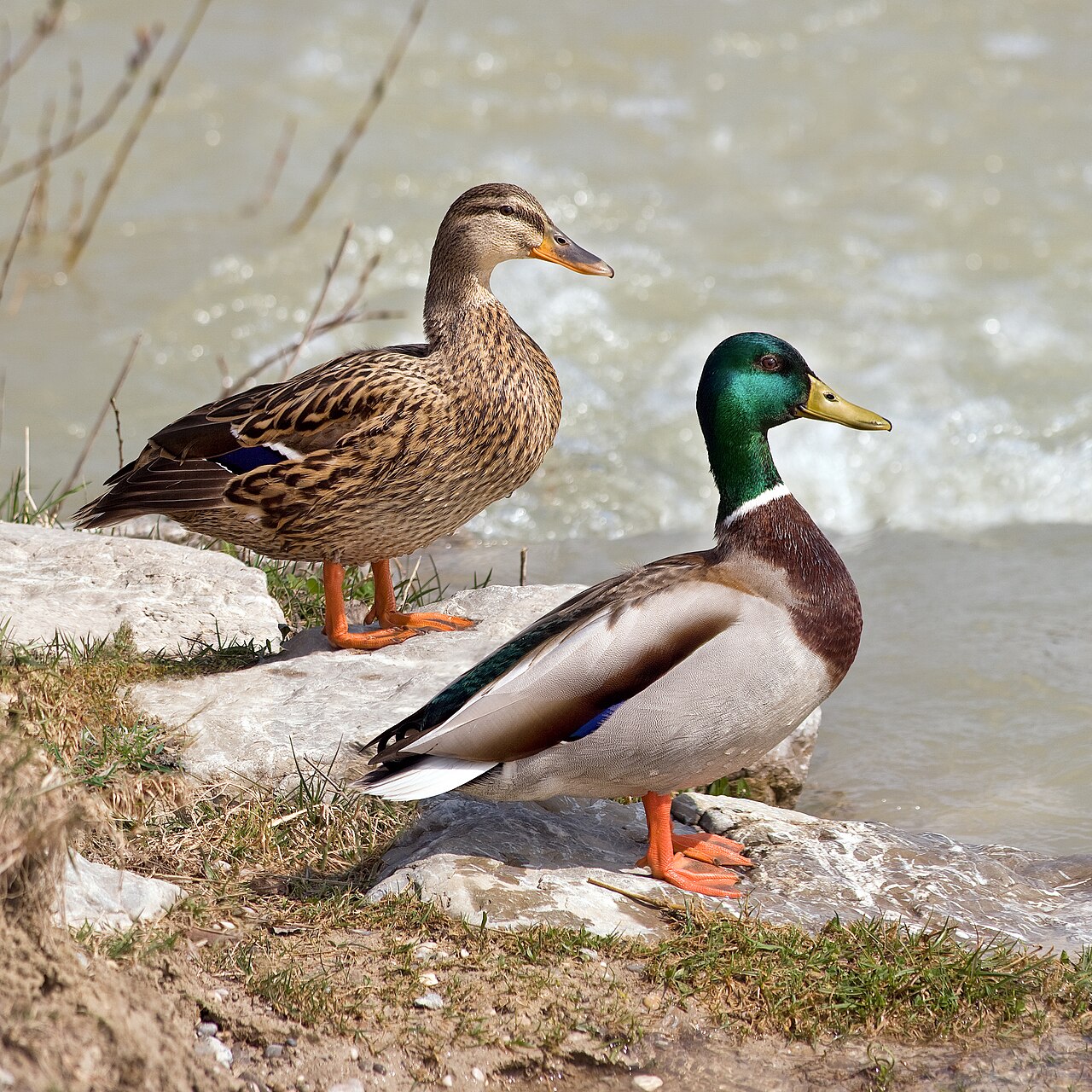
A female duck is called a hen, and a male is a drake. Females are almost always the drab one, patterned in mottled brown and grey, because they do the incubating and need to disappear against nest cover while sitting on eggs for four weeks. Males carry the color because they need to be seen.
That difference is the fastest way to sex most ducks, but it fails at certain times of year and in certain species, which is where most misidentification happens. This guide covers what female ducks are called, how to identify them by species, the two reliable methods that work even in summer when males lose their color, and what hens do that drakes do not.
| Quick Facts | Female Ducks |
|---|---|
| Called | Hen, or simply duck |
| Male | Drake |
| Young | Duckling |
| Plumage | Usually mottled brown for nest camouflage |
| Voice | Hens quack loudly, drakes are quieter and raspy |
| Incubation | Female alone in nearly all species |
A female duck is called a hen. The male is a drake, a duckling is a baby of either sex, and a group of ducklings is a brood. Most hens, including the mallard hen, are drab brown because she incubates alone for about four weeks. The loud quack is hers.
What Is a Female Duck Called?
Hen is the standard term, borrowed from poultry usage and applied across waterfowl, and it appears in ornithological and hunting contexts alike. Simply calling her a duck is also correct, since duck refers both to the group and to the female specifically.
Drake is the term for a male, and it applies from the point the bird reaches adult plumage. Young of either sex are ducklings, and there is no separate word for a juvenile female.
Collective nouns vary with what the birds are doing, which is a quirk worth knowing. A group on water is a raft or a paddling, a group in flight is a flock or a skein, and a group on the ground is a badling or a brace. These are traditional terms rather than technical ones.
Why Hens Are Drab
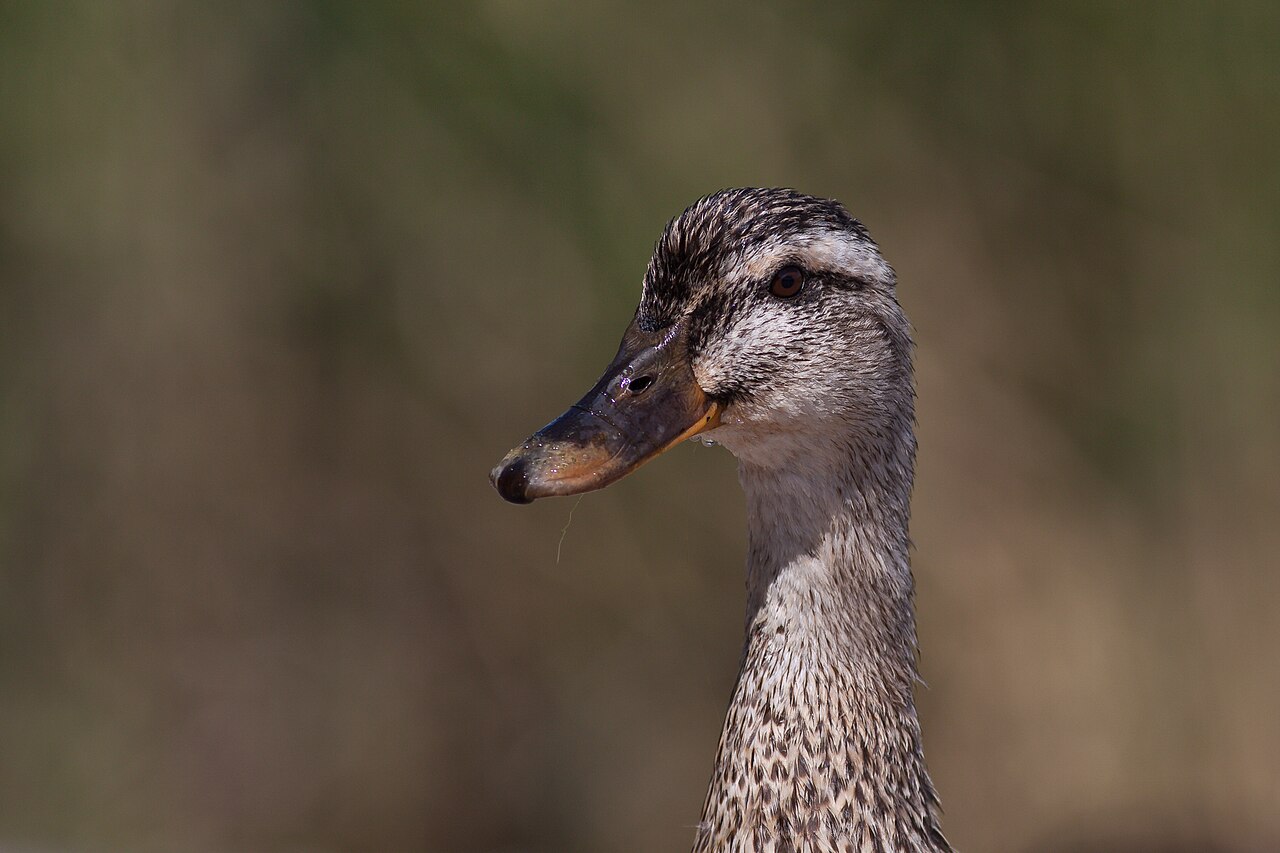
The plumage difference is one of the clearest examples of sexual dimorphism driven by different reproductive roles. In nearly all duck species the female alone builds the nest, incubates the eggs for around 26 to 30 days, and raises the ducklings.
A brightly colored bird sitting motionless on a nest for four weeks is a target. Female mallards, wood ducks, teal, and most other species are patterned in mottled browns, buffs, and greys that break up their outline against reeds, grass, and leaf litter, and a sitting hen is genuinely difficult to see from a few feet away.
Males face the opposite pressure. Drakes compete for mates and take no part in incubation, so bright plumage carries a survival cost they can afford and a reproductive benefit they need. Our guide to the female wood duck covers one of the more distinctive hens in detail.
Identifying Female Ducks by Species
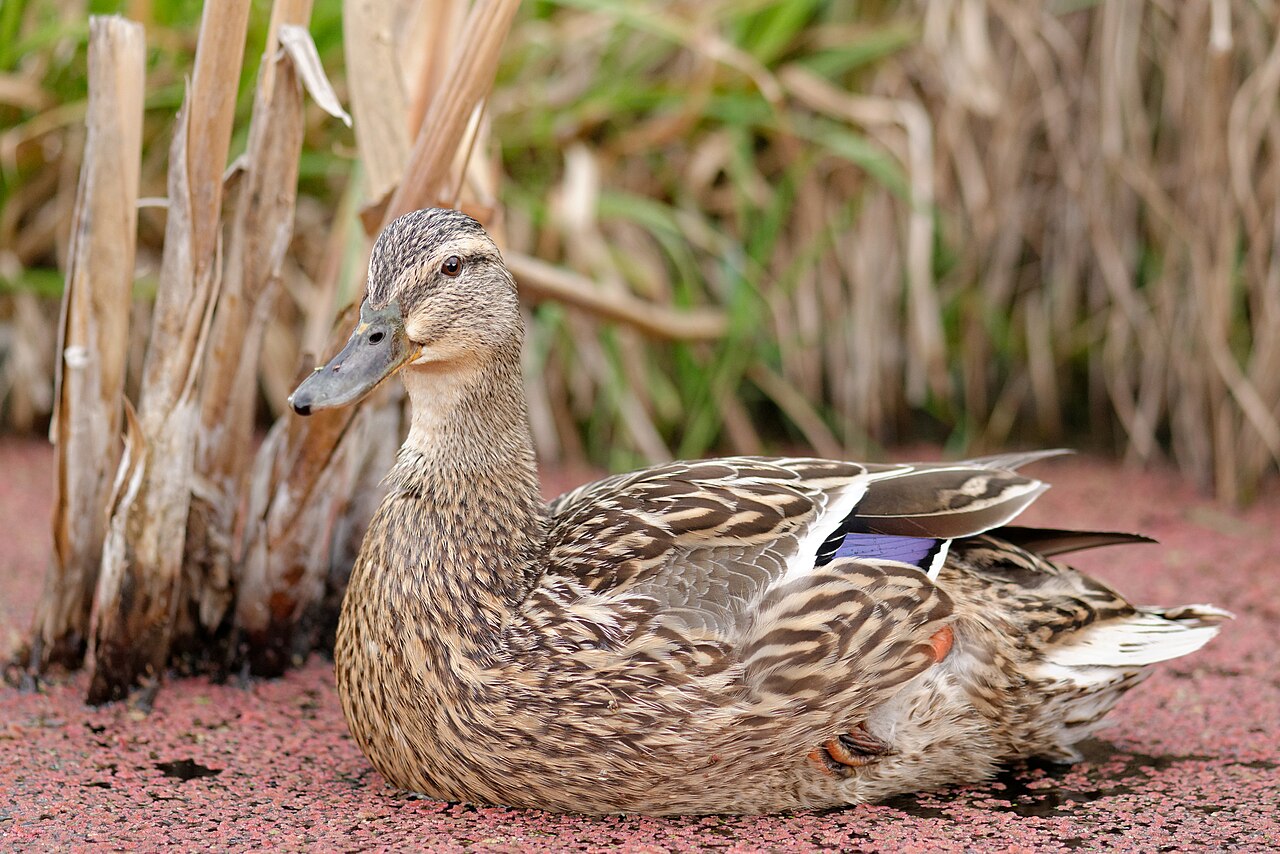
Female mallards are the default reference: mottled brown throughout with a darker crown and eye stripe, an orange bill with a dark saddle across the top, and orange legs. They are the hen most people encounter and the template others get compared against.
Female wood ducks are distinctive despite being brown, with a grey head, a large white teardrop-shaped patch around the eye, and a white throat. That eye patch is unmistakable and makes this one of the easiest hens to identify.
Other common hens have their own markers. Female mergansers are grey-bodied with a rusty head and a shaggy crest, female teal are small with fine mottling and a distinctive speculum, female pintails are slender with a long neck and a plain grey bill, and female common eiders are heavily barred brown. The wing speculum, described below, is the most reliable single feature across species.
The Eclipse Problem
This is why plumage alone fails for part of the year. After breeding, most male ducks moult into a dull female-like plumage called eclipse, and they lose all their flight feathers simultaneously, becoming flightless for several weeks.
Flightlessness is the reason for the disguise. A brightly colored drake that cannot fly is highly vulnerable, so eclipse plumage provides camouflage during the vulnerable period, and it typically runs from roughly midsummer into early autumn depending on species and latitude.
The practical result is a pond full of brown ducks in August, most of which are males. Bill color usually still separates them, since a mallard drake retains a yellow-olive bill against the hen’s orange and dark bill, and voice remains reliable throughout. By late autumn drakes have moulted back into breeding plumage in time for pair formation, which in ducks happens in winter rather than spring.
Voice: The Most Reliable Test
The classic loud quack that everyone imitates is made by female mallards, not males. Hens produce a series of loud, clear, descending quacks that carry a considerable distance, and this is the sound used in almost every cartoon and recording.
Drakes sound completely different. A male mallard gives a quiet, raspy, nasal call sometimes described as a rhaeb, and it is easily missed at a distance. The difference is dramatic once you know it, and it holds through eclipse plumage when visual identification fails.
The pattern extends across species with variations. In many ducks the female is the louder and more vocal sex, since her calls coordinate the brood and advertise for a mate, while males are quieter or produce whistles rather than quacks. If a duck is quacking loudly and repeatedly, it is almost certainly a hen.
Sexing Domestic Ducks
Domestic breeds complicate things because many have been bred for uniform white or colored plumage in both sexes, removing the visual difference entirely. Pekins, the standard white farm duck, look identical.
Two reliable methods remain. Voice works from around six to eight weeks, with females developing the loud quack and males the raspy call, and this is the method most smallholders use. The drake feather is the other, a curled feather or two at the base of the tail that males develop at maturity, and it is definitive when present.
Vent sexing works on day-old ducklings but requires experience and can injure the bird if done badly, so it is best left to those trained in it. Bill color helps in some breeds, with drakes often showing brighter or differently shaded bills, though this varies by breed. Our guide to what ducks eat covers feeding for both sexes.
What Hens Do That Drakes Do Not
Nest building and site selection fall entirely to the female. She chooses the location, builds the nest from surrounding vegetation, and lines it with down plucked from her own breast, which both insulates the eggs and exposes a brood patch of bare skin for direct heat transfer.
Incubation is hers alone in nearly all species, lasting around 26 to 30 days, during which she leaves the nest only briefly to feed and covers the eggs with down when she does. She loses substantial body condition over this period.
Brood rearing follows the same pattern. Ducklings are precocial, hatching feathered and mobile and following the hen to water within a day, and she leads them, broods them for warmth, and defends them, often with a distraction display in which she feigns injury to draw a predator away. Drakes typically leave once incubation begins and take no part in any of it.
Nesting Away From Water
Hens frequently nest surprisingly far from water, and this is the source of most spring calls about ducks in odd places. Mallards nest in gardens, planters, courtyards, and roof terraces, sometimes hundreds of yards from the nearest pond.
Wood ducks go further and nest in tree cavities, often 20 to 50 ft up. The ducklings leave by jumping to the ground within a day of hatching, bouncing on leaf litter without injury because they are light and unossified, then following the hen overland to water.
The right response to a nest in an awkward place is almost always to leave it alone. Incubation lasts under a month, the hen leads the ducklings away within a day of hatching, and the whole episode is over quickly. Removing eggs or attempting to relocate a nest is illegal for native species under the Migratory Bird Treaty Act.
Female Ducks in a Backyard Flock
For eggs, hens are what you want, and the productive laying breeds substantially outperform chickens. Khaki Campbells and Indian Runners lay 250 to 300 eggs per year, which exceeds most chicken breeds, and duck eggs are larger with a higher fat content that many bakers prefer.
Sex ratio matters more than with chickens. Drakes are persistent and a hen kept with too many males suffers physical injury from repeated mating, so a ratio of one drake to four to six hens is standard, and a flock of hens alone works perfectly well if you do not need fertile eggs.
Ducks need water for their eyes, nostrils, and preening even if they do not need a swimming pond, and they are messier than chickens by a wide margin. In return they are hardier in cold and wet weather, less prone to many poultry diseases, and effective slug and snail eaters in a garden. Our guides to types of ducks, the Canada goose, and the female peacock cover the wider picture for waterfowl and for another species where the sexes differ dramatically.
Related reading: Baby Duck.
Related reading: Baby Goose.
How to Tell a Female Mallard From a Female Wood Duck
Female Mallards and female Wood Ducks are the two hens most people meet, and the head settles it in a second. A female Mallard has a plain brown head with a dark eye line and a blotchy orange and black bill. A female Wood Duck has a gray head with a distinctive white teardrop patch around the eye and a shaggy crest at the back of the skull.
Body and setting help confirm it. The Mallard hen is bulkier, mottled warm brown throughout, and shows a blue speculum bordered in white on the wing, visible both at rest and in flight. The Wood Duck hen is slimmer and grayer with a bronzy sheen on the back, and she is far more likely to be on a wooded pond or slow creek than on an open park lake. She also nests in tree cavities, which no Mallard does.
Audubon’s Mallard account covers the speculum pattern and the eclipse plumage window when drakes temporarily resemble hens.
What Is a Young Female Duck Called?
A young female duck is called a duckling, and English has no separate word for her after that. Chickens split into pullet and hen, and geese into gosling and goose, but ducks stop at duckling: once she has her adult feathers she is simply a hen, or a young hen where the age matters. Breeders and hatcheries use started duck or grower for birds part way through, and neither of those terms is sex specific.
Two related terms come up in the same searches. A group of ducklings hatched together is a brood, and the word covers the family unit for as long as the hen is still leading them. There is also no such thing as a female drake: drake means male, so a female drake is a contradiction rather than a rarer kind of duck. The one thing that looks like it is a hen carrying male type plumage, which happens in old or hormonally disrupted birds and is covered under eclipse plumage above.
For the rest of the vocabulary, see what a male duck is called and what a group of ducks is called, which covers raft, paddling and flock.
Frequently Asked Questions
What is a female duck called?
A hen, or simply a duck. Males are drakes and young of either sex are ducklings. There is no separate term for a juvenile female.
Why are female ducks brown?
For camouflage while incubating. The female alone sits on the nest for around 26 to 30 days in nearly all species, so mottled brown plumage that blends with reeds and leaf litter is a survival requirement. Males take no part in incubation and can afford bright colors.
How do I tell a female mallard from a male?
The hen is mottled brown with an orange bill bearing a dark saddle, while the breeding drake has a green head and yellow-olive bill. In summer eclipse plumage males look brown too, so use bill color and voice, since only the hen gives the loud descending quack.
Do female ducks quack more than males?
Yes, and the classic loud quack is a female sound. Male mallards give a quiet raspy nasal call that is easily missed. In many duck species the female is the more vocal sex, and voice remains reliable even during eclipse plumage.
What is eclipse plumage?
A dull female-like plumage that most male ducks moult into after breeding, roughly midsummer into early autumn, while they lose all flight feathers at once and become flightless. The camouflage compensates for that vulnerability, and breeding plumage returns by late autumn.
How do I sex domestic ducks?
By voice from six to eight weeks, since females develop a loud quack and males a raspy call, and by the drake feather, a curled feather at the base of the tail that males develop at maturity. Vent sexing works on day-olds but needs training to avoid injury.
Do female ducks lay eggs without a drake?
Yes, exactly as chickens do. The eggs are simply infertile. Productive breeds such as Khaki Campbells and Indian Runners lay 250 to 300 eggs a year, which exceeds most chicken breeds.