Duck Sounds: 9 Calls, What They Mean and When You Hear Them
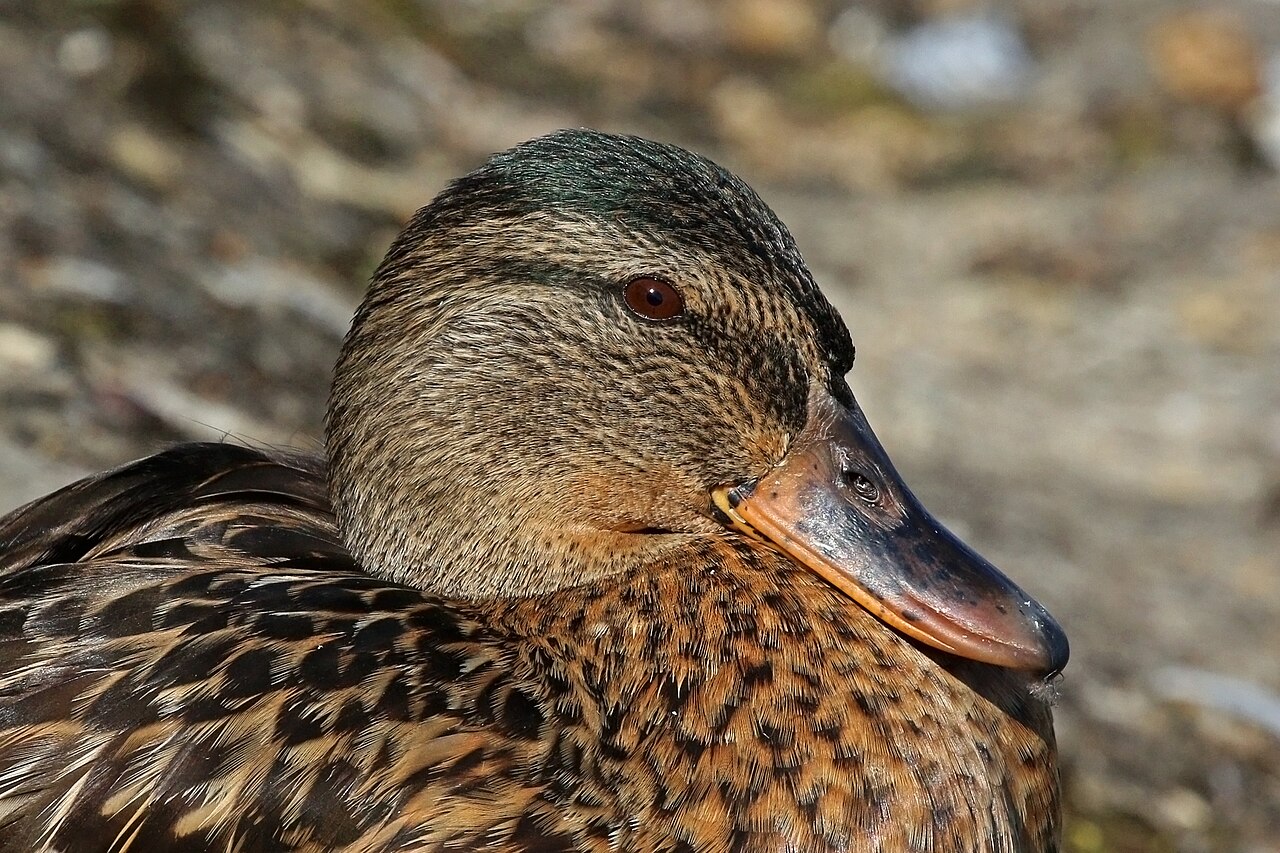
The classic duck sound, the loud descending quack everyone imitates, comes from a female mallard (Anas platyrhynchos) and almost never from a male. Drakes make a quieter, raspy two-note call that most people never connect to a duck at all. Once you know that split, duck sounds stop being one noise and become a short vocabulary you can read at a distance.
Hens use quacks in distinct patterns for greeting, calling in flight and feeding, and both sexes add whistles, grunts and alarm notes depending on species and season. This guide takes each sound in turn, says when in the day and year you hear it, and names the animals that get mistaken for ducks.
A duck’s sound is the quack, a loud nasal call made by female mallards and their relatives. Males rasp instead of quacking. Ducks also whistle, grunt, cluck and peep, and each sound has a job: greeting, calling in flight, feeding, courtship, alarm or keeping ducklings close.
| Sound | Who makes it | What it means |
|---|---|---|
| Quack (single, loud) | Hen | Greeting or contact with birds nearby |
| Hail call (5 to 7 loud quacks, descending) | Hen | Calling distant ducks in flight |
| Feed call (fast tikka-tikka chuckle) | Hen | Food found, flock come in |
| Cluck (short, soft, repeated) | Hen | Contentment while loafing or feeding |
| Rasp or raeb (nasal, two notes) | Drake | Presence and courtship |
| Whistle (thin, rising) | Drake wigeon, teal, wood duck | Courtship and flock contact |
| Alarm quack (sharp, hard, repeated) | Either sex | Predator or person too close |
| Peep (high, thin) | Duckling | Contact with the hen |
| Distress scream (loud, drawn out) | Any | Caught or restrained |
What Is the Sound of a Duck?
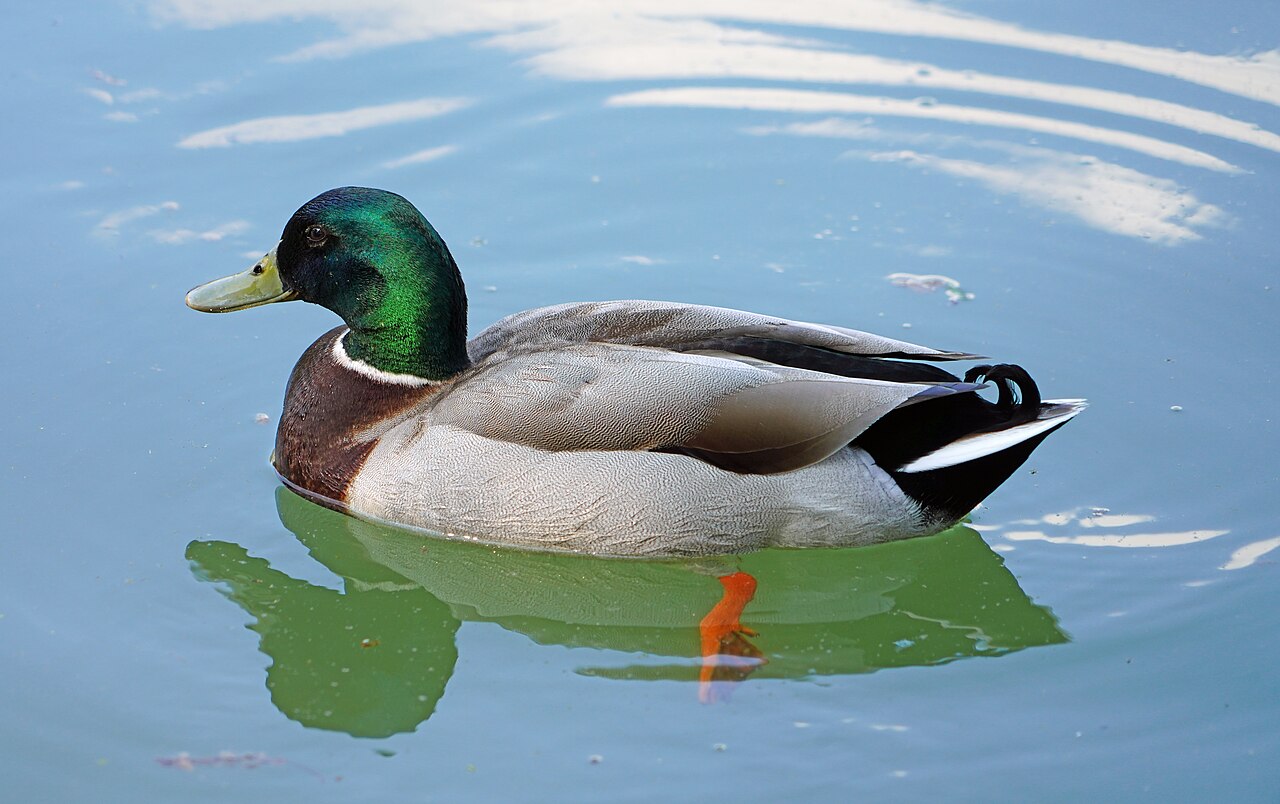
The sound of a duck is a quack, written as a sharp nasal kwaak that drops in pitch and carries several hundred yards across open water. It is produced by hens of mallard-type dabbling ducks, which includes the mallard itself, the American black duck, the mottled duck and nearly all domestic breeds, since those descend from the mallard.
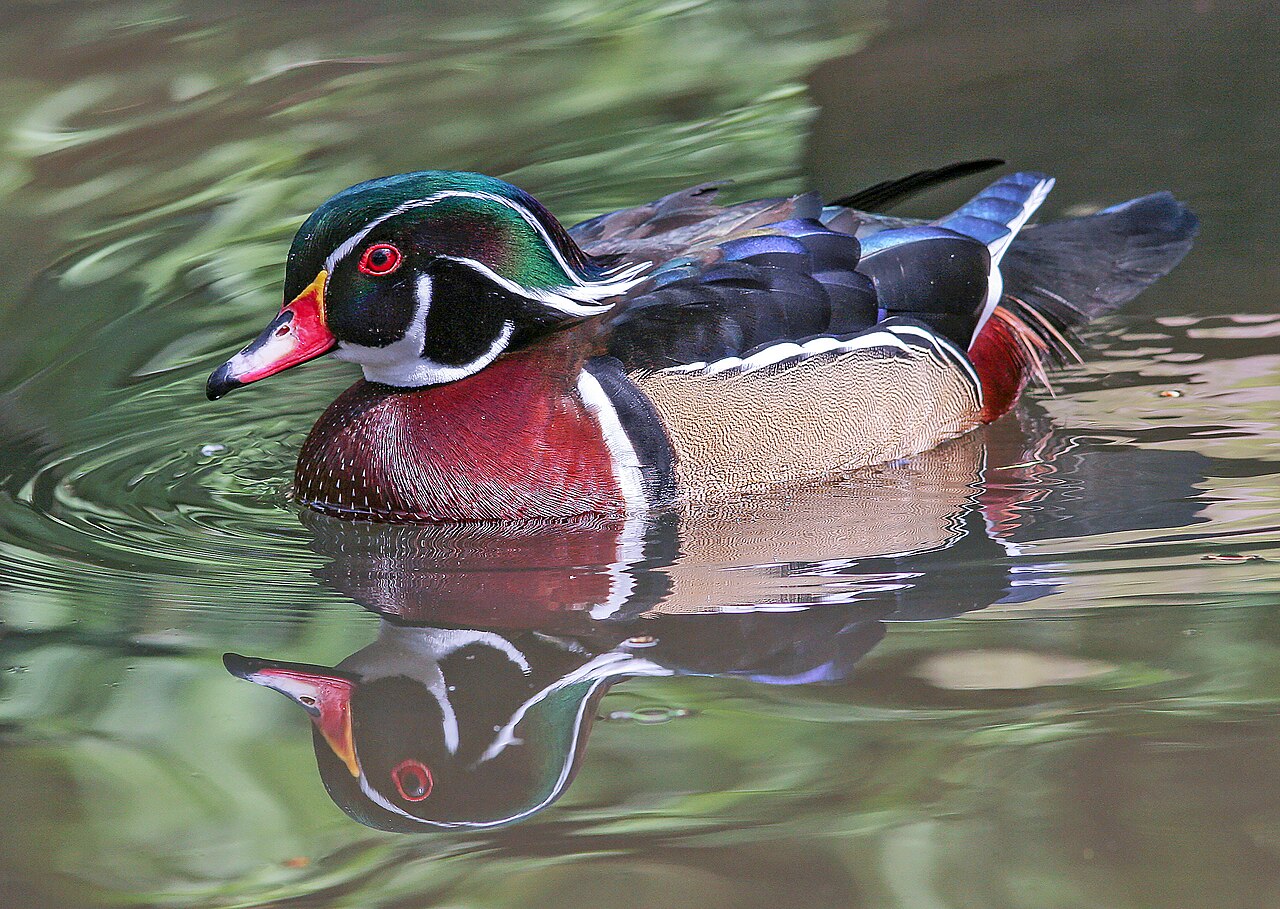
Not every duck quacks. Wood ducks squeal, wigeon whistle, eiders coo and scoters croak, so the quack is best understood as a mallard-family sound rather than a duck sound in general. If the bird you heard was on a woodland pond rather than a park lake, the odds that it quacked at all are low.
The Hen Quack: Greeting, Hail and Feed Calls
The hen’s quack is one sound used three ways, and hunters have named each version. A single or doubled quack is a greeting, used between birds that can already see each other. The hail call is a run of five to seven loud quacks descending in volume, thrown at ducks passing overhead to pull them down toward the water.
The feed call is the one people least expect to be a quack at all. It is a fast rolling chuckle, often written tikka-tikka-tikka, made by hens that have found food and are feeding actively. It is a genuine signal rather than chatter, other ducks respond to it by landing, and it is most often triggered by the seeds and invertebrates ducks feed on in shallow water.
Soft clucking sits underneath all of it: short, low, irregular notes from a loafing hen, barely audible at thirty feet. Their sudden absence is usually the first sign something is wrong.
Drake Sounds: Why Males Rasp Instead of Quack
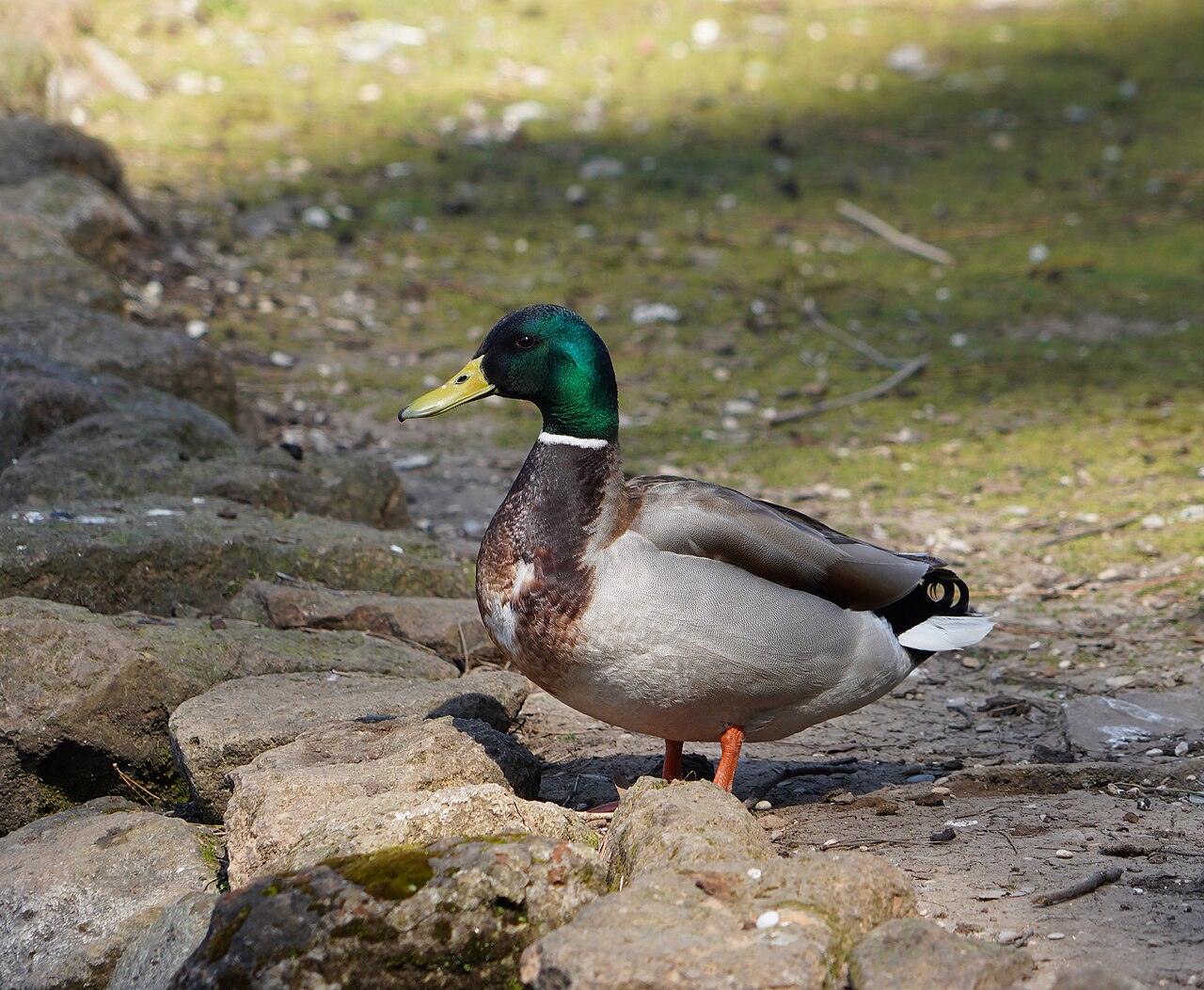
Male mallards cannot quack. The drake’s syrinx and an enlarged bony bulb on his windpipe produce a flat, nasal, two-note rasp instead, written raeb-raeb and far quieter than the hen’s call. Standing beside a mixed flock, almost everything loud you hear is female.
Drakes use the rasp to announce presence and during courtship displays, where it is paired with visual moves rather than used alone. A displaying drake tips his bill into the water, flings a jet of droplets, lifts his breast and gives a short whistle or grunt with it. The sound matters less than the choreography.
This is the single most useful fact for identifying ducks by ear, and it explains why the drake is so often misidentified. A park pond full of quacking is a pond full of hens advertising, which is also why female duck identification is easier by ear than by plumage in late summer.
Alarm Calls and Distress Sounds
The alarm quack is harder, flatter and faster than a greeting, repeated in bursts of three to six as the bird raises its head and stops feeding. It spreads through a flock in seconds, and the usual result is that every head goes up before any bird flies. Hearing it means something in the area has been spotted, often a dog, a hawk or you.
Distress is unmistakable and different. A duck held by a predator or tangled in line produces a loud, drawn out scream with none of the quack’s rhythm, and nearby birds flush immediately rather than investigating. Captive and farmyard ducks make the same sound when picked up.
Hens with broods add a low growl, a guttural rolling note given with the neck extended and the wings slightly open. It is aimed at the intruder rather than the ducklings, and geese use a similar display, which is why people conflate the two.
Courtship Whistles and Pair Talk
Courtship brings out the sounds that do not resemble quacking at all. Drake wigeon give a clear three-note whistle, green-winged teal a sharp repeated peep, and wood ducks a rising squeal that sounds closer to a small mammal than a bird. Pintails whistle thinly, and goldeneyes add a mechanical wing whistle in flight that experienced birders use for identification before they see the bird.
Pair talk runs quieter. Bonded mallards keep up a near-constant low exchange of clucks and rasps while swimming together, which functions as contact rather than courtship. In captive flocks this is the sound owners describe as ducks being happy, and in behavioral terms they are not far off: it only happens when the birds are undisturbed.
How Loud Are Ducks and How Far Does a Quack Carry?
A hen mallard’s hail call measures roughly 80 to 85 decibels at ten feet, about as loud as a kitchen blender, and it carries half a mile or more across flat open water. That range is the reason the quack sounds the way it does: the nasal, descending tone holds together over distance better than a pure tone would.
Terrain changes everything. Over marsh grass or through timber the same call fades within a few hundred yards, while on a frozen lake it can be heard well past a mile. Still air at dawn carries sound farther than a breezy afternoon, which is part of why ducks sound busiest at first light.
For backyard flocks that matters. A few laying hens will wake neighbors thirty yards away, which is why drake-only flocks are standard advice in towns with noise rules.
Duckling Peeps and Contact Trills
Ducklings peep from inside the egg. In the last day or two before hatching they call through the shell, and the hen answers, which is how a brood synchronizes hatching to within a few hours. Those same peeps continue as contact calls for the first weeks of life.
Two versions are worth telling apart. The contact peep is soft, evenly spaced and almost continuous while the brood is feeding, a sound that means all is well. The distress peep is louder, faster and higher, given by a duckling that has lost sight of the hen, and it will continue until she answers or the duckling exhausts itself.
The hen replies with a low repeated cluck that gathers the brood and, at night, a quieter version that keeps them under her. Anyone raising ducklings learns these two sounds in the first week, because the difference between them is the difference between leaving the brood alone and going to look.
Duck Sounds at Night and Through the Seasons
Ducks do quack at night, and in migration they are often loudest after dark. Mallards feed on moonlit nights and call while moving between water bodies, so a run of quacks overhead at two in the morning in October is a flock relocating rather than anything unusual. Hunters call this trading.
The yearly cycle is pronounced. Calling ramps up from October as pairs form, peaks in late winter, stays moderate through nesting, then nearly stops from late June through August during the flightless wing molt, when silence is protection. It picks up again as birds stage for fall migration.
Weather shifts it too. Ducks call more on falling pressure ahead of a front and more on open water than in sheltered marsh, and a hard freeze that concentrates birds on the last open pond produces the noisiest water of the year. Other birds follow the same dawn pattern, as our guide to bald eagle calls shows.
Sounds That Get Mistaken for a Duck
Several animals get reported as ducks. Wood frogs chorus in a rolling quack that fools people every spring, and the call comes from flooded woodland rather than open water, often in daylight in March. Green frogs add a lower banjo note that some hear as a grunt.
Among birds, American coots give a short croaking kuk from the same ponds as ducks, pied-billed grebes produce a whinnying series, and Canada geese give a two-note honk that is deeper and more resonant than any quack. Jays and crows mimic well enough to confuse a listener who only catches a fragment, and our guide to birds that sound like owls covers the same problem for night calls.
Then there is the attic. Ducks do not nest in walls, but wood ducks nest in cavities and will drop down an open chimney, where the scrabbling and squealing from a trapped bird sounds like nothing else in the house. If you hear it, open the damper only with a box ready, or call a wildlife removal service. Recordings of each species are available from the Cornell Lab at All About Birds, which is the fastest way to confirm what you heard.
Related reading: Wood Duck Sounds.
Frequently Asked Questions
What are duck noises called?
Collectively they are quacks, but the individual sounds have names. Hunters and ornithologists use greeting call, hail call, feed call or chuckle, cluck, rasp or raeb for the drake, whistle, growl, peep and distress scream. The hail and feed calls are the two most imitated by callers.
What noises do ducks make when happy?
Content ducks produce soft, low, irregular clucks and quiet rasping chatter while loafing, preening or feeding without pressure. Keepers also report a rapid wagging of the tail with soft quacking at feeding time. Loud repeated quacking is advertising or alarm, not contentment.
Do ducks quack at night?
Yes. Mallards feed and move after dark, especially during fall and spring migration and on bright moonlit nights, and calling flocks overhead at night are common in October and November. Night calling also spikes when a freeze pushes birds onto the last unfrozen water.
What are the top 5 duck calls hunters use?
The hail or highball call, the greeting call of about five quacks, the feed chuckle, the lonesome hen single quack, and the comeback call used on birds that have passed. Nearly all of them imitate hens, since the drake’s rasp carries too poorly to pull in distant ducks.
What sound do you make in a duck call?
You say a hard syllable into the call from the diaphragm rather than the lips, usually taught as quit or tikka, and cut the note off with the back of the tongue. Blowing from the cheeks produces a thin squeal that live ducks ignore.