7 Birds That Sound Like Owls and How to Tell Them Apart
Most hooting that people report at night is not an owl at all. The mourning dove is the single most common impostor in the United States, and its soft “coo OOO ooo ooo” fools so many listeners that the Cornell Lab fields the question every spring. Add nighthawks, collared doves, pigeons, and a few mammals, and you have a long list of birds that sound like owls without being owls.
This guide works through the real culprits in order of how often they get mistaken, with the sound written out and the time of day each one calls. Identify the hour and the rhythm and you can usually name the bird before you ever see it.
The birds most often mistaken for owls are the mourning dove, Eurasian collared dove, rock pigeon, common nighthawk, Chuck will’s widow, and common poorwill. The mourning dove accounts for most daytime and dusk reports, since its hollow cooing carries the same low pitch as an owl hoot but comes in a rising then falling four note phrase.
| Bird | Sound | When it calls | Giveaway |
|---|---|---|---|
| Mourning dove | coo OOO ooo ooo | Day and dusk | Second note rises |
| Eurasian collared dove | koo KOO kook, three notes | Day, year round | Harsh ending |
| Rock pigeon | oorh coo roo, gurgling | Day, near buildings | Rolling, not clean |
| Common nighthawk | peent, plus wing boom | Dusk, in flight | Nasal, never hooted |
| Chuck will’s widow | chuck WILL will WIDow | Full dark, spring | Four syllables, repeats |
| Common poorwill | poor WILL ip | Full dark, West | Two notes, endless |
| Great horned owl | hoo hoo hoo hoo | Dusk to dawn | Flat pitch throughout |
What Bird Makes a Noise Like an Owl?
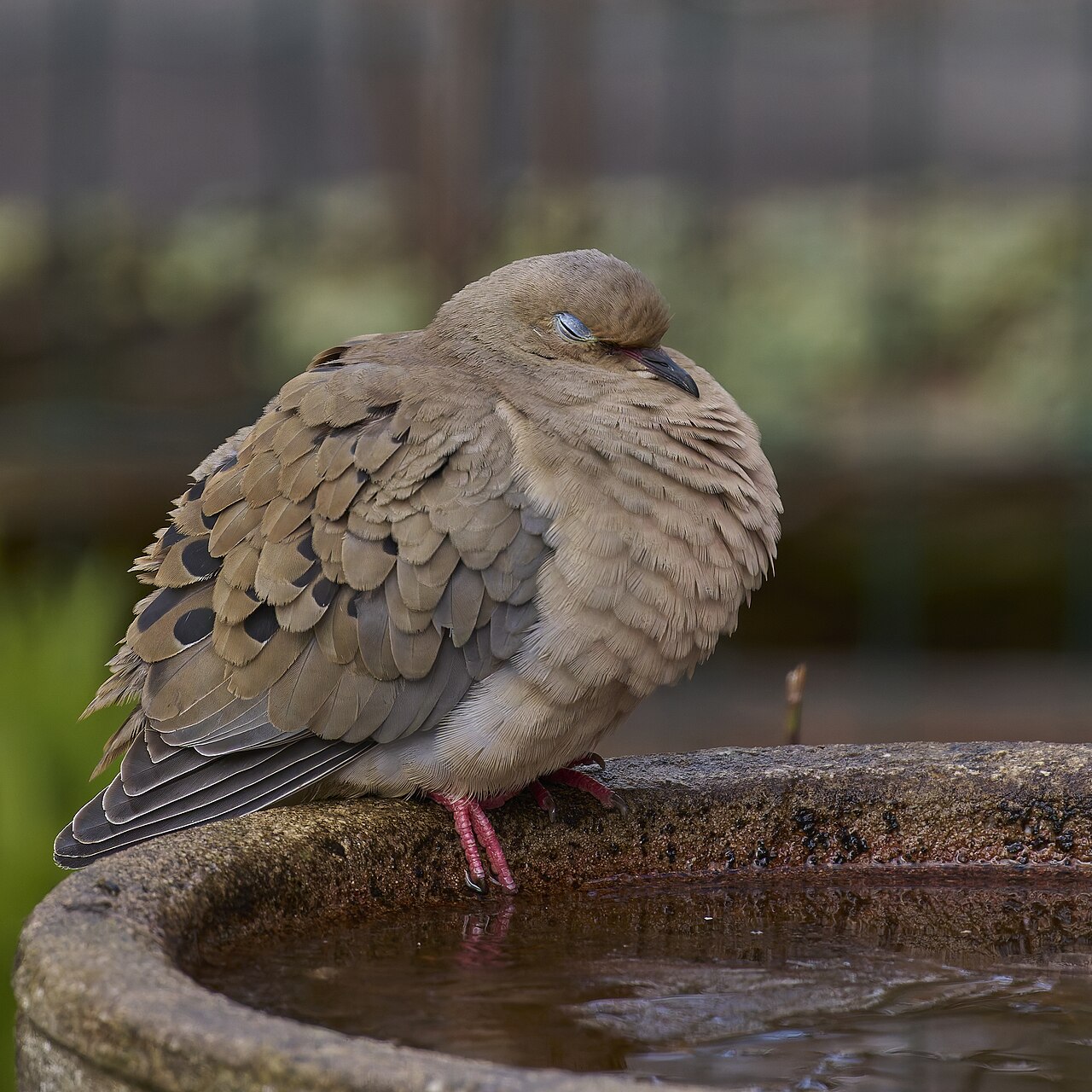
The mourning dove (Zenaida macroura) makes the noise that gets reported as an owl more than any other bird in North America. Its call is a breathy, hollow coo in a four note phrase, and because it carries well through walls and screens it reaches people indoors who never see the source. Doves call in daylight and at dusk, which is the first clue, since most owls are quiet in full sun.
Nightjars take over after dark. The common nighthawk, Chuck will’s widow, and common poorwill all produce repeated low calls from invisible perches, and all three are easier to hear than to find. A comparison against real owl recordings in our owl sounds guide settles most cases in a minute.
Mourning Dove: The Bird Mistaken for an Owl Most Often
Listen for the shape of the phrase rather than the pitch. A mourning dove starts with a short introductory coo, then rises into a longer second note, then drops into two or three fading notes: “coo OOO ooo ooo.” An owl hoot holds a flat pitch from start to finish. That rise in the second syllable is the single most reliable tell.
The bird itself is a slim, buff colored dove with a long pointed tail, a small head, and black spots on the wing, usually sitting on a wire, gutter, or feeder tray. It calls from exposed perches in the open, which no owl does during the day. Males do nearly all the cooing, and they peak from March through July.
What Dove Sounds Like an Owl? The Eurasian Collared Dove
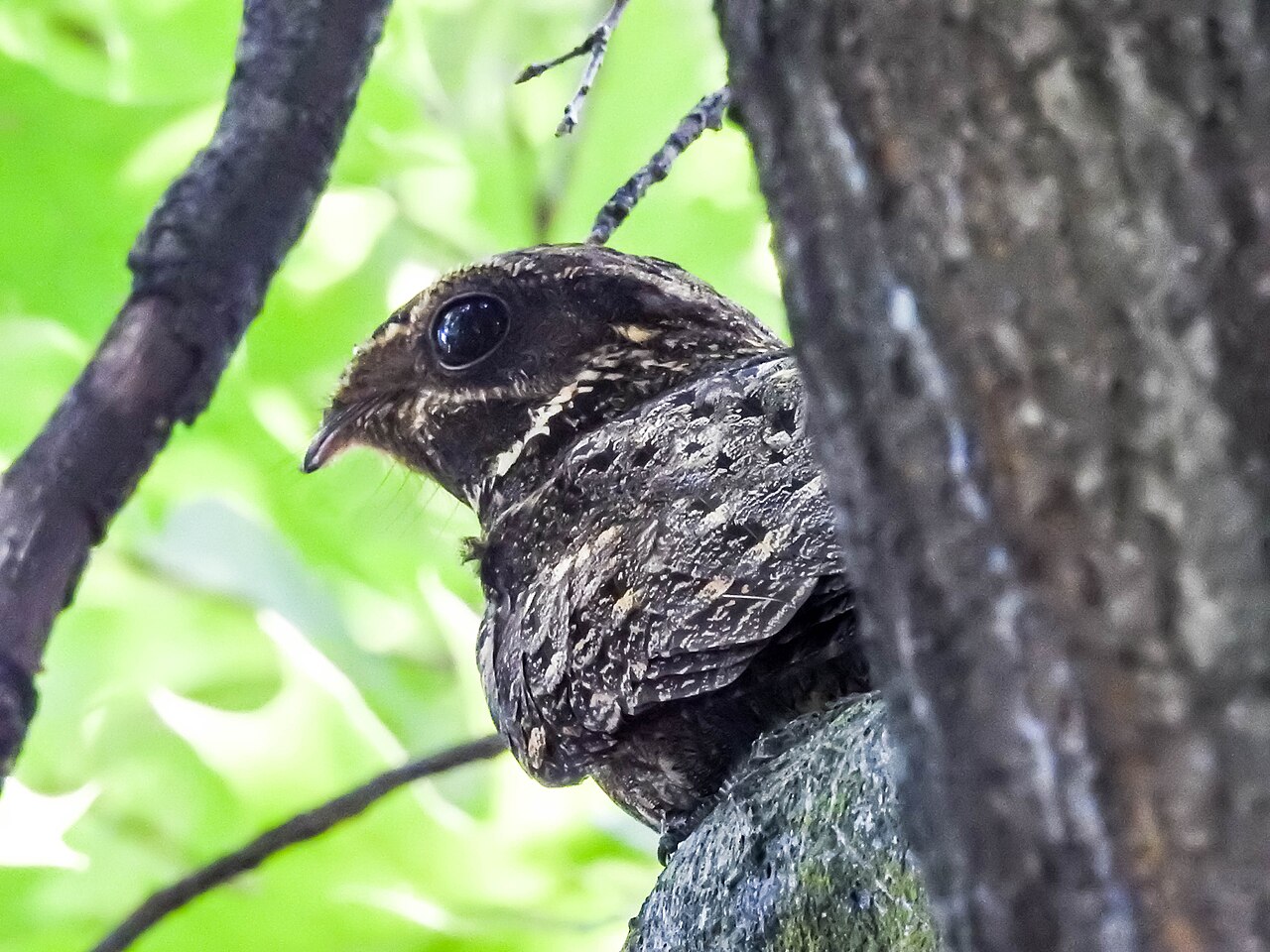
The Eurasian collared dove (Streptopelia decaocto) is the second dove in this story and now covers most of the country after arriving in Florida in the 1980s. Its call is three notes instead of four, “koo KOO kook,” with the stress in the middle and a clipped, slightly harsh ending. People who know mourning doves well still get caught by it.
It is larger and paler than a mourning dove, with a square tail and a thin black crescent across the back of the neck. Collared doves also give a raspy, laughing flight call that no owl produces, which is worth waiting for if you are unsure.
Can a Pigeon Sound Like an Owl?
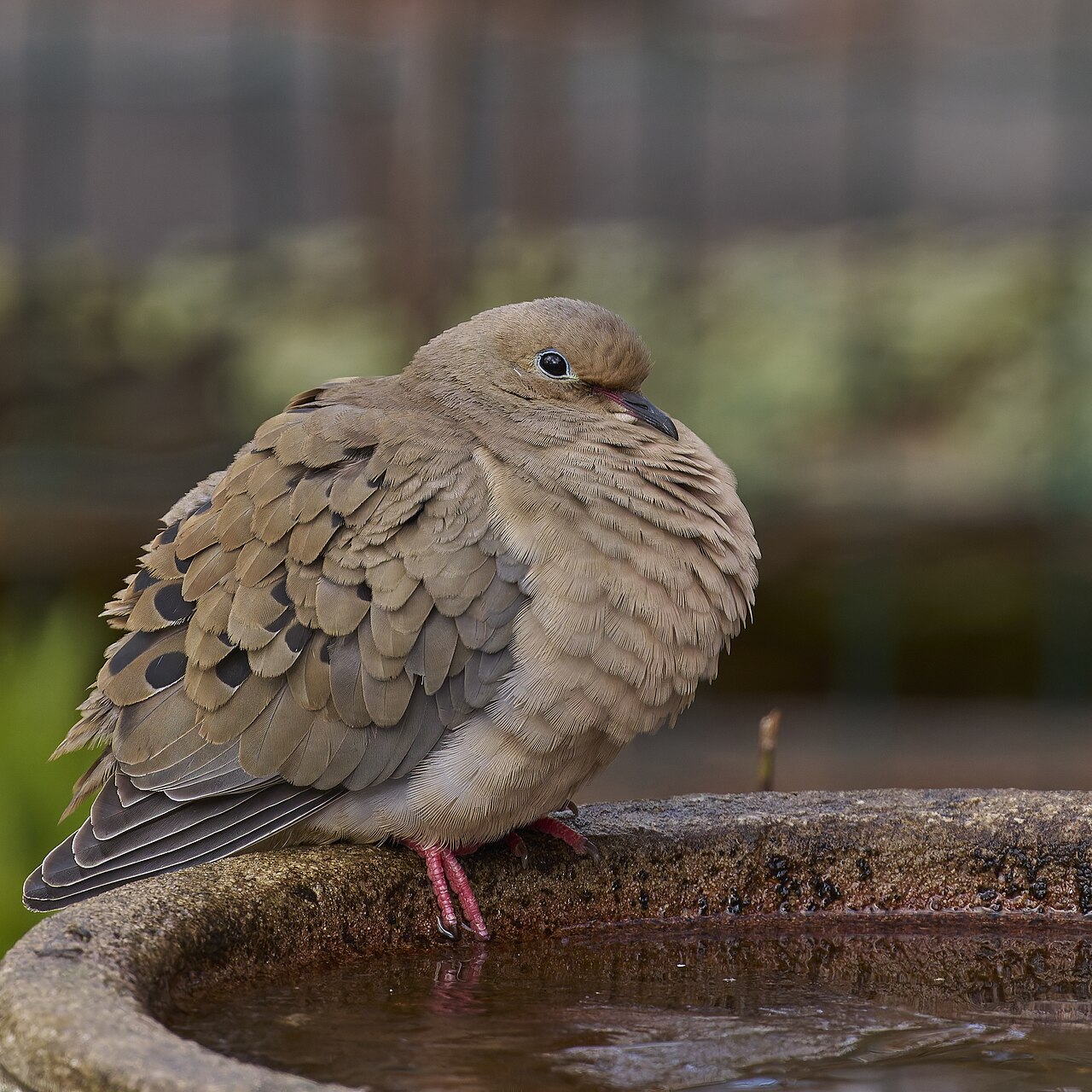
Yes, and rock pigeons (Columba livia) are responsible for a surprising share of indoor reports. A pigeon nesting in a vent, chimney, attic gap, or air shaft produces a low gurgling “oorh coo roo” that resonates through ductwork and arrives in a bedroom sounding deep, close, and distinctly owl like. The resonance is doing the work, not the bird.
The difference is texture. Pigeon cooing rolls and bubbles continuously with no clean separation between notes, while an owl hoot has distinct pulses with silence between them. If the sound comes with scratching, wing beats against metal, or a steady mess below a vent, you have pigeons.
Common Nighthawk: The Dusk Impostor
The common nighthawk (Chordeiles minor) does not hoot, but it is reported as an owl constantly because of when and where it appears. It hunts insects at dusk over fields, parking lots, and rooftops on long pointed wings with white bars, and people see an unfamiliar bird flying in low light and assume owl. Its voice is a nasal, electric “peent.”
The males also make a sound no owl can match: a hollow boom produced by air rushing through the wing feathers at the bottom of a courtship dive. If you hear a sudden whoosh overhead on a June evening, that is a nighthawk, not a hunting owl.
Chuck Will’s Widow and the Eastern Whip Poor Will
These two nightjars call their own names, and both are regularly filed as owls by listeners in the Southeast and East. Chuck will’s widow (Antrostomus carolinensis) gives a four part “chuck WILL will WIDow” from woodland edges, and the eastern whip poor will delivers a sharper three note “whip poor WILL” that can repeat for hours without pause.
The clue is persistence. An owl calls in bouts and then goes quiet for several minutes, while a nightjar can repeat the same phrase several hundred times with barely a break. Anything that will not stop is almost certainly not an owl.
Common Poorwill and Western Nightjars
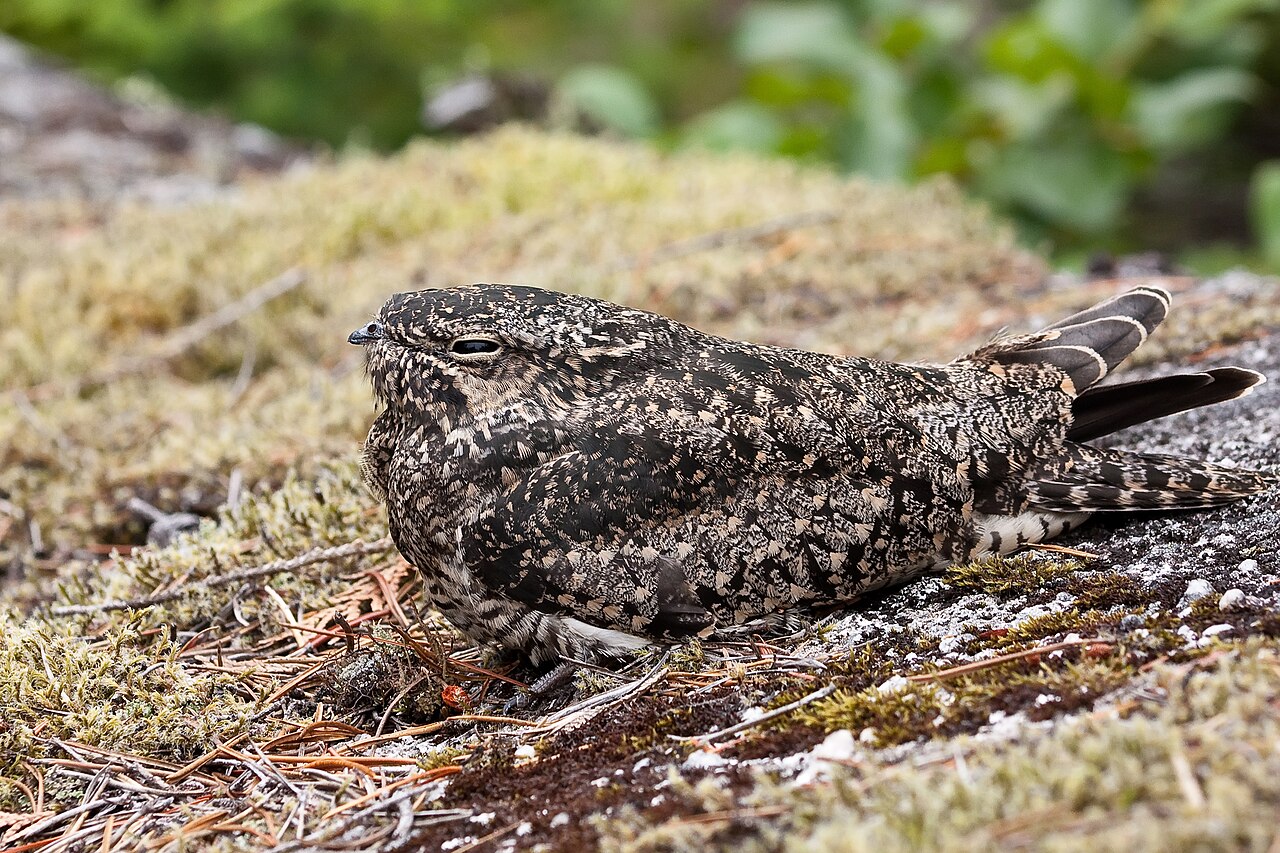
West of the Rockies, the common poorwill (Phalaenoptilus nuttallii) is the usual answer. It sits on bare ground or gravel roads in dry, open country and repeats a soft two note “poor WILL” with a faint third syllable that is only audible up close. The sound is so smooth that it is often described as a small owl calling far away.
Poorwills are also the only birds known to enter true torpor for weeks at a time, which means they can vanish from a canyon in cold weather and return as if nothing happened. In the same habitat, western screech owls do call, so comparing against the western screech owl’s trill is worth the extra minute.
What Bird Makes a Hoo Hoo Hoo Sound?
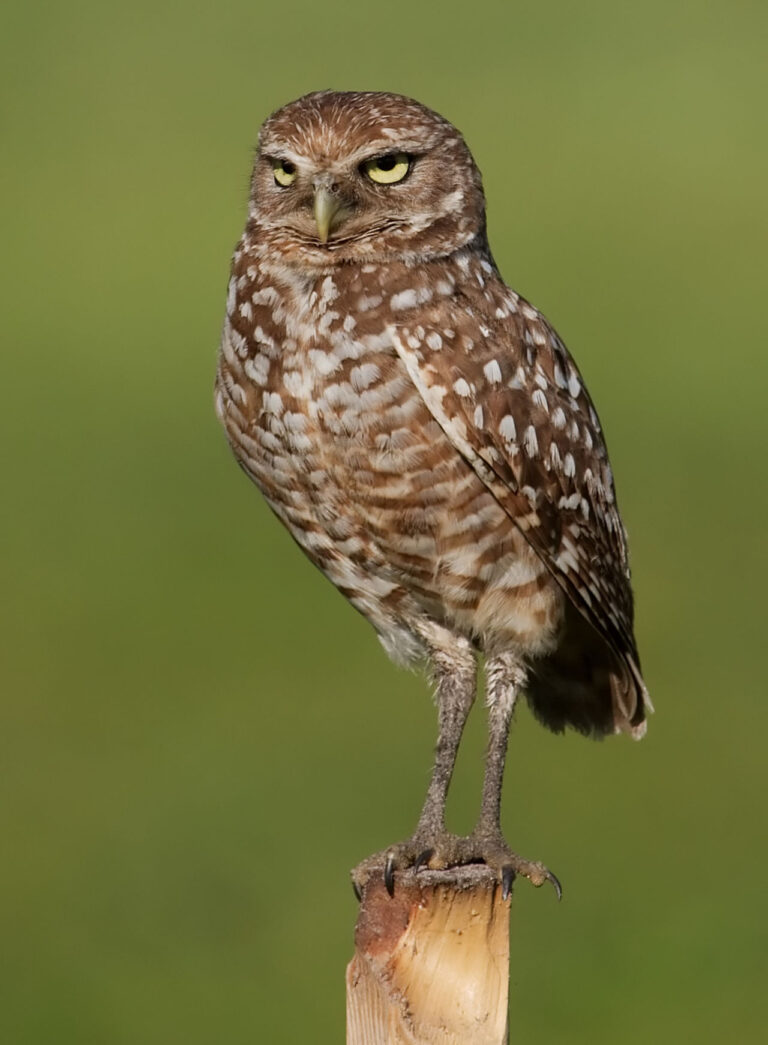
A clean, flat “hoo hoo hoo hoo” with even spacing and no change in pitch is a genuine owl, and in most of the United States it is a great horned owl. Males give four to five deep notes, females give a slightly higher pitched version with more syllables, and pairs answer each other back and forth for several minutes at dusk.
The imitators differ in pattern rather than tone. A dove’s phrase rises and then fades, a nightjar’s repeats endlessly, and a pigeon’s rolls together. Compare directly with great horned owl recordings before deciding, since the same four note rhythm is what people reproduce from memory incorrectly.
What Bird Goes Woop Woop Woop Woop?
A rapid, bouncing “woop woop woop” that accelerates and falls away is a barred owl, not an impostor. Barred owls are the most vocal owls in eastern North America and produce far more than the famous “who cooks for you” phrase, including monkey like cackles, rising wails, and duetting that sounds like two animals arguing in a tree.
People hearing that at 2 a.m. often rule out owls because it sounds too strange to be one. It is worth hearing the full range in our barred owl sound library before you start looking for another bird.
Does a Coyote Sound Like an Owl? Mammals That Fool Listeners
Coyotes do not hoot, but their pup yips and short greeting barks are sometimes logged as owl calls by people hearing them through closed windows at distance. The better mammal candidates are foxes, whose single sharp screams get mistaken for barn owls, and bobcats, whose low yowls and growls carry a long way through still air.
Mammal calls rise and fall within a single note and often sound strained, while owl hoots hold steady and sound hollow. If the sound seems to come from ground level and moves along a fence line, think mammal. Our bobcat sound guide covers the ones that cause the most confusion.
What Does It Mean When You Hear an Owl Hooting Outside Your House?
Biologically it means an owl has claimed the area around your property, which happens most in late winter and early spring when pairs set territory and court. A yard with rodents, an open lawn to hunt over, and a mature tree or outbuilding to perch in is good owl habitat, and the calling is directed at other owls, not at you.
Folk traditions read it very differently depending on the culture, from wisdom and protection to a warning about illness, and we work through those readings in whether owls are good luck. Either way, identify the caller first. The symbolic question only matters once you know it was not a dove.
Frequently Asked Questions
What birds sound like owls but aren’t?
Mourning doves, Eurasian collared doves, rock pigeons, common nighthawks, Chuck will’s widow, eastern whip poor will, and common poorwill are the main ones in North America. Doves and pigeons cause the daytime confusion, while the nightjars cause the after dark confusion because they call from hidden perches for hours.
What animal sounds like a hooting owl?
Among non birds, red foxes, bobcats, and occasionally raccoons produce calls reported as owls, though none of them truly hoot. Foxes scream, bobcats yowl, and raccoons chitter and growl. The reliable distinction is that owl hoots hold one pitch, while mammal calls slide up or down inside a single note.
What bird sounds like an owl during the day?
Almost always a dove or a pigeon. Mourning doves and Eurasian collared doves call through full daylight, and rock pigeons coo from ledges and vents at any hour. Owls are not strictly silent by day, and barred owls in particular call in the afternoon, but a midday hoot is a dove nine times out of ten.
What dove sounds like an owl at night?
Mourning doves occasionally call in the first hour of darkness and before dawn, especially under bright moonlight or near streetlights. If you are hearing a hollow coo at 3 a.m. in the middle of the night, though, the more likely candidates are a nightjar in summer or a screech owl, whose soft trill is easy to miss.
Can a pigeon sound like an owl in an attic?
Yes, and this is one of the most common indoor misidentifications. Confined spaces amplify the low frequencies in a pigeon’s gurgling coo and strip out the rolling texture, leaving something that sounds much deeper and more owl like than the same bird on an open roof. Check vents and soffits for nesting material.
How do I tell a screech owl from a dove or nightjar?
Eastern screech owls give an even, descending whinny or a long bouncing trill on one pitch, not a phrased coo. The trill is the key: no dove or nightjar produces a continuous vibrating note like it. Compare with eastern screech owl recordings and the difference is obvious once heard.
Free reference recordings for every species named here, including regional variations, are available from the Cornell Lab of Ornithology at All About Birds. Playing a mourning dove and a great horned owl back to back is the fastest way to train your ear, and after one comparison most people never confuse the two again.