Bobcat Sounds: The Winter Scream and Every Call Explained
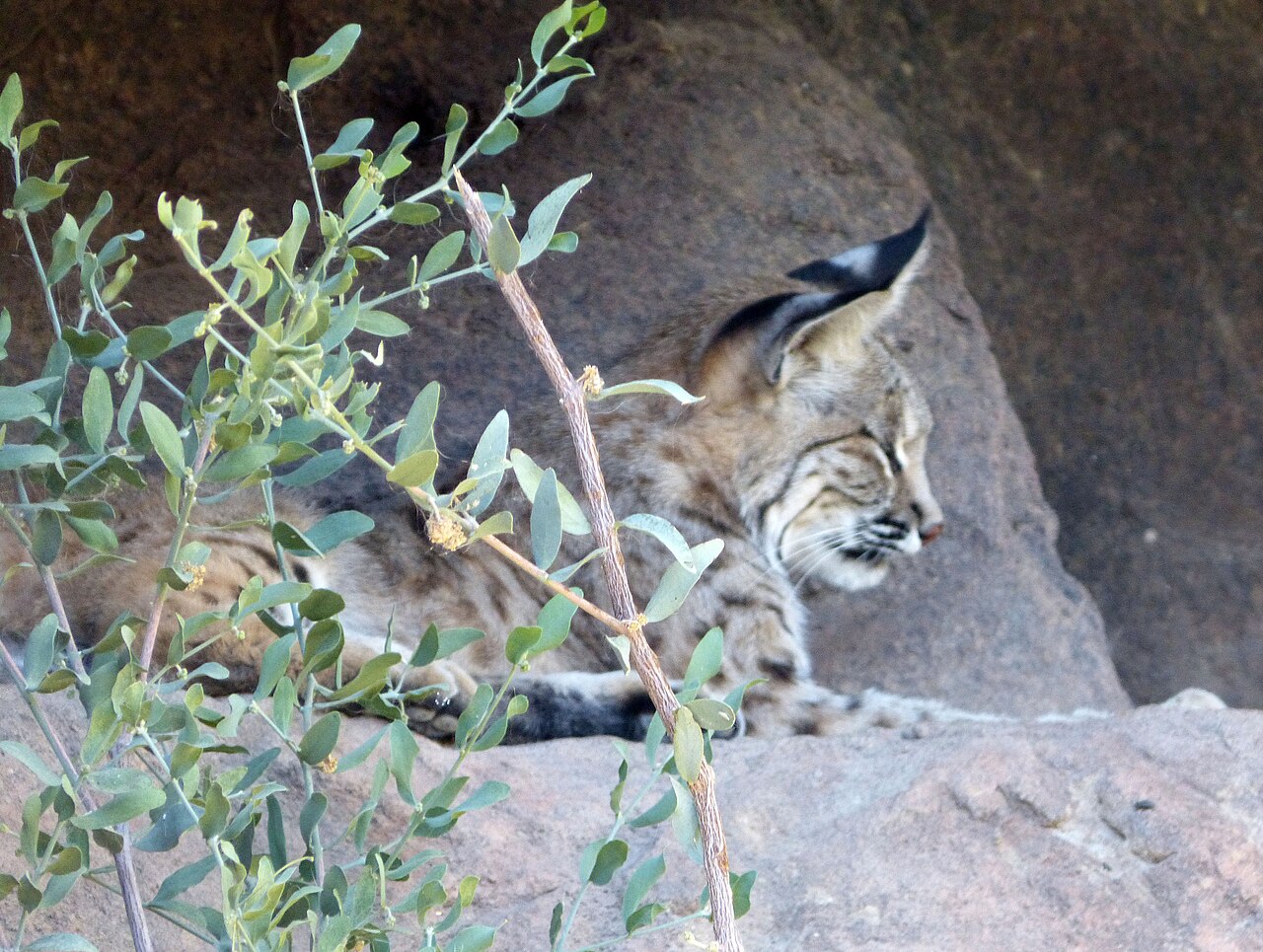
Bobcat sounds are behind some of the most unnerving night noises in North America, chief among them a scream during the late-winter breeding season that rises and falls like a woman in genuine distress, loud enough to carry across a valley and startling enough that it generates wildlife agency calls every February. Beyond that signature scream, bobcats yowl, hiss, growl, spit, and chirp in a vocabulary closer to an oversized house cat than to a dog or coyote, since bobcats are, biologically, simply large wild members of the cat family.
Knowing the bobcat repertoire matters mainly for two practical reasons: separating a genuinely rare and exciting bobcat encounter from the far more common foxes and owls that produce similar screams, and understanding that bobcat vocalizations, however alarming, come from an animal that poses minimal realistic threat to people. This guide covers every common bobcat sound, the breeding-season scream that dominates the species’ reputation, and the identification checks that separate bobcats from their noisy neighbors.
| Sound | What It Means |
|---|---|
| Yowling scream | Breeding call, peaks Jan to March |
| Deep growl | Warning, territorial defense |
| Hiss and spit | Close-range threat display |
| Chirps and mews | Kitten-to-mother contact calls |
| Caterwaul | Extended courtship yowling |
| Purr | Contentment, rare to hear in wild bobcats |
Bobcat sounds include a piercing scream during the late-winter breeding season that resembles a woman screaming, plus yowls, growls, hisses and spitting when threatened, and soft chirps between a mother and kittens. Most bobcat sounds happen at night. A short, raspy, repeated shriek at dusk is more often a red fox.
The Breeding Scream: Bobcats’ Most Famous Sound
The sound most associated with bobcats is a loud, drawn-out yowling scream given primarily during the breeding season, roughly January through March across most of the species’ range, when males travel widely seeking receptive females and both sexes vocalize to announce location and readiness. The scream rises and falls in pitch across several seconds, often repeated at intervals through the night, and its close resemblance to a human scream is the primary reason it generates so many alarmed reports each winter.
Unlike some territorial calls that repeat in a flat, mechanical pattern, the bobcat’s breeding scream carries more tonal variation and emotional-sounding rise and fall, closer to an amplified housecat yowl than to the more monotone repeated shriek of a fox scream, though the two are frequently confused by anyone hearing either for the first time. Both sexes call during this season, with intensity peaking on cold, clear nights when sound travels farthest.
The function mirrors other solitary territorial predators: bobcats live and hunt alone across large home ranges, so the breeding season’s brief window requires loud, long-distance signaling to locate a mate across territory that might otherwise take weeks to traverse silently. Once mating concludes, breeding-season calling drops off sharply, and bobcats return to their typically silent, secretive baseline for the rest of the year.
Growls, Hisses, and the Close-Range Warning System
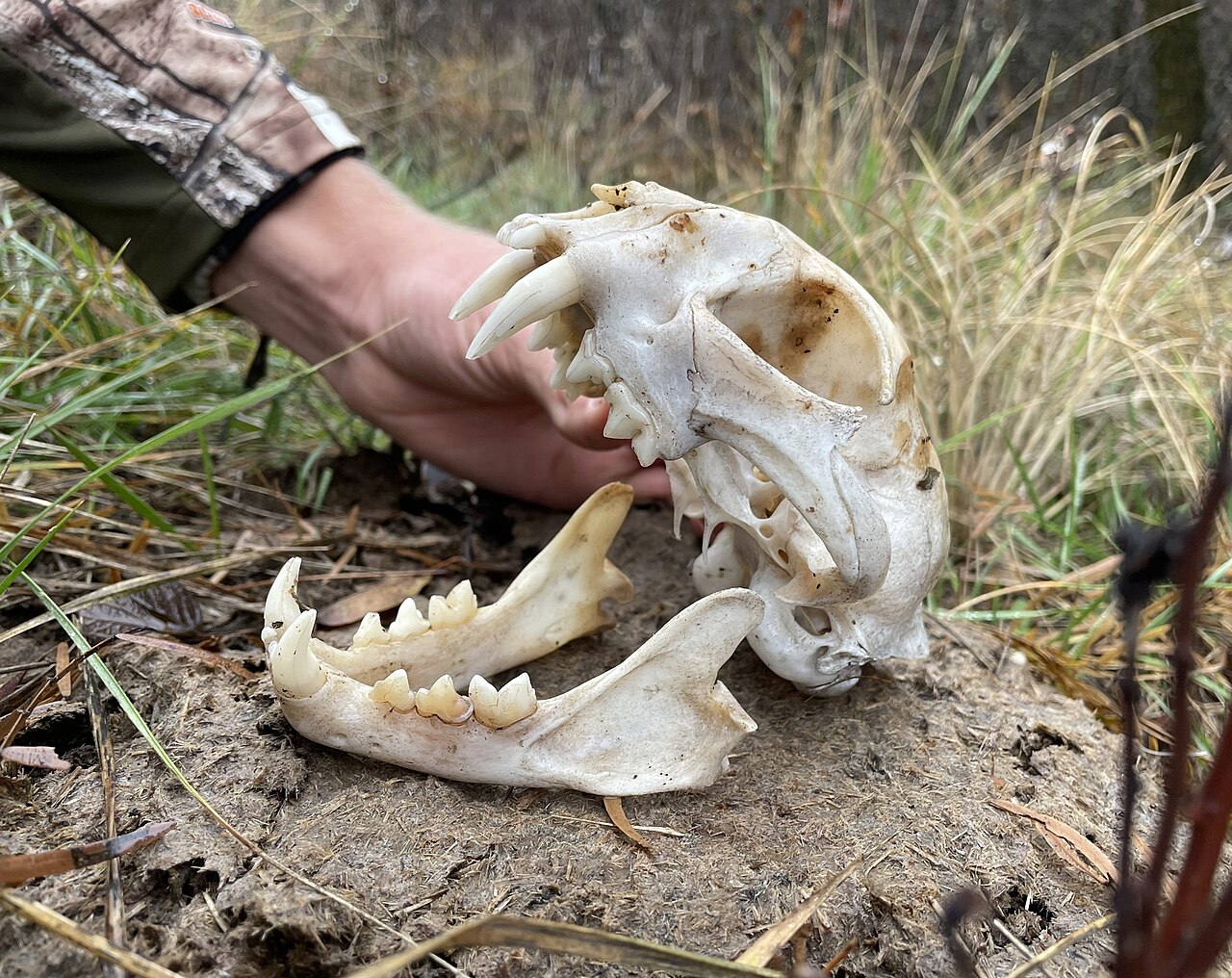
At closer range, bobcats communicate threat and warning through an escalating combination familiar to any house cat owner, just considerably louder: a low, rumbling growl as the first warning, rising to a sharp hiss with bared teeth and flattened ears if the threat persists, and in genuine close encounters, spitting and snarling as a final escalation before the animal typically flees rather than engages, since bobcats strongly prefer avoidance over confrontation with anything human-sized.
This warning ladder appears most often around defended kittens, contested food, or a bobcat that feels cornered with no easy retreat, situations that are rare given how effectively bobcats avoid humans under normal circumstances. A growling or hissing bobcat is communicating clear intent to be left alone rather than preparing to attack, and the appropriate response, giving space and backing away slowly, almost always resolves the encounter without further escalation.
These sounds carry a fraction of the distance of the breeding scream, since their purpose is immediate rather than long-range communication, so hearing a bobcat growl or hiss typically means the animal is startlingly close, within a few dozen feet at most, a genuinely uncommon occurrence given the species’ overall shyness around people and pets.
Chirps, Mews, and the Kitten Vocabulary
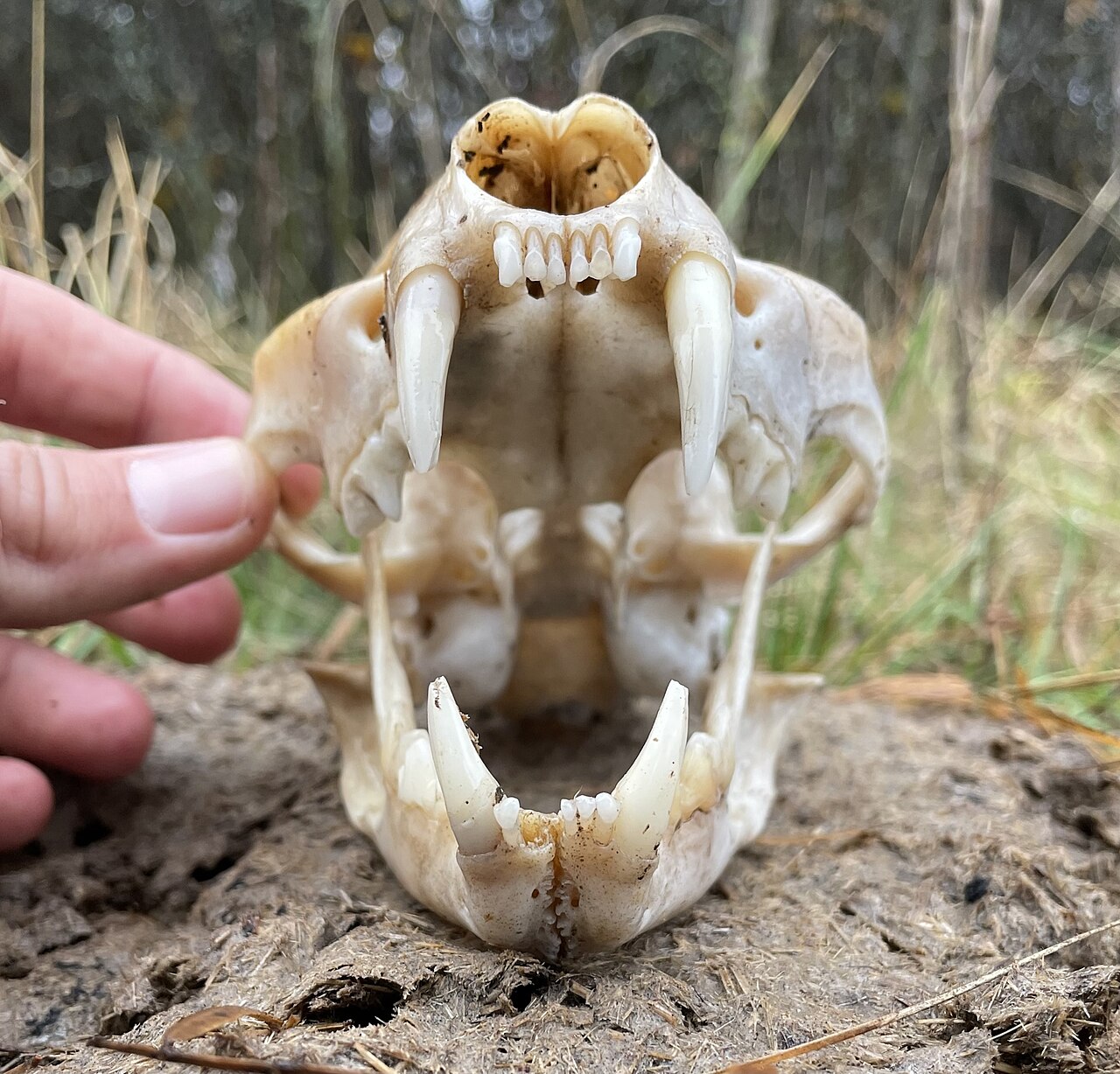
Bobcat kittens, born in spring after the winter breeding season, communicate with their mother through soft chirps, mews, and short bird-like calls, quite different from the dramatic adult breeding scream and rarely heard by anyone outside dense cover where dens are typically located, usually rock crevices, hollow logs, or dense brush thickets away from human activity.
Mothers respond to kitten calls with soft chuffing sounds and occasional low growls directed at potential threats near the den, a maternal vocabulary that remains almost entirely hidden from human observation given how carefully bobcat mothers choose secluded den sites and how quiet the whole family typically stays during this vulnerable period.
As kittens mature over their first several months, their vocal range gradually shifts toward the adult repertoire, though juveniles retain higher-pitched, less developed versions of adult growls and hisses for some time, gradually deepening as body size and confidence increase through their first year of independence.
Caterwauling and Courtship Calls
Beyond the primary breeding scream, bobcat courtship involves extended caterwauling sessions, a term shared with several other cat species for prolonged, variable yowling exchanged between a male and female during the days surrounding mating itself. This courtship vocalization can continue intermittently over several nights as a pair travels and interacts before mating occurs.
These sessions differ from the single, isolated territorial scream in their duration and back-and-forth quality, closer to a conversation between two animals than a solo announcement, and anyone fortunate enough to hear an extended caterwauling exchange, rather than a single scream, is likely hearing an actively courting pair rather than a lone bobcat advertising availability.
Courtship calling, like the primary breeding scream, concentrates almost entirely within the winter breeding window, making late January through March the peak period for essentially all elevated bobcat vocal activity, with the rest of the year offering a much quieter baseline of occasional territorial calls and the close-range warning sounds covered above.
Bobcat Sounds vs Fox, Owl, and Mountain Lion Screams
The bobcat’s breeding scream sits in genuine competition with several other night screamers for causing confused wildlife reports, and a few distinguishing features help sort them out. Compared to the fox’s repeated, relatively flat scream, the bobcat’s call typically carries more dramatic tonal rise and fall within a single scream, closer to an amplified yowl than a flat shriek repeated on a metronome.
Compared to a Barn Owl’s harsh, hissing scream typically given in flight as the bird glides across open ground, a bobcat calls from a fixed or slowly moving ground position, without the smooth aerial quality of an owl’s single pass overhead. And compared to the deeper, more prolonged screams of a mountain lion, where the two species overlap in western ranges, bobcat calls run noticeably higher-pitched and shorter in duration, reflecting the considerable size difference between the two cats.
Location and rarity also help: bobcat encounters close enough to hear vocalization are genuinely uncommon events even in good bobcat habitat, since the species is notably more secretive and lower-density than foxes or owls in most suburban and rural landscapes, so before assuming bobcat, it remains statistically more likely that a mystery scream is one of the far more common fox or owl callers sharing the same woods.
Bobcats Among the Night’s Other Predator Calls
Bobcats share territory across much of the country with several other vocal predators, and distinguishing calls by ear becomes easier once you know the full cast of characters typically involved. Coyotes, far more commonly heard than bobcats in most suburban and rural areas, produce group yips, howls, and barks documented in our coyote sounds guide, a distinctly different, more social and communal soundscape than the bobcat’s solitary yowl.
Raccoons, another frequent source of nighttime screaming confused with bobcats, produce a chaotic, multi-voiced brawl sound during territorial disputes and mating conflicts, covered in detail in our raccoon sounds guide, quite distinct from the bobcat’s single, extended, rising-and-falling scream typically given by one animal rather than several overlapping voices at once.
Owls round out the confusion set, particularly the Barn Owl’s harsh scream, but the full range of owl calls tends toward hoots, screeches, and calls given from perches or during flight rather than the ground-based yowling bobcats produce, and learning the broader soundscape of nighttime callers in your specific region makes any individual bobcat encounter easier to correctly identify going forward.
Why Bobcats Are Rarely Heard at All
Outside the breeding season, bobcats are famously quiet animals, and their default behavioral strategy, solitary, stealthy, and strongly avoidant of humans, means most people who live in bobcat territory for years never hear a single vocalization despite bobcats being present and even occasionally glimpsed on camera or crossing a trail. This baseline silence is precisely why the breeding-season scream stands out so dramatically when it does occur.
State wildlife agencies, including resources published through organizations like the National Park Service (nps.gov), consistently note that bobcats are shy, elusive animals that avoid human contact whenever possible, reflecting a hunting and survival strategy built around stealth rather than the more vocal territorial displays some other predators rely on for long-distance communication throughout the year.
This overall rarity of vocalization means that hearing any bobcat sound at all, whether the dramatic winter scream or a close-range growl, represents a genuinely notable wildlife encounter worth appreciating rather than fearing, since it confirms a naturally secretive predator is present and healthy enough to be exhibiting normal seasonal behavior in your area.
Are Bobcat Sounds Something to Worry About?
Despite how alarming the breeding scream sounds, bobcats pose minimal realistic danger to people, with attacks on humans being exceptionally rare and typically associated only with a sick or cornered animal rather than normal behavior, breeding-related vocalization very much included. A bobcat calling, even from surprisingly close range, is engaged in seasonal communication entirely unrelated to any interest in humans as prey or threats.
Pets, particularly small unattended cats and small dogs, carry somewhat more realistic risk from bobcats than people do, simply due to size overlap with the bobcat’s natural prey base like the rabbits and rodents bobcats typically hunt, making it sensible to supervise small pets outdoors during dawn and dusk hours in known bobcat habitat regardless of whether vocalizations have been heard recently.
For the sound itself, no action is generally warranted beyond simple awareness; a winter scream from the tree line is normal seasonal bobcat behavior, self-limiting to a few weeks each year, and arguably one of the more exciting pieces of evidence that a healthy, functioning wild predator population persists close to home, however startling the first encounter with it might be.
What Attracts a Bobcat to a Yard?
Bobcats come for prey, not for people or rubbish, which makes them different from raccoons and bears. The draw is almost always a concentration of small animals: rabbits and rodents around a feeder or compost heap, ground squirrels in an unmown margin, or backyard poultry. Feeding birds in quantity is an indirect bobcat attractant for exactly this reason.
Two other factors matter. Water is a strong draw in dry regions, so a pond, fountain or leaking irrigation line raises the odds considerably. And cover determines whether an animal that passes through decides to linger: brush piles, dense hedging, woodpiles, crawl spaces and the gap under a deck or shed all provide daytime resting places, and a female may use one as a den site.
The unwanted third category is pets. Small dogs and cats left out at dusk and dawn are within a bobcat’s normal prey range, and outdoor cat food left on a porch draws both the prey and the predator. Removing the food, securing poultry in a covered run, clearing brush against the house and bringing pets in at night resolves nearly every yard bobcat situation without any intervention. The Smithsonian’s National Zoo bobcat profile covers diet, range and denning behaviour.
Frequently Asked Questions
What does a bobcat sound like?
Most notably, a loud, rising-and-falling scream during the winter breeding season, January through March, resembling an amplified house cat yowl. Bobcats also growl, hiss, spit, and use soft chirps between mothers and kittens.
Why do bobcats scream at night?
Primarily to communicate during the breeding season, when solitary bobcats need to locate mates across large territories. The scream peaks from January through March and largely stops once mating concludes.
How can I tell a bobcat scream from a fox scream?
A bobcat’s call typically rises and falls dramatically within a single extended scream, while a fox repeats a shorter, flatter shriek several times in a row at regular intervals.
Are bobcat sounds dangerous or a warning sign?
No; bobcat vocalizations, including the breeding scream, reflect normal seasonal behavior and pose no realistic threat to people. Bobcats are naturally shy and avoid human contact whenever possible.
Why are bobcats usually silent?
Bobcats rely on stealth as a solitary hunting strategy rather than frequent vocal communication, so most people living in bobcat habitat never hear one at all outside the brief winter breeding season.
Do bobcats growl like house cats?
Yes, the warning sequence of growl, then hiss, then spit closely resembles an oversized house cat’s threat display, since bobcats belong to the same broader cat family and share many behavioral patterns.
Should I be worried if I hear a bobcat near my house?
Generally no for people, though supervising small pets during dawn and dusk in bobcat habitat is a sensible precaution given some size overlap with the bobcat’s natural prey. The vocalization itself indicates normal seasonal behavior.