Groundhog Poop: Why You Almost Never See It
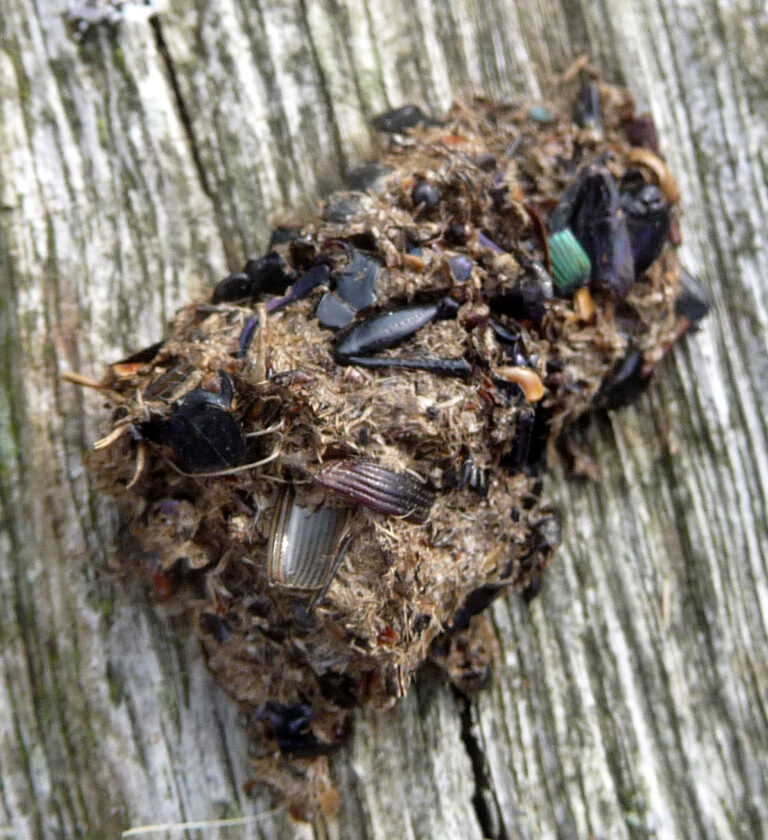
Groundhog poop is one of the least-seen droppings in the backyard, and that scarcity is itself the identifying feature: groundhogs use dedicated underground latrine chambers separate from their living quarters, so surface droppings near an active burrow are uncommon even when a family has lived there for years. When you do find one, a groundhog dropping is a rounded to slightly oval pellet, 3/4 to 1.5 inches long, dark brown, fibrous, and packed entirely with plant matter, clover stems, grass, and dandelion fragments visible under a gentle break.
Because the droppings themselves are rarely seen, most groundhog identification actually happens through the burrow, the damage pattern, and the animal’s daytime habits rather than through scat the way it does with foxes or raccoons. This guide covers what groundhog droppings look like on the rare occasions they surface, why the latrine system exists, how to rule out the lookalikes, and what finding surface pellets actually tells you about the burrow nearby.
| Feature | Groundhog Poop |
|---|---|
| Size | 3/4 to 1.5 inches |
| Shape | Rounded to slightly oval, blunt ends |
| Color | Dark brown, fading tan |
| Contents | Pure plant fiber, no fur or bone |
| Typical location | Underground latrine chamber, rarely surface |
| Surface finds | Occasionally near burrow entrance, in grass |
Groundhog poop is rarely found above ground because groundhogs dig separate latrine chambers inside the burrow. When it does turn up it is a dark brown to black pellet or short segmented tube, roughly half an inch across, usually close to the burrow mouth in spring.
Why You Almost Never Find Groundhog Droppings
Groundhogs are unusually tidy for a wild mammal, and the reason is architectural: a groundhog burrow system includes a dedicated latrine chamber, a side tunnel used exclusively for waste, kept separate from the nesting chamber and the main living quarters. This underground toilet habit means the vast majority of groundhog droppings never reach daylight at all, decomposing quietly in a chamber that may go untouched by human eyes for the burrow’s entire multi-year lifespan.
This is precisely why groundhog droppings are so much rarer to encounter than fox, rabbit, or deer sign despite groundhogs being common and often abundant in a given area. A property can host an active groundhog burrow with a family of kits for a full season, generating meaningful lawn and garden damage, without a single visible dropping ever turning up on the surface.
When surface droppings do appear, they typically signal one of a few specific situations: a young, still-learning kit relieving itself outside the established system near the burrow entrance, an overflow scenario in an old or heavily used burrow, or simply an animal caught short while foraging some distance from home. None of these situations are unusual or concerning; they are simply the occasional exception to an otherwise underground habit.
What Groundhog Droppings Look Like
A groundhog pellet runs 3/4 to 1.5 inches long, noticeably larger than a rabbit’s pea-sized spheres but shorter and blunter than the tapered ropes left by foxes and coyotes. The shape is rounded to slightly oval with blunt, rounded ends on both sides, no pointed tips at all, and the surface texture is coarsely fibrous rather than smooth, reflecting the almost entirely herbivorous diet behind it.
Fresh droppings are dark brown and slightly moist, drying within days to a lighter tan or grayish brown as the plant fiber bleaches, similar to the aging pattern seen in deer droppings and other herbivore scat. Breaking a dry pellet apart, gently and with gloves, reveals nothing but compressed grass, clover, and dandelion fragments, with no fur, bone, seeds, or insect parts of any kind, since groundhogs are strict herbivores unlike the omnivorous mammals that share their habitat.
Volume, when it does appear on the surface, is modest compared to prolific droppers like rabbits or deer, typically just a handful of pellets rather than a substantial pile, consistent with an animal that handles the bulk of its waste underground and only occasionally deposits above ground by circumstance rather than habit.
Groundhog Poop vs the Lookalikes
Rabbit pellets are the closest match in general appearance but split cleanly on size and shape: rabbit droppings are true spheres under half an inch, while groundhog pellets run larger and more oval, with blunter, less perfectly round ends. Our rabbit poop guide covers the full rabbit identification picture for direct comparison.
Deer pellets overlap in size range but differ in deposition pattern and slight shape details: deer droppings often show one pointed end and one dimpled end, dropped in large clustered piles of 50 or more as a deer walks or stands, where groundhog droppings, on the rare occasions found on the surface, appear as isolated pellets or small handfuls rather than substantial piles.
The predator-scat family, fox and coyote droppings, are unmistakably different on close inspection: both are twisted, rope-like, and tapered to a point, packed with fur, feathers, and bone fragments from an omnivorous or carnivorous diet, nothing like the blunt, pure-plant-fiber groundhog pellet. Our fox poop guide covers that entirely different texture and content in detail, and the contrast alone usually settles any confusion in seconds.
Health Risks and Handling

Groundhog droppings carry a generally low health risk profile similar to other herbivorous wildlife scat, without the parasite concerns specifically associated with canid droppings like fox and coyote scat. Standard precautions still apply as with any wildlife waste: gloves for handling, avoiding direct contact, and washing hands afterward, particularly important given that groundhogs, like many mammals, can occasionally carry parasites such as roundworms even without the elevated risk profile of carnivore droppings.
Because surface droppings are so infrequent, they are rarely a practical cleanup concern the way abundant rabbit or deer pellets can be; a handful of pellets near a burrow entrance is easily removed with a gloved scoop if desired, though leaving them poses minimal risk in most yard situations. The larger practical concern around groundhogs is almost always burrow damage and garden feeding rather than the droppings themselves.
Pets investigating a groundhog latrine chamber, if a dog manages to dig into one, face a similarly modest risk profile, though any pet that has direct nose-to-dropping contact with unfamiliar wildlife scat is worth mentioning at a routine vet visit, particularly regarding deworming schedules for outdoor pets in general.
Groundhog Latrines and Burrow Hygiene
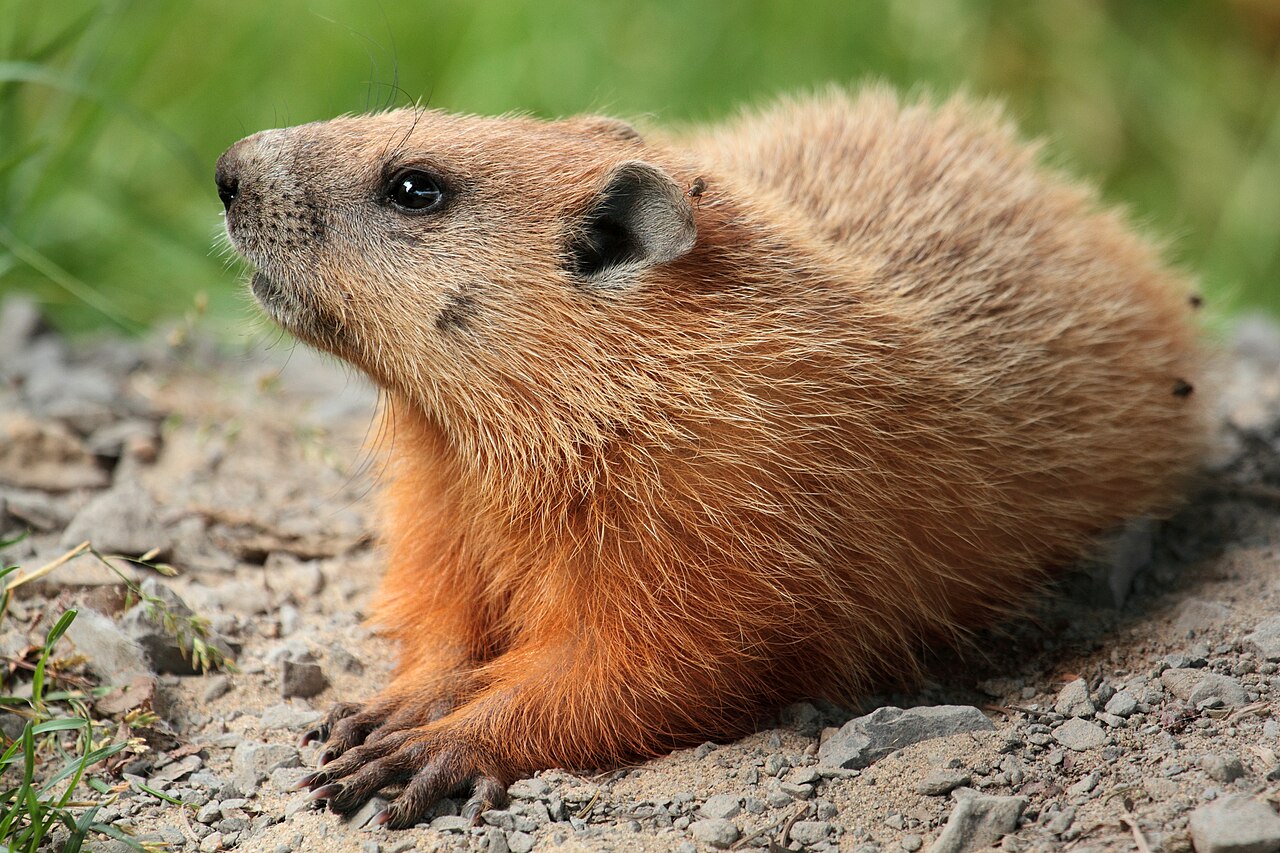
The latrine chamber itself is a genuinely specialized piece of burrow architecture, typically a short side tunnel branching off from the main system, sometimes sealed or partially filled once heavily used, with the groundhog excavating a fresh latrine chamber elsewhere in the burrow system when needed. This compartmentalized approach mirrors a broader pattern seen across the burrow’s design, with separate chambers for nesting, hibernation, and waste all kept distinct from one another.
This latrine habit likely serves a practical hygiene function similar to reasons other burrowing mammals separate waste from living space, reducing parasite load and disease risk within the close quarters of an underground den, particularly important for a species that spends several months each year in prolonged hibernation within the same burrow system, when any contamination in living chambers would pose a more serious ongoing health risk than a quick seasonal exposure would.
Multi-entrance burrow systems, which groundhogs commonly maintain with several entry and exit points beyond the main entrance, sometimes include more than one latrine area distributed through the tunnel network, particularly in older, more extensive burrows that have been expanded and used by multiple generations over the years, adding further explanation for why any single latrine chamber rarely fills to the point of forcing surface deposits.
What Finding a Dropping Actually Tells You
Because groundhog droppings so rarely reach the surface, finding even a small handful near a hole or burrow entrance is a meaningfully strong confirmation that the burrow is actively occupied by groundhogs specifically, rather than by another animal that may have taken over an abandoned system, since foxes, rabbits, skunks, and opossums all readily adopt vacant groundhog burrows and would leave their own very different droppings instead.
The presence of any surface pellets near a burrow, combined with the classic entrance fan of excavated soil and nearby feeding damage on garden plants at a low height, rounds out a confident identification without needing to rely on the droppings as the primary evidence, unlike species where scat is the main diagnostic tool. Our full baby groundhog guide covers the burrow system, the kit calendar, and the humane eviction timeline in complete detail for anyone managing an active groundhog situation.
In practical terms, groundhog management rarely centers on droppings at all; the University of Kentucky Cooperative Extension and similar agricultural extension resources emphasize burrow location, garden fencing, and exclusion timing as the meaningful management levers, with droppings serving at most as a minor confirmatory detail rather than a primary tool, quite unlike the scat-centered tracking used for foxes, coyotes, and other more visibly scent-marking animals.
Seasonal Patterns in Groundhog Droppings
Groundhog activity, and by extension any occasional surface droppings, follows a strongly seasonal pattern tied to the species’ extended hibernation cycle, with groundhogs entering true hibernation from roughly October or November through February or March across much of their range, meaning the latrine system sees essentially no use at all during these winter months when the animal remains dormant underground on stored fat reserves.
Spring emergence, typically February through April depending on region and weather, brings a burst of feeding activity as groundhogs replenish fat reserves depleted over winter, and this period, along with the arrival of kits in a den in late spring, represents the most likely window for any surface droppings to appear, simply due to the sheer increase in overall activity and the learning curve of young kits not yet using the latrine system consistently.
By contrast, the height of summer, when adult groundhogs have settled into an established routine of feeding, resting, and using their latrine chamber reliably, tends to show the least surface evidence of any kind, reinforcing that any droppings found during the warmer months are more likely tied to a specific disruption, a young animal, an overflow situation, or an animal caught away from the burrow while foraging, rather than representing typical behavior.
Groundhog Scat vs Woodchuck Poop: Same Animal, Two Names
Groundhog scat and woodchuck poop are the same thing. Groundhog and woodchuck are two common names for one species, Marmota monax, so searches for woodchuck droppings and groundhog droppings describe an identical find. The name you grew up with usually depends on the region rather than on any difference in the animal.
That matters when you compare photos online, because results split across both names and you can end up thinking you have two different animals in the yard. Whichever term you use, look for the same signature: dark, segmented pellets about half an inch across, often with visible plant fiber, and almost always near a burrow entrance with a fresh dirt apron rather than scattered across open lawn.
Penn State Extension’s guide to woodchucks and their burrow systems describes the tunnel layout, including the separate chambers that keep most droppings out of sight.
Frequently Asked Questions
What does groundhog poop look like?
A rounded to oval pellet, 3/4 to 1.5 inches long, dark brown fading to tan, made entirely of compressed plant fiber with no fur, bone, or seeds. It is larger and blunter than a rabbit pellet.
Why do I never see groundhog droppings in my yard?
Groundhogs use a dedicated underground latrine chamber separate from their living quarters, so the vast majority of their waste never reaches the surface at all, unlike animals such as foxes that deliberately mark territory with visible scat.
Is groundhog poop dangerous?
It carries a generally low risk similar to other herbivore droppings, without the elevated parasite concerns of carnivore scat like fox or coyote droppings. Normal glove-and-wash precautions are sufficient for any handling.
How can I tell groundhog poop from rabbit poop?
Size and shape: groundhog pellets run 3/4 to 1.5 inches and are more oval with blunt ends, while rabbit pellets are smaller, true spheres under half an inch across.
Does finding groundhog droppings mean the burrow is active?
Yes, and meaningfully so, since surface droppings are uncommon for this species even in occupied burrows. Their presence is a fairly strong sign of current groundhog occupancy rather than an abandoned hole.
Do groundhog droppings smell?
Not particularly, especially compared to carnivore droppings; the purely herbivorous diet produces a milder, grassier odor than the sharp, musky smell typical of fox or coyote scat.
What should I do if I find groundhog droppings near my garden?
Little cleanup is usually needed given the small quantities typically involved; focus instead on identifying the burrow, timing any exclusion work around the kit calendar, and fencing valuable garden beds, since droppings themselves rarely require significant action.