Animal Poop Identification: A Field Guide by Species
Finding droppings in the yard is often the first sign of a visitor you never actually see. Size, shape, contents, and location together narrow the list fast, and most backyard scat falls into one of a handful of recognizable categories once you know what to check.
This guide organizes 46 identification pieces by animal group, from backyard rodents to birds to the reptiles and amphibians people rarely expect to find droppings from at all. Each linked guide covers exact size ranges, what the contents reveal, and any health risk worth knowing about before cleanup.
Animal droppings are identified mainly by size, shape, and contents: pellet shape usually means a rodent or rabbit, tubular segmented droppings point to carnivores like fox or coyote, and location matters too, since raccoons and skunks return to the same latrine spot repeatedly.
| Guide | What It Covers |
|---|---|
| Mouse Poop | Identification, health risks, and safe cleanup |
| Rat Poop | Identification, health risks, and safe cleanup |
| Squirrel Poop | Identification and how it differs from rat |
| Chipmunk Poop | Identification and comparison guide |
| Groundhog Poop | Why you almost never see it |
| Mole Poop | Why you’ll never actually see it |
| Rabbit Poop | Identification, safety, and the fertilizer bonus |
| Hamster Poop | What healthy droppings look like |
| Bat Poop | How to identify guano and clean it up safely |
| Bat Poop vs Mouse Poop | The crush test and location clues |
| Rat Poop vs Mouse Poop | Size, shape, and health risks |
| Squirrel Poop vs Mouse Poop | How to tell them apart |
| Squirrel Poop vs Rat Poop | How to tell them apart |
| Roach Poop vs Mouse Poop | Shape, texture, and control |
| Deer Poop | Identification, size, and what it tells you |
| Elk Poop | Identification and how it differs from deer |
| Moose Poop | What it looks like and how to identify it |
| Deer Poop vs Rabbit Poop | Size, shape, and garden damage |
| Bear Poop | What it looks like and how to identify it |
| Coyote Poop | How to identify coyote scat |
| Wolf Poop | Identification and how it differs from coyote |
| Fox Poop | Identification, health risks, and what it reveals |
| Bobcat Poop | Identification and how it differs from coyote |
| Mountain Lion Scat | Identification and what it means |
| Raccoon Poop | Identification, latrines, and the roundworm risk |
| Possum Poop | Identification and health risks guide |
| Skunk Poop | Identification and health risks guide |
| Raccoon vs Possum Poop | Shape, roundworm risk, and cleanup |
| Armadillo Poop | Identification guide |
| Bird Poop Identification | General identification guide |
| Bird Poop on You Meaning | What it means, superstition vs reality |
| Goose Poop | Identification, health risk, and cleanup |
| Turkey Poop | How to tell a tom from a hen by droppings |
| Why Is Bird Poop White | The real answer |
| Owl Pellets vs Owl Poop | What you found under the tree |
| Snake Poop | Identification and what it looks like |
| Lizard Poop | Identification and what it tells you |
| Gecko Poop | Identification and how to clean it up |
| Iguana Poop | Identification, risks, and cleanup |
| Frog Poop | What it looks like and how to identify it |
| Toad Poop | Identification and the real risk to dogs |
| Bed Bug Poop | What it looks like and the smear test |
| Carpet Beetle Poop | Identification and fabric damage |
| Cricket Poop | Identification and cleanup |
| Termite Droppings | Identification and what to do |
| Spider Poop | What it looks like and how to clean it |
How to Identify Animal Scat: What to Look For
Four things narrow down almost any dropping: size, shape, contents, and location. Size alone rules out most options immediately, since a dropping the size of a grain of rice is never a coyote and a two-inch pellet is never a mouse. Shape separates diet types, tubular and tapered usually means a carnivore, rounded pellets usually mean a plant-eater, and loose or splattered droppings usually mean a bird or an animal on a soft diet. Contents matter just as much once you look closely: fur and bone fragments point to a predator, while undigested seeds or plant fiber point to an herbivore. Location is the tiebreaker in close cases, since some species return to the exact same spot repeatedly to create what’s called a latrine, while others scatter droppings randomly across a territory. The National Wildlife Federation recommends never handling scat with bare hands regardless of species, since even droppings that look old can carry parasite eggs or bacteria for weeks.
Rodent Droppings: Mice, Rats, Squirrels, and Chipmunks
Mouse droppings are small, dark, and pointed at both ends, usually scattered rather than piled, and finding a fresh cluster near food storage is the most common way people discover an infestation. Rat droppings look similar but noticeably larger, roughly three-quarters of an inch, with blunt rather than pointed ends, and both species carry salmonella risk that makes dry-sweeping a bad idea. Squirrel droppings are pellet-shaped and often found in attics or along fence lines where squirrels travel repeatedly, distinguishing them from the more random scatter pattern of mice. Chipmunk droppings are similar in size to mouse droppings but tend to show up near garden beds and stone walls rather than indoors, reflecting the chipmunk’s more outdoor, burrow-based lifestyle.
Burrowing and Grazing Mammal Droppings
Groundhog droppings are rarely seen at all, since groundhogs typically bury their waste inside underground burrow chambers rather than leaving it exposed. Mole droppings are even harder to find for the same reason, as moles spend nearly their entire lives underground and deposit waste within their tunnel systems. Rabbit droppings are the opposite case, small round pellets scattered openly across lawns and garden beds, and unlike most droppings on this list they’re safe to use directly as garden fertilizer without composting first. Hamster droppings, relevant for pet owners rather than wildlife watchers, are small dark pellets that should stay firm and odor-mild in a healthy animal, with soft or foul-smelling droppings signaling a diet or health problem. Bat guano rounds out this group, a crumbly, sparkly dropping (from undigested insect exoskeletons) that accumulates in piles below roosting sites and requires careful handling due to histoplasmosis risk.
Rodent Look-Alike Comparisons
Some of the most common identification questions involve telling two similar-looking droppings apart rather than identifying one in isolation. Bat guano vs mouse droppings comes down to a simple crush test: guano crumbles into shiny insect fragments, while mouse droppings stay solid and fibrous. Rat vs mouse is mostly a size and end-shape comparison, with rat droppings roughly triple the volume and blunt-ended rather than pointed. Squirrel vs mouse and squirrel vs rat both hinge on location as much as size, since squirrel droppings show up in attics and along travel routes rather than scattered near food sources. Roach droppings vs mouse droppings is a common point of confusion in kitchens, but roach droppings are more uniformly cylindrical with visible ridges under magnification, while mouse droppings taper at the ends.
Deer, Elk, and Moose Droppings
Deer droppings are small, dark, acorn-shaped pellets, often found in loose piles along browse lines through wooded property edges. Elk droppings look similar but scale up considerably, reflecting the animal’s much larger body size, and often appear in cylindrical clumps rather than individual pellets during wetter seasons. Moose droppings follow the same general pattern at an even larger scale, with distinct pellet shape in winter shifting to looser, patty-like deposits in summer when moose eat more moisture-rich vegetation. Deer vs rabbit is a common backyard mix-up since both produce round pellets, but deer pellets are notably larger and more oblong, and they typically appear along tree lines rather than scattered across open lawn.
Bear, Coyote, Wolf, Fox, Bobcat, and Mountain Lion Droppings
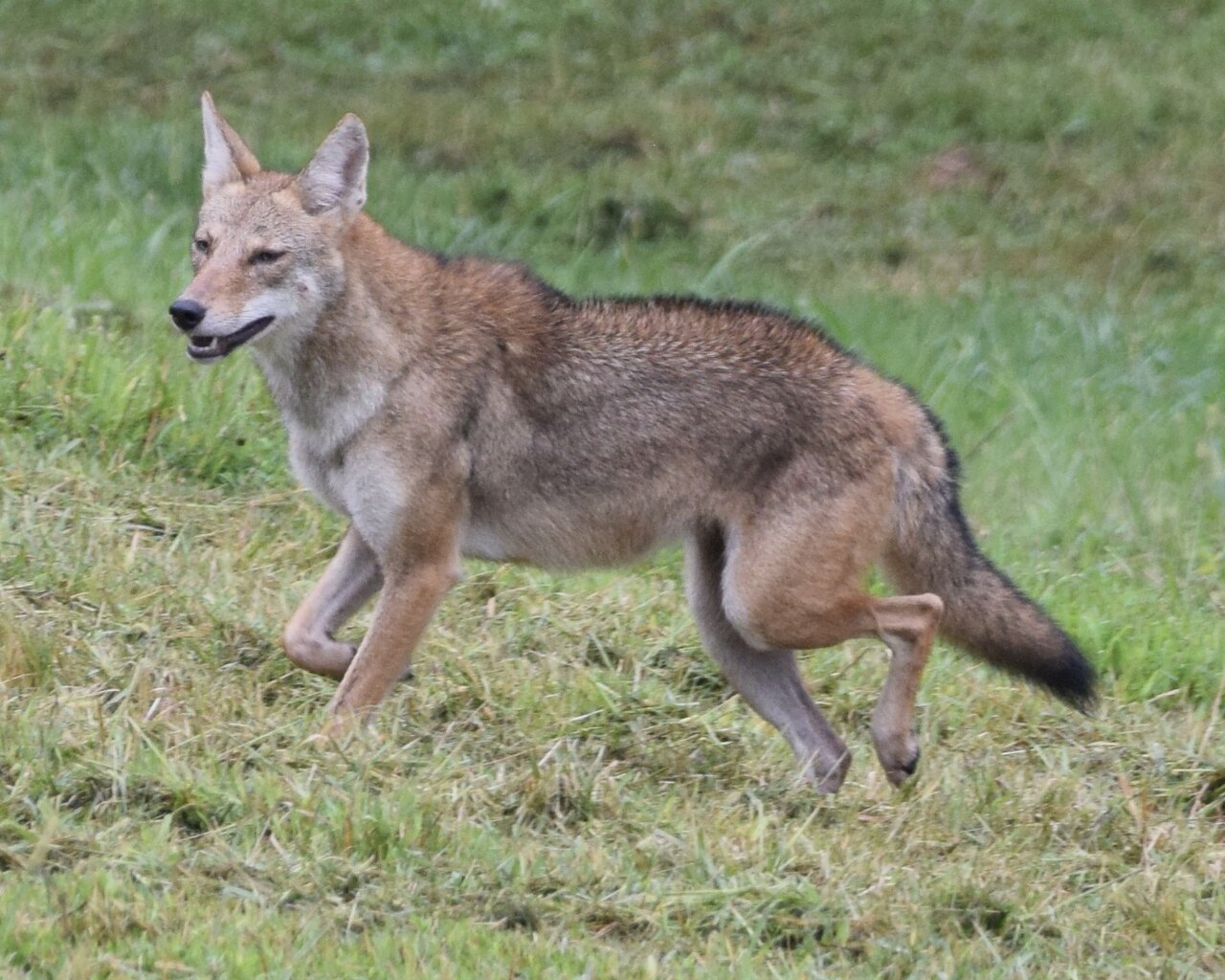
Bear droppings vary enormously with diet, tubular and fibrous during berry season, looser and darker after a meat-heavy meal, and size alone is often enough to rule out anything smaller. Coyote droppings are tubular with tapered ends and frequently contain visible fur or bone fragments from small prey, often deposited prominently on trails as a territory marker. Wolf droppings look similar to coyote but scale up in both length and diameter, matching the larger body size, and are far less common in typical backyard settings. Fox droppings are twisted and tapered with a notably strong musky odor that distinguishes them from coyote scat even before you check size, and they carry a raised, deliberately placed pattern similar to coyote territory marking. Bobcat droppings resemble a small domestic cat’s, segmented and often buried or scratched over, a key difference from the exposed placement typical of canine species. Mountain lion scat is larger still, segmented and tapered, frequently covered by a scrape of soil or leaves in the same way a house cat covers waste, and finding it is a signal worth taking seriously in mountain lion range.
Raccoon, Possum, Skunk, and Armadillo Droppings
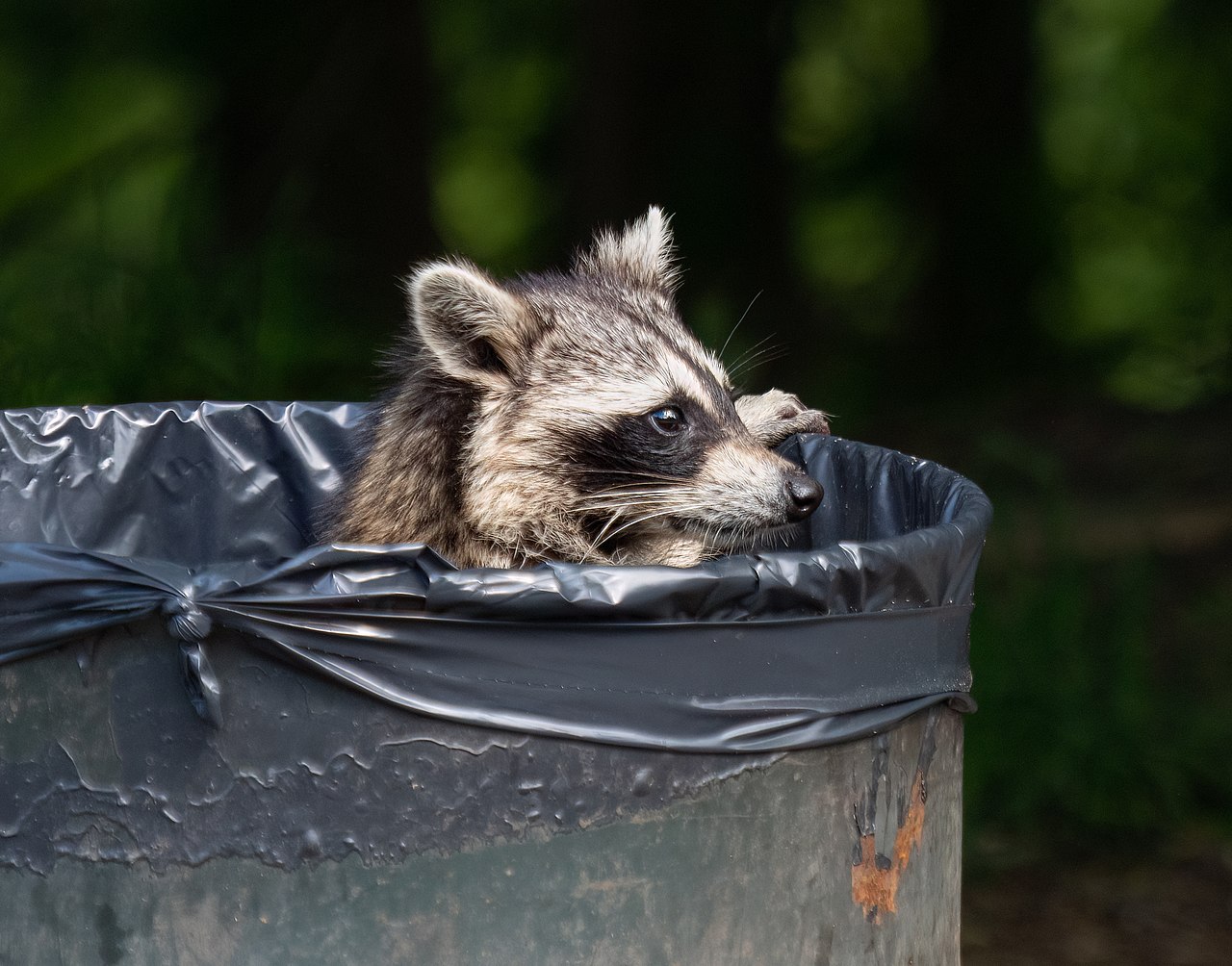
Raccoon droppings are tubular with blunt ends and frequently packed with berry seeds or pet food remnants, and raccoons famously return to the same latrine site repeatedly, which concentrates roundworm egg risk in one spot rather than spreading it across a yard. Possum droppings are similar in general shape but more variable and crumbly, reflecting the opossum’s true omnivore diet. Skunk droppings often contain visible insect parts, especially grub and beetle fragments, and tend to show up near dug-up patches of lawn where the skunk was foraging. Raccoon vs possum identification usually comes down to consistency and location, raccoon droppings are firmer and latrine-based while possum droppings are looser and more scattered. Armadillo droppings round out the group, small and pellet-like, most often found near freshly dug soil where the animal was hunting grubs and insects.
Bird Droppings and What They Reveal
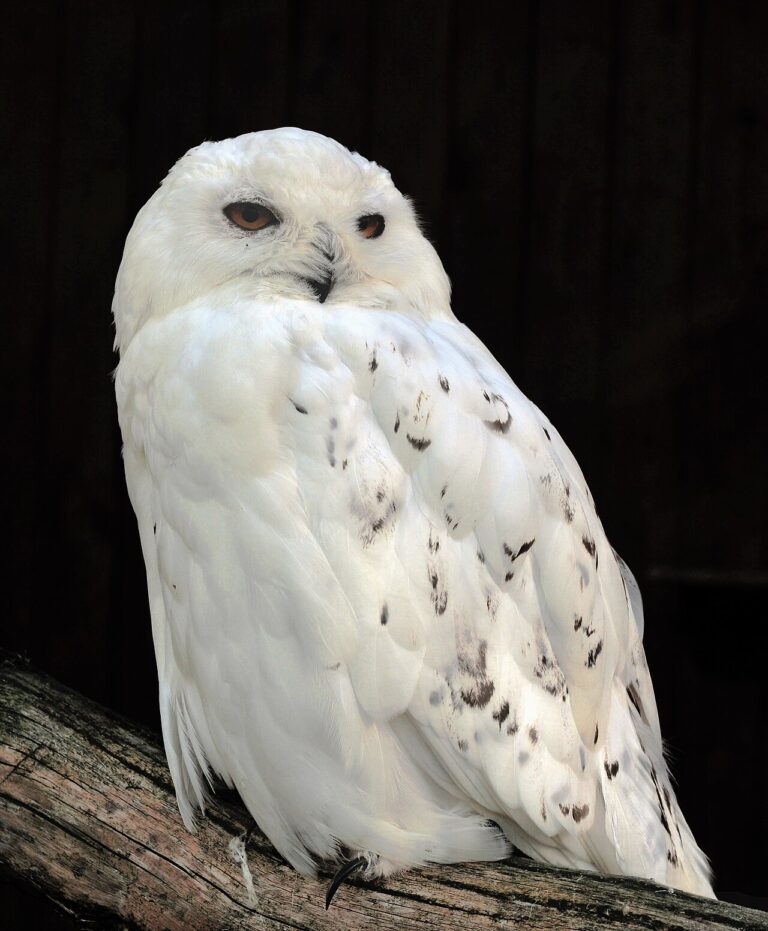
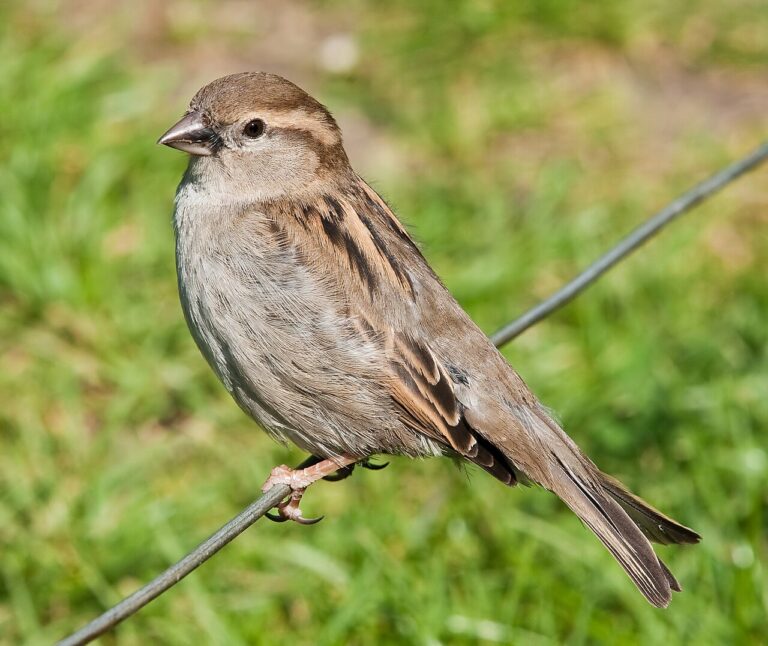
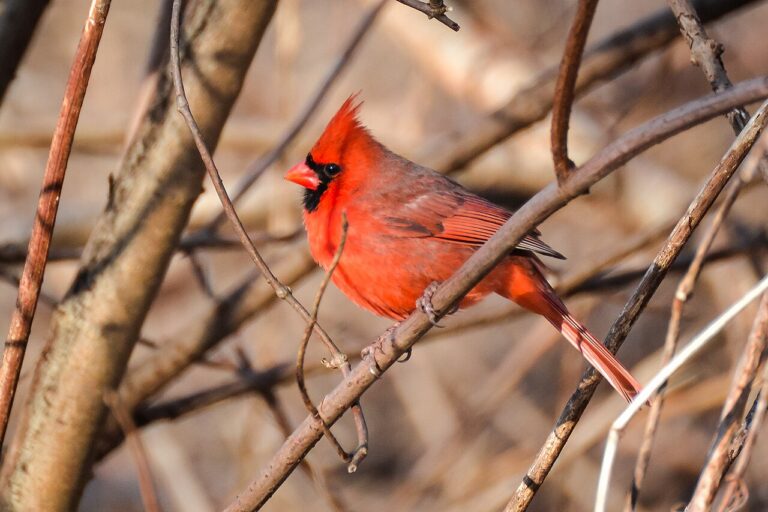
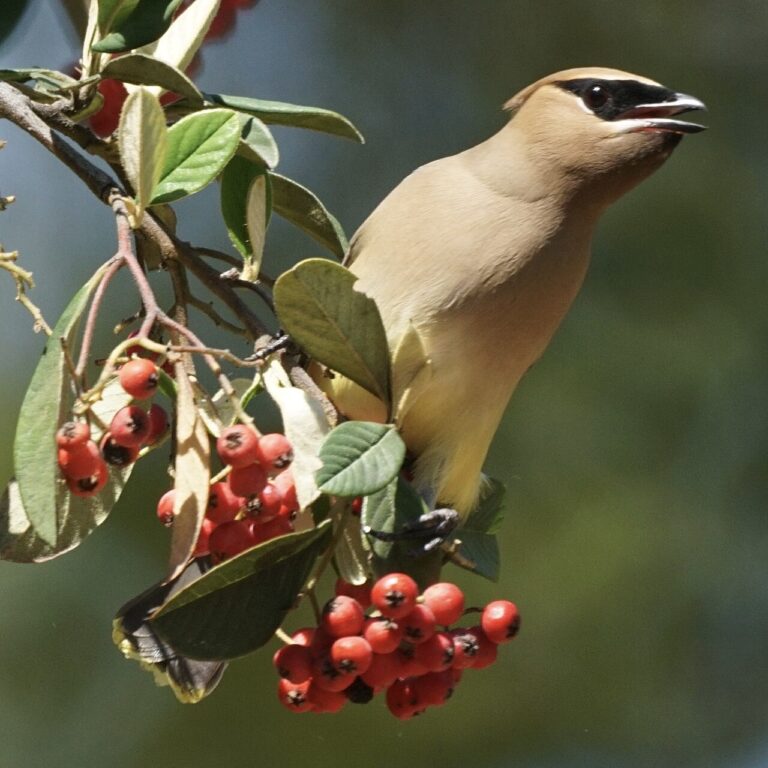
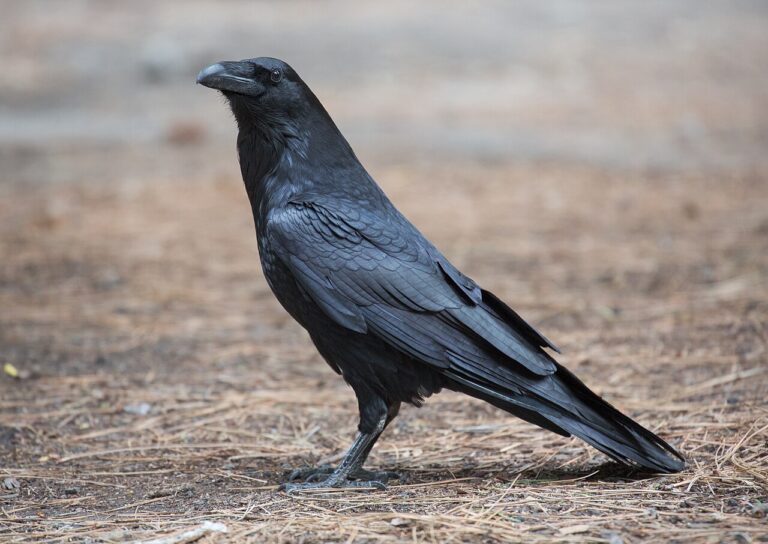
General bird droppings follow a recognizable pattern across most species: a dark solid portion paired with a white, chalky component, which is actually uric acid waste rather than a separate substance. The white portion exists because birds excrete nitrogen waste as uric acid instead of urea, concentrating it as a paste rather than diluting it in liquid urine the way mammals do. Getting hit by bird droppings has no basis in luck either direction, despite the widespread superstition, it’s simply a matter of standing under an active perch at the wrong moment. Goose droppings are larger and more frequent than most backyard birds, a single Canada goose can produce droppings every 20 minutes, which is why goose-heavy parks often need regular cleanup. Turkey droppings carry a useful identification trick of their own, J-shaped droppings usually indicate a male, while spiral or coiled droppings usually indicate a female. Owl pellets are frequently confused with droppings but are an entirely different thing, a regurgitated mass of undigested fur and bone rather than digestive waste at all.
Reptile and Amphibian Droppings
Snake droppings are cylindrical and often paired with a white uric acid cap, similar in principle to bird droppings, and finding shed skin nearby is a strong confirming clue. Lizard droppings follow the same general pattern at a smaller scale, with the exact size varying widely by species from anole to iguana. Gecko droppings are distinctly small with a curled shape and the same white uric acid tip, commonly found in corners or along baseboards for house geckos. Iguana droppings scale up considerably given the animal’s larger size, and captive iguana owners should watch for changes in consistency as an early sign of digestive illness. Frog droppings are small, dark, and cylindrical, usually found near water features rather than scattered across dry lawn. Toad droppings look similar but come with a specific dog-safety concern, since curious dogs that mouth a toad risk exposure to skin toxins well before any dropping is involved.
Insect and Household Pest Droppings
Bed bug droppings appear as small dark spots that smear rather than crumble when wiped, a simple test that distinguishes them from other household pest debris on a mattress seam. Carpet beetle droppings are gritty and often mixed with shed larval skins, typically found near the fabric or wool items the larvae have been feeding on. Cricket droppings resemble small dark grains and tend to accumulate near damp basement corners where crickets prefer to shelter. Termite droppings, technically called frass, look like tiny six-sided wood-colored pellets and their presence near a wall or windowsill is one of the clearest signs of an active termite problem. Spider droppings appear as small dark or brownish spots on walls near a web, distinct from insect frass in their splattered rather than pelleted appearance.
When Animal Droppings Signal a Problem
A single old dropping rarely means much, but fresh droppings in the same spot day after day usually mean an animal has settled in rather than just passed through. Rodent droppings near food storage, bat guano accumulating in an attic, or a raccoon latrine near a play area are all situations worth acting on quickly rather than waiting, since the health risks scale with how long droppings sit undisturbed and how often the space is reused. When in doubt about a species or a health risk, treating any unidentified dropping with gloves and caution costs nothing and avoids the handful of situations, like guano or raccoon latrines, where the risk is genuinely serious.
Frequently Asked Questions
How can I tell rodent droppings from bird droppings?
Rodent droppings are solid and uniform in color throughout, while bird droppings almost always include a white or pale uric acid portion alongside the darker solid part.
Is it dangerous to touch animal droppings?
Many droppings, especially from rodents, bats, and raccoons, can carry bacteria or parasites, so gloves and careful cleanup are recommended for any dropping you can’t confidently identify as harmless.
What does raccoon poop look like compared to dog poop?
Raccoon droppings are tubular with blunt rounded ends and often contain berry seeds or food scraps, while dog droppings tend to be smoother and more uniform depending on diet, though location, raccoons favor a repeated latrine spot, is often the faster clue.
Why do some animals return to the same spot to go to the bathroom?
Species like raccoons, foxes, and mountain lions use latrines or scent-marked spots to communicate territory boundaries to other animals, rather than for cleanliness reasons.
Can I use animal droppings to identify what’s living in my yard even without seeing the animal?
Yes, in most cases size, shape, and location together are enough to narrow a dropping down to one or two likely species, even without a direct sighting.
What’s the difference between scat and poop?
The terms describe the same thing, wildlife biologists and trackers tend to use “scat” for wild animal droppings specifically, while “poop” is used more generally across both wild and domestic animals.