Mole Poop: Why You’ll Never Actually See It
Mole poop is genuinely rare to actually encounter, since moles spend nearly their entire lives underground within their extensive tunnel systems, depositing droppings within these hidden tunnels rather than on visible surface areas the way many other common backyard mammals characteristically do, meaning most homeowners dealing with mole activity in their yard will identify the problem through the mole’s distinctive surface tunneling and molehills rather than through any visible droppings evidence.
When mole droppings are actually encountered, typically only when tunnel systems are excavated or disturbed, they appear as small, dark, somewhat elongated pellets reflecting this species’ genuinely insectivorous diet, composed almost entirely of earthworms, grubs, and other soil-dwelling invertebrates rather than the more varied omnivorous diet many other common yard mammals rely on. This guide covers what mole droppings actually look like when encountered, why moles are actually beneficial despite their unwelcome surface damage, how to identify mole activity through more reliable surface signs than droppings, and effective, non-lethal approaches for managing unwanted mole activity in a lawn or garden.
| Feature | Mole Droppings |
|---|---|
| Visibility | Rarely seen, deposited underground |
| Appearance | Small, dark, somewhat elongated |
| Diet reflected | Earthworms, grubs, soil insects |
| Better identification method | Molehills and raised surface tunnels |
| Ecological role | Beneficial (grub/pest control, soil aeration) |
Mole droppings are rarely found because moles deposit them inside their tunnel systems rather than on the surface. When digging exposes some, they are small dark pellets under a quarter inch, often crumbly and full of earthworm remains. Molehills and raised surface runs are the reliable sign of activity.
Why Mole Droppings Are So Rarely Seen
Moles spend nearly the entirety of their lives within underground tunnel systems, only rarely surfacing briefly and typically avoiding open, exposed areas whenever possible, meaning droppings deposited within these tunnel systems remain almost entirely hidden from typical surface-level observation that would readily reveal the droppings of more surface-active backyard wildlife species.
This underground lifestyle means most homeowners dealing with confirmed mole activity never actually encounter droppings evidence directly, instead identifying the problem entirely through the surface disturbance moles create while tunneling, including raised ridges of soil marking shallow tunnel routes and the distinctive volcano-shaped molehills created when moles push excavated soil to the surface from deeper tunnel systems.
Actually encountering mole droppings typically requires directly excavating or otherwise disturbing an active tunnel system, circumstances uncommon enough during normal yard maintenance that droppings identification remains a genuinely minor, rarely relevant consideration compared to the far more visible and practically useful surface tunneling evidence covered throughout the rest of this guide.
What Mole Droppings Look Like When Found
When mole droppings are actually encountered, typically during tunnel excavation or unusual disturbance of an active tunnel system, they appear as small, dark, somewhat elongated pellets, a general shape and coloring reflecting this species’ genuinely insectivorous diet composed almost entirely of earthworms, grubs, and various soil-dwelling insects rather than plant material or the more varied diet many other common yard mammals rely on instead.
This diet-driven dropping composition means mole droppings show relatively little of the plant matter or seed content sometimes visible in the droppings of more omnivorous backyard mammals, instead reflecting the more uniform, protein-heavy composition consistent with a diet centered almost entirely on soil-dwelling invertebrates captured during the mole’s underground foraging activity.
Given how rarely these droppings are actually encountered and identified in practice, most practical mole identification and management relies entirely on the more visible, considerably more useful surface evidence covered in the following section, making dropping identification itself a genuinely minor consideration within the broader practical picture of confirming and addressing mole activity in a yard or garden.
Better Identification: Molehills and Surface Tunnels
The most reliable and practically useful evidence of mole activity involves two distinct surface signs: raised, ridge-like tunnels marking shallow feeding tunnels just beneath the surface, and distinctive volcano-shaped molehills created when moles push excavated soil upward from deeper tunnel systems, both considerably more visible and identifiable than any droppings evidence this species leaves behind.
These raised surface ridges typically appear as winding, somewhat random paths across a lawn or garden area, reflecting the mole’s foraging tunnel pattern as it searches for earthworms and grubs within the upper soil layers, while the more distinctly cone-shaped molehills mark specific points where deeper tunnel excavation soil has been pushed to the surface, creating small but distinctly visible mounds.
This combination of raised surface ridges and distinct molehills provides genuinely reliable confirmation of active mole presence, considerably more useful for practical identification purposes than any droppings evidence, meaning homeowners specifically trying to confirm mole activity should focus their attention on these characteristic surface disturbance patterns rather than attempting the genuinely difficult task of locating actual mole droppings.
Why Moles Are Actually Beneficial
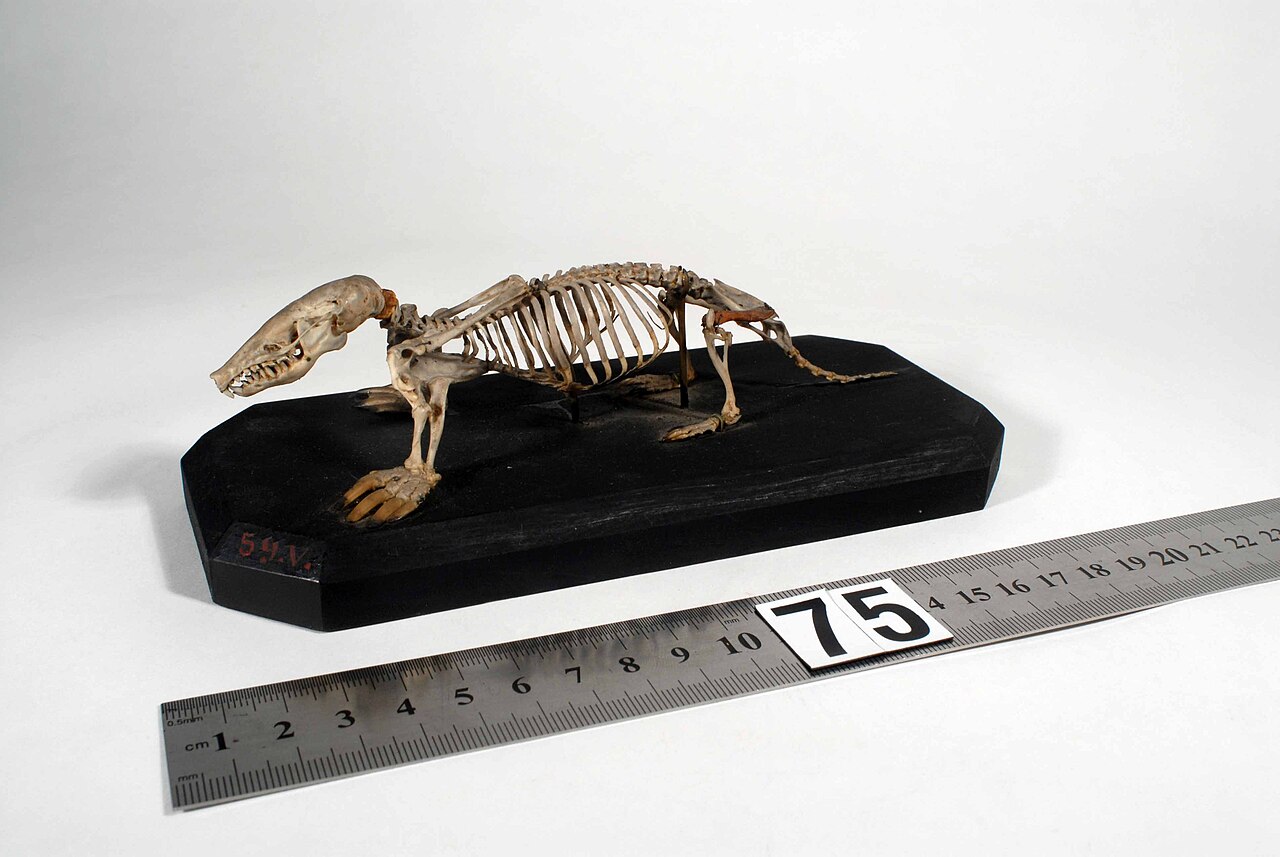
Despite the unwelcome cosmetic lawn damage moles create through their tunneling activity, this species provides genuine ecological benefit through their voracious consumption of grubs, including Japanese beetle larvae and other lawn-damaging insect pests, meaning mole presence often indicates and helps control an underlying grub population that might otherwise cause its own, separate lawn damage if left unaddressed.
Mole tunneling also provides genuine soil aeration benefits, since their extensive tunnel systems improve soil drainage and air circulation, potentially benefiting overall lawn and garden soil health despite the visible surface disruption this same tunneling activity simultaneously creates, making moles a genuinely complex case where real ecological benefit accompanies real, if primarily cosmetic, practical inconvenience for homeowners.
Understanding this beneficial ecological role helps homeowners specifically weigh their actual management goals realistically, since completely eliminating moles removes both the unwanted surface damage and these genuine underlying benefits, making some homeowners specifically choose more moderate management approaches focused on redirecting rather than entirely eliminating mole activity from their property.
Non-Lethal Management Approaches
Reducing grub populations through appropriate lawn treatment can help make a yard less attractive to moles specifically by reducing their primary food source availability, an indirect management approach that addresses the underlying reason moles find a particular yard appealing rather than attempting to directly exclude or remove moles through more confrontational methods.
Physical barriers, including underground mesh or specifically designed root barriers installed around garden beds particularly valuable to a homeowner, can help redirect mole tunneling away from these specific protected areas without requiring broader, more aggressive mole elimination efforts across an entire property, a genuinely more targeted approach for homeowners specifically wanting to protect particular garden areas rather than eliminate mole presence entirely.
Various repellent products and vibration-based deterrent devices are marketed specifically for mole management, though effectiveness varies considerably and genuine scientific evidence supporting many specific repellent products remains limited, making professional wildlife management consultation genuinely worthwhile for homeowners facing significant mole activity who want evidence-based guidance on which specific management approaches are actually likely to prove effective for their particular situation.
Moles Compared to Other Underground Yard Wildlife
Moles share their underground lifestyle with several other yard-dwelling species, though each creates distinctly different surface evidence worth understanding for accurate identification, since the burrowing patterns and droppings visibility covered throughout this guide differ meaningfully from species like groundhogs, whose young maintain more visible burrow entrances and considerably more accessible droppings compared to the mole’s almost entirely hidden underground lifestyle, quite unlike the more surface-scattered pattern typical of rabbits foraging above ground instead.
This comparison matters practically for homeowners specifically trying to identify which particular underground yard visitor is responsible for observed lawn or garden disturbance, similar to the identification approach covered in our squirrel poop vs rat poop guide, since moles create the distinctive raised ridges and volcano-shaped molehills covered earlier, while other burrowing species typically leave more visible entrance holes and different surface disturbance patterns entirely distinct from typical mole activity.
Understanding these species-level differences in both surface evidence and droppings visibility helps homeowners correctly identify which specific animal requires which particular management approach, since moles specifically require the grub-reduction and physical barrier strategies covered throughout this guide, while other underground species might require entirely different, species-specific management approaches better suited to their own particular burrowing behavior and dietary habits.
Moles and the Broader Beneficial Wildlife Picture
Moles join several other genuinely beneficial backyard wildlife species whose ecological contributions sometimes get overshadowed by cosmetic inconvenience, similar to the nuanced tick-consumption picture covered in our birds that eat ticks guide, where genuine ecological benefit accompanies practical considerations that homeowners must weigh honestly rather than assuming any wildlife presence represents either purely beneficial or purely problematic activity.
This broader pattern of nuanced wildlife-homeowner relationships suggests that thoughtful, evidence-based management approaches, rather than reflexive elimination of any yard wildlife causing cosmetic inconvenience, generally serve both individual homeowner interests and broader backyard ecosystem health more effectively, a principle relevant well beyond moles specifically to the wide range of beneficial but sometimes inconvenient wildlife species commonly found in suburban and rural yards.
Approaching mole activity specifically with this same thoughtful, balanced perspective, understanding genuine grub-control and soil-aeration benefits alongside legitimate cosmetic lawn concerns, positions homeowners to make genuinely informed management decisions rather than defaulting to aggressive elimination based purely on cosmetic frustration without fuller consideration of this species’ actual overall ecological contribution to a healthy yard ecosystem.
When to Consider Professional Help
Extensive mole activity causing significant lawn damage or affecting valuable garden areas may warrant professional wildlife management consultation, since professionals can provide more informed guidance on locally effective management approaches and appropriate legal considerations, since mole management regulations can vary by specific location and local wildlife protection policies.
Professional assessment can also help homeowners understand whether their specific mole activity reflects a genuinely significant grub population requiring separate addressing, or simply normal mole foraging behavior that might resolve on its own as moles move through and beyond a particular territory over time without requiring any particularly aggressive management intervention.
Given the genuine ecological benefits moles provide alongside their cosmetic lawn impact, professional consultation can also help homeowners make genuinely informed decisions about whether pursuing more moderate, targeted management approaches specifically protecting valued garden areas might better balance practical lawn concerns against the real ecological benefits this often-misunderstood beneficial species actually provides.
Should You Stomp Down Molehills?
Stomping molehills flat is useful as a survey tool and useless as control. Flattening every hill and surface run, then checking after 24 to 48 hours, tells you exactly which tunnels are active, because a mole will push open the runs it is still using and leave the abandoned ones collapsed. That is genuinely worth doing before you decide whether anything else is needed.
What it will not do is drive the animal away. Moles rebuild collapsed tunnel sections routinely, and a typical yard holds one to three animals working a tunnel network that can run several hundred feet, so flattening the surface removes the evidence rather than the cause. Repeated stomping also compacts the soil, which damages turf roots more than the mole did.
The practical sequence is to flatten, wait, mark the runs that reopen, and only then decide between tolerating the animal, which is the usual right answer given how many grubs and larvae a mole removes, or targeting the active runs specifically. Penn State Extension’s guide to moles and their tunnel systems covers how to read surface runs and which control methods have evidence behind them.
Frequently Asked Questions
What does mole poop look like?
Small, dark, somewhat elongated pellets, though these are genuinely rarely seen since moles deposit droppings within their underground tunnel systems rather than on visible surface areas.
How can I tell if I have moles without seeing droppings?
Look for raised, ridge-like surface tunnels and distinctive volcano-shaped molehills, considerably more reliable and visible evidence of mole activity than any droppings this species leaves behind.
Are moles actually beneficial despite the lawn damage?
Yes, they consume large quantities of grubs including damaging lawn pests, and their tunneling provides genuine soil aeration benefits, even though the surface disruption itself remains cosmetically unwelcome to many homeowners.
What do moles eat?
Primarily earthworms, grubs, and various soil-dwelling insects, an almost entirely insectivorous diet reflected in the composition of their rarely-seen droppings.
How do I get rid of moles without killing them?
Reduce grub populations to decrease food availability, install physical barriers around specific valued garden areas, and consider professional consultation for evidence-based guidance on effective non-lethal approaches.
Do mole repellents actually work?
Effectiveness varies considerably across different products, with limited scientific evidence supporting many specific repellents, making professional consultation worthwhile for evidence-based management guidance.
Should I be worried about mole droppings health risks?
Given how rarely these droppings are actually encountered on accessible surfaces, they represent a genuinely minor practical health consideration compared to more visible backyard wildlife droppings homeowners typically encounter.