Birds That Eat Ticks: What Actually Works (and What Doesn’t)
Several bird species genuinely help control tick populations around homes and yards, with wild turkeys, guinea fowl, and various songbirds all documented consuming ticks as part of their broader insect and invertebrate diet, though the popular belief that certain birds alone can meaningfully eliminate a serious tick problem oversimplifies what remains, at best, one contributing factor among many in broader tick population management rather than a standalone, reliable solution on its own.
Understanding which birds actually eat ticks, how significant their impact realistically is within a broader tick management strategy, and how to responsibly encourage these beneficial birds without creating unrealistic expectations helps homeowners make genuinely informed decisions about incorporating bird-friendly practices into their overall approach to tick-borne disease risk reduction. This guide covers the specific bird species documented eating ticks, the guinea fowl myth specifically, other tick control methods worth combining with bird-friendly practices, and how to responsibly attract these beneficial birds to your property.
| Bird | Tick-Eating Role |
|---|---|
| Wild turkey | Documented tick consumption, opportunistic |
| Guinea fowl | Popular reputation, effect often overstated |
| Chickens | Will eat ticks encountered while foraging |
| Various songbirds | Incidental consumption while foraging |
| Opossums | Non-bird tick predator, genuinely significant |
Wild turkeys, guinea fowl and chickens all eat ticks, and several songbirds take them incidentally, but no bird meaningfully lowers tick numbers in a yard. Birds also carry ticks between locations while feeding, which offsets part of what they remove.
Wild Turkeys: Documented Tick Consumers
Wild turkeys are genuinely documented consuming ticks as part of their broader omnivorous diet, which includes a wide range of insects, seeds, and plant material foraged from the ground and low vegetation where ticks commonly wait for a host to pass by, making turkeys a legitimate, if opportunistic rather than tick-specialized, contributor to reducing tick numbers within areas they actively forage.
This tick consumption occurs incidentally as part of turkeys’ broader foraging behavior rather than representing any specialized tick-hunting strategy, meaning turkey presence in an area provides some genuine tick reduction benefit proportional to how actively and consistently turkeys forage through tick-prone habitat like leaf litter, tall grass, and brush edges where ticks characteristically congregate awaiting potential hosts.
Because wild turkeys require considerable habitat space and are not typically kept as backyard poultry the way chickens or guinea fowl are, their tick-control contribution matters more at a landscape or property level for those with sufficient habitat to support wild turkey populations, rather than representing a practical backyard tick-control strategy most suburban homeowners could realistically implement through direct turkey keeping.
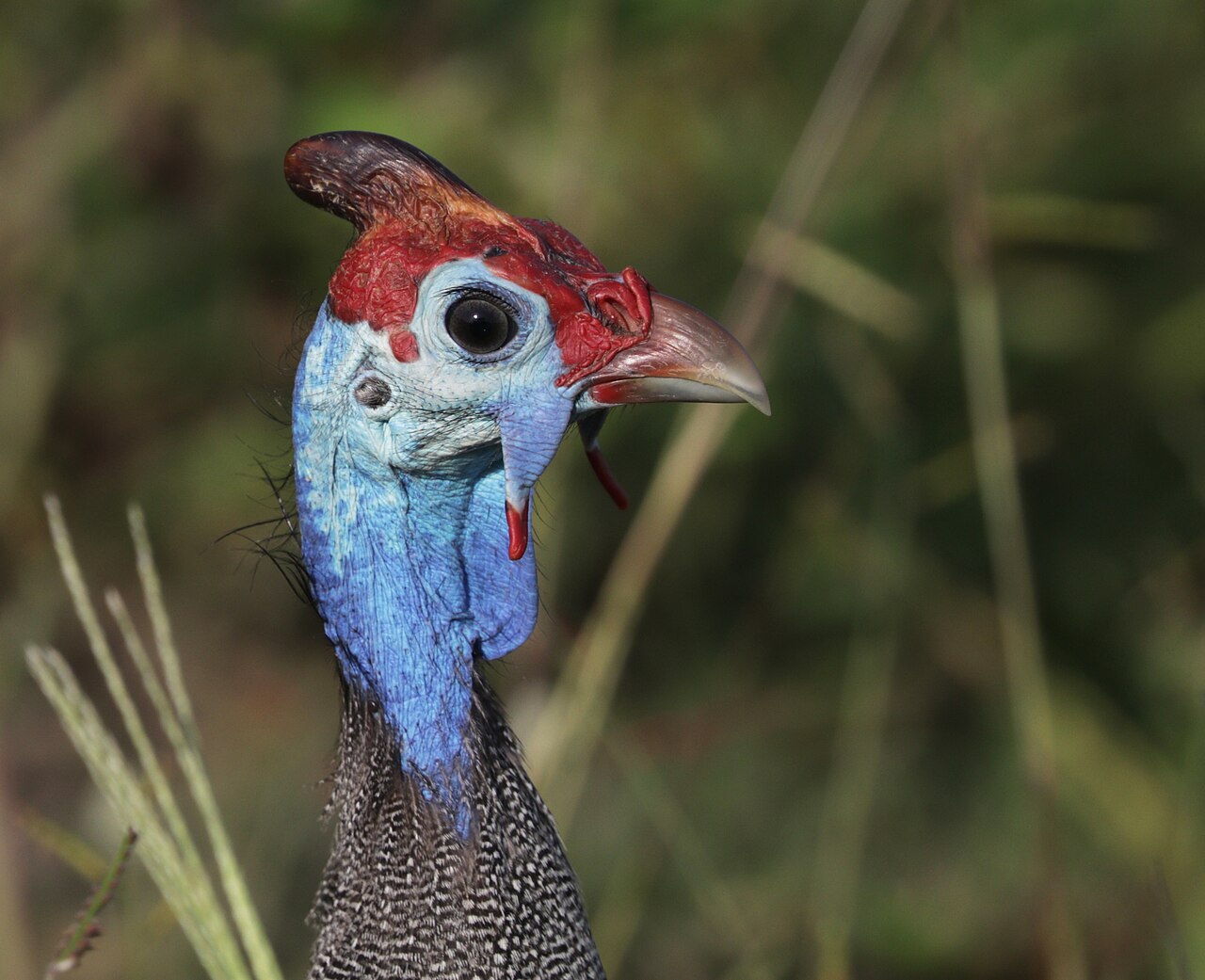
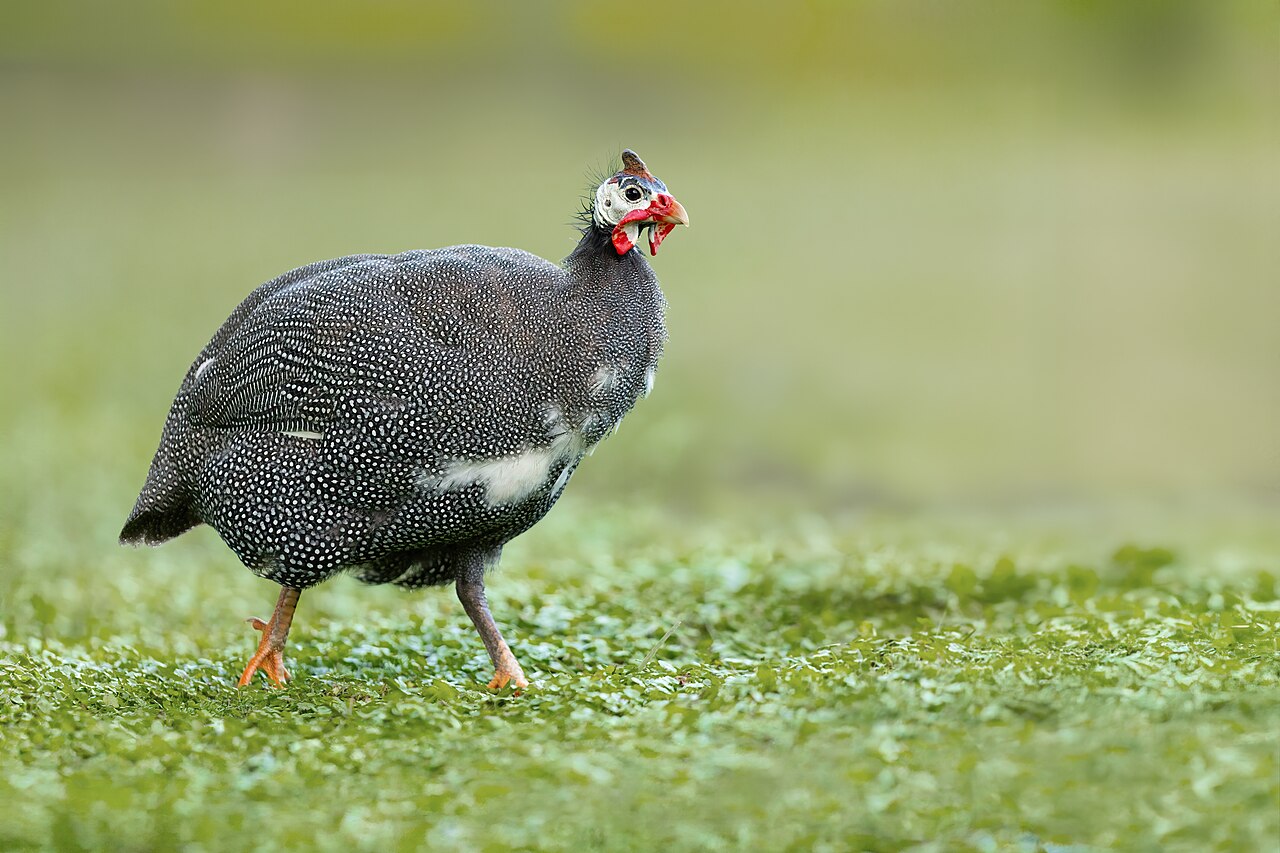
Guinea Fowl: Popular Reputation vs Actual Impact
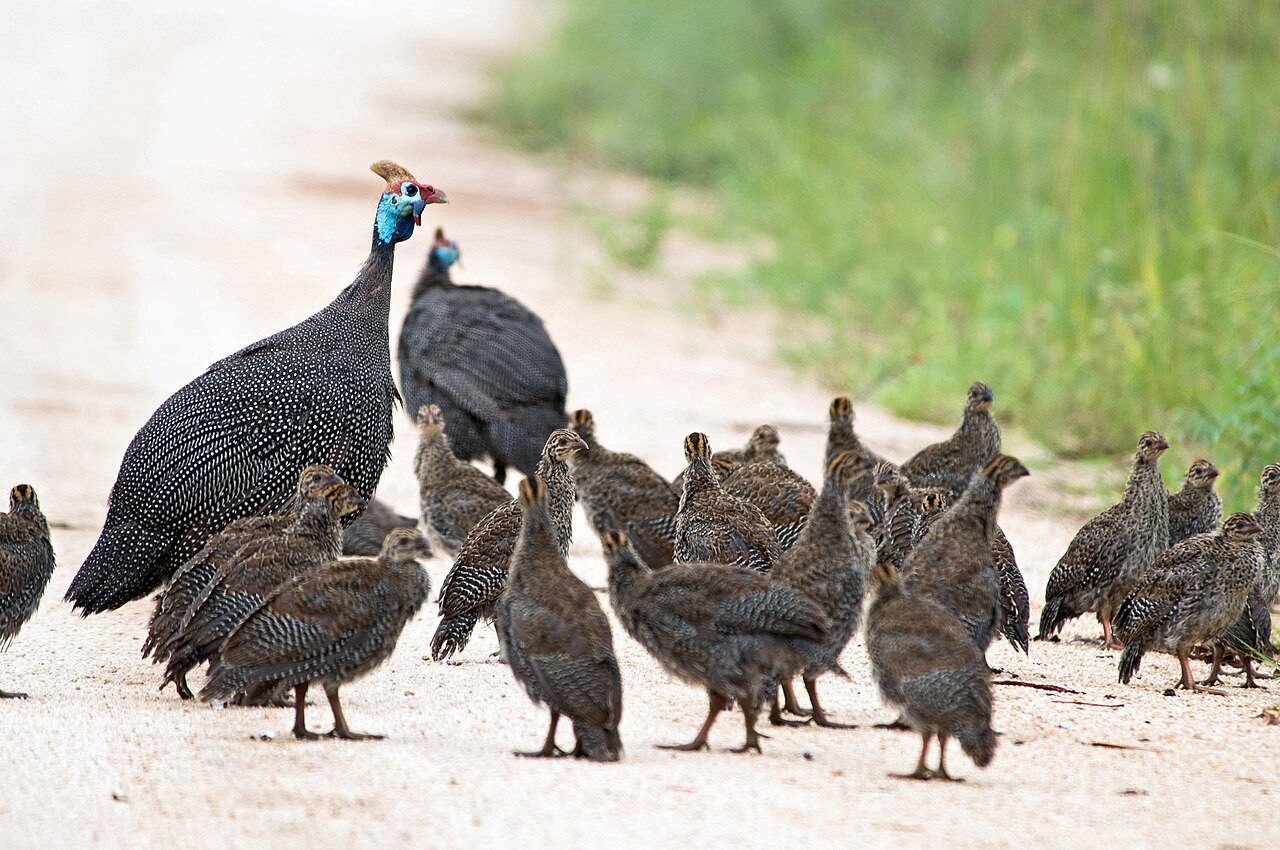
Guinea fowl have developed a particularly strong popular reputation specifically as tick-control birds, often marketed and recommended enthusiastically for this exact purpose, and while guinea fowl do genuinely eat ticks encountered while foraging, more careful scientific evaluation has generally found their actual tick-reduction impact considerably more modest than popular reputation suggests, with ticks representing just one component of a varied diet rather than any specifically preferred or targeted food source.
Some research examining guinea fowl tick consumption specifically has found that while these birds will eat ticks when encountered, they do not appear to seek out ticks preferentially over other more abundant and easier-to-catch insects, meaning guinea fowl foraging in an area does not necessarily translate into the dramatic tick population reduction their popular reputation implies, particularly in areas with abundant alternative food sources competing for the birds’ foraging attention.
This gap between popular reputation and more rigorously evaluated actual impact matters genuinely for homeowners specifically considering guinea fowl acquisition primarily for tick control purposes, since guinea fowl keeping involves genuine commitment, including their notably loud vocalizations and specific care requirements, that may not be justified if the primary motivating tick-control benefit proves considerably more modest than commonly advertised.
Chickens and Backyard Poultry
Chickens allowed to free-range or forage in appropriate outdoor areas will readily eat ticks encountered during their normal foraging activity, alongside the wide variety of other insects, seeds, and plant material that makes up their typical omnivorous diet, providing genuine if similarly incidental tick consumption comparable to the wild turkey pattern covered earlier rather than representing specialized tick predation.
Backyard chicken keeping specifically for tick control purposes should be approached with realistic expectations similar to those covered for guinea fowl, recognizing that chickens will consume ticks they encounter but are not specifically drawn to hunt ticks preferentially over other more abundant or easily caught food sources within their foraging range.
For homeowners already keeping chickens for eggs or other primary purposes, allowing appropriate free-range foraging access to yard areas provides a genuine secondary tick-consumption benefit as a natural complement to chicken keeping’s other purposes, though acquiring chickens specifically and solely for tick control alone likely overestimates the realistic impact based on more careful evaluation of actual tick consumption patterns in backyard poultry generally.
Songbirds and Incidental Tick Consumption
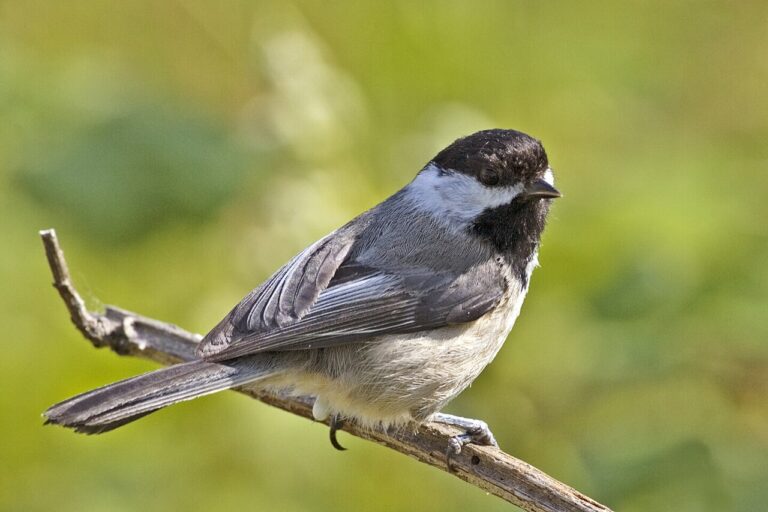
Various common backyard songbirds, including several ground-foraging species, incidentally consume ticks encountered while foraging through leaf litter and low vegetation for their primary insect prey, though this tick consumption remains genuinely incidental within a much broader insectivorous diet rather than representing any species-specific tick specialization worth highlighting individually.
This incidental songbird tick consumption contributes some modest additional pressure on local tick populations as part of the broader ecosystem services songbirds provide through their general insect consumption, similar in principle to how birds that eat mosquitoes and birds that eat wasps provide broader pest control benefits through general insectivorous foraging rather than any single species being specifically specialized for tick or mosquito predation alone.
Encouraging general songbird diversity and abundance through appropriate habitat features, native plantings, water sources, and reduced pesticide use, similar to broader wildlife-friendly practices that also benefit species like groundhogs and other yard wildlife, likely provides modest cumulative tick-consumption benefit as one component among the many ecosystem services a healthy, diverse backyard bird population contributes, rather than any single targeted songbird species representing a specific, reliable tick-control solution on its own.
Opossums: A More Significant Non-Bird Tick Predator
While this guide focuses specifically on birds, it is worth noting that opossums have received considerably more rigorous scientific attention specifically regarding tick consumption, with some research suggesting individual opossums may consume genuinely substantial numbers of ticks through their meticulous self-grooming behavior, which removes and consumes ticks that attach to their fur while foraging.
This opossum research provides useful context for evaluating bird-based tick control claims specifically, since the more rigorous scientific attention opossum tick consumption has received offers a comparative benchmark suggesting that popular claims about various tick-eating animals, birds included, sometimes outpace the actual quality and rigor of scientific evidence specifically supporting those particular claims.
This comparison reinforces the broader theme running throughout this guide: while birds genuinely do eat ticks as documented, treating any single tick-eating animal, whether guinea fowl, chickens, or opossums, as a standalone, reliable tick control solution generally overstates what remains, even in the best-supported cases, one contributing factor among many within a genuinely comprehensive tick management approach.
What Research and Extension Resources Actually Say
Wildlife and agricultural extension research examining tick-eating claims specifically has generally found a meaningful gap between popular enthusiasm for animal-based tick control and the more modest results controlled studies actually document, with research on both guinea fowl and free-ranging chickens finding genuine but limited tick consumption rather than the dramatic population reduction popular sources sometimes claim, a pattern consistent with broader scientific skepticism toward single-species solutions for complex pest management challenges generally.
This research gap matters practically for homeowners making genuine decisions about tick management investment, since acquiring guinea fowl or wild turkeys specifically and primarily for tick control, based on inflated popular claims rather than the more modest evidence-based expectations covered throughout this guide, risks disappointment when the promised dramatic tick reduction fails to materialize as advertised.
Extension entomology and wildlife management resources consistently recommend evaluating any single tick-control method, whether animal-based or otherwise, within the context of realistic expected impact based on available evidence, an approach this guide has aimed to reflect throughout by distinguishing genuine documented tick consumption from the sometimes considerably inflated popular reputation certain species specifically have developed regarding their tick-control capabilities.
Realistic Expectations Within Broader Tick Management
Effective tick population management for reducing tick-borne disease risk specifically benefits most from a combined approach including habitat modification, maintaining short grass and clearing leaf litter and brush where ticks congregate, personal protective measures like appropriate clothing and tick repellents when in tick-prone areas, and, where genuinely needed, targeted acaricide treatments rather than relying primarily on any single animal-based tick control approach alone.
Encouraging birds and other tick-consuming wildlife through responsible habitat practices represents a genuinely reasonable component of this broader integrated approach, providing modest supplementary tick pressure reduction alongside these other more directly effective management strategies, rather than replacing the need for these other approaches entirely based on unrealistic expectations about bird-based tick control alone.
Homeowners specifically concerned about tick-borne disease risk should prioritize the habitat modification and personal protective measures covered above as their primary tick management strategy, viewing bird-friendly practices and any tick consumption by backyard poultry or wild birds as a genuinely welcome but modest supplementary benefit rather than a primary, reliable solution capable of independently resolving a significant tick population concern.
Attracting Tick-Eating Birds Responsibly
For those specifically interested in supporting tick-eating birds as part of a broader wildlife-friendly and integrated tick management approach, providing appropriate habitat features, brush piles, native plantings, and water sources, supports general songbird diversity and abundance, which likely provides the modest cumulative tick-consumption benefit covered throughout this guide as one component among many ecosystem services diverse bird populations contribute.
Those specifically considering guinea fowl or chicken keeping should approach this decision based on the fuller range of benefits and commitments these birds actually involve, eggs, other pest control, and companionship for chickens, or guinea fowl’s genuine but modest tick consumption alongside their notably loud alarm-calling behavior, rather than acquiring either species based primarily on inflated tick-control expectations that more careful evaluation does not fully support.
Ultimately, supporting a healthy, diverse bird population through responsible habitat practices offers genuine ecological benefits worth pursuing on their own merits, general insect pest control, pollination support, and simple wildlife enjoyment, with any accompanying modest tick consumption representing a welcome bonus within this broader picture rather than the primary justification for backyard bird-friendly practices specifically.
Related reading: Birds That Eat Snakes.
Related reading: Animals That Eat Ticks.
Related reading: Birds That Eat Bees.
Related reading: Birds That Eat Mice.
Related reading: Birds That Eat Other Birds.
Related reading: birds that eat ants.
Related reading: birds that eat spiders.
Related reading: Birds That Eat Flies.
Related reading: Birds That Eat Japanese Beetles.
Related reading: Birds That Eat Stink Bugs.
Related reading: Birds That Eat Slugs.
Related reading: Birds That Eat Snails.
Do Birds Spread Ticks as Well as Eat Them?
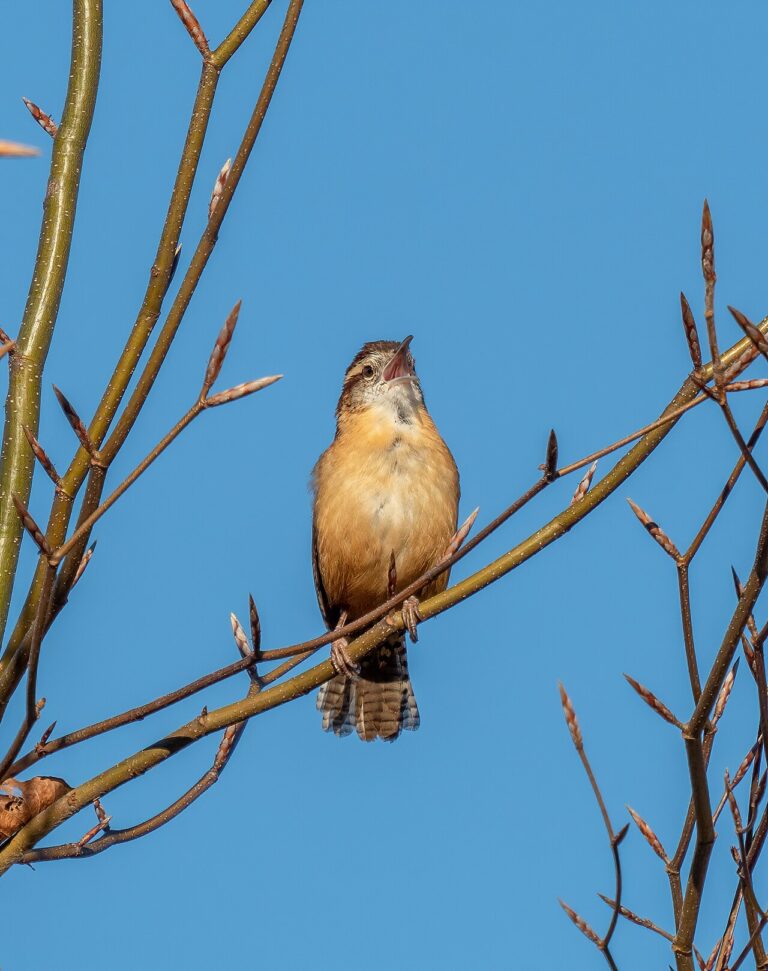
Yes, and this is the part usually left out of the tick-eating bird story. Ground-foraging songbirds are frequent hosts for immature ticks, and studies that band birds and check them for ticks routinely find larvae and nymphs attached, particularly on species that feed in leaf litter such as thrushes, towhees, wrens and sparrows.
That matters twice over. A feeding tick can pick up the Lyme bacterium from an infected bird and carry it through its next life stage, and a migrating bird can move an attached tick a very long way before it drops off, which is one of the mechanisms behind tick populations appearing in areas that had none. Research on passerine birds in the mid-Atlantic found blacklegged ticks carrying Borrelia burgdorferi on birds captured at ordinary field sites.
The honest summary is that birds sit on both sides of the ledger. Turkeys and guinea fowl genuinely consume ticks, songbirds consume some and transport others, and neither effect is large enough to replace the things that actually work in a yard: keeping grass short, clearing leaf litter, maintaining a mulch or gravel border against woodland, and checking yourself and pets. The study on passerine birds as hosts for infected Ixodes ticks sets out the host side of the picture.
Related reading: do birds have ears.
Related reading: do birds pee.
Frequently Asked Questions
What birds eat ticks?
Wild turkeys, guinea fowl, chickens, and various songbirds all documented consuming ticks incidentally while foraging for their broader insect and invertebrate diet, though none represent a specialized, tick-focused predator.
Do guinea fowl really control ticks effectively?
Their tick-control reputation is popular but often overstated; more careful evaluation suggests guinea fowl eat ticks encountered while foraging but do not preferentially seek out ticks over other more abundant food sources.
Should I get chickens specifically to control ticks?
Chickens will eat ticks encountered while free-ranging, but this should be viewed as a secondary benefit alongside other reasons for keeping chickens rather than a primary, reliable tick control solution on its own.
What animal is actually most effective at eating ticks?
Opossums have received more rigorous scientific attention suggesting genuinely substantial tick consumption through self-grooming, though even this should be viewed as one contributing factor rather than a standalone solution.
Can birds alone solve a serious tick problem?
No, effective tick management requires a combined approach including habitat modification, personal protective measures, and sometimes targeted treatments, with bird-based tick consumption serving only as a modest supplementary factor.
Do wild turkeys eat ticks?
Yes, wild turkeys consume ticks as part of their broader omnivorous foraging diet, though this occurs incidentally rather than representing specialized tick hunting behavior.
How can I attract tick-eating birds to my yard?
Provide habitat features like brush piles, native plantings, and water sources to support general songbird diversity, which offers modest cumulative tick-consumption benefit as one component of broader ecosystem services.